DbcultAccessing Vault...
6/10
Senior Film Conservator
A definitive 6/10 rating for a film that redefined the boundaries of cult cinema. The Warfare of the Flesh remains a cornerstone of transgressive art.
In the nascent years of the silent era, few films dared to synthesize the grandiosity of Miltonic poetry with the gritty realities of contemporary urbanization. The Warfare of the Flesh, directed by the often-underestimated Lawrence Marston, is a cinematic triptych that refuses to settle for simple moralizing. Instead, it offers a dense, visual meditation on the ontological friction between the ethereal and the material. It is an artifact of a time when the silver screen was viewed as a pulpit, yet Marston’s direction elevates the material beyond mere Sunday school didacticism into something far more visceral and haunting.
The film’s opening movement is a masterclass in early special effects and stage-craft-influenced cinematography. The fall of the angels is depicted not with the bombast of modern CGI, but with a haunting, ethereal quality that suggests a loss of light rather than a physical descent. Walter Hampden, whose presence on screen is nothing short of authoritative, provides a gravitas that anchors the film’s metaphysical ambitions. As we witness the expulsion from Heaven, the screen becomes a canvas for the eternal dichotomy. The fallen angels, led by a chillingly composed Satan, are depicted not as caricatures of evil, but as architects of a sophisticated psychological scourge.
When the narrative settles into the Garden of Eden, the pacing slows, allowing the audience to absorb the lush, albeit monochrome, beauty of the setting. The temptation of Eve is played with a nuanced fragility. Unlike the more overtly sensationalist portrayals of the era, such as those found in The Labyrinth, Marston focuses on the internal erosion of will. The 'warfare' described in the title is here an invisible one—a silent surrender of the soul to the immediate, tactile allure of the flesh. The cinematography during these scenes utilizes soft focus to emphasize the dreamlike state of innocence before the harsh, high-contrast lighting of the 'fallen' world takes over.
The transition to the story of Mary Magdalene serves as a crucial bridge between the mythic past and the socio-political present. Here, the film takes on a more urgent, almost proto-realist tone. The stoning of the Magdalene is filmed with a claustrophobic intensity that highlights the cruelty of the mob—a recurring theme in Marston's work. It is here that the machinations of Satan and Sin, who haunt the periphery of the frame like spectral overseers, are most apparent. They represent the systemic forces that weaponize human weakness against itself.

The arrival of the Good Samaritan is a moment of profound cinematic relief. The use of sea blue hues in the tinting (in original restored prints) would have underscored the cooling of the mob’s heated blood. This sequence provides a stark contrast to the more cynical narratives of the time, such as the social decay explored in At Bay. While other films of 1917 were beginning to flirt with the burgeoning noir aesthetic, The Warfare of the Flesh remains steadfast in its belief in the intervention of the 'Good Spirit.' The Samaritan is not merely a man; he is the physical manifestation of the spirit winning a tactical battle against the fleshly impulse for vengeance.
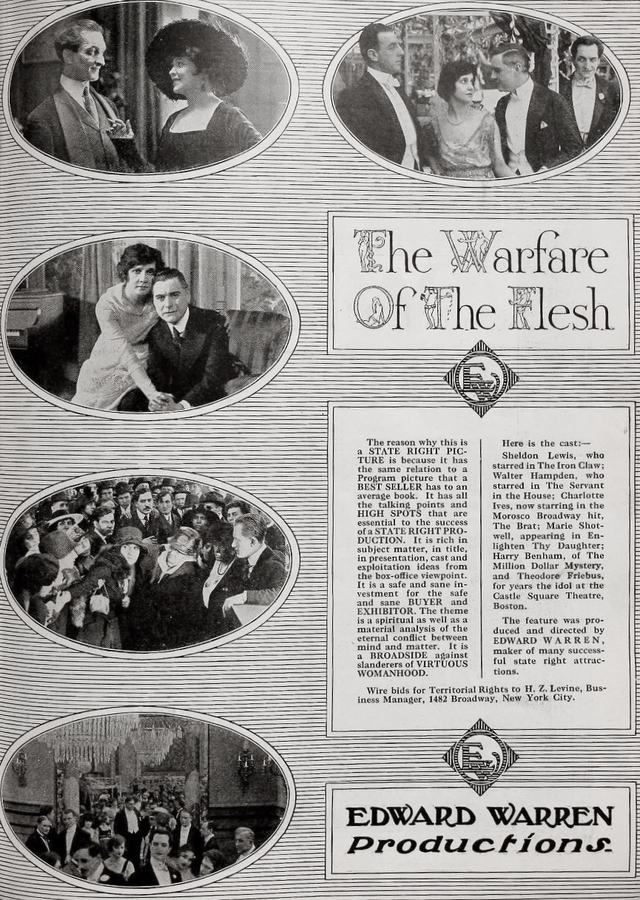
The film’s most daring gambit is its final act, which teleports the viewer to the 'present' day (1917). The decision to personify Satan and Sin as members of the leisure class is a biting piece of social commentary. Clad in the finest attire, Sheldon Lewis and Marie Shotwell portray these entities with a chilling, aristocratic detachment. They are no longer monsters in the dark; they are the people you meet at a gala. They represent the 'befogging' of vision—the way modern luxury and societal pressure can obscure the path of the soul.
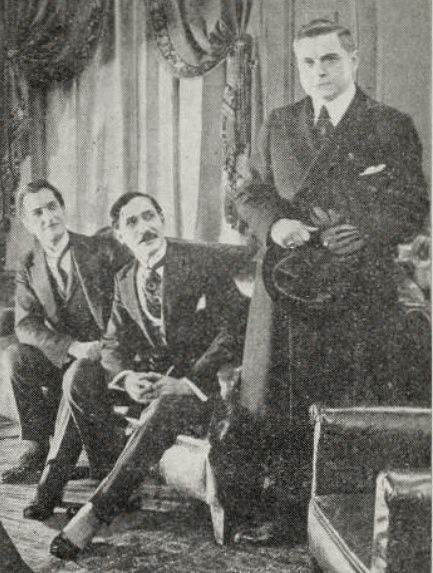
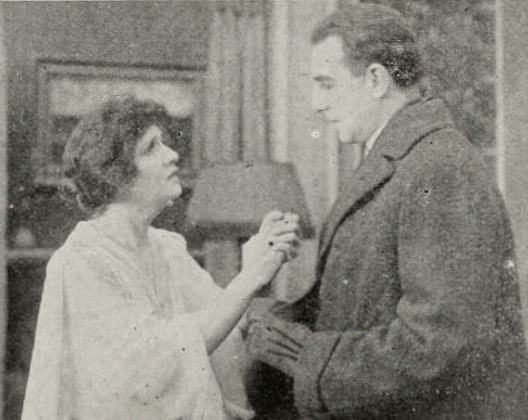
The heroine of this segment, played with a trembling intensity by Charlotte Ives, becomes the focal point of the film’s thesis. She is not a saint, but a woman caught in the 'maelstrom of life.' Her struggle is one of economic and moral survival. In comparison to the protagonists of The Painted World, who often find themselves trapped by artifice, Ives’ character is trapped by the very weight of her own humanity. The 'stress of circumstances'—a euphemism for the crushing weight of poverty and social expectation—is shown to be the primary weapon in Satan’s modern arsenal.
The ensemble cast is remarkably disciplined. Walter Hampden’s performance is a masterclass in the 'grand style' of acting, which, while theatrical, manages to translate effectively to the intimacy of the camera. His presence provides a necessary counterweight to the more flamboyant villainy of Sheldon Lewis. Mary Elizabeth Forbes and Fred Radcliffe also contribute significantly, providing a groundedness to the biblical sequences that prevents them from feeling like mere tableaux vivants.

Lawrence Marston’s direction is characterized by a sophisticated use of cross-cutting and symbolic motifs. He avoids the static, stagelike compositions that plagued many of his contemporaries. Instead, he moves the camera with a purpose that mirrors the restless energy of the spirit. The way he frames the modern city—as a jagged, confusing labyrinth of shadows and light—presages the expressionist movement that would soon dominate European cinema. This film shares a certain DNA with A Child of the Paris Streets in its depiction of the urban environment as a character in itself, though Marston’s focus remains firmly on the metaphysical rather than the purely sociological.
When placed alongside other works of the era, The Warfare of the Flesh stands out for its structural complexity. While Daredevil Kate or Gambler's Gold deal with individual morality within a confined plot, Marston’s film attempts a universal history of the soul. It is more akin to the sprawling epics of D.W. Griffith, yet it possesses a theological focus that is uniquely its own. It lacks the whimsicality of Madame Bo-Peep or the adventurous spirit of A Modern Musketeer, opting instead for a somber, reflective tone that demands the viewer's full intellectual engagement.
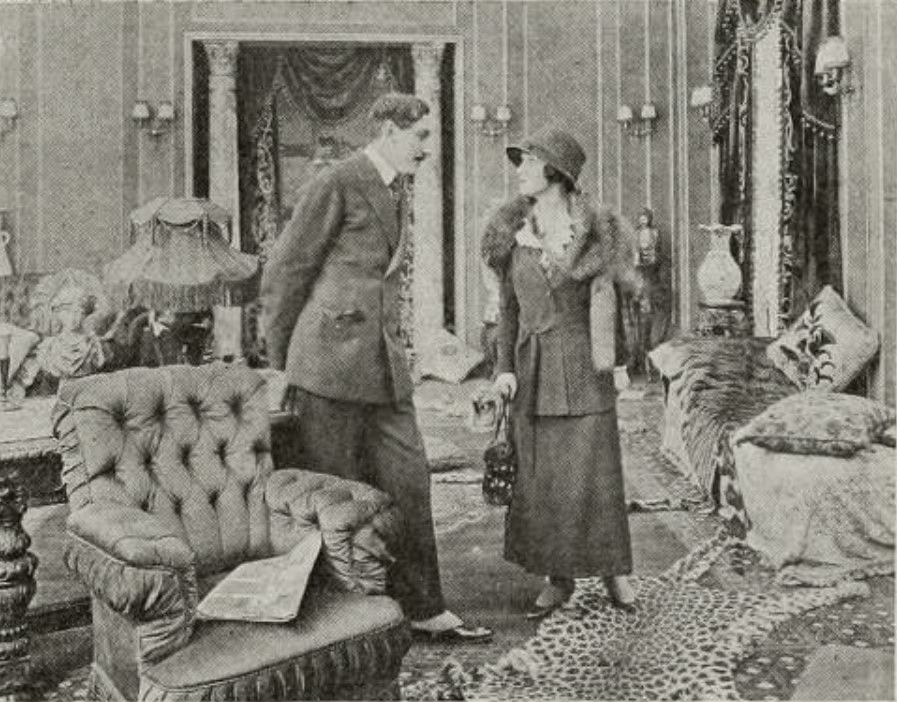
The film’s resolution, where the 'eternal spirit of good' intervenes, might strike modern audiences as a deus ex machina. However, within the context of 1917, this was a radical assertion of hope amidst the backdrop of the First World War. The 'warfare' on screen was a mirror to the warfare in the trenches, suggesting that the ultimate victory would not be found in territorial gains, but in the preservation of the human spirit. The final defeat of Satan and Sin is not a violent one, but a strategic retreat in the face of unwavering goodness.
Technically, the film is a triumph of early lighting techniques. The use of chiaroscuro to distinguish between the 'flesh' and the 'spirit' is consistent throughout all three eras. The modern sequences, in particular, utilize harsh electric lighting to create a sense of artificiality and spiritual void, while the biblical and mythic scenes rely on softer, more naturalistic (if staged) light sources. This visual language is as communicative as the intertitles, which are written with a poetic flair that suggests the influence of Milton and Dante.
The writing by Lawrence Marston is equally ambitious. He manages to weave these disparate time periods together through the recurring presence of the antagonists, creating a sense of continuity that is often missing from anthology-style films. Unlike the episodic nature of Our Mutual Girl, The Warfare of the Flesh feels like a singular, cohesive argument. It is a cinematic essay on the nature of temptation and the possibility of redemption.
Ultimately, The Warfare of the Flesh is a monumental achievement that deserves a place in the pantheon of early silent cinema. It is a film that challenges its audience to look beyond the surface of the 'material sense' and recognize the eternal struggle occurring within the human heart. While it shares some DNA with the mystery of An Affair of Three Nations or the domestic drama of Her Father's Gold, it stands alone in its cosmic scope. It is a visual symphony of the soul, a reminder that even in the darkest maelstrom of life, the spirit of good remains an ever-present relief for the distressed.

IMDb —
1918
Community
Log in to comment.