DbcultAccessing Vault...
5.3/10
Senior Film Conservator
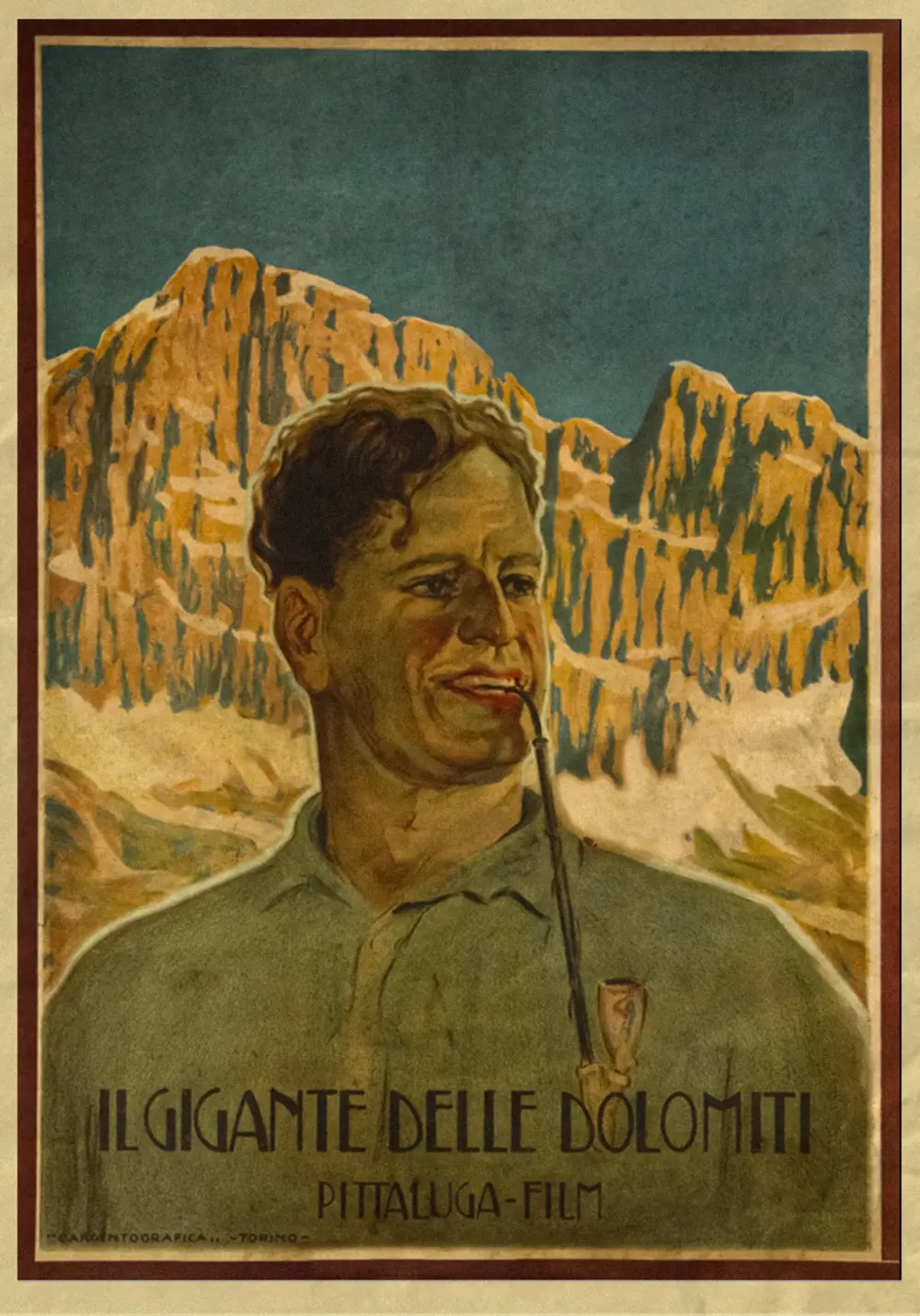
A definitive 5.3/10 rating for a film that redefined the boundaries of cult cinema. Il gigante delle Dolomiti remains a cornerstone of transgressive art.
Is Il gigante delle Dolomiti a lost masterpiece of the silent era? Short answer: No, but it is a fascinating document of physical performance and early environmental filmmaking. While it lacks the narrative complexity of contemporary dramas, it offers a raw, muscular energy that is increasingly rare in modern, over-sanitized cinema.
This film is for the cinephile who finds beauty in the grain of old celluloid and the sheer presence of a physical icon. It is NOT for those who require rapid-fire editing or a plot that moves with the velocity of a modern thriller. This is slow-burn cinema that asks you to look at the landscape as much as the actors.
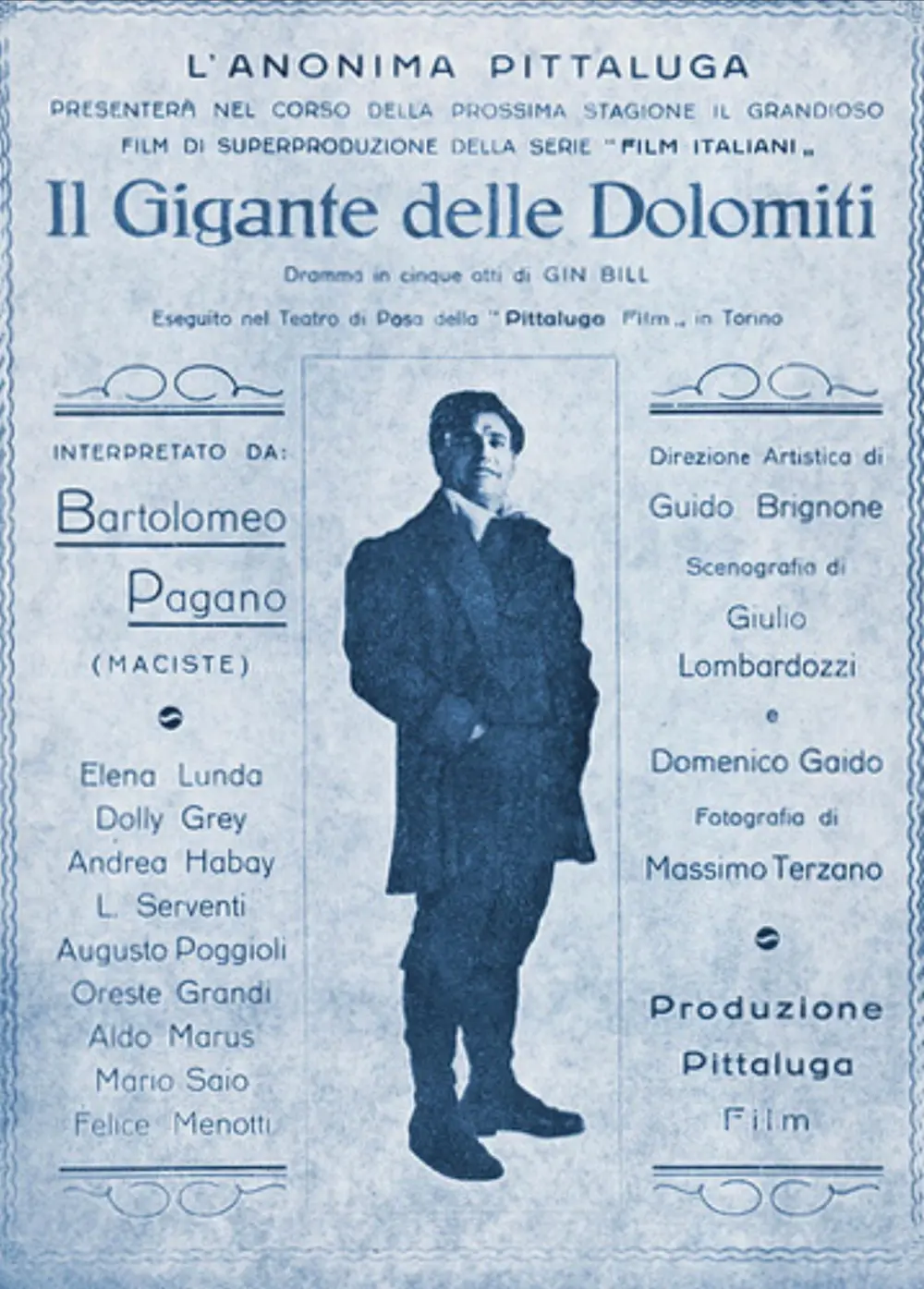
1) This film works because Bartolomeo Pagano’s physicality provides a grounded, muscular reality that no amount of modern CGI can replicate.
2) This film fails because the narrative structure is often secondary to the spectacle of the location, leading to significant pacing issues in the second act.
3) You should watch it if you have an interest in the 'Maciste' archetype or the history of Italian adventure cinema.
Bartolomeo Pagano was not just an actor; he was a phenomenon. Having risen to fame as Maciste in the 1914 epic Cabiria, Pagano brought a specific type of hyper-masculinity to the screen. In Il gigante delle Dolomiti, his performance is less about internal monologue and more about the geometry of his body against the rock. When he scales a cliffside or confronts an antagonist, there is a weight to his movements that feels authentic. It is a performance of presence.
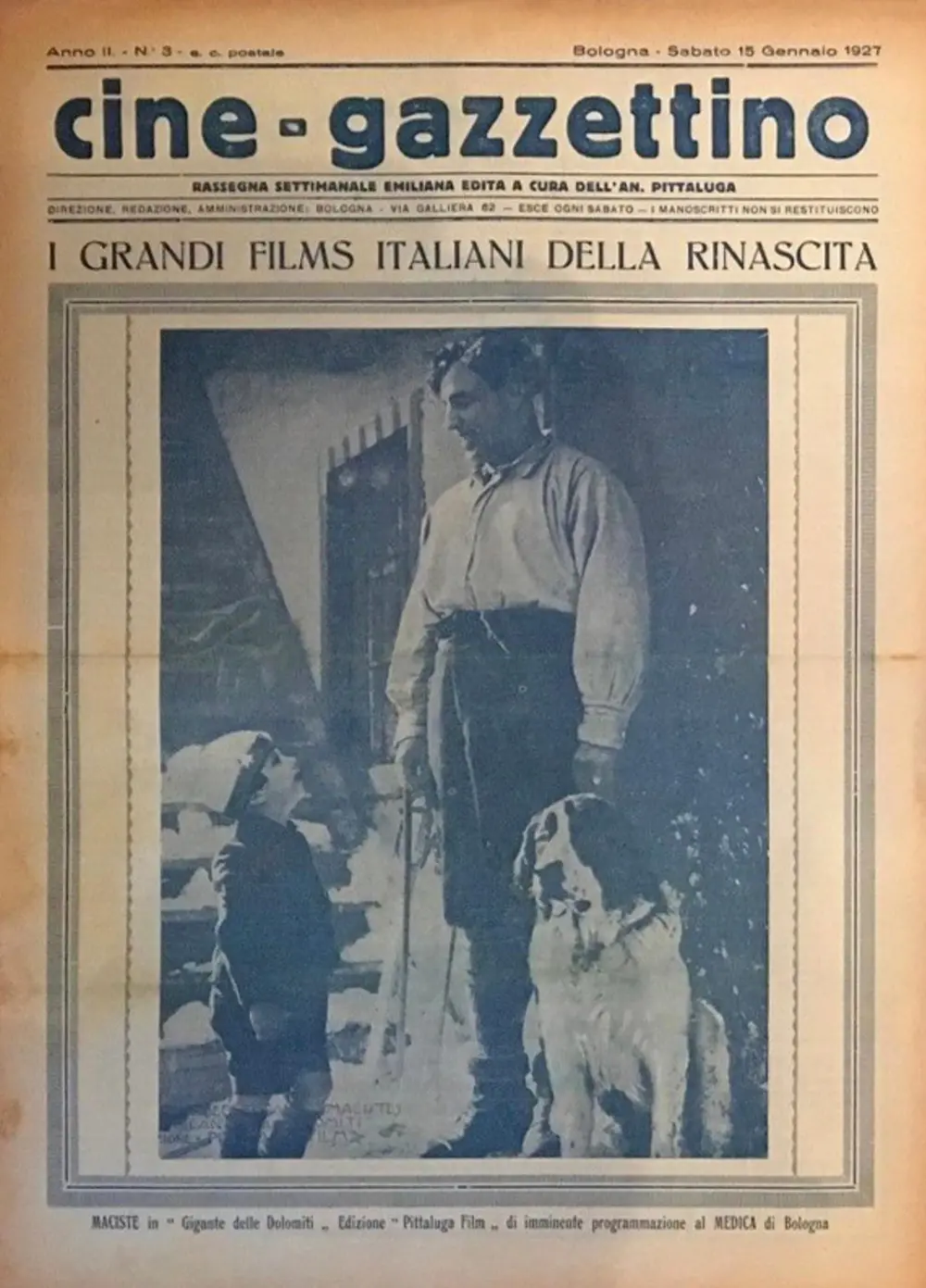
Take, for example, the sequence where the protagonist must navigate a narrow ledge to save a companion. There are no stunt doubles here. The tension is derived from the actual physical risk visible on the screen. It is a stark contrast to the more theatrical, indoor performances found in films like The Governor's Ghost. Pagano is the anchor that keeps the film from floating away into melodrama. He is solid. He is immovable. He is the giant.
The real star of the film, however, might be the mountains themselves. The cinematography captures the Dolomites with a reverence that borders on the religious. In 1927, filming at these altitudes was a logistical nightmare, yet the director manages to capture the play of light on the limestone peaks with startling clarity. The mountains are not just a backdrop; they are an active participant in the drama, dictating the pace and the stakes of every scene.
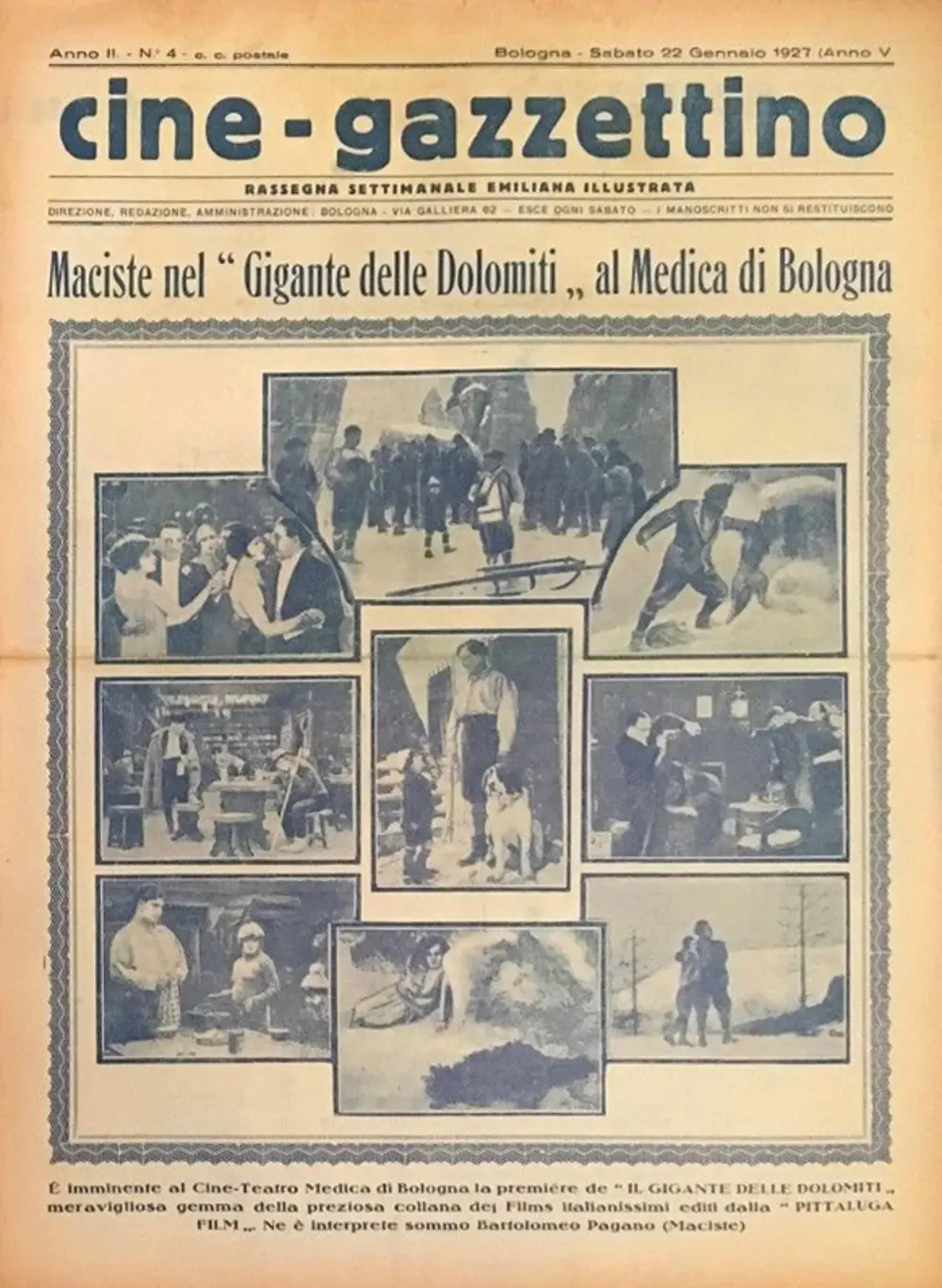
While films like White Eagle utilized vast landscapes for their narrative, Il gigante delle Dolomiti uses the terrain to create a sense of claustrophobia despite the wide-open spaces. The verticality of the shots creates a constant sense of peril. Every frame is a reminder of man's insignificance compared to the ancient earth. It’s a visual language that feels more honest than the stylized sets of Burnt Wings.
The film is not without its flaws. The plot is, frankly, paper-thin. It relies heavily on tropes of the era—the mustache-twirling villain, the damsel in distress, the misunderstood hero. At times, the story feels like an excuse to move the camera from one mountain peak to another. The middle section drags significantly as the conspirators discuss their plans in static, over-long title cards. It lacks the psychological depth found in Bayqus or the satirical bite of High Brow Stuff.
The pacing issues are exacerbated by the editing, which occasionally feels disjointed. One moment we are in a tense climb, and the next, we are back in a drawing room with characters whose motivations are barely sketched out. It works. But it’s flawed. The film is a series of peaks and valleys, both literally and figuratively. When it reaches its heights, it is breathtaking; when it descends into the plot, it fumbles.
Yes, Il gigante delle Dolomiti is worth watching for anyone interested in the evolution of action cinema and the history of the Italian 'strongman' genre. While the story is dated, the technical achievement of filming in such a hostile environment in 1927 is undeniable. It provides a unique window into a time when cinema was still discovering its own power to document the natural world.
Pros:
- Authentic physical performance by Bartolomeo Pagano.
- Stunning use of natural light and mountain vistas.
- Historical significance in the development of the adventure genre.
- A rare look at the Dolomites before they became a major tourist hub.
Cons:
- Melodramatic acting in the supporting cast.
- Repetitive narrative beats.
- Poorly paced transition scenes.
Il gigante delle Dolomiti is a rugged relic. It doesn't have the finesse of the era's best dramas, but it has a soul of granite. Pagano remains a compelling figure, a bridge between the ancient myths of strength and the modern action hero. If you can look past the creaky plot, you will find a film that captures the terrifying beauty of the mountains with a clarity that few have matched since. It is a peak worth climbing, even if the air gets a little thin in the middle.
IMDb 5.5
1914
Community
Log in to comment.