DbcultAccessing Vault...
Cult Review
Senior Film Conservator
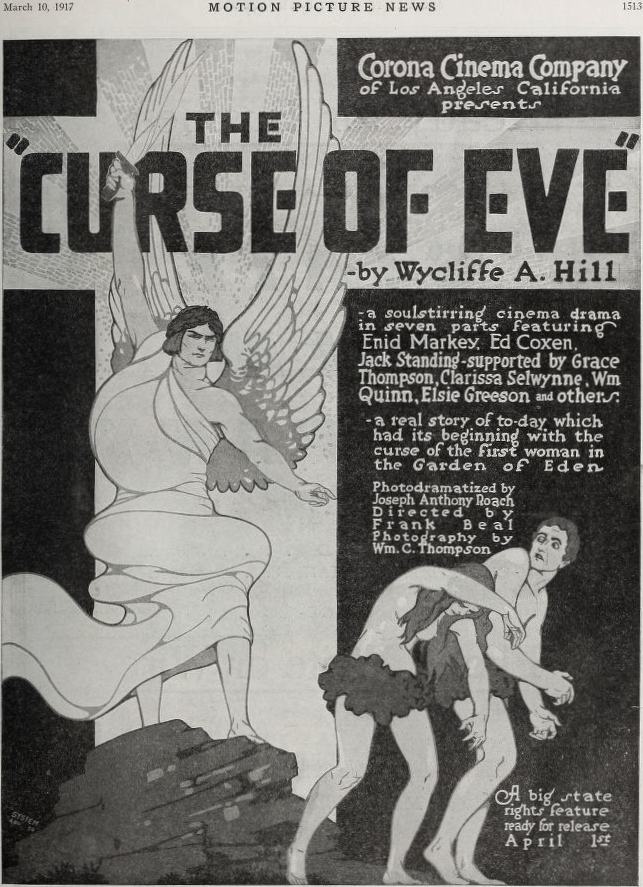
In the annals of early cinema, few films dared to confront the raw, uncomfortable truths of societal morality and the double standards imposed upon women with the unflinching gaze of 'The Curse of Eve'. Released in 1917, a tumultuous period on the global stage, this silent drama emerges not merely as a relic of its time but as a startlingly prescient piece of social commentary, its themes echoing with a haunting resonance even today. It's a film that peels back the veneer of respectability to expose the brutal consequences awaiting those who transgress, or are made to transgress, the rigid moral codes of the era. Far from a simple melodramatic potboiler, it functions as a potent critique, a cinematic cry against the hypocrisy that often cloaked injustice in the guise of virtue.
The narrative, penned by Joseph Anthony Roach and Wycliffe A. Hill, is a meticulously crafted descent into a young woman's nightmare, a journey from naive optimism to a crucible of public scorn and legal entanglement. It begins with Eva Stanley, portrayed with a delicate yet resilient vulnerability by Elsie Greeson, returning home from college. Her homecoming, however, is not one of blissful reunion but rather an introduction to her mother's fervent involvement in a movement dedicated to "rescuing wayward girls." This initial detail is a stroke of ironic genius, setting a thematic undercurrent that will later engulf Eva herself in a tragic twist of fate. Her mother's benevolence, while noble in intent, foreshadows the very societal judgments Eva is soon to face, highlighting the chasm between abstract philanthropy and individual suffering.
Eva's world, already subtly unsettling, is further destabilized by the departure of her beloved boyfriend, John Gilbert (Jack Standing), who is sent west on a government assignment. This creates a void, an emotional vacuum that proves dangerously inviting to the forces of corruption waiting in the wings. Loneliness, a quiet insidious foe, makes Eva susceptible to the superficial allure of Leo Spencer, the dissolute brother of the district attorney. Leo, a character dripping with aristocratic menace, represents the dark underbelly of power and privilege, a man whose moral compass is utterly shattered. His yacht, a symbol of his wealth and unchecked hedonism, becomes the stage for Eva's profound trauma. It is here that he drugs and seduces her, an act of brutal violation that irrevocably alters the trajectory of her life. The film, without the benefit of spoken dialogue, masterfully conveys the terror and helplessness of this moment through Greeson's nuanced performance and the stark visual storytelling characteristic of the era.
The silent era, often underestimated in its capacity for profound storytelling, excelled at conveying heightened emotion through gesture, facial expression, and the potent symbolism of its visuals. In 'The Curse of Eve', the contrast between the opulence of Spencer's world and Eva's subsequent degradation is starkly drawn, painting a vivid picture of class disparity and moral decay. The film doesn't shy away from the ugliness of its subject matter, a bold choice for its time, predating more explicit cinematic explorations of similar themes by decades. It forces its audience to confront the uncomfortable reality of sexual violence and its devastating aftermath, particularly for women in a society that offered little recourse or compassion.
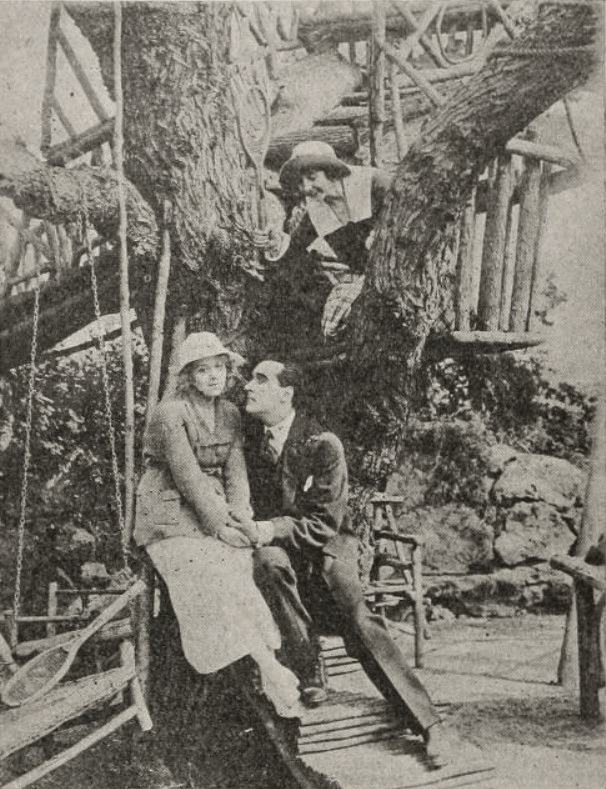
John Gilbert's return brings with it the crushing revelation of Eva's pregnancy. This moment is handled with a delicate yet powerful emotional intensity, capturing the shock, despair, and desperate love between the young couple. Their decision to pursue an abortion, a choice fraught with immense social stigma and legal peril in the early 20th century, is portrayed not as an act of moral depravity but as a desperate bid for survival, an attempt to salvage a future from the wreckage of a brutal past. It underscores the impossible bind women often found themselves in, caught between the shame of an illegitimate pregnancy and the severe consequences of seeking alternative solutions. The film bravely steps into this contentious territory, refusing to offer easy answers or simplistic moralizing.
The narrative takes a sharp, devastating turn when the district attorney, Leo Spencer's brother, uncovers their plan. This character, embodying the rigid hand of the law, becomes an instrument of further injustice. His motivations are complex: a desire to uphold the law, certainly, but also perhaps a desperate effort to maintain his family's reputation and distance himself from his brother's depravity. The subsequent arrest of both John and the doctor is a gut-wrenching moment, a stark illustration of how the system can be wielded against the vulnerable, punishing those who seek to mitigate harm while the true perpetrator often escapes accountability. It's a chilling commentary on the selective application of justice, a theme that resonates deeply when compared to other films of social critique, such as A Pardoned Lifer, which also grappled with the complexities of legal systems and second chances, though from a different angle.
The performances in 'The Curse of Eve' are, for the most part, commendably restrained yet powerfully expressive, a hallmark of the finest silent era acting. Elsie Greeson, as Eva, carries the emotional weight of the film with remarkable grace. Her transformation from an innocent college girl to a woman scarred by trauma and societal condemnation is conveyed through subtle shifts in posture, gaze, and the profound sadness that settles upon her features. She avoids the theatrical excesses sometimes associated with silent film, opting instead for a portrayal that feels deeply human and empathetic. Jack Standing, as John Gilbert, provides a strong, supportive counterpart, his love for Eva palpable, his despair at their predicament genuinely felt. Their chemistry, though unspoken, is a crucial anchor for the audience's emotional investment.
The supporting cast also contributes significantly to the film's impact. Eugenie Besserer, as Eva's mother, embodies the well-meaning but ultimately ineffective societal morality of the time, her initial focus on "wayward girls" becoming a tragic irony as her own daughter falls victim to a far more insidious evil. Arthur Allardt, likely portraying Leo Spencer, delivers a chilling performance as the predatory villain, his casual cruelty a stark contrast to the suffering he inflicts. The district attorney, played by Edward Coxen, is not a mustache-twirling villain but a man trapped by his own rigid adherence to law and public image, making his actions all the more tragic in their impact on Eva and John. The nuanced portrayals elevate the film beyond simple melodrama, imbuing it with a sense of authentic human struggle.
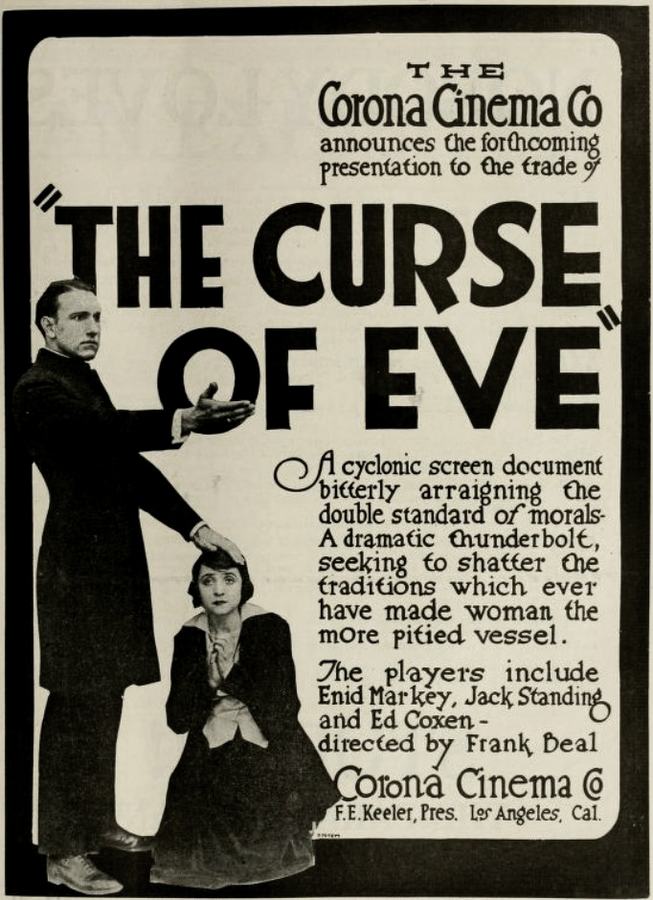
The direction, while not attributed in the provided information, effectively utilizes the visual language of silent cinema to build tension and convey complex themes. The use of intertitles is judicious, providing necessary exposition without bogging down the visual flow. Close-ups are employed strategically to highlight emotional beats, drawing the audience into the characters' internal worlds. The pacing maintains a steady rhythm, allowing the tragic narrative to unfold with a sense of inexorable destiny. While perhaps not as overtly innovative as some of D.W. Griffith's contemporary works, the filmmaking is competent and serves the powerful story admirably, demonstrating a clear understanding of how to use the medium to deliver a potent social message. One might even draw parallels to the earnest storytelling found in films like The Kid, where societal harshness is explored through the lens of individual struggle, though 'The Curse of Eve' delves into a distinctly adult and morally charged landscape.
Beyond its compelling plot, 'The Curse of Eve' is a profound exploration of several enduring themes. Foremost among these is the stark critique of societal hypocrisy. The very society that purports to protect its virtuous women is shown to be complicit in their downfall, either through predatory figures like Leo Spencer or through the unforgiving legal and moral frameworks that punish victims. Eva's mother's work with "wayward girls" becomes a poignant counterpoint to her daughter's plight, revealing the chasm between abstract philanthropy and the harsh realities of individual suffering. The film questions who truly holds the moral high ground and exposes the often-selective nature of judgment, a theme also explored in films like Dämon und Mensch, though with a more overt focus on internal moral conflict.
The film also delves into the precarious position of women in the early 20th century, particularly regarding their reproductive rights and autonomy. The decision for an abortion, while legally perilous, is presented as an act of desperate agency in a world that offers few other options. The subsequent arrest highlights the punitive nature of the legal system, which often criminalized women for choices made under duress or in the face of overwhelming societal pressure. It's a powerful, albeit silent, argument for compassion and understanding, echoing concerns that would continue to fuel feminist movements for decades to come. The film's bravery in tackling such a contentious issue in 1917 cannot be overstated; it was a bold cinematic statement that challenged prevailing norms.
Furthermore, 'The Curse of Eve' subtly critiques class disparity. Leo Spencer's ability to act with impunity, at least initially, is tied to his social standing and his brother's position as district attorney. The film suggests that justice is not blind but often swayed by wealth and influence, a corrosive truth that continues to plague societies. Eva and John, despite their innocence and honorable intentions, are crushed by a system designed to protect the powerful, a sentiment that resonates with the struggles against systemic injustice seen in various forms throughout cinematic history, from early social dramas to contemporary films.
While perhaps not as widely remembered as some of its more famous silent contemporaries, 'The Curse of Eve' stands as a significant piece of cinematic history. It's a testament to the power of early filmmaking to engage with complex social issues, provoke thought, and challenge the status quo. Its daring subject matter and sympathetic portrayal of its protagonist's plight make it an important artifact for understanding the evolving social consciousness of the era and the role cinema played in reflecting—and sometimes shaping—it. The film serves as a powerful reminder that the struggles for bodily autonomy, equitable justice, and genuine compassion are not new, but deeply rooted in human history.
For modern audiences, viewing 'The Curse of Eve' offers a unique window into the moral anxieties and social structures of over a century ago. It invites reflection on how much has changed, and perhaps more soberingly, how much remains stubbornly similar. The film’s unflinching portrayal of female vulnerability, male predation, and legal overreach makes it a compelling watch, not just for cinephiles and historians but for anyone interested in the enduring human drama of justice and injustice. It's a film that asks uncomfortable questions and offers no easy answers, solidifying its place as a powerful, albeit often overlooked, gem of the silent era. Its narrative courage positions it alongside other early films that dared to tackle social ills, such as The Rose of Blood, which similarly explored themes of exploitation and societal hypocrisy, albeit through a different lens of moral ambiguity and melodrama.
IMDb —
1920
Community
Log in to comment.