DbcultAccessing Vault...
7.2/10
Senior Film Conservator
A definitive 7.2/10 rating for a film that redefined the boundaries of cult cinema. Images d'Ostende remains a cornerstone of transgressive art.
If you're having a stressful day and just want to stare at something pretty that doesn't ask anything of you, then yes.
People who need a plot or a fast-talking hero will probably turn this off in about three minutes. 🌊
It’s not really a movie in the way we think of them now, but more like a mood board from a hundred years ago.
I found myself actually breathing slower while watching the waves hit the shore. It’s almost like a meditation app, but with more grainy film stock.
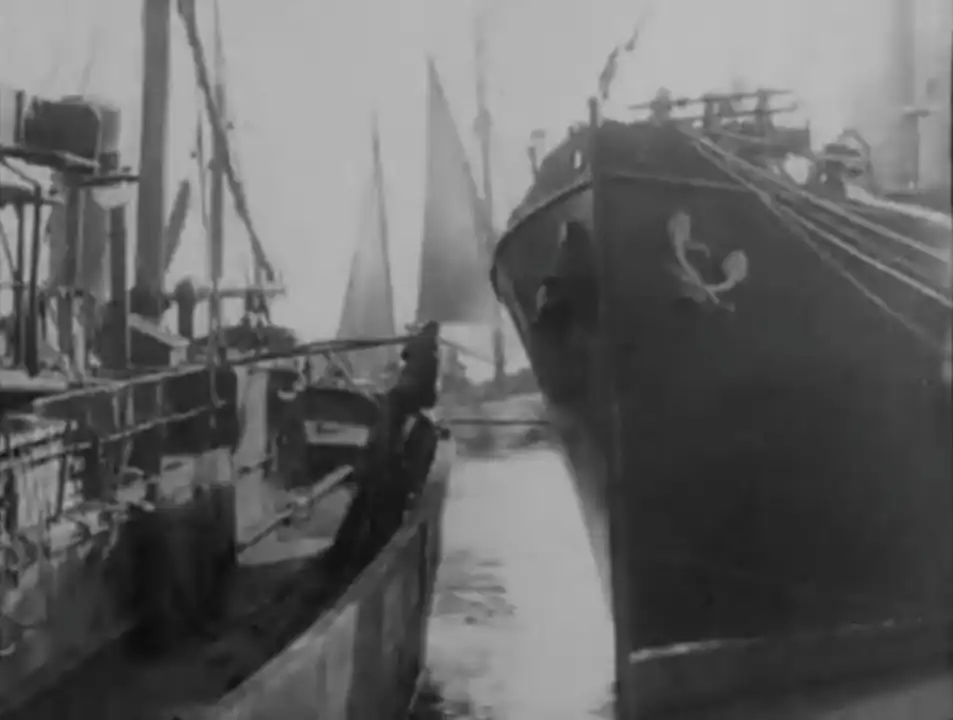
You can tell Henri Storck really loved this place. He doesn't just show the beach; he stares at it until it starts looking like something else entirely.
The water looks... heavy. I don't know how else to put it, but 1920s black-and-white water looks thicker than the water we see today.
There is this one shot of the sand dunes where the wind is blowing the grass, and it goes on for a long time. Like, a really long time.
At first, I was like, "Okay, I get it, it's grass," but then it starts to look like hair or skin. It’s kinda creepy but also beautiful.
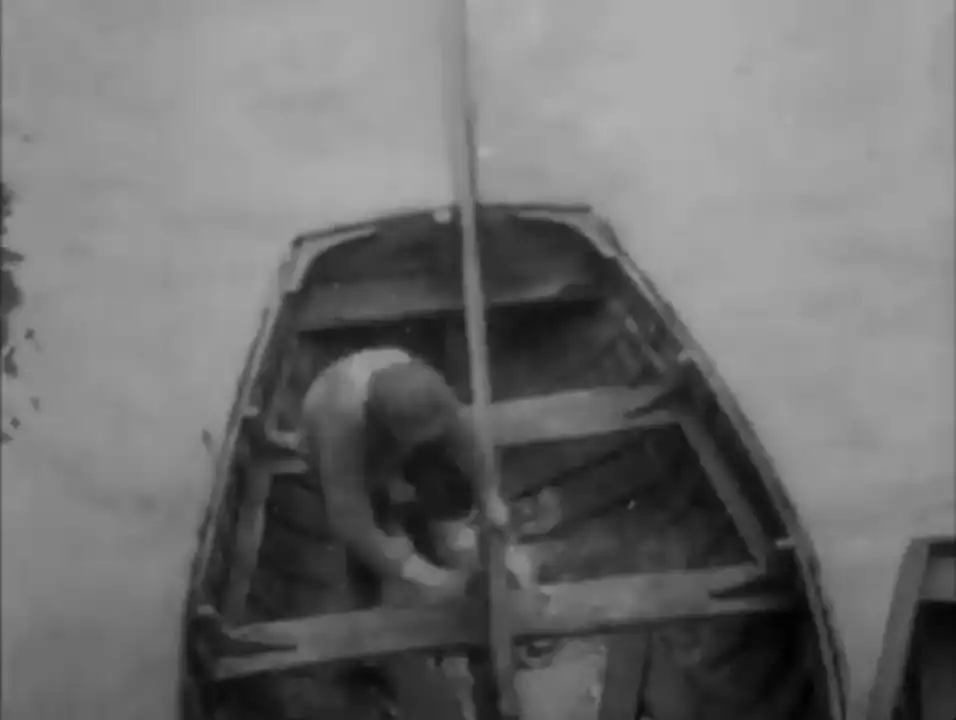
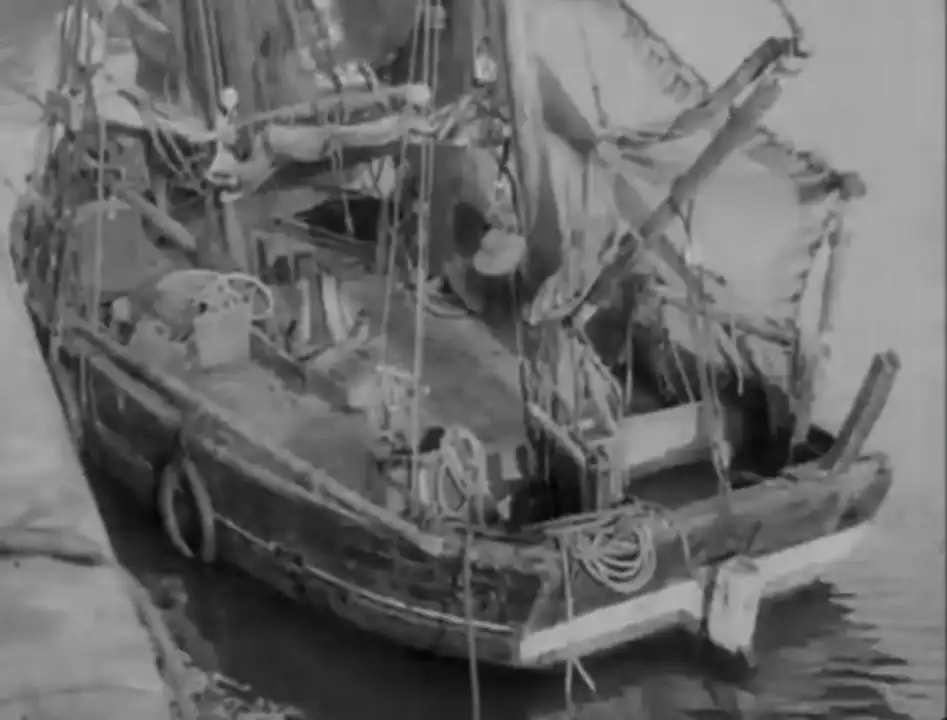
The way he films the harbor is cool too. You see these big, chunky ships and all the ropes and rigging.
It feels very tactile. You can almost smell the fish and the old wood rotting in the sun.
I noticed a few shots where the camera lens gets a bit of glare from the sun. Usually, that’s a mistake, but here it feels like you're actually squinting at the horizon with him.
There’s a segment about the surf that is just... splash, splash, splash. 🚤
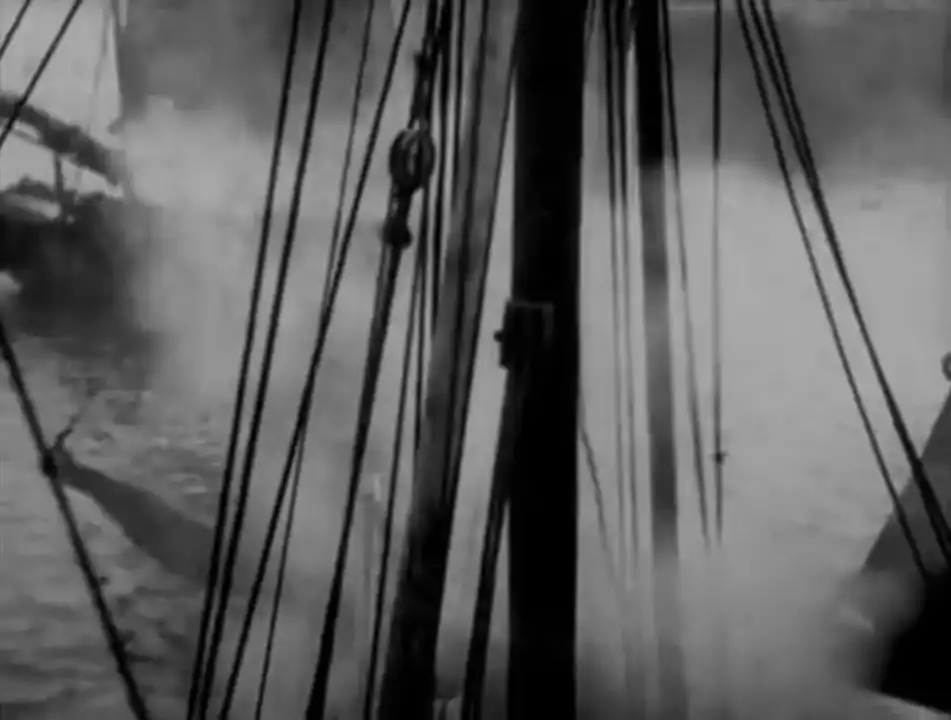
It’s rhythmic and repetitive. It reminded me a little bit of the pacing in Heebee Jeebees, even though that’s a totally different kind of film.
One thing that caught me off guard was how empty everything looked. There are moments where the beach is just vast and lonely.
Unlike At the Ringside, where everything is about the crowd and the noise, this is about the silence of nature.
The movie is split into eight parts, but they all kind of bleed together in my head. I liked the parts with the wind the most.
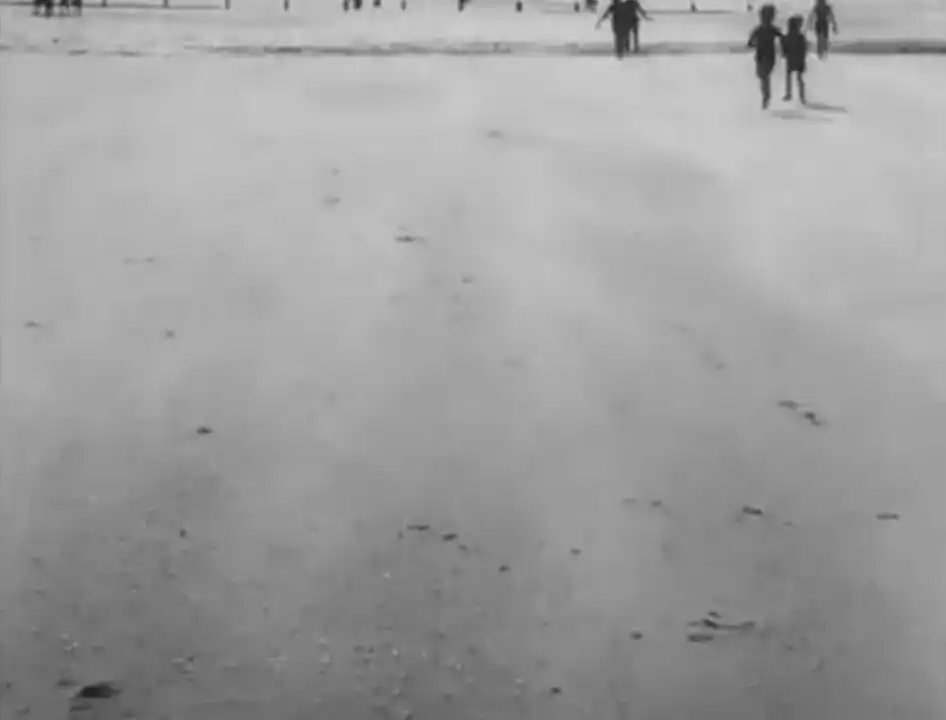
The way Storck captures the movement of the air through the sand is incredible. You can’t see wind, but he somehow makes it the main character.
I did find my mind wandering during some of the harbor scenes. The boats are neat, but after the fifth one, I was ready to go back to the dunes.
It has that avant-garde energy where the director is trying to find the "soul" of an object. Sometimes he finds it, sometimes it's just a picture of a boat engine.
It’s way more interesting than something like The Masks of the Devil because it isn't trying to be a big drama. It just is.
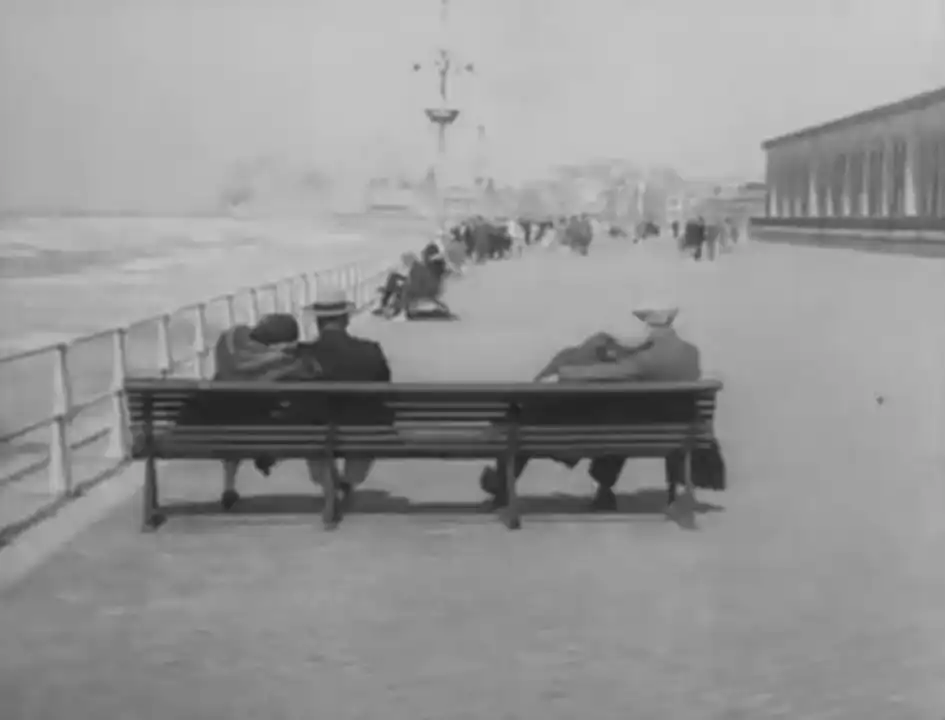
There is no music in the version I saw, which made the experience even more intense. You just hear the internal hum of your own brain while looking at the foam.
I think I saw a tiny speck of dust on the film at one point that looked like a bird. I spent two minutes trying to figure out if it was a seagull or just a dirty negative.
That’s the kind of movie this is. It makes you pay attention to the small, dumb stuff.
If you're looking for something with a story, go watch The Cabaret instead. This isn't that.
But if you want to see what a genius can do with a camera and a pile of sand, give this a look. 🏖️
It's short enough that even if you hate it, you haven't lost your whole evening. But you probably won't hate it.
You might just feel a bit sleepy and very, very calm. Which isn't a bad thing these days.
One shot of a lighthouse lingers so long I actually forgot I was watching a screen. It felt like a window.
Storck really knew how to make the ordinary look like a dream. Highly recommended for the quiet types.
IMDb 6
1931
Community
Log in to comment.