DbcultAccessing Vault...
Cult Review
Senior Film Conservator
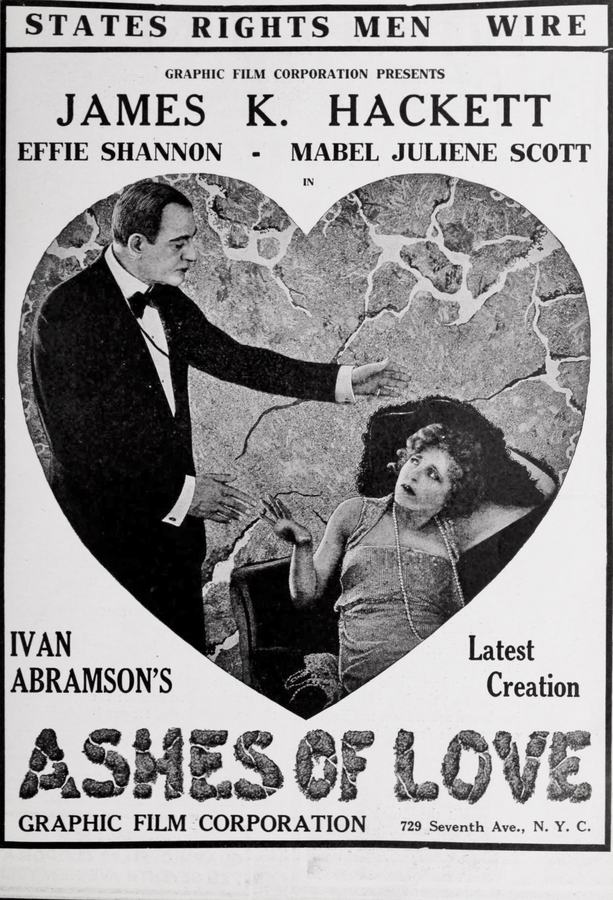
Ah, the silent era! A time when emotions were writ large on the screen, conveyed through exaggerated gestures, expressive glances, and the evocative power of intertitles. And among the myriad melodramas that graced the silver screen, Ivan Abramson’s 1918 production, 'Ashes of Love,' stands as a potent, if somewhat forgotten, testament to the enduring human struggles of fidelity, sacrifice, and the often-unforgiving hand of fate. It's a film that, even a century later, manages to pull at the heartstrings, offering a stark reminder that the complexities of the human heart are, indeed, timeless. While we might not have the sweeping orchestral scores of later eras, the sheer narrative force and the raw performances from its cast, including Mabel Julienne Scott and Rubye De Remer, speak volumes, transcending the quiet hum of the projector.
The narrative unfurls with Ethel Mordyke, portrayed with a delicate blend of vulnerability and resolve, facing a predicament all too common for women of her time: the economic imperative. Her widowed mother, Louise, depends on her, and to secure their future, Ethel makes a choice that, on the surface, appears pragmatic yet inwardly compromises her spirit. She weds Arthur Woodridge, a man of considerable means and philanthropic spirit, but also significantly older. This arrangement, a classic trope explored in countless silent dramas, immediately establishes a simmering tension. It’s a marriage born of duty rather than fervent passion, a foundation laid with good intentions but lacking the vital spark of true romantic connection. One can almost hear the unspoken sighs and the heavy weight of expectation that settles upon Ethel’s shoulders.
This setup immediately brings to mind other silent films that grappled with similar themes of societal pressure and marital compromise. Think of the internal battles faced by characters in films like The Ordeal of Elizabeth, where a woman’s choices are similarly constrained by circumstances beyond her control. While Ethel’s husband, Arthur, is depicted as a good man, his age difference and Ethel’s previous attachment create a fertile ground for emotional infidelity. It's a poignant exploration of how even the most well-meaning unions can be undermined when the heart yearns elsewhere. The film masterfully uses the unspoken language of the silent screen to convey Ethel’s internal conflict, a subtle shift in her gaze, a fleeting moment of melancholy that hints at the suppressed desires beneath her composed exterior.
The stage is thus set for the re-emergence of Howard Rosedale, the husband of Ethel’s cousin Helen, and, crucially, Ethel's former flame. This resumption of their affair is not merely a lapse in judgment; it’s a desperate grasp at a happiness Ethel believes she forfeited. The film doesn't necessarily demonize Ethel, but rather places her in a morally ambiguous space, a victim of circumstance and her own heart’s yearning. The illicit nature of their rendezvous, away from prying eyes, heightens the drama. It’s a dangerous game, played with high stakes, and the audience is left to witness the inevitable unraveling. The tension builds with each furtive glance and stolen moment, a ticking clock counting down to exposure.
Rubye De Remer, as Helen, plays the role of the wronged cousin with a simmering intensity. Her suspicions, fueled by intuition and perhaps the subtle shifts in her husband’s demeanor, lead her down the path of hiring a detective – a classic plot device in melodramas of the era. The scene at the roadhouse, where the lovers are discovered, must have been a truly shocking moment for audiences of the time. The abruptness of the revelation, the shame, and the sudden flight into a storm-ravaged night serve as a powerful metaphor for the chaos and destruction their secret affair has wrought. The visual storytelling of the silent era shines here, as the external tempest mirrors Ethel’s internal turmoil, leading to a tragic, almost poetic, climax.
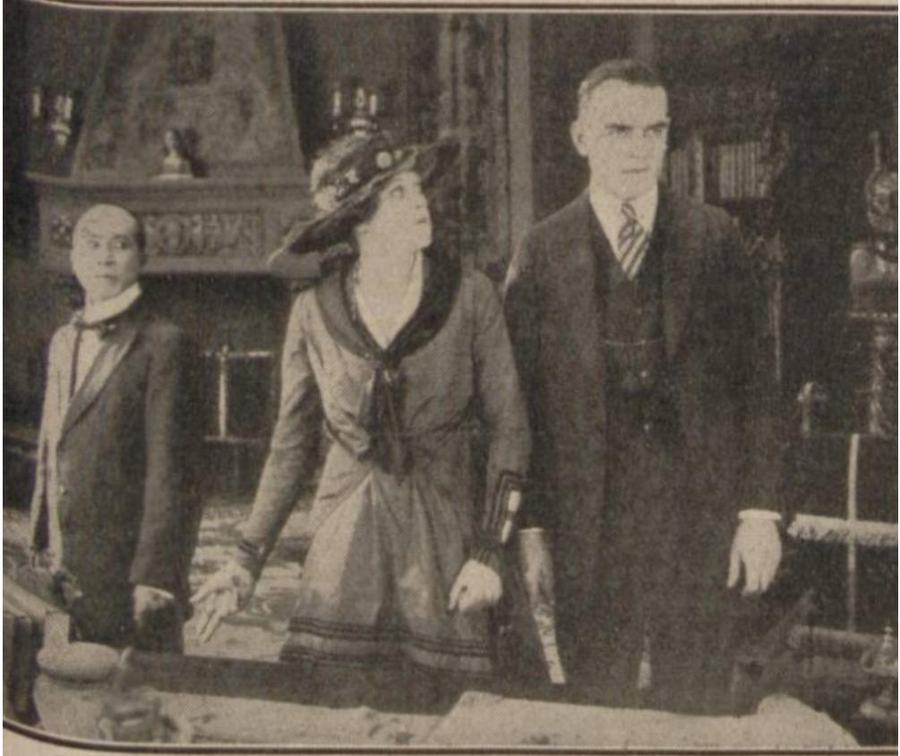
Ethel’s flight from the roadhouse into the heart of a thunderstorm is not just a dramatic exit; it’s a direct catalyst for her demise. Contracting pneumonia, she dies, unconfessed yet repentant. This element of unconfessed sin, a heavy burden for a character in a film of this period, adds another layer of tragic poignancy. Her death is not merely a consequence of her actions, but a dramatic, almost divine, retribution that leaves a profound ripple effect on those she leaves behind. It's a powerful statement on the moral codes prevalent at the time, where such transgressions often led to dire, sometimes fatal, outcomes for the female protagonist. This kind of moralistic ending was not uncommon, seen in films where characters faced the severe repercussions of their choices, underscoring the era's social fabric.
Arthur Woodridge, played by William Bechtel, is then plunged into an abyss of grief. His sorrow is so profound, so utterly consuming, that it verges on madness. The film portrays his descent into despair with a stark realism, highlighting the devastating impact of betrayal on an unsuspecting heart. Louise, Ethel’s mother, witnessing Arthur’s spiraling mental state and fearing for his life, makes the agonizing decision to reveal the truth about Ethel’s infidelity. This moment is a true dramatic fulcrum, a desperate act born of love and fear. Arthur’s initial reaction—incredulity, denouncement—is entirely understandable. The idealized image of his wife shatters, replaced by a painful reality he struggles to comprehend. It's a scene that demands a powerful performance, relying on the actors' ability to convey profound shock and disbelief without spoken dialogue, a true test of silent acting prowess.
The narrative, however, doesn't allow Arthur to linger in his disbelief. The sudden death of Howard Rosedale, the other party in the affair, adds another layer of unexpected tragedy and provides the grim confirmation Arthur needs. Helen, now a widow herself, is compelled to corroborate Louise’s story, leaving no room for doubt. This sequence of events, while perhaps feeling a touch melodramatic to modern sensibilities, was a hallmark of the silent era, designed to maximize emotional impact and provide clear moral lessons. The cascading tragedies force the characters to confront uncomfortable truths and rebuild their lives from the ruins of their past.
What follows is a testament to the human capacity for resilience and the unexpected turns life can take. From the ashes of their shared grief and betrayal, Louise and Arthur find an unlikely solace in each other, eventually marrying. This union, born out of shared sorrow and a mutual understanding of the profound pain inflicted by Ethel’s choices, offers a quiet redemption. It’s not a passionate romance, but rather a mature companionship forged in the crucible of shared experience. Similarly, Helen, having endured her own profound loss and the bitter taste of betrayal, finds a path forward, marrying an old friend. These resolutions, while perhaps a touch too neat for contemporary tastes, provided a comforting sense of closure for audiences of the time, suggesting that even after immense suffering, life, in some form, continues.
Ivan Abramson, the writer behind 'Ashes of Love,' was known for his melodramatic narratives that often explored moral dilemmas and societal taboos. While some critics might dismiss his work as overly sensational, there's an undeniable power in his storytelling, particularly in its ability to tap into universal human emotions. The film, like many of its contemporaries such as The Hypocrites or even Barranca trágica in its exploration of intense human drama, functions as a moral fable, warning against the dangers of forbidden love and the corrosive power of deceit. Yet, it also offers a glimmer of hope, suggesting that even after immense loss, healing and new beginnings are possible. The pacing, typical of the era, allows for the emotional beats to land with maximum impact, giving the audience time to absorb the unfolding tragedy and its repercussions.
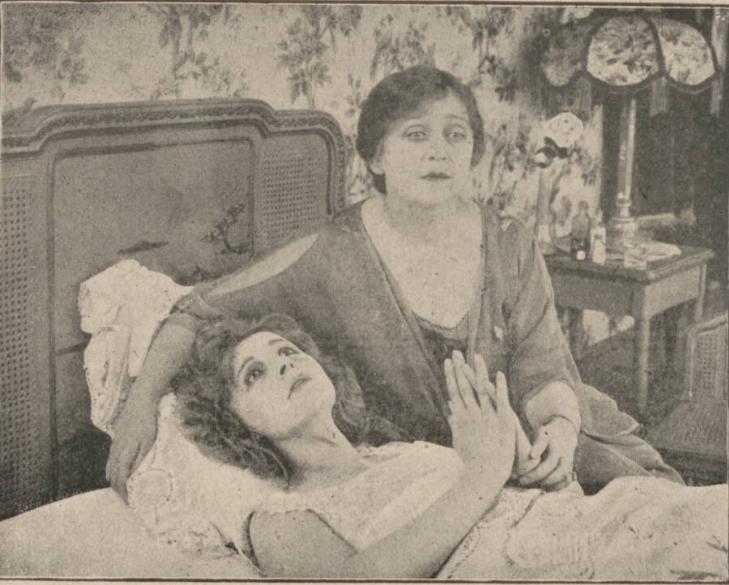
The cast, though their performances might seem broad by today’s standards, were masters of their craft in conveying emotion without dialogue. Mabel Julienne Scott, as Ethel, carries the weight of her character’s internal struggle with grace, while William Bechtel’s portrayal of Arthur’s grief is genuinely affecting. The visual language of the film, through its set design, costumes, and the subtle interplay of light and shadow, would have further enhanced the dramatic atmosphere. Silent films, often underestimated, truly excelled at creating immersive emotional landscapes, and 'Ashes of Love' is no exception. It leverages every tool at its disposal to draw the viewer into its world of forbidden desires and tragic consequences.
While 'Ashes of Love' might not possess the grand scale or revolutionary techniques of some of its more celebrated silent counterparts, its narrative resonance remains. It speaks to the eternal questions of duty versus desire, the devastating power of secrets, and the arduous journey towards forgiveness and reconciliation. The film serves as a valuable historical document, offering insight into the moral complexities and societal anxieties of the early 20th century. It reminds us that while the outward expressions of love and loss may change with each passing generation, the fundamental human experiences endure.
For those interested in the evolution of cinematic storytelling, or simply in a compelling human drama, 'Ashes of Love' is a worthwhile exploration. It’s a film that, despite its age and the absence of spoken words, communicates profoundly through its meticulously crafted plot and the emotive power of its performers. It asks us to consider the choices we make, the prices we pay, and the enduring capacity of the human spirit to find a new dawn, even after the most devastating night. Its legacy lies not just in its plot points, but in its ability to provoke thought about the intricate dance between personal desire and societal expectation, a dance that continues to play out in our lives even today.
The film’s ending, with new marriages forming, particularly that of Louise and Arthur, offers a nuanced perspective on 'happily ever after.' It's not a fairy tale ending, but rather a pragmatic one, born of necessity and shared trauma. This kind of resolution, more akin to the complexities of real life, adds a layer of depth often overlooked in simpler melodramas. It suggests that companionship and understanding can blossom from the most unexpected circumstances, and that love, in its various forms, can provide solace and stability after profound heartbreak. This makes 'Ashes of Love' more than just a tale of infidelity; it's a narrative about rebuilding, about finding strength in shared vulnerability, and about the quiet resilience of the human spirit. It's a film that, in its own silent way, speaks volumes about the enduring nature of love, loss, and the eternal quest for peace.
Indeed, the film's title, 'Ashes of Love,' perfectly encapsulates its essence. It's about what remains after passion has burned fiercely and then withered, leaving behind not just destruction, but also the fertile ground for something new to grow. It's a somber yet ultimately hopeful reflection on the cyclical nature of life, where endings pave the way for new beginnings, and where even the deepest wounds can, eventually, begin to heal. The film invites us to reflect on the moral compass of its characters, their motivations, and the ripple effects of their decisions, making it a compelling piece of cinematic history that continues to resonate with contemporary audiences.

IMDb 7.2
1935
Community
Log in to comment.