DbcultAccessing Vault...
5.2/10
Senior Film Conservator
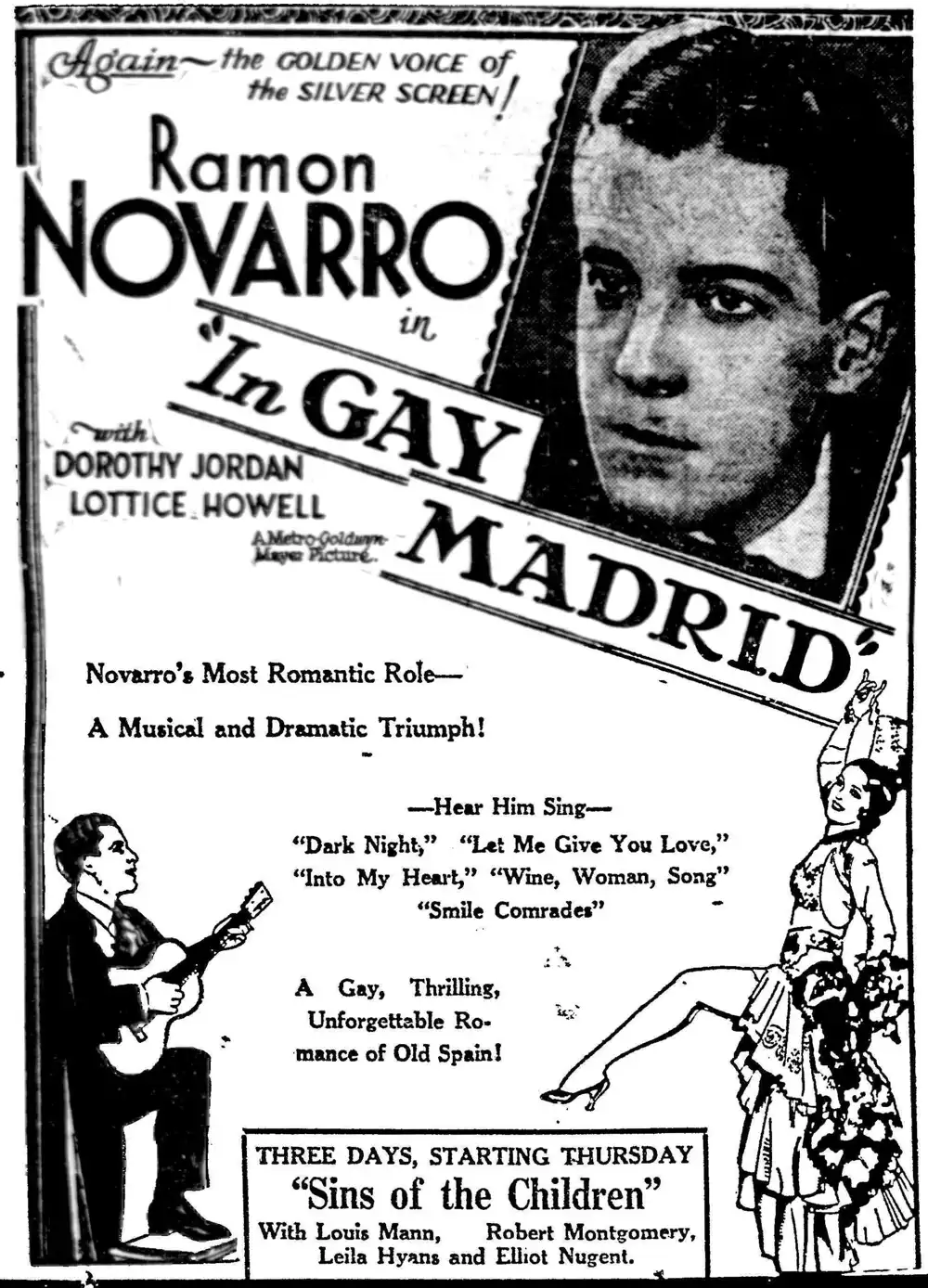
A definitive 5.2/10 rating for a film that redefined the boundaries of cult cinema. In Gay Madrid remains a cornerstone of transgressive art.
Alright, so In Gay Madrid. Is it worth tracking down today? Well, if you’re a silent film enthusiast or someone who really digs into pre-Code melodramas, then yeah, maybe. For everyone else, especially those who need a brisk pace or subtle acting, you’re probably gonna struggle. It’s a definite period piece, and it feels like it.
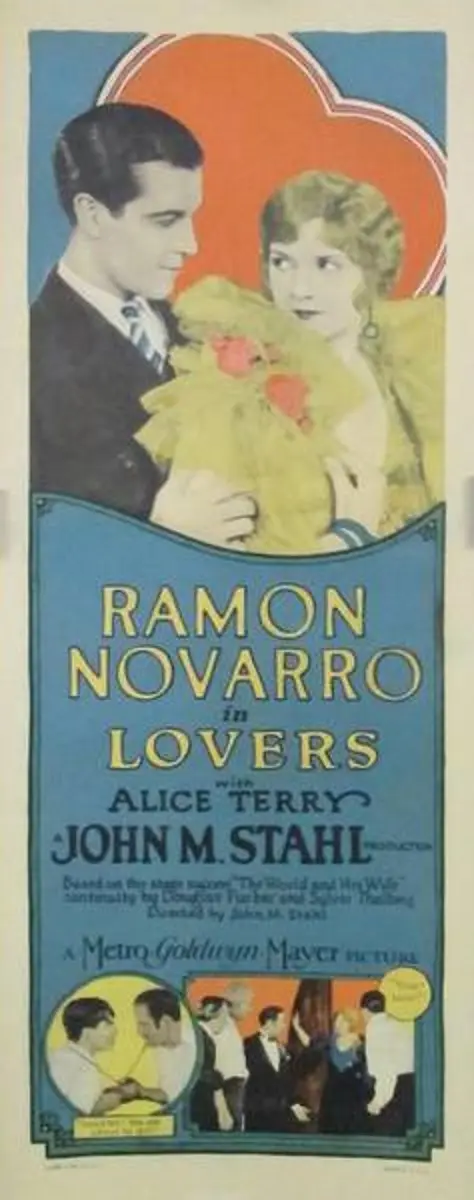
The film starts with Ricardo (Ramon Novarro), a law student who seems more interested in, well, everything but law. He’s all smiles, dances, and serenades. The title, in its original meaning, really shines here – it’s a very gay, cheerful Madrid. Novarro just embodies this youthful exuberance, almost a bit much sometimes, like he’s got a secret sugar rush.
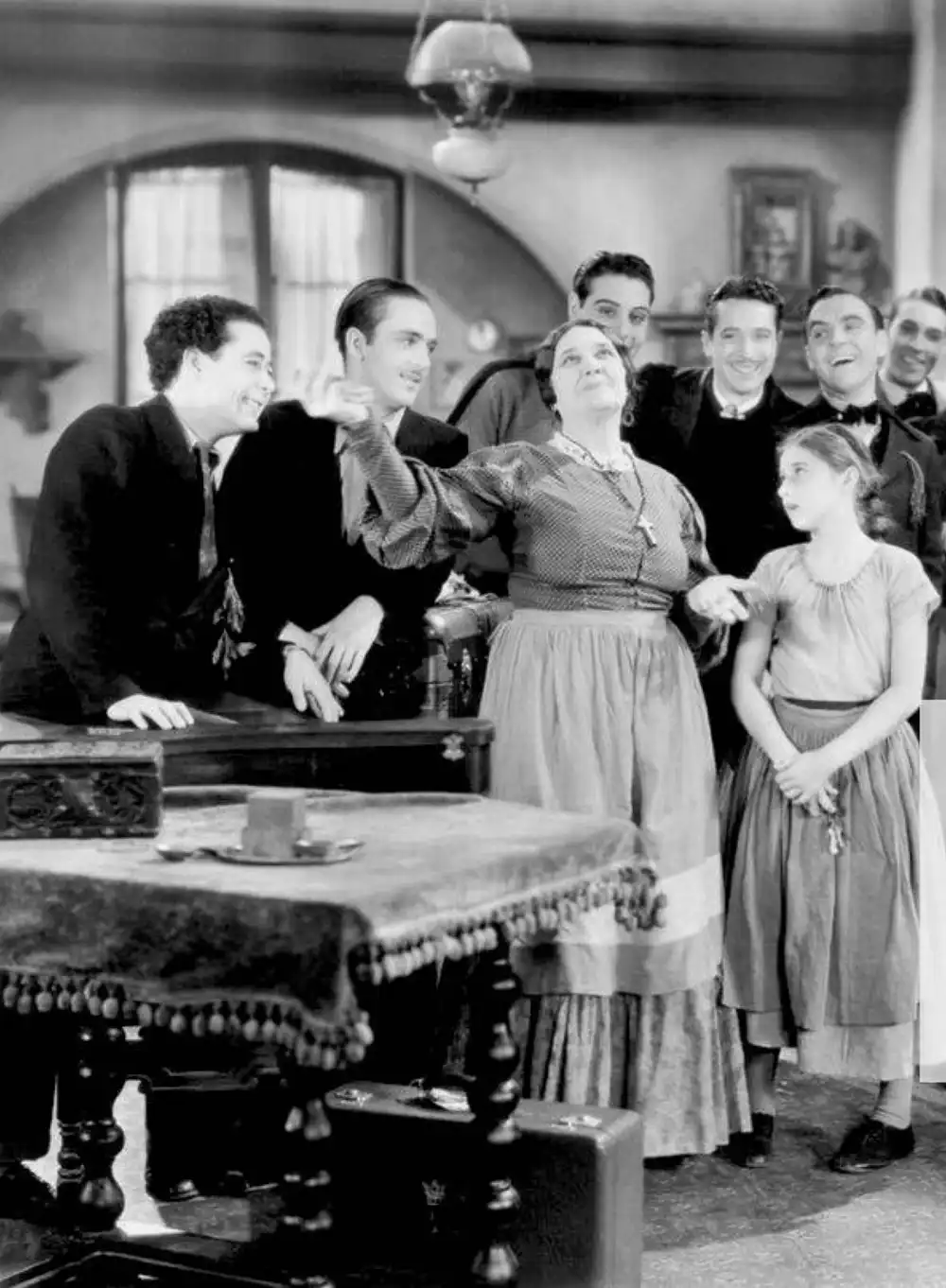
His father, bless him, tries to get Ricardo to buckle down. Sends him off to Santiago, hoping a change of scenery will make him serious. But Ricardo, oh Ricardo, he just finds new ways to be himself. Joining a fraternity, flirting with Carmina (Dorothy Jordan), his guardian’s daughter. The guy’s a magnet for attention, it seems.
Those scenes in Santiago, they’re meant to be a contrast, I think, but Ricardo just makes it his own playground. There’s a moment when he’s serenading Carmina, and it just goes on. You can almost feel the movie trying to convince you this moment matters deeply, but you’re mostly just watching Novarro really commit to that guitar.
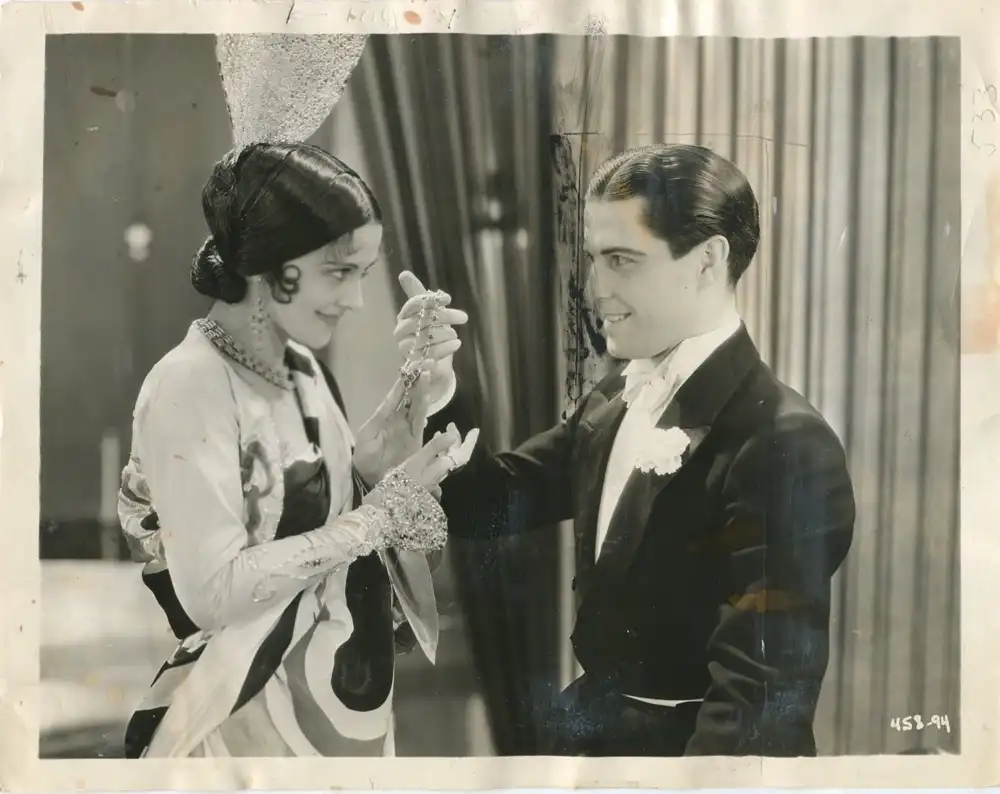
Then Goyita (Lottice Howell) shows up. Boom. Everything shifts. She’s his old girlfriend, and suddenly Ricardo’s carefree world gets a serious jolt. The movie doesn't waste much time with the quiet buildup here. Goyita just appears, and the tension is pretty immediate. Like someone threw a bucket of cold water on the party. 😬
The whole vibe changes once Goyita is in the picture. Ricardo, who was so charmingly oblivious, now has to deal with actual consequences. It’s where the film tries to dig into some emotional stakes, though sometimes it feels a little forced. Like the actors are hitting their marks for 'sad' or 'conflicted' rather than truly feeling it.
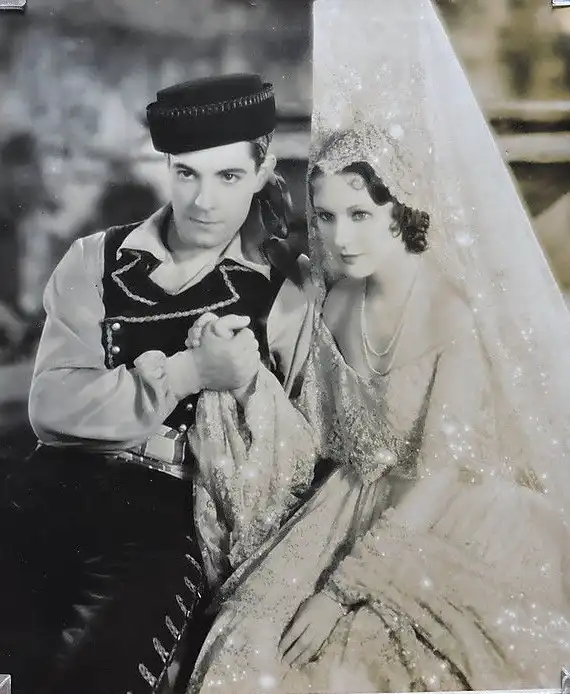
I remember one shot, it lingers on Carmina’s face after she finds out about Goyita. She’s not crying, not outwardly dramatic, just… stunned. It’s a small thing, but that silence felt heavier than any shouted argument might have been. It’s easy to overlook those quieter beats when so much else is a bit over-the-top.
Novarro, he’s definitely the star here. He carries a lot of the movie with his charisma, even when the plot gets a bit tangled. You believe he could charm anyone, even if his character sometimes makes choices that make you wanna shake him a little. He has this way of looking off into the middle distance when he's supposed to be thinking deep thoughts, and it’s kinda endearing, actually.
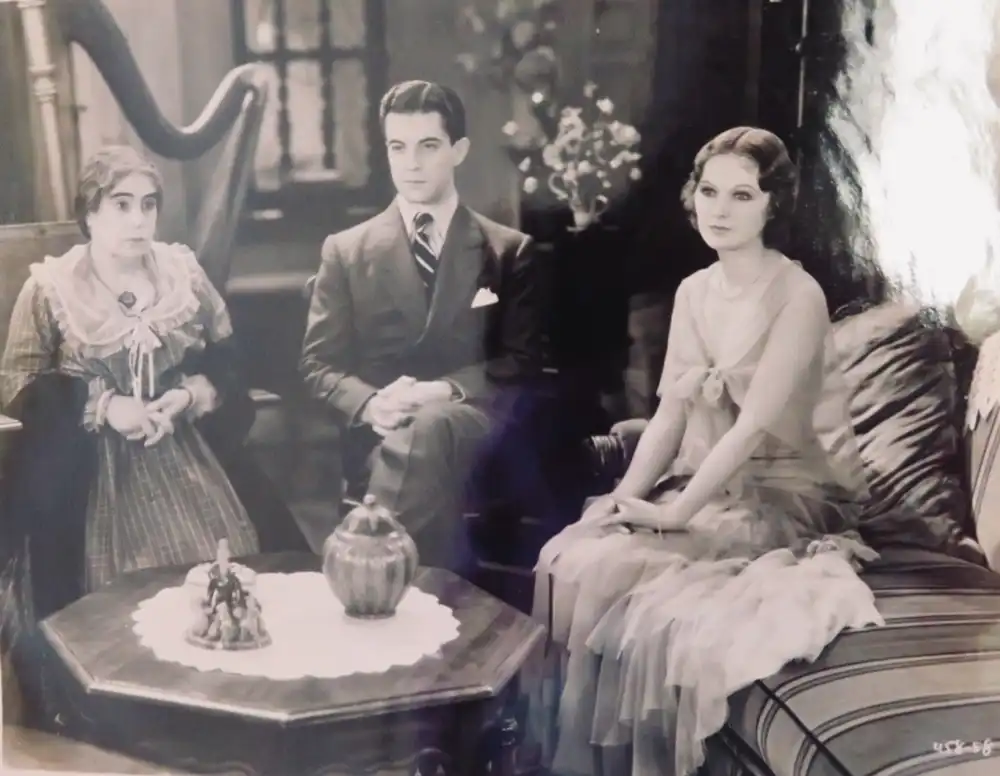
Some of the dialogue, it’s a bit stiff, reflecting the early talkie era. You get these pronouncements about love and duty that feel lifted straight from a stage play. But then there’s a flicker of something real, a quick glance between characters, that cuts through the formal talk. Those are the bits that stay with you.
The ending, without giving anything away, wraps things up in a way that’s satisfying for the era, but maybe a little too neat for modern tastes. It feels like the film needed to put a tidy bow on a very messy situation. You can almost hear the moralizing tone trying to settle in.

Ultimately, In Gay Madrid is a curious watch. It’s not The Gate Crasher in terms of sheer spectacle, nor does it have the subtle emotional depth of, say, Life's Greatest Question. It’s a melodrama, pure and simple, and it delivers on that front, sometimes with a heavy hand, sometimes with a surprising moment of quiet.
IMDb —
1918
Community
Log in to comment.