DbcultAccessing Vault...
Cult Review
Senior Film Conservator
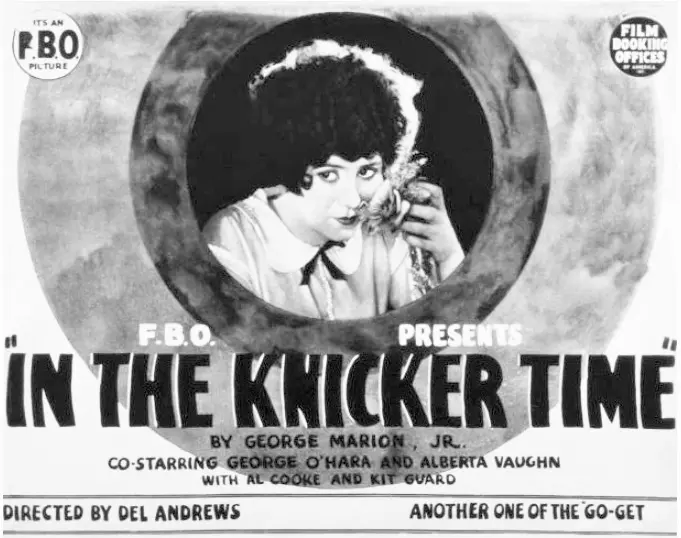
In the Knicker Time is a 1922 American silent film that masterfully encapsulates the essence of 1920s socialite life. Directed by George Marion Jr., this film stars George O'Hara, Stanley Taylor, Kit Guard, Al Cooke, and Alberta Vaughn. The plot revolves around George O'Hara, a charming but morally ambiguous figure who finds himself entangled in a web of social expectations, romantic complications, and personal integrity.
George O'Hara, played with nuanced depth by George O'Hara, is a man of his time, yet his character is so complex that viewers cannot help but feel a mix of admiration and disapproval. His journey through the film is a poignant exploration of the moral and social boundaries of the era. The supporting cast, including Stanley Taylor and Kit Guard, brings a sense of authenticity to the narrative, making the world of 1920s high society feel vivid and alive.
The film's screenplay, penned by George Marion Jr., is a remarkable achievement in its ability to capture the subtleties of a bygone era. The dialogue is rich with period-specific language and social etiquette, which adds a layer of authenticity to the story. The narrative structure is tightly woven, with each scene building upon the last to create a cohesive and compelling story. The film's pacing is deliberate, allowing the audience to fully immerse themselves in the world it creates.
The cinematography is a standout feature of In the Knicker Time. The use of lighting and camera angles effectively captures the opulence and grandeur of the social events portrayed in the film. The sequences set in grand ballrooms and lavish homes are particularly striking, with the vibrant colors and detailed set designs contributing to the overall atmosphere of the film. The film's attention to detail in these scenes is a testament to the craftsmanship of the production team.
The soundtrack, while silent, is complemented by the visual elements to create a complete sensory experience. The film's editing is seamless, with transitions that flow naturally and enhance the narrative. The film's use of cross-cutting and parallel editing effectively builds tension and foreshadows future events, contributing to the overall drama of the story.
The performances of the cast, particularly George O'Hara, are commendable. His portrayal of a man caught between societal expectations and personal desires is both captivating and nuanced. The chemistry between the characters is palpable, with interactions that feel genuine and authentic. The supporting characters, while not as central to the plot, are well-developed and add depth to the narrative, enriching the overall experience.
Comparing In the Knicker Time to other films of the era, such as The Victory of Virtue and The Summer Girl, it stands out for its nuanced exploration of character and its ability to capture the essence of its time. While these films also delve into the dynamics of 1920s society, In the Knicker Time takes a more introspective approach, focusing on the internal struggles of its characters rather than external conflicts.
The film's exploration of themes such as love, reputation, and class is particularly relevant today, as it challenges viewers to reflect on the moral and social issues of our own time. The film's handling of these themes is both sophisticated and thought-provoking, making it a must-watch for anyone interested in the history of cinema and the social issues of the early 20th century.
The conclusion of In the Knicker Time is both satisfying and open-ended, with the characters' fates left to the imagination of the audience. The film's resolution is a testament to its ability to create a sense of closure while leaving room for interpretation. The final scenes, set against the backdrop of a grand ball, are particularly moving, with a bittersweet sense of nostalgia that lingers long after the credits roll.
Overall, In the Knicker Time is a remarkable film that captures the essence of 1920s socialite life with nuance and sophistication. Its performances, cinematography, and narrative structure make it a standout piece of early cinema. For fans of period dramas and those interested in the evolution of film, this is a film that should not be missed.

IMDb 4.8
1935
Community
Log in to comment.