DbcultAccessing Vault...
Cult Review
Senior Film Conservator
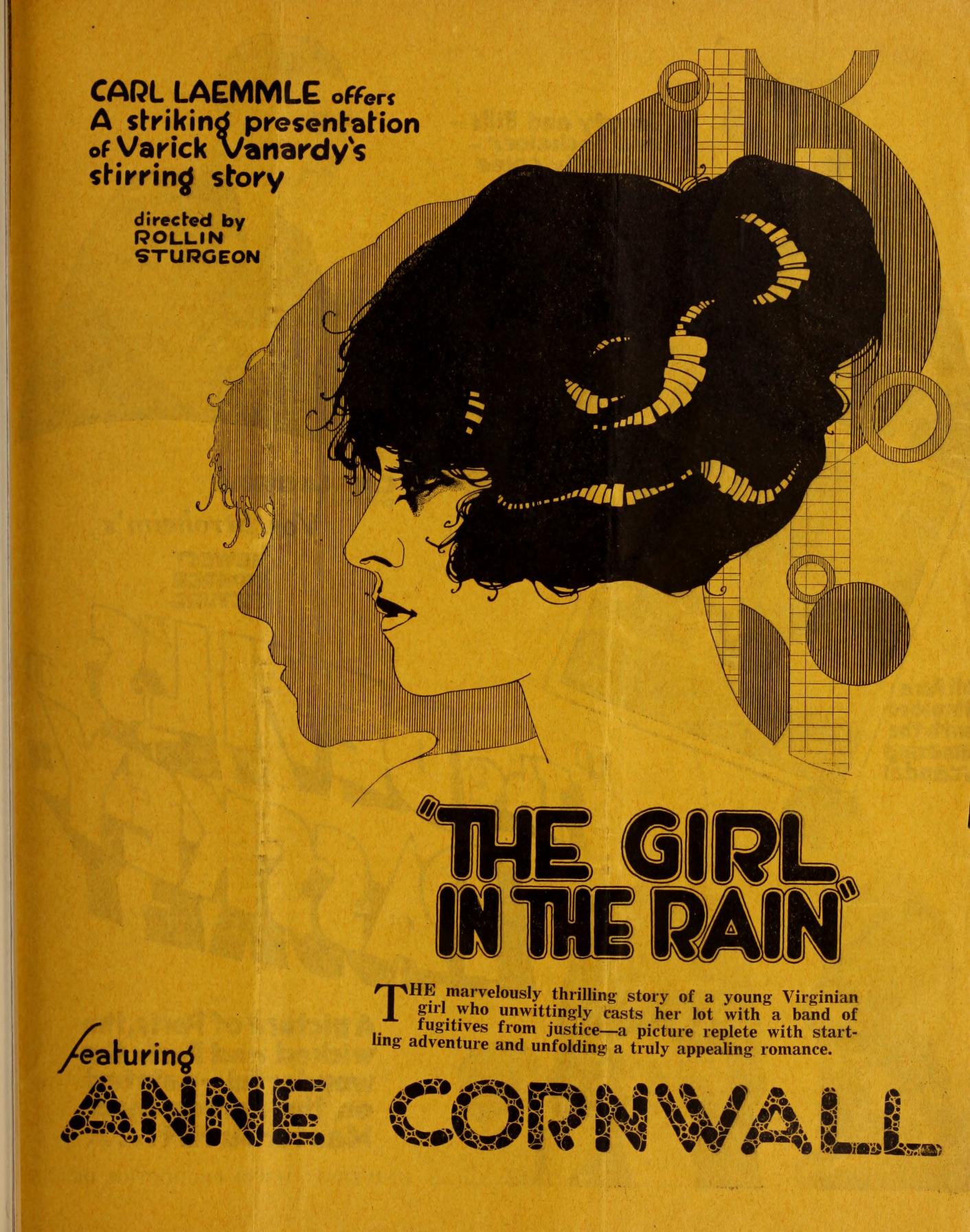
The silver screen of 1920 brought forth a compelling narrative in The Girl in the Rain, a cinematic endeavor that masterfully weaves together threads of romance, suspense, and familial loyalty against a backdrop of moral ambiguity. This silent film, a testament to the storytelling prowess of its era, plunges us into a world where a family's desperate act ignites a chain of events, ultimately leading to unforeseen love and a reckoning with justice. From its opening frames, the film establishes a palpable tension, hinting at secrets and impending discovery, drawing the viewer into a intricate dance of fate and human will.
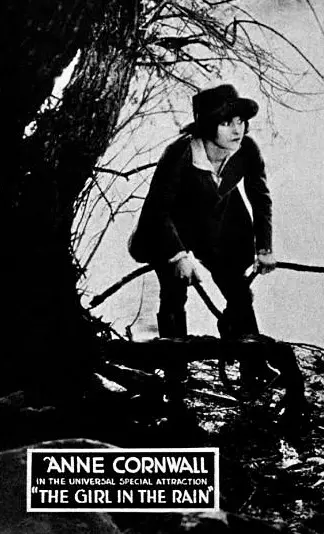
At the heart of this unfolding drama is Judith, portrayed with compelling nuance by Anne Cornwall. Her character is not merely a damsel in distress, but a woman of formidable spirit, caught between an unwavering loyalty to her family and the burgeoning desires of her own heart. Cornwall imbues Judith with an expressive physicality common to silent film acting, yet she transcends mere histrionics, conveying a profound inner turmoil through subtle glances and determined postures. We witness her transformation from a complicit accessory to a resourceful orchestrator of escape, a testament to her innate strength. Her decision to aid Walter and Vera, despite the profound risks, speaks volumes about the unbreakable bonds of kinship, a theme explored with similar intensity in films like Paid in Full, where characters grapple with the moral weight of their family's transgressions. Judith's journey is one of self-discovery under duress, forcing her to confront the true cost of her choices and the depth of her own courage.
The initial equestrian scene, seemingly a moment of respite, quickly becomes a pivotal plot device, isolating Judith from her companions and setting the stage for her fateful encounter. This narrative choice not only heightens the dramatic irony but also allows for a more intimate exploration of Judith's character away from the immediate shadow of her family's crime. Her subsequent accident, exacerbated by the raging storm, serves as a metaphorical cleansing, stripping away her defenses and preparing her for the profound connection she will forge. Cornwall's portrayal of vulnerability during this period is particularly poignant, making her subsequent acts of defiance and resilience even more impactful. She is a woman defined not by her circumstances, but by her unwavering spirit in the face of adversity, a characteristic that resonates deeply with audiences even today.
The arrival of Boone Pendleton, portrayed by the earnest Lloyd Bacon, introduces the film's central romantic arc. Their encounter, born from peril and necessity, is imbued with a classic cinematic charm. Boone, the archetypal strong, silent rescuer, offers Judith not just physical safety but a sanctuary from her troubled world. The storm, which initially threatens their lives, paradoxically isolates them in Boone's rustic cabin, fostering an environment where their connection can blossom without external pressures. This forced intimacy, a narrative staple, is handled with a delicate touch, allowing their affections to develop organically through shared glances and unspoken understandings, a hallmark of silent film romance. Bacon conveys Boone's integrity and burgeoning affection through his earnest gaze and protective gestures, creating a character that is both heroic and deeply human.
The impassable river acts as a symbolic barrier, not just to their physical escape but to Judith's ability to fully embrace her feelings. Her refusal of Boone's marriage proposal, born from the weight of her secret and the perceived impossibility of a clean slate, is a moment of profound emotional conflict. It underscores the film's exploration of how past actions can haunt and shape present choices, even when a future of happiness seems within reach. This heartbreaking decision highlights Judith's self-sacrificial nature, prioritizing what she believes is right for Boone over her own desires. The chemistry between Cornwall and Bacon, though conveyed without dialogue, is palpable, making Judith's internal struggle all the more agonizing for the viewer. Their romance, while idyllic in its cabin setting, is forever shadowed by the harsh realities awaiting them, lending it a bittersweet quality that elevates it beyond mere escapism.
The narrative's true complexity emerges with the revelation of the family dynamics: Judith as Walter's sister and Vera as his wife. This twist recontextualizes their earlier actions, transforming a simple criminal pursuit into a deeply personal drama of familial devotion. Walter's bond theft, described as a 'first offense,' positions him not as a hardened criminal but as a man driven to desperation, perhaps by unforeseen circumstances. This nuance invites a degree of empathy, allowing the audience to understand, if not condone, Judith and Vera's complicity. Their efforts to help him escape punishment are not born of malice but of a profound, albeit misguided, sense of loyalty. This theme of family ties influencing criminal acts and subsequent attempts at redemption finds echoes in other silent era films, where the societal pressures and economic hardships often pushed individuals to desperate measures. The film subtly critiques the rigidity of justice, suggesting that not all transgressions fit neatly into black-and-white categories.
The series of escapes and recaptures, from the initial hotel arrest to the jailbreak and the final confrontation at Walter's country estate, are executed with a brisk pace that keeps the audience engaged. These sequences, while action-oriented, never overshadow the emotional core of the story. The uncredited director skillfully uses visual cues and intercutting to build suspense, a technique refined in many contemporary thrillers such as Wolves of Kultur or Mr. Barnes of New York, albeit with a different focus. The climax at the estate, where the detectives finally intercept them, is less about a violent confrontation and more about the emotional denouement, as the truth is laid bare. The resolution, with Walter returning the bonds and charges being dropped, offers a surprisingly merciful outcome, suggesting a belief in rehabilitation and the power of atonement, a stark contrast to the often unforgiving justice depicted in films like Dommens dag or ...der Übel größtes aber ist die Schuld, which often explored the more punitive aspects of legal systems.
Despite the constraints of early silent cinema, The Girl in the Rain demonstrates a commendable level of cinematic craftsmanship. The pacing, crucial for maintaining audience engagement without spoken dialogue, is expertly managed, oscillating between moments of quiet introspection and exhilarating action. The storm sequence, in particular, is a highlight, utilizing dramatic lighting and practical effects to convey both the ferocity of nature and the internal turmoil of its characters. The use of natural landscapes, from the rain-swept countryside to the isolated cabin, adds a layer of authenticity and visual grandeur to the narrative. These settings are not mere backdrops; they are active participants in the story, shaping the characters' fates and reflecting their emotional states. The visual storytelling, characteristic of the era, relies heavily on strong compositions and clear character motivations conveyed through gesture and expression.
The uncredited director demonstrates a keen understanding of how to build suspense and emotional resonance. The close-ups, though perhaps not as frequent or stylized as in later silent films, are strategically employed to highlight key emotional beats, allowing the audience to connect intimately with the characters' experiences. The choice to portray the detectives as persistent but not overly menacing figures also aids in the film's overall tone, suggesting a narrative less concerned with pure villainy and more with the complexities of human error and redemption. The film's ability to communicate intricate plot points and deep emotional arcs without a single spoken word is a testament to the power of visual cinema and the expressive capabilities of its cast, echoing the visual narrative strengths seen in films like The Lady of the Photograph.
Beyond the thrilling plot, The Girl in the Rain delves into profound themes that resonate across generations. The concept of justice is explored not as an absolute, but as something capable of being tempered by circumstance and restitution. Walter's 'first offense' and subsequent return of the bonds allow for a path to forgiveness and a second chance, a hopeful message that stands in contrast to the often-punitive narratives of the time. This film suggests that true justice might lie not just in punishment, but in the opportunity for individuals to right their wrongs and reintegrate into society. The resolution of the criminal element frees Judith to embrace her love for Boone, symbolizing the idea that redemption can pave the way for personal happiness and a future unburdened by past mistakes.
The enduring power of love, both romantic and familial, forms the bedrock of the story. Judith's unwavering devotion to her brother, even at great personal cost, highlights the strength of blood ties. Her eventual acceptance of Boone's love, once the shadow of her family's plight is lifted, signifies a triumph of personal happiness over adversity. The film, in its quiet determination, posits that love can flourish even in the most challenging of circumstances, and that honesty, once achieved, can lead to genuine freedom. It’s a narrative arc that speaks to the human desire for connection and the belief in second chances, a sentiment often explored in the sentimental dramas of the era, such as Little Miss Grown-Up or The Eternal Law, though The Girl in the Rain infuses it with a more pronounced sense of thrilling adventure.
As a product of its time, The Girl in the Rain fits comfortably within the silent film landscape, showcasing many of the era's narrative conventions and acting styles. Yet, it distinguishes itself through its compelling plot and the emotional depth of its characters. It avoids the overt melodrama sometimes associated with early cinema, opting instead for a more grounded, albeit still dramatic, portrayal of human struggle and triumph. The film serves as a fascinating artifact, offering insights into the social mores and justice systems of the early 20th century, while simultaneously delivering a story that remains universally engaging. Its exploration of loyalty, sacrifice, and the pursuit of happiness against a backdrop of legal peril ensures its continued relevance for enthusiasts of classic cinema.
The film's ultimate message is one of hope and the redemptive power of honesty. Once Walter confesses and returns the stolen bonds, the charges are dropped, and the path is cleared for Judith and Boone to build a life together. This resolution, while perhaps idealistic, provides a satisfying conclusion to a tumultuous journey, affirming the idea that integrity, even after a stumble, can lead to a rightful reward. The Girl in the Rain, with its blend of romance, crime, and moral exploration, stands as a testament to the enduring power of silent storytelling, a cinematic experience that continues to captivate and provoke thought long after its initial release. Its narrative elegance and emotional resonance solidify its place as a memorable entry in the annals of early Hollywood, proving that a compelling story, told well, transcends the limitations of its medium.

IMDb —
1934
Community
Log in to comment.