DbcultAccessing Vault...
Cult Review
Senior Film Conservator
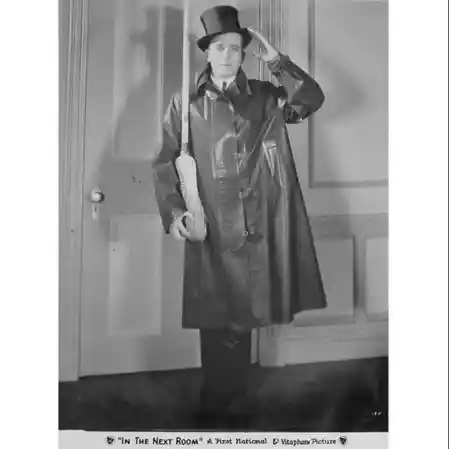
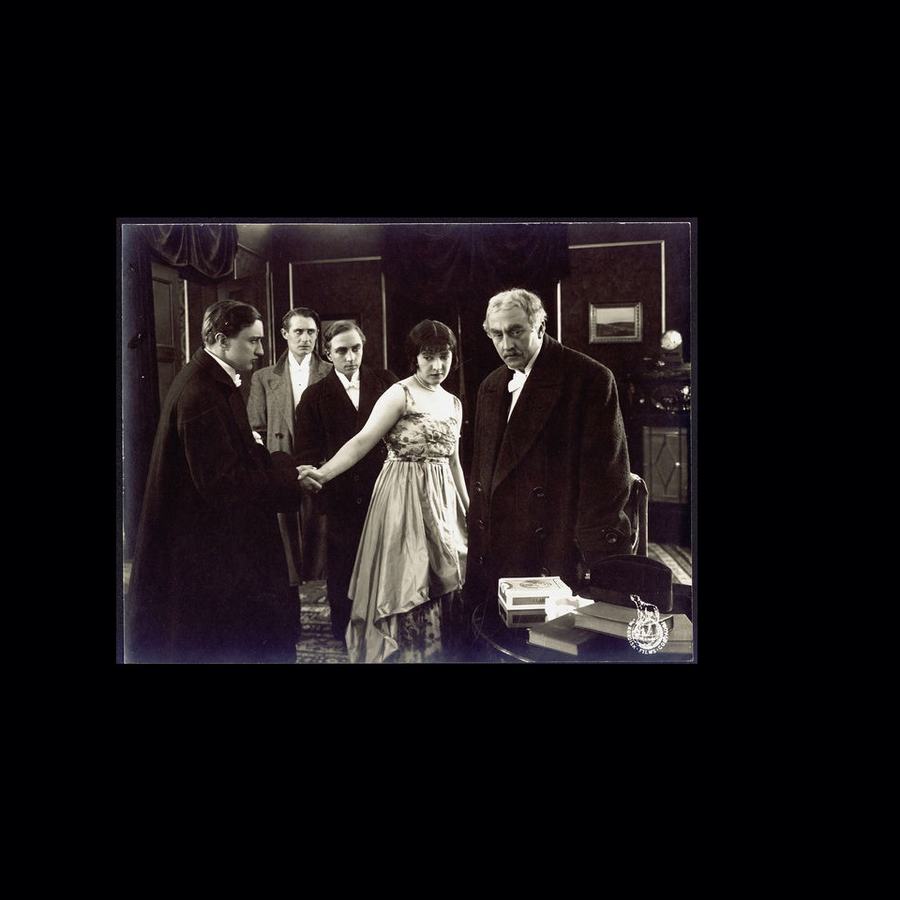
Alright, so 'In the Next Room' is definitely not for everyone today. If you need fast cuts and modern pacing, you'll probably hate it. But for anyone who loves an old-fashioned mystery, the kind where the house itself feels like a character, this 1930 film offers some real, if *creaky*, charm. It’s a good one to put on a rainy afternoon, especially if you appreciate early sound films.
The whole setup feels very much of its time. An old, grand house, a death, and a bunch of family members all looking a bit shifty-eyed. You just know someone's hiding something. The movie doesn't waste much time setting up the basic puzzle: who gets the inheritance and what secrets are tucked away in, you guessed it, the next room.
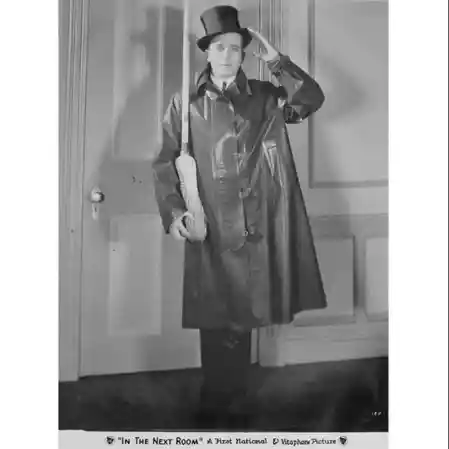
The first thing you notice is the sound. It's an early talkie, and boy, does it show. The dialogue often feels a bit… *stiff*, like the actors are still figuring out how to talk into microphones without sounding like they're yelling into a tin can. But that's part of the fun, really.
There's this one shot, I remember, of a long, dark hallway with a single gas lamp flickering. It just *sits* there for a good ten seconds. You can almost feel the dust motes dancing in the light. No music, just the ambient hum of the film stock. It really sets a mood. Eerie, almost.
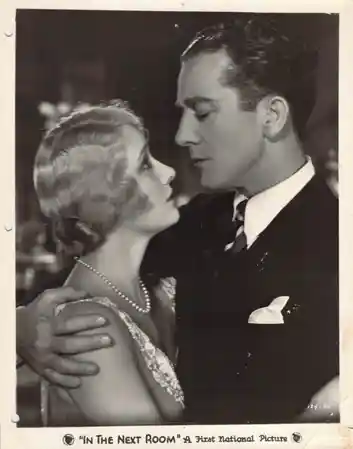
The mystery itself unfolds slowly, with clues dropped like heavy bricks. It's not one of those slick, fast-paced thrillers. You have to lean in and pay attention to the hushed conversations and the way certain objects are handled. A missing key here, a strange note there.
Alice Day, as the main ingenue type, has this very expressive face. Her wide eyes really sell the fear, even if her line delivery sometimes feels a bit stagey. You can see the transition from silent film acting right there.
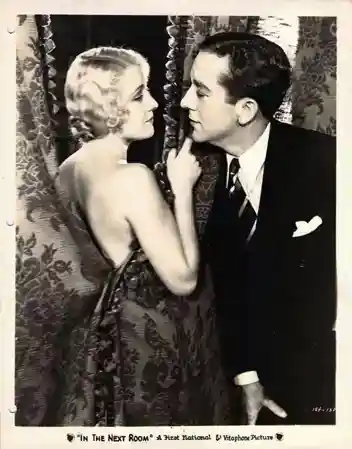
There's a scene where the detective, played by DeWitt Jennings, is just slowly examining a desk. The camera just watches him. No dramatic close-ups, no sweeping music. Just the quiet methodical work. It feels *real* in a way modern movies sometimes miss, even if it's a bit slow.
I also appreciated how the film doesn't over-explain everything. It trusts you to put some pieces together. Like, you see a shadow move in the background, and you're left to wonder who it was, rather than being shown immediately. That was a nice touch, keeps you guessing.
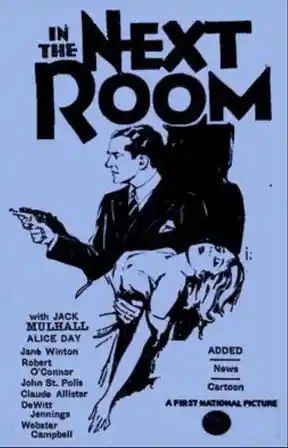
“Sometimes the quietest houses hold the loudest secrets.”
One odd thing was how often characters would just… stand there after delivering a line, waiting for the next person to speak. It gives the whole film this kind of stilted, almost theatrical rhythm. Not necessarily bad, just different. You can tell they were still figuring out how to make dialogue flow naturally on screen.
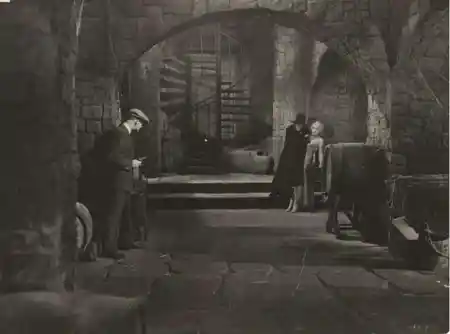
Towards the end, when things finally click into place, it's not a huge shocker, but it's satisfying enough. The reveal isn't about some mind-bending twist, but more about seeing all the threads you've been following come together. It's a neat, tidy resolution, which can be comforting in an old mystery.
So, is 'In the Next Room' a masterpiece? Nah. But it's a solid, charming piece of early cinematic history. For fans of classic whodunits, or just those curious about the awkward but fascinating birth of sound cinema, it's definitely worth a watch. You get a real feel for how these things were made back then. Like a little time capsule! 🕰️
IMDb —
1927
Community
Log in to comment.