DbcultAccessing Vault...
7.2/10
Senior Film Conservator
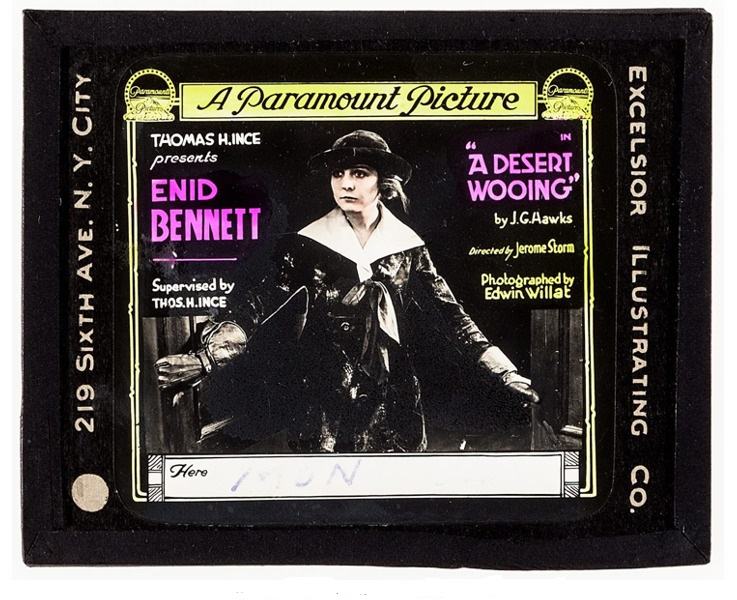
A definitive 7.2/10 rating for a film that redefined the boundaries of cult cinema. A Desert Wooing remains a cornerstone of transgressive art.
Stepping back into the cinematic landscape of 1918, J.G. Hawks’s "A Desert Wooing" emerges not merely as a silent film, but as a fascinating social commentary wrapped in the rugged allure of the American West. At its core, this is a narrative of transformation, of a woman's journey from the gilded cages of Eastern society to the raw, unvarnished truth of frontier life. It’s a compelling exploration of duty versus desire, of superficiality giving way to profound respect, and ultimately, of love forged in the crucible of adversity. Irene Rich, in the role of Avice, delivers a nuanced performance, portraying the delicate balance of a woman caught between filial obligation and burgeoning self-discovery, while Jack Holt, as the stoic Barton Masters, embodies the quintessential Western hero – quiet, strong, and deeply honorable. Their chemistry, though largely unspoken, speaks volumes, a testament to the power of silent cinema to convey complex emotions through gesture and expression.
The film opens with a familiar trope of the era: the impecunious but socially prominent family. Mrs. Bereton, portrayed with a certain desperate charm by Elinor Hancock, orchestrates her daughter Avice’s marriage to Barton Masters, a wealthy cattleman whose fortune is as vast as the Western plains he inhabits. This union is less about love and more about solvency, a transaction of social standing for financial security. Avice, initially, is a pawn in this grand societal chess game. Her pre-nuptial flirtation with Dr. Fortescue Van Fleet (Donald MacDonald) serves as a potent symbol of her detachment from the impending marriage, a youthful rebellion against a future she perceives as loveless and predetermined. She assures Van Fleet, with a casual indifference, that her marriage will be a mere formality, a contract devoid of genuine emotional investment. This early depiction of Avice sets the stage for her dramatic character arc, painting her as a woman initially bound by convention and oblivious to the deeper currents of human connection.
However, the moment Avice steps onto Barton's sprawling ranch, a subtle shift begins. The stark beauty of the landscape, the unpretentious honesty of the people, and most significantly, the quiet integrity of her husband, begin to chip away at her preconceived notions. Barton Masters, as depicted by Jack Holt, is not the urbane, charming man of the Eastern drawing rooms, but a man of the land, whose wealth is a byproduct of his hard work and unwavering principles. Avice's initial indifference slowly gives way to a profound respect, a recognition of a different kind of strength and nobility than she was accustomed to. This blossoming admiration is a crucial turning point, laying the groundwork for the emotional authenticity that will define their relationship. It’s a testament to the film's ability to portray character development through subtle actions and reactions, a hallmark of effective silent film storytelling. This internal shift echoes themes found in other Western dramas of the period, where the frontier often serves as a crucible for character, stripping away artifice to reveal true selves, much like the transformative journeys seen in films such as The Heart of Tara or even earlier, The Betrothed (1913), which similarly explores the complexities of arranged unions against a backdrop of personal growth.
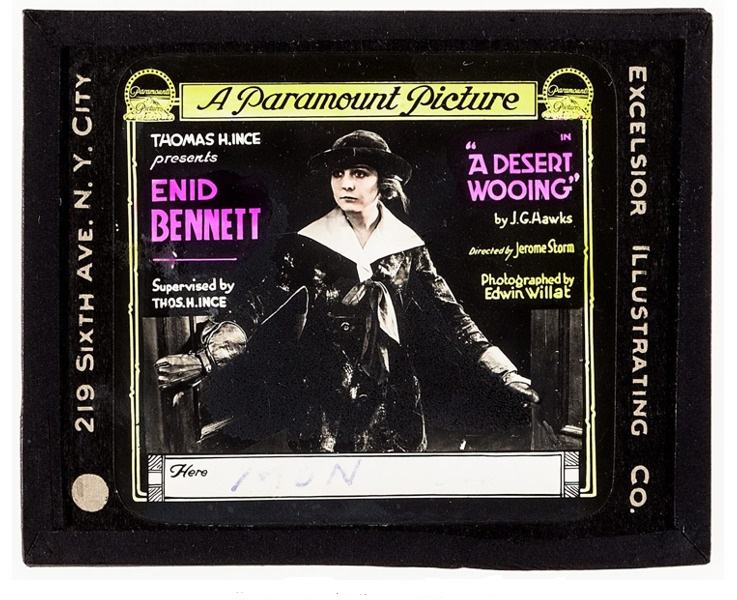
The nascent respect between Avice and Barton is threatened by the arrival of a visiting party from the East, comprised of Avice's mother, her brother Billy (Charles Spere), and the insidious Dr. Van Fleet. Van Fleet, misinterpreting Avice's earlier casual remarks as an invitation for continued pursuit, becomes the catalyst for the story's dramatic escalation. His brazen attack on Avice in her own room is a shocking moment, a stark violation that underscores the fragility of her newfound security. Barton's swift and decisive intervention, turning Van Fleet out with righteous indignation, not only protects his wife but also solidifies his image as a man of honor and strength. This act of defense is pivotal; it is the moment when Avice truly sees Barton not just as a husband by contract, but as a protector, a man worthy of her trust and, increasingly, her affection. The scene is handled with a tension that belies the silent medium, relying on dramatic staging and the powerful expressions of the actors to convey the gravity of the situation.
The aftermath of this incident sees Barton taking decisive control. He dispatches Avice's meddling relatives, recognizing their detrimental influence on his new wife and their shared life. This assertive move is not merely a display of dominance but a protective measure, isolating Avice from the societal pressures that had previously defined her existence. He then compels her to work on the ranch, a drastic departure from her previous life of leisure. Her initial resentment is palpable, a lingering echo of her former self, resistant to the harsh realities of manual labor and the sun-drenched, unforgiving landscape. This period of forced labor serves as a crucial stage in her development, stripping away the last vestiges of her pampered existence and forcing her to confront the raw demands of survival and contribution. It’s a narrative device that effectively grounds her in the reality of her new home, contrasting sharply with the superficiality she once embraced. The film deftly portrays her internal struggle, her silent protests against the grit and grime, setting the stage for the ultimate test of her character.
The narrative reaches its crescendo with Van Fleet’s vengeful return. His act of shooting Barton, seriously wounding him, is a shocking escalation, transforming the domestic drama into a life-or-death struggle. This moment is the crucible for Avice's transformation. All her previous resentments, her lingering flirtations, her societal conditioning, evaporate in the face of her husband's mortal peril. In a powerful display of agency and newfound fortitude, Avice seizes a gun and, at its point, compels the very man who sought to destroy her happiness to tend to Barton's injuries. This scene is electrifying, a testament to Irene Rich's ability to convey raw emotion and unwavering resolve without a single spoken word. It’s a complete reversal of power dynamics, with Avice, once a passive participant in her own fate, now a fierce protector.
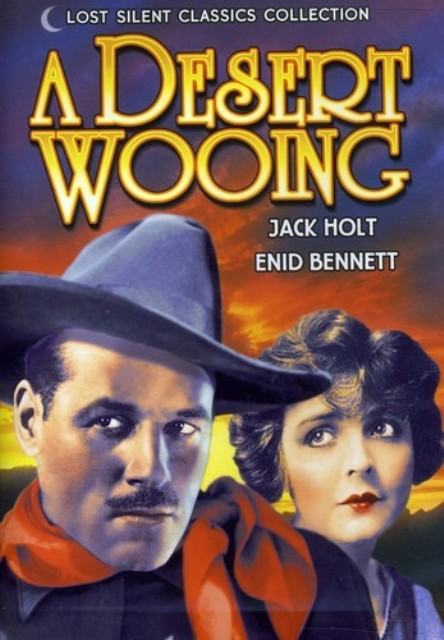
The immediate aftermath of the shooting and Barton's subsequent recovery solidifies Avice's devotion. Her initial respect has blossomed into profound love, forged in the fires of shared trauma and her own courageous acts. She dedicates herself entirely to him, her past life and its superficial concerns fading into irrelevance. This transformation is not merely a plot device but the heart of the film's message: that true connection and love often arise from unexpected places, enduring hardships, and the recognition of genuine character. J.P. Lockney's brief appearance, along with the performances of Enid Bennett and Donald MacDonald, contribute to the ensemble, but it is the central dynamic between Rich and Holt that truly captivates. The film's conclusion, while perhaps predictable for the genre, feels earned, a satisfying resolution to Avice's arduous but ultimately rewarding journey. It’s a testament to the enduring appeal of redemption narratives and the transformative power of love, especially when tested by extreme circumstances. This narrative arc, where a woman finds her strength and true affections amidst peril, resonates with the spirit of other adventure-romances of the era, such as The Destroying Angel, where women often find themselves confronting danger and discovering inner resilience.
"A Desert Wooing" stands as a compelling example of silent era filmmaking, showcasing the era's sophisticated storytelling techniques and the prowess of its actors. J.G. Hawks’s screenplay, while adhering to certain genre conventions, manages to imbue the characters with believable motivations and emotional depth. The direction effectively uses the stark beauty of the desert landscape as a character in itself, mirroring the rugged transformation Avice undergoes. The cinematography, though perhaps simplistic by modern standards, effectively captures the vastness of the West and the intimacy of personal struggle. The film reminds us that even without spoken dialogue, the power of visual narrative, expressive acting, and well-crafted intertitles can convey complex human experiences with remarkable clarity and emotional resonance. It’s a valuable piece for understanding the evolution of cinematic romance and the enduring appeal of the Western genre, a genre that often explores themes of civilization versus wilderness, and personal growth through hardship. This film, though not as widely known as some of its contemporaries, offers a rich tapestry of human emotion and societal critique, making it a worthy rediscovery for enthusiasts of classic cinema. Its exploration of moral rectitude versus societal expectation might even draw parallels to the subtle critiques found in films like A Corner in Cotton, though their settings and central conflicts diverge significantly.
What makes "A Desert Wooing" resonate even today is its timeless exploration of themes: the search for authenticity, the redemptive power of love, and the notion that true character is often forged in the crucible of adversity. Avice’s journey from a superficial society belle to a resilient woman of the West is a powerful testament to the transformative potential of environment and circumstance. Her initial dismissiveness of Barton, her subsequent respect, and finally, her unwavering devotion, chart a believable course of emotional evolution. Jack Holt, with his understated yet commanding presence, perfectly embodies the steadfastness that anchors Avice's world. Irene Rich's portrayal of Avice, particularly her transition from a somewhat flighty socialite to a woman of profound strength and loyalty, is exceptional for the era. The film's supporting cast, including Enid Bennett and J.P. Lockney, add texture to the narrative, though the focus remains squarely on the central couple.
The conflict introduced by Dr. Van Fleet serves as a potent external force, pushing Avice and Barton's relationship to its breaking point, only for it to emerge stronger and more resilient. This narrative structure, where an external threat solidifies an internal bond, is a classic and effective storytelling device. The film doesn't shy away from depicting the harsh realities of the frontier, contrasting them sharply with the artificiality of Eastern society. This juxtaposition is key to Avice's character development, as she sheds the trappings of her former life and embraces a more genuine existence. The silent film medium, in its reliance on visual storytelling and emotional performances, proves remarkably adept at conveying these profound shifts in character and circumstance. It's a reminder of the foundational strengths of early cinema, where narrative clarity and emotional impact were paramount. One might even draw a comparison to the stark choices and moral dilemmas presented in The Two Edged Sword, where characters are forced to confront their true selves under duress, albeit in a different genre context.
In conclusion, "A Desert Wooing" is more than just a historical artifact; it's a vibrant piece of cinematic history that still holds power. It's a story of an unlikely romance blooming in the most unexpected of places, a testament to the idea that love, true and enduring, can transcend societal expectations and personal prejudices. The film's strength lies in its compelling plot, its well-drawn characters, and the masterful performances of Jack Holt and Irene Rich, who navigate the complexities of their roles with grace and conviction. J.G. Hawks’s vision, brought to life on screen, offers a poignant reflection on what truly constitutes wealth – not just material possessions, but integrity, courage, and unwavering devotion. For those who appreciate the artistry of silent films and the enduring appeal of the Western genre, "A Desert Wooing" is a discovery worth making, a journey into a past where emotions were writ large and the desert held the key to the human heart.
IMDb —
1922
Community
Log in to comment.