DbcultAccessing Vault...
Cult Review
Senior Film Conservator
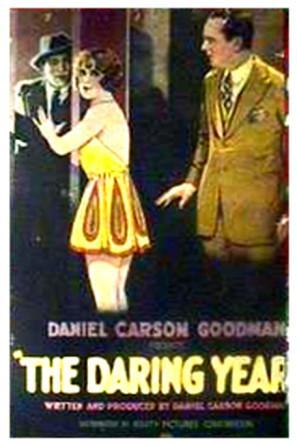
When the reels of The Daring Years begin to spin, the audience is thrust into a world where the clatter of high‑heeled shoes on parquet floors is as rhythmic as the thud of a boxer's gloves against a leather bag. Director Daniel Carson Goodman, whose pen also birthed the screenplay, fashions a tableau that feels simultaneously theatrical and brutally intimate. The cabaret, bathed in amber light, becomes a crucible for the film’s central conflict: a love triangle that is less about romance and more about the corrosive power of possessiveness.
Mildred Harris, embodying Suzie La Motte, delivers a performance that oscillates between coquettish tease and anguished confession. Her eyes, wide and luminous, convey a narrative that dialogue could never articulate. In contrast, Joe King’s Jim Moran is the archetype of the bruised hero, his muscularity rendered with a tenderness that defies the era’s typical machismo. Charles Emmett Mack’s John Browning, the innocent newcomer, carries a palpable vulnerability; his every movement is laced with the tremor of a man out of his depth.
The supporting cast, including a surprisingly nuanced turn by Clara Bow in a brief but memorable cameo, adds layers of texture. Bow’s fleeting presence foreshadows the star power she would later wield, offering a tantalizing glimpse of the future of cinema.
Goodman structures the film in three distinct acts. The opening act luxuriates in the decadence of the cabaret, establishing the seductive chemistry between Suzie and Moran while introducing John as the unwitting catalyst. The second act thrusts the narrative into a brutal confrontation—Moran’s jealousy erupts into a fistfight that devolves into gunfire. The misfire, a cruel twist of fate, serves as the narrative fulcrum, pivoting the story from personal rivalry to a public spectacle of justice.
The final act unfolds within the stark confines of a courtroom, where the electric chair looms as a grim symbol of irreversible judgment. Suzie’s confession, delivered in a moment of raw honesty, reframes the entire tragedy, emphasizing the theme that truth, however delayed, possesses a salvific quality.
Although rendered in monochrome, the film’s visual composition betrays an almost painterly sensibility. The use of chiaroscuro—deep shadows juxtaposed against blinding highlights—mirrors the moral ambiguity of the characters. The cabaret’s back‑lit silhouettes create a visual metaphor for the hidden motives that drive the plot. When Moran collapses after the accidental discharge, the camera lingers on his outstretched hand, a visual echo of the Greek tragedy’s fatal flaw.
Comparatively, the visual daring of Madame Butterfly—another silent era masterpiece—shares a similar devotion to atmospheric lighting, yet The Daring Years distinguishes itself by its relentless focus on the gritty realism of urban life.
At its core, the film interrogates the weight of guilt and the possibility of redemption. Suzie’s journey from manipulative temptress to repentant confessor underscores a rare narrative agency for women in silent cinema. Rather than being a mere victim of circumstance, Suzie actively reshapes the story’s outcome, a trait that aligns her with the complex heroines of later films such as The Unpainted Woman.
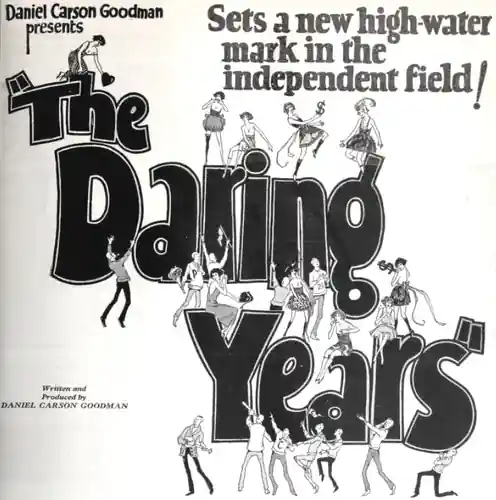
The film also critiques the performative nature of masculinity. Moran’s self‑inflicted wound—an accidental suicide—serves as a stark indictment of the toxic pride that pervades his world. John’s innocence, juxtaposed with his impending execution, highlights a systemic failure that punishes the naïve while absolving the powerful.
Released in 1924, The Daring Years arrives at the cusp of the Jazz Age, a period defined by cultural upheaval and shifting gender dynamics. The film’s portrayal of a cabaret—a space traditionally associated with liberation—mirrors the era’s flirtation with modernity. Moreover, the inclusion of a courtroom climax anticipates the later popularity of legal dramas, positioning the film as a forerunner to works like Innocent.
When set against the backdrop of contemporaneous productions such as Kaieteur, the Perfect Cataract, the stark urbanity of The Daring Years feels both refreshing and unsettling. While Kaieteur luxuriates in exotic locales, Goodman’s film grounds its drama in the gritty realism of a city that never sleeps.
Similarly, the raw emotional intensity of The Daring Years shares a kinship with the melodramatic fervor of Dog-Gone Tough Luck, yet it diverges through its nuanced exploration of female culpability, a narrative thread less prominent in the latter’s more straightforward moral tableau.
The absence of synchronized sound compels Goodman to rely on expressive intertitles and kinetic visual storytelling. The film’s pacing—alternating between languid, lingering shots of the cabaret’s decadence and rapid, jittery cuts during the fight scene—creates a rhythmic cadence that mirrors the emotional turbulence of its protagonists.
The climactic courtroom scene, rendered in stark close‑ups, harnesses the power of silence to amplify tension. The audience is forced to confront the gravity of Suzie’s confession without the distraction of dialogue, making the moment all the more potent.
Though it slipped into relative obscurity as the talkies eclipsed silent cinema, The Daring Years endures as a testament to the narrative ambition of early Hollywood. Its exploration of moral ambiguity prefigures the film noir sensibilities that would dominate the 1940s, while its focus on a morally complex female lead anticipates the feminist re‑readings of later classics.
Modern scholars have begun to re‑evaluate the film’s contribution to the evolution of the crime‑drama genre, noting its influence on the structural formula later employed in Robbery Under Arms (1907) and the melodramatic intensity of Her Good Name.
For cinephiles seeking a window into the silent era’s capacity for sophisticated storytelling, The Daring Years offers a richly layered experience. Its deft interweaving of romance, betrayal, and redemption, combined with striking performances and a visual style that remains resonant, makes it a compelling study of human frailty. The film’s ability to provoke introspection—about the consequences of our choices and the redemptive power of truth—cements its place as a timeless piece of cinematic art.
IMDb 4.9
1928
Community
Log in to comment.