DbcultAccessing Vault...
5.7/10
Senior Film Conservator
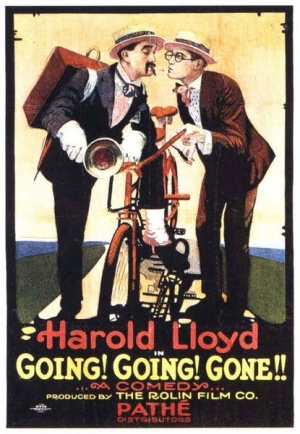
A definitive 5.7/10 rating for a film that redefined the boundaries of cult cinema. Going! Going! Gone! remains a cornerstone of transgressive art.
When Harold Lloyd steps onto the screen with his signature horn‑rimmed spectacles, the audience instantly anticipates a cascade of meticulously choreographed chaos. In Going! Going! Gone!, the premise is deceptively simple: two friends on a tandem bicycle, a river, and a handful of unsuspecting strangers. Yet the film transcends its modest setup through a relentless tempo that never allows a breath to settle. The opening sequence, shot in high‑contrast black‑and‑white, frames the duo against a sun‑drenched boulevard, the bicycle wobbling like a metronome poised to snap. The camera follows their progress with a fluid dolly, emphasizing the precarious balance between order and pandemonium.
The first major incident erupts when a group of women, depicted in flowing gowns, wade through a shallow river while laughing melodiously. Their sudden cry for help is a narrative catalyst that propels Harold and Snub into the water. The splash is captured in slow‑motion, a rare technique for the era, allowing viewers to savor each droplet as it reflects the dimming sky. Harold’s earnest attempt to rescue a flustered lady results in a comedic domino effect: he slips, Snub is pulled in, and the tandem bicycle careens across the riverbank, its wheels spinning like a roulette wheel destined for disaster.
Just as the audience begins to recover from the aquatic farce, a gang of bank robbers—clad in dark overcoats and armed with gleaming pistols—bursts onto the scene. Their entrance is choreographed with a stark, almost theatrical contrast: the bright daylight of the river juxtaposed against the shadowy silhouettes of the criminals. The robbers’ frantic shouts echo off the surrounding buildings, creating an auditory tension that is cleverly translated into visual jitter through rapid cuts and exaggerated close‑ups of trembling hands.
The police arrive moments later, their uniforms crisp and their expressions bewildered. In a masterstroke of mistaken identity, the lawmen mistake Harold and Snub for the perpetrators. The resulting chase is a study in kinetic editing; each frame is a snapshot of escalating absurdity. Harold, clutching a battered hat, darts through a bustling market while Snub, perpetually out of sync, collides with a fruit stall, sending apples rolling like marbles across cobblestones. The audience is treated to a visual symphony where each pratfall is timed to the rhythm of a jaunty piano score, underscoring the film’s commitment to pure, unadulterated slapstick.
The ensemble cast, though populated by names that may be unfamiliar to modern viewers, delivers performances that are both nuanced and exuberant. Billy Fay, portraying Harold, balances earnest heroism with a mischievous glint that hints at the character’s underlying confidence. His timing—particularly during the river rescue—exemplifies Lloyd’s trademark blend of vulnerability and bravado.
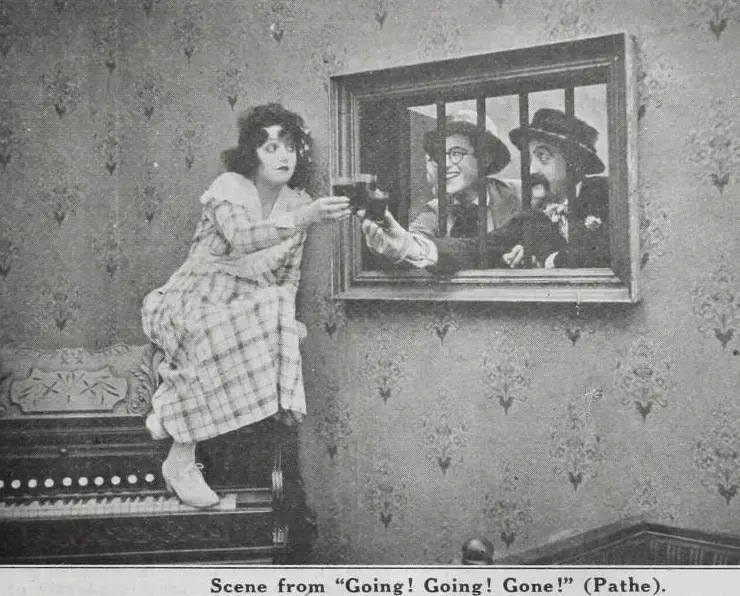
Snub Pollard, as the ever‑clumsy sidekick, embodies the archetype of the comic foil. His exaggerated facial expressions—wide-eyed panic followed by a resigned grin—provide a visual counterpoint to Harold’s composed demeanor. The chemistry between Fay and Pollard is reminiscent of the dynamic seen in On Record, where contrasting personalities generate a rhythm that propels the narrative forward.
Supporting actors such as Bebe Daniels and Margaret Joslin bring a fleeting yet memorable presence, their brief interludes adding layers of romantic intrigue and social commentary. Daniels, later renowned for her work in talkies, displays a sprightly charisma that hints at her future stardom. The inclusion of seasoned character actors like William Blaisdell and Gus Leonard grounds the film in a familiar silent‑era comedic tradition, echoing the ensemble energy of The Man‑Eater.
Hal Roach’s direction is a study in economy; each gag is meticulously staged to maximize visual impact without superfluous dialogue. The use of location shooting—particularly the river sequence—adds authenticity, allowing natural light to play against the actors’ silhouettes. The cinematography employs a series of low‑angle shots during the chase, accentuating the towering presence of the police and the diminutive stature of Harold and Snub, thereby heightening the comedic tension.
The editing rhythm, paced at approximately 24 frames per second, mirrors the frenetic energy of the narrative. Cuts are executed with precision, ensuring that each comedic beat lands with the intended punch. Notably, the film incorporates a brief intertitle that reads, “Mistaken Identity!”—a clever nod to the audience, reminding them that the chaos is intentional, not accidental.
Beneath the surface of slapstick lies a subtle meditation on the fragility of societal order. Harold and Snub, representing the archetypal everyman, are thrust into a vortex of events beyond their control—a metaphor for the post‑World‑I era’s rapid social changes. Their attempts to restore equilibrium—whether by rescuing drowning women or evading law enforcement—underscore a universal yearning for agency amidst chaos.

The film’s resolution, wherein the true criminals are apprehended and the protagonists resume their ride, offers a comforting reassurance: despite the turbulence, justice ultimately prevails. This narrative arc aligns with the moral frameworks found in contemporaneous works such as Greed, where order is restored after a period of moral ambiguity.
Though Going! Going! Gone! may not command the same household recognition as Lloyd’s later feature Safety Last!, its influence on the evolution of physical comedy is undeniable. The film’s daring use of location stunts prefigures the elaborate set pieces of modern action comedies. Moreover, the tandem bicycle motif has been echoed in later works, most notably in the chaotic chase sequences of The Reed Case.
Contemporary scholars often cite the short as a textbook example of how silent cinema could convey narrative complexity without spoken word. The reliance on visual storytelling—through expressive pantomime, inventive set design, and rhythmic editing—serves as a reminder that the medium’s earliest practitioners possessed a sophisticated understanding of cinematic language.
For cinephiles seeking a glimpse into the foundations of slapstick, Going! Going! Gone! offers a masterclass in timing and physicality. Its brisk 20‑minute runtime makes it an accessible entry point for those unfamiliar with silent era conventions. The film also serves as a cultural artifact, preserving the sartorial fashions, urban architecture, and societal attitudes of 1920s America.
In an age where CGI dominates the comedic landscape, the film’s reliance on practical effects—such as the meticulously choreographed river rescue—provides a refreshing reminder of the artistry involved in creating humor through tangible means. The raw energy of the performances, unmediated by modern post‑production, invites viewers to appreciate the craft of early cinema.
Going! Going! Gone! stands as a testament to Harold Lloyd’s ingenuity and the collaborative brilliance of Hal Roach’s troupe. Its blend of frantic chase, heartfelt rescue, and absurd misunderstanding creates a tapestry of laughter that remains vibrant nearly a century later. Whether you are a seasoned aficionado of silent film or a newcomer curious about the roots of visual comedy, this short delivers a potent dose of joy, daring, and timeless humor.
IMDb 6.2
1931
Community
Log in to comment.