DbcultAccessing Vault...
Cult Review
Senior Film Conservator
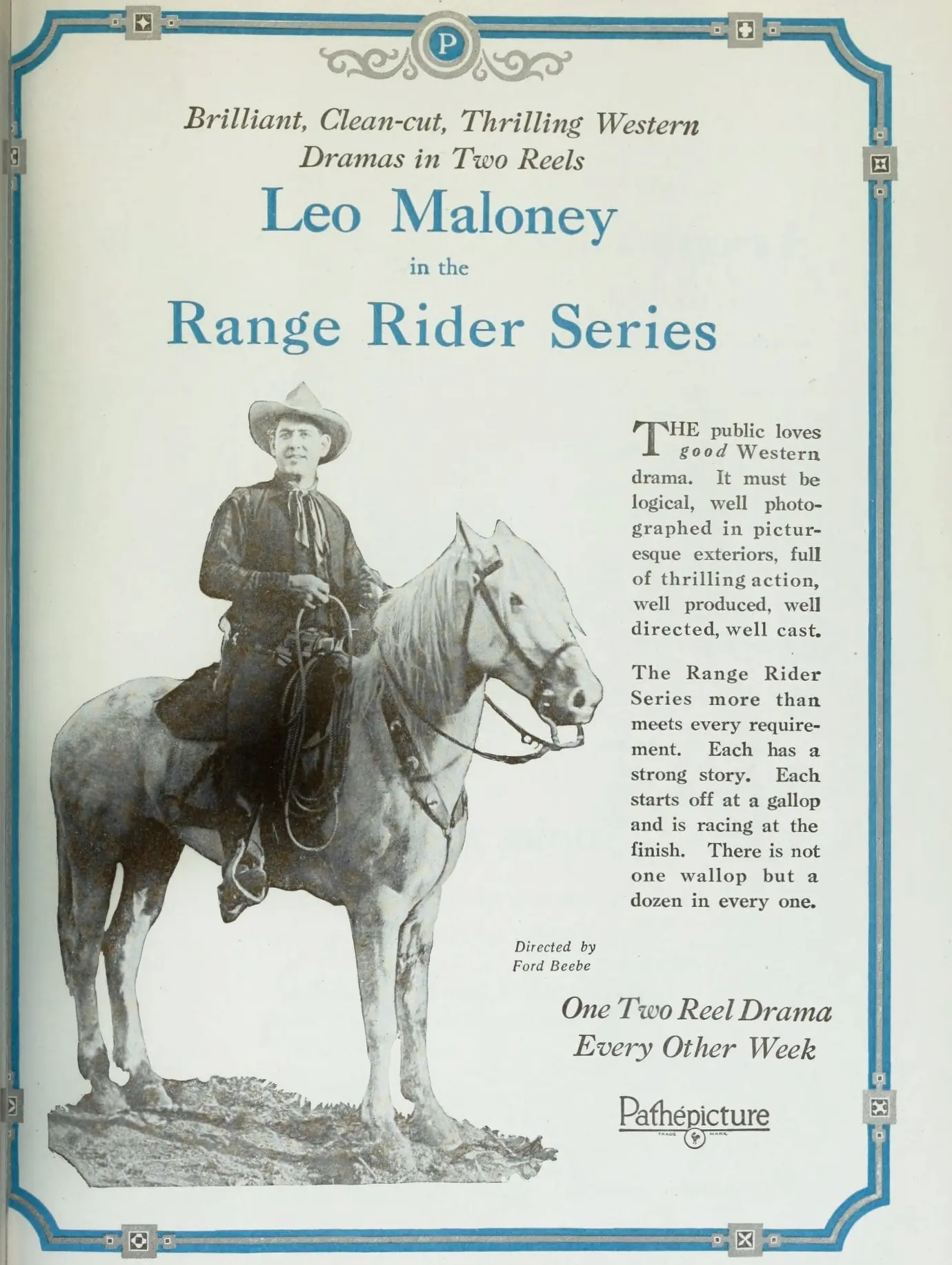
The opening frames of In Wrong Right greet the viewer with a panoramic sweep of golden grasses trembling under a relentless sun. The camera, perched on a low dolly, tracks the rhythmic cadence of cattle, establishing a world where the land itself seems to breathe. Within this vast tableau, two men—portrayed with swaggering confidence by Leo D. Maloney and a supporting antagonist—set their sights on the rancher's daughter, a figure both coveted and constrained by familial duty. Their rivalry, however, is not a straightforward contest of gallantry; it is a comedy of errors that hinges upon a profound misreading of intent.
The rancher’s cook, a stout, jovial presence who keeps the hearth alive, becomes the inadvertent fulcrum of the plot. The patriarch, a man of blunt affection, assumes the suitors’ flirtations are directed toward the cook’s culinary talents, fearing the loss of his most trusted confidant. This misunderstanding drives the rancher to an absurdly protective stance: he arranges a forced marriage between the cook and a local woman, hoping to bind the cook’s loyalty through matrimonial ties. The audience, aware of the suitors’ true objectives, watches the farce unfold with a mixture of amusement and sympathy for the cook, whose obliviousness is both endearing and tragic.
Maloney’s contribution to the film extends beyond his on‑screen charisma; as co‑writer with Ford Beebe, he shapes the narrative’s rhythmic ebb and flow. The dialogue—though sparse in the silent medium—relies on expressive intertitles that blend colloquial wit with a hint of melodrama. Maloney’s performance is a study in controlled physicality: a raised eyebrow, a deliberate tilt of the hat, a measured stride that conveys confidence without resorting to caricature. This restraint distinguishes his portrayal from the broader slapstick of contemporaries such as Beans, where comedy leans heavily on exaggerated gestures.
Beneath the surface levity, the film interrogates the patriarchal impulse to possess not only women but also the labor that sustains the household. The cook, representing the domestic sphere, is treated as property—an object of fear when the rancher imagines losing him to the suitors’ charms. This anxiety mirrors the rancher’s broader desire to control his daughter’s marital destiny, a motif echoed in the silent classic The Gentleman from Indiana, where paternal authority clashes with youthful independence.
Cinematographer unknown employs a chiaroscuro palette that juxtaposes the blinding desert light against the deepening shadows of the evening campfire. The use of natural light accentuates textures—the roughness of weathered wood, the glint of spurs, the steam rising from the cook’s pot. The film’s visual language is further enriched by occasional sea‑blue accents (notably in the sky at dusk) that serve as a visual metaphor for the characters’ yearning for freedom beyond the ranch’s confines. These hues are subtly echoed in the intertitles, which are tinted with a faint #0E7490 hue, reinforcing thematic continuity.
The screenplay follows a three‑act architecture that mirrors classic farce: the exposition introduces the rivals and the cook’s centrality; the rising action escalates through misinterpretations and forced marriage; the climax erupts in a chaotic chase across the ranch’s corrals, where the suitors, the cook, and the rancher converge. The resolution, rather than delivering a tidy happy ending, offers a nuanced compromise—each character acknowledges their own desires, and the rancher concedes that love cannot be contained within contractual bonds. This denouement anticipates later Western comedies such as Overalls, which similarly blend humor with a critique of rigid social hierarchies.
Josephine Hill, cast as the rancher’s daughter, delivers a performance that oscillates between spirited defiance and tender vulnerability. Her eyes, often the only conduit for emotion in silent cinema, flicker with a rebellious spark whenever the suitors approach, yet soften in moments of genuine affection for her father’s well‑being. This duality evokes the complexity of early 20th‑century female protagonists, reminiscent of the layered heroine in Huckleberry Finn (the 1920 adaptation). The cook, portrayed by a seasoned character actor, brings comic timing through precise physical comedy—a spilled pot, a hurried dash for a rolling barrel—while maintaining an underlying pathos that grounds the farce.
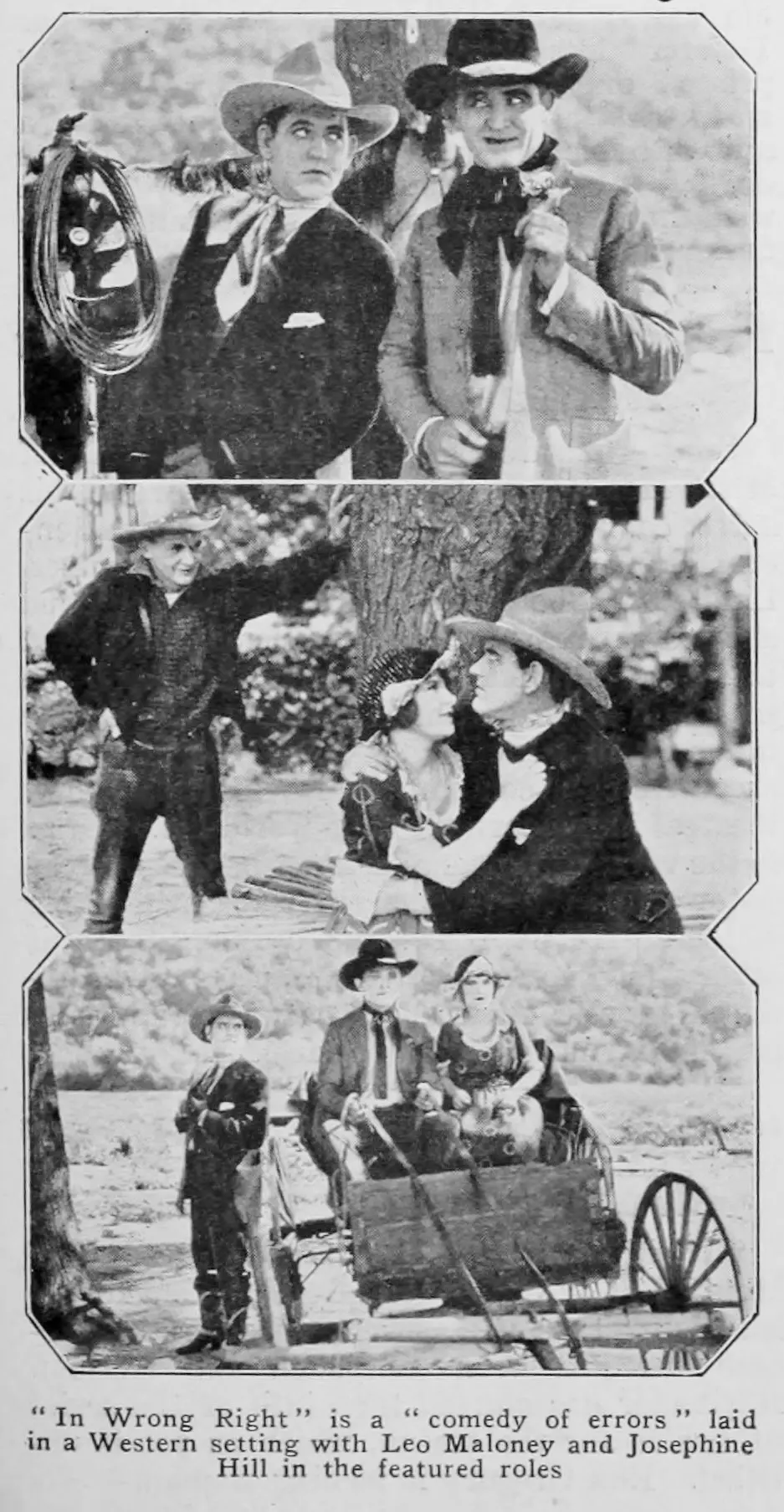
Director Leo D. Maloney orchestrates the film’s rhythm with a deft hand, allowing scenes to breathe before snapping into rapid, kinetic sequences. The pacing mirrors the unpredictability of frontier life: tranquil moments of sunrise are punctuated by sudden bursts of action—horse chases, pratfalls, and a climactic showdown at the ranch’s main gate. The editing, though limited by the era’s technology, employs cross‑cutting to heighten tension, especially during the final pursuit where the audience is simultaneously aware of the suitors’ plan, the cook’s impending nuptials, and the rancher’s frantic attempts to intervene.
Although a silent film, the original musical accompaniment—reconstructed from period cue sheets—features a lively fiddle motif that underscores the comedic beats, while a somber piano theme accompanies moments of emotional revelation. The interplay between these musical elements reinforces the film’s tonal duality, echoing the approach taken in The Man‑Eater, where the score shifts seamlessly between tension and levity.
While In Wrong Right never achieved the commercial heights of contemporaneous epics, it occupies a distinctive niche in the silent Western comedy canon. Its exploration of domestic labor as a contested space predates later feminist readings of genre cinema. Film scholars have cited the movie in discussions of early 20th‑century representations of gendered labor, noting how the cook’s agency—though initially suppressed—ultimately reasserts itself through the forced marriage, a narrative twist that subverts patriarchal expectations.
The film’s modest budget did not preclude inventive set design; the ranch house interior, constructed on a soundstage, features authentic wooden beams and a functional kitchen that allowed the cook’s on‑screen culinary antics to be filmed in real time. This attention to detail contributes to the film’s enduring visual appeal, making it a valuable resource for historians studying period-accurate set construction.
When juxtaposed with One Touch of Nature, which leans heavily into melodrama, In Wrong Right demonstrates a more balanced blend of humor and social commentary. Its narrative economy—delivering both romance and critique within a concise runtime—offers a template that later directors emulated in the 1930s, especially in the works of directors like John Ford, who similarly infused Western settings with nuanced character studies.
A surviving 35mm print resides in the Library of Congress, having undergone recent restoration that reinstated the original tinting—subtle sea‑blue shadows at twilight and warm orange highlights at sunrise. The restored version allows contemporary audiences to appreciate the film’s chromatic intentions, aligning with modern preservation standards that emphasize fidelity to the creator’s visual palette.
In Wrong Right stands as a testament to the silent era’s capacity for layered storytelling within the confines of a seemingly simple comedy. Its deft interweaving of miscommunication, gender dynamics, and frontier mythology renders it a film that rewards repeated viewings. For aficionados of early Westerns, the movie offers a refreshing departure from the stoic heroics of The Mother of Dartmoor, inviting instead a contemplation of how love, labor, and loyalty intersect on the open range. The film’s preservation, combined with its rich thematic texture, ensures its place in scholarly discourse and casual appreciation alike.
IMDb 6.2
1934
Community
Log in to comment.