DbcultAccessing Vault...
6.8/10
Senior Film Conservator
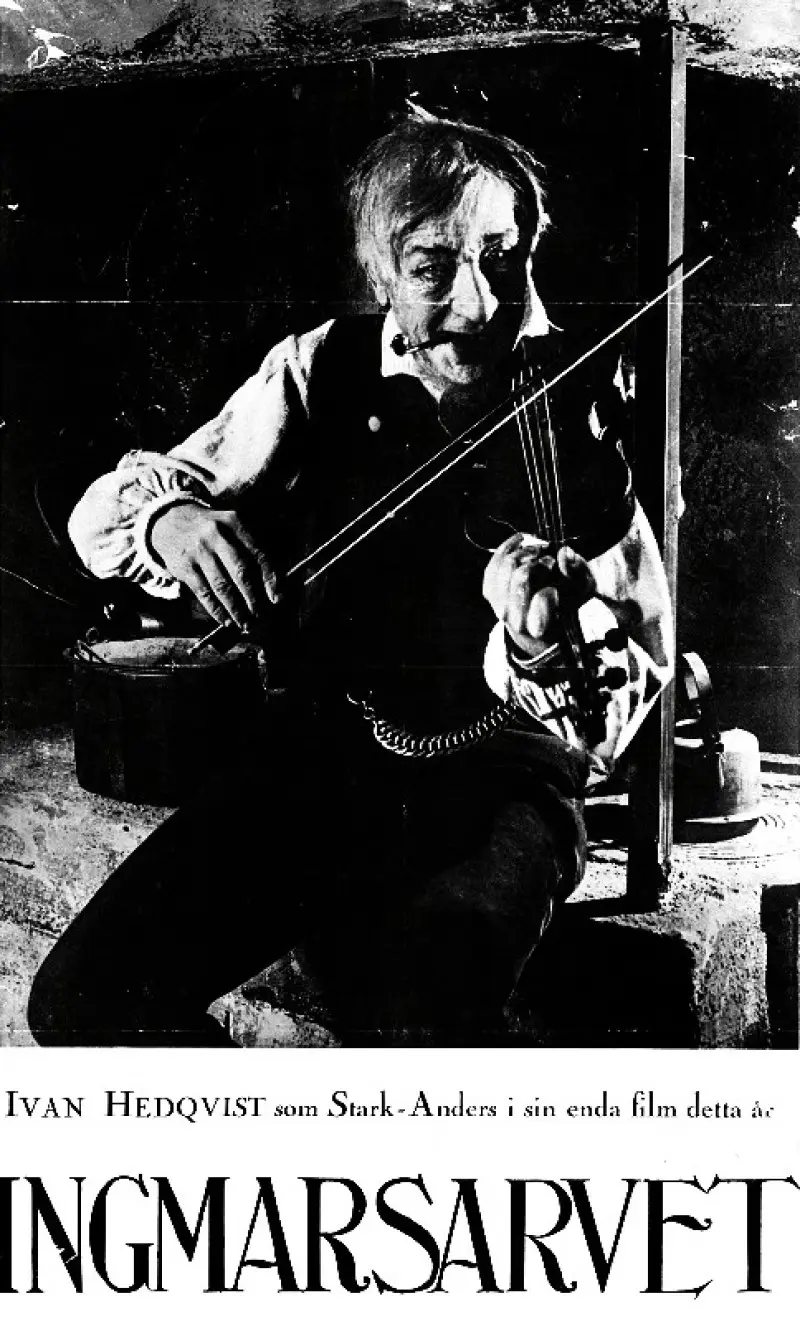
A definitive 6.8/10 rating for a film that redefined the boundaries of cult cinema. Ingmarsarvet remains a cornerstone of transgressive art.
In the realm of cinematic history, certain films stand as testaments to the indomitable human spirit, and Ingmarsarvet (1920) is one such movie. Directed by Gustaf Molander and based on the work of the illustrious Selma Lagerlöf, this Swedish silent drama chronicles the journey of a group of farmers who, driven by an unquenchable thirst for spiritual fulfillment, abandon their mundane lives to follow the charismatic preacher Helgum to the Holy Land.
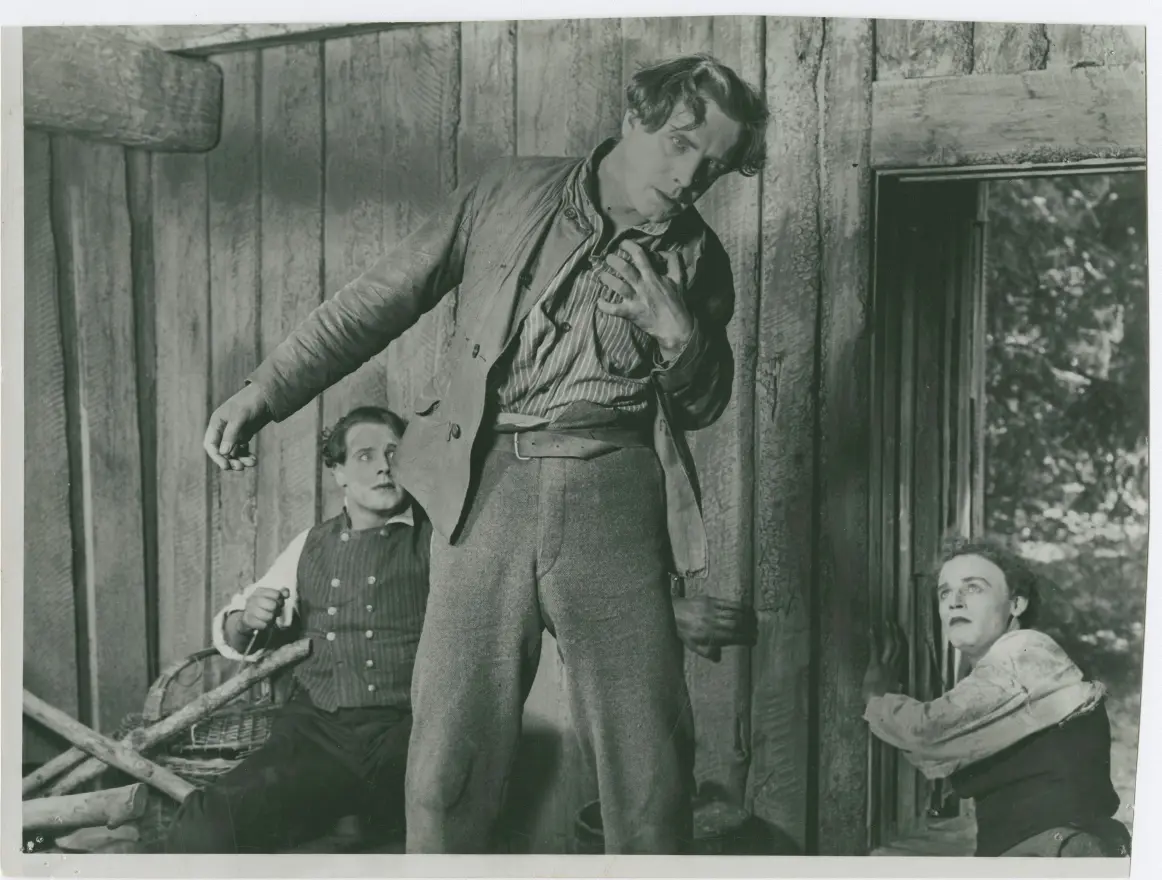
The narrative unfolds with a sense of bucolic tranquility, as the agrarians, entrenched in their traditional way of life, begin to feel an existential disquiet. This feeling of discontent is skillfully conveyed through the cinematography, which juxtaposes the stark, monochromatic landscapes with the vibrant, almost fervent, expressions of the characters. As the decision to embark on this pilgrimage is made, the film transitions into a chronicle of adventure, replete with perilous journeys, internal conflicts, and profound epiphanies.
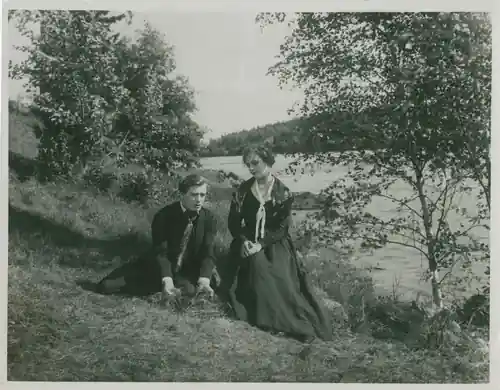
One of the most striking aspects of Ingmarsarvet is its cast, a veritable ensemble of Swedish actors who bring depth and nuance to their portrayals. Jenny Hasselqvist, Lisskulla Jobs, and Knut Lindroth, among others, deliver performances that are at once emotionally resonant and visibly authentic. Their characterizations add a layer of complexity to the narrative, rendering the audience's emotional investment in their journeys both intuitive and impactful.
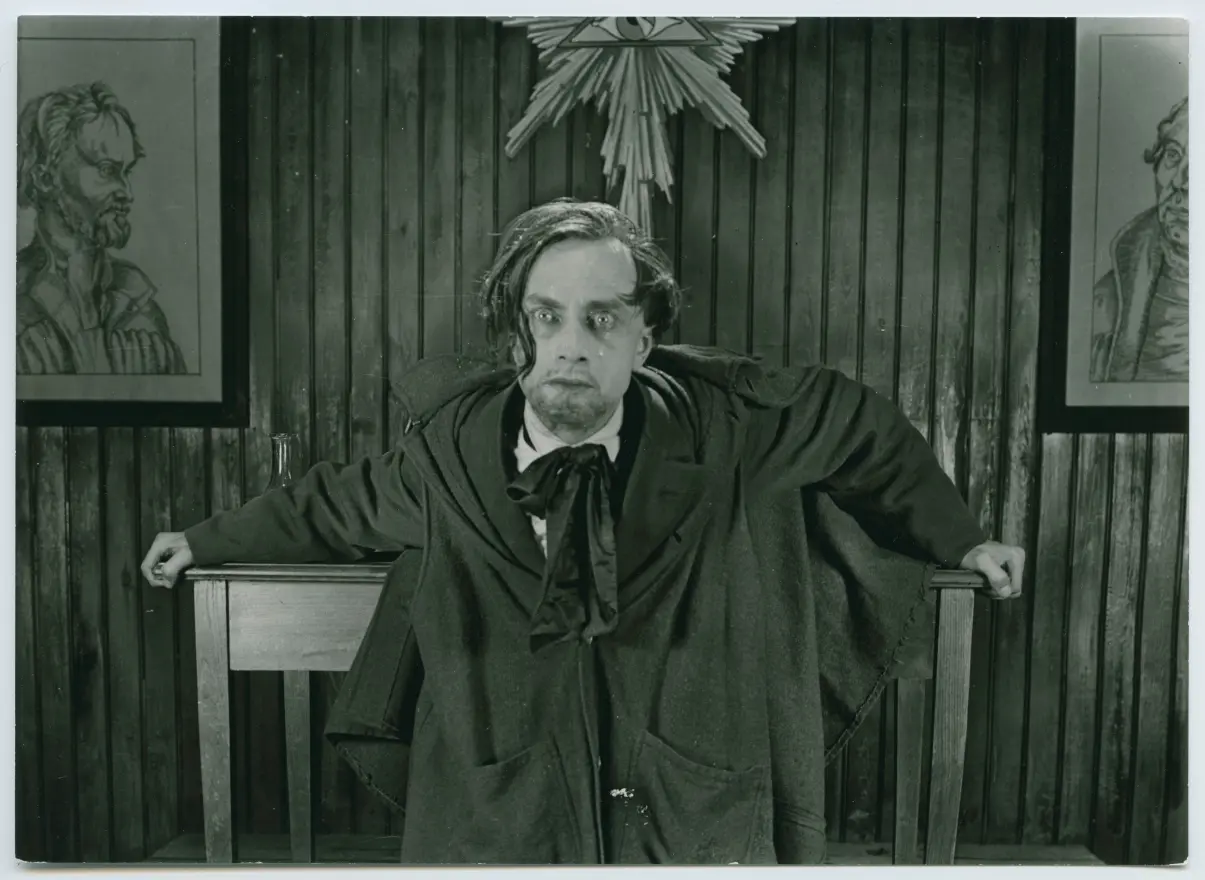
The thematic underpinnings of Ingmarsarvet are multifaceted, delving into motifs of faith, community, and the search for meaning. These themes are masterfully interwoven throughout the narrative, creating a cinematic tapestry that is as visually stunning as it is intellectually stimulating. The film's exploration of the human condition, set against the backdrop of a pilgrimage to the Holy Land, serves as a poignant reminder of the enduring power of faith and the indomitable will of the human spirit.
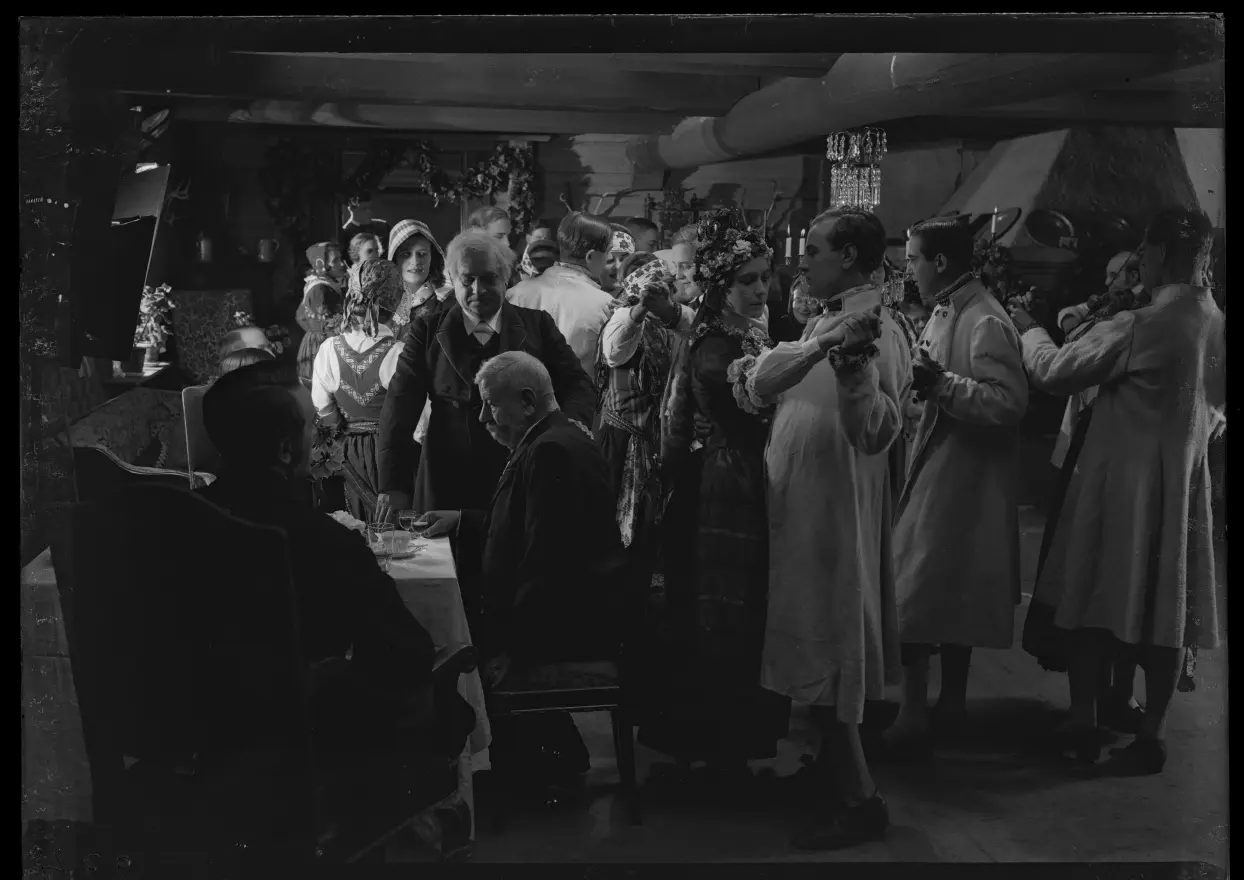
In comparing Ingmarsarvet to other films of its era, one cannot help but draw parallels with King Solomon's Mines (1937), which also features a perilous journey to a distant land. However, while the latter is characterized by its action-adventure elements, Ingmarsarvet distinguishes itself through its introspective narrative and emotional depth. Similarly, Just a Good Guy (1936) shares some thematic similarities with Ingmarsarvet, particularly in its exploration of moral integrity and personal conviction.
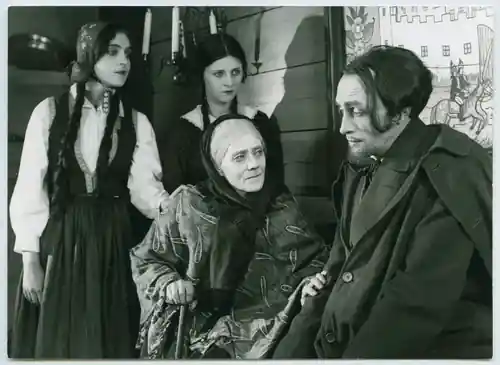
The cinematography in Ingmarsarvet is noteworthy, with the stark landscapes serving as a visual metaphor for the characters' internal journeys. The camerawork, often employing long takes and sweeping vistas, adds to the film's epic quality, underscoring the magnitude of the pilgrims' undertaking. This visual storytelling, combined with the powerful performances of the cast, results in a film that is both visually stunning and emotionally resonant.
In conclusion, Ingmarsarvet stands as a landmark of Swedish cinema, offering a unique blend of spiritual exploration, emotional depth, and visual beauty. For audiences interested in exploring the silent era of cinema, or those simply looking for a film that challenges and inspires, Ingmarsarvet is an excellent choice. Its themes of faith, community, and the search for meaning are timeless, making it a film that continues to resonate with viewers to this day.
Other films that explore similar themes or offer interesting comparisons include You Find It Everywhere (1921), Babs (1937), and Fares and Fair Ones (1950). Each of these films, in its own way, delves into aspects of human nature and the search for fulfillment, making them compelling companions to Ingmarsarvet.

IMDb 7.1
1928
Community
Log in to comment.