DbcultAccessing Vault...
Cult Review
Senior Film Conservator
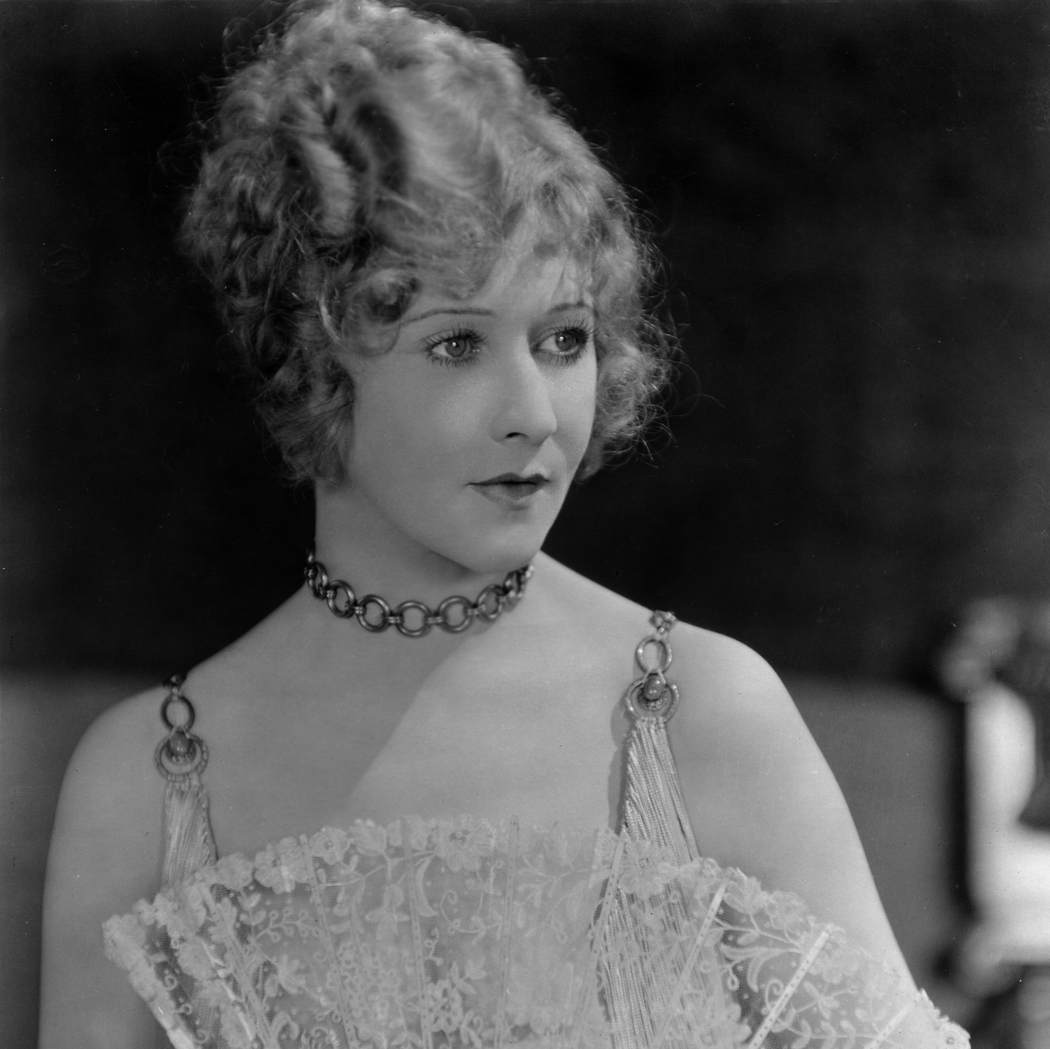
When the silent era reached its zenith in the mid‑1920s, studios churned out melodramas that married spectacle with social commentary. Innocence, directed by the collaborative pen of Lewis Allen Browne and John Stone, emerges as a quintessential artifact of that moment, juxtaposing Broadway’s effervescent choreography against the rigid hierarchies of East‑coast aristocracy. The film’s release coincided with a cultural fascination for narratives that examined the friction between artistic freedom and the gilded cages of wealth, a theme echoed in contemporaneous works such as The Ghost City and Springtime.
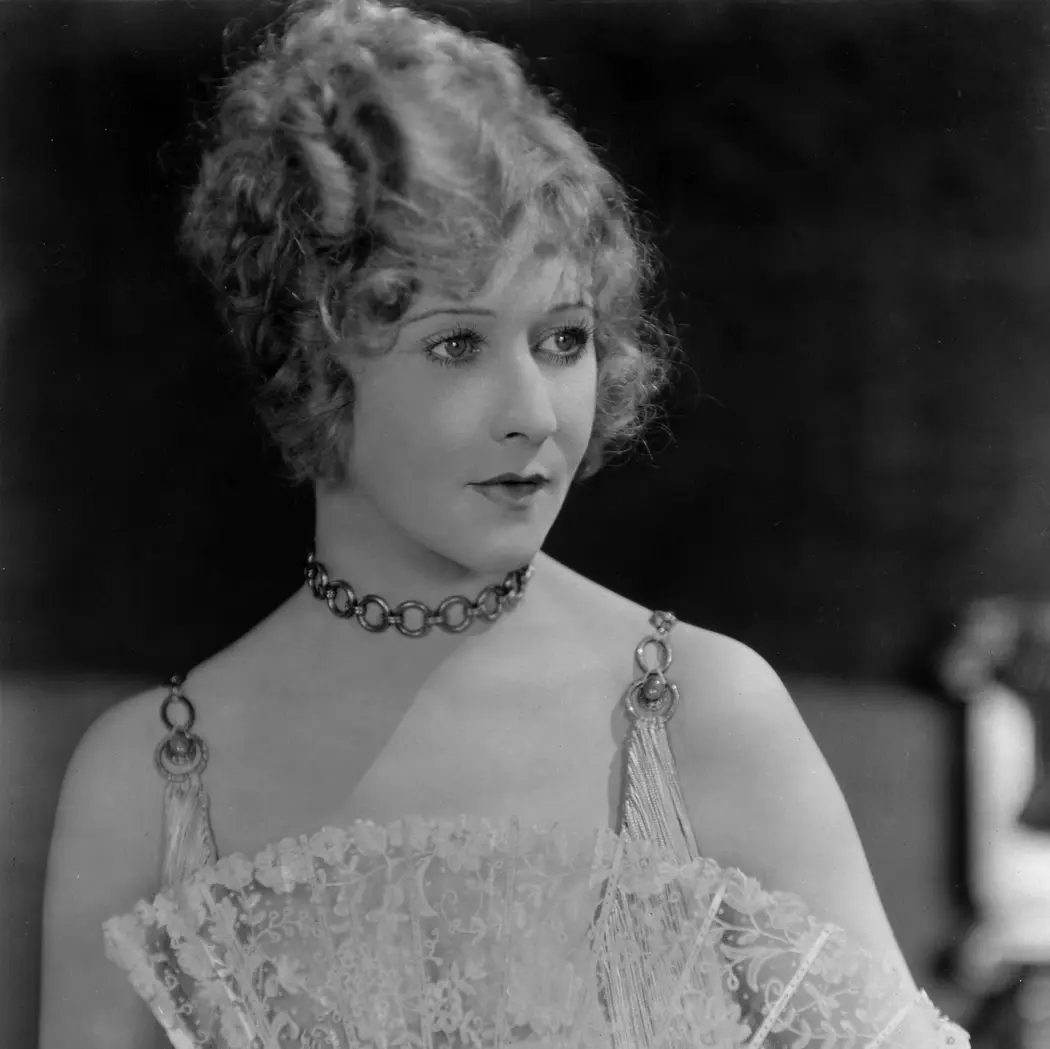
Anna Q. Nilsson, whose luminous screen presence had already earned her a place among silent cinema’s elite, embodies Fay Leslie with a blend of vulnerability and steely resolve. Her expressive eyes convey a spectrum of emotions— from the exhilaration of the footlights to the suffocating dread of a ballroom where she feels perpetually out of place. Opposite her, Earle Foxe delivers a nuanced portrayal of Paul Atkins, balancing the swagger of a seasoned dancer with the quiet melancholy of a man who watches his former lover slip into a world that neither understands nor accepts him. Their chemistry, though never spoken, resonates through the camera’s lingering frames, reminding viewers why silent cinema relied so heavily on physicality.
Although the film itself is monochrome, the modern review’s design employs a triadic palette—dark orange (#C2410C), sunlit yellow (#EAB308), and sea‑blue (#0E7490)—to echo the narrative’s emotional currents. The orange hue mirrors Fay’s burning ambition, the yellow reflects the deceptive brilliance of Don’s social sphere, while the sea‑blue underscores the melancholic undercurrents that flow beneath the surface of every interaction. This visual strategy, applied through inline CSS, ensures that the reading experience remains immersive, even as the original medium lacked color.
The film opens with a bustling rehearsal hall, where Fay’s lithe movements synchronize with Paul’s rhythmic steps. Their partnership, both professional and intimate, is portrayed through a series of kinetic montages that celebrate the joy of creation. Yet, the narrative swiftly pivots when Don Hampton, a polished financier with a penchant for collecting beautiful objects, enters Fay’s life. His proposal—replete with promises of stability and societal elevation—tempts Fay, who perceives marriage as a conduit to transcend the precariousness of a performer's livelihood.
Following their nuptials, the audience is ushered into the Hampton estate, a sprawling manor whose opulent décor feels both awe‑inspiring and alienating. Here, Fay confronts the cold calculus of Don’s relatives, whose disdain is conveyed through stiff dialogue and glacial glances. The family's patriarch, portrayed by Wilfred Lucas, epitomizes the old‑guard aristocracy, dismissing Fay’s theatrical past as a vulgar indulgence unworthy of their lineage. This social friction fuels the film’s central conflict, positioning Fay as a figure caught between two worlds— the fleeting euphoria of the stage and the immutable expectations of high society.
At the height of Fay’s alienation, a lavish soirée is thrown to celebrate the newlyweds’ union. The scene is a visual feast, with chandeliers casting a golden glow that dances across polished marble. It is here that Paul reappears, now a celebrated guest whose fame has eclipsed even Fay’s former glory. The camera lingers on his arrival, framing him against the sea‑blue drapery that subtly signals his emotional depth. Their eyes meet across the room, and a silent storm erupts— a collision of unresolved affection, jealousy, and the stark realization that the world Fay left behind still holds sway over her heart.
Paul’s presence forces Fay to confront the fissures in her marriage. Don, ever the gentleman, maintains a façade of composure, yet the tension is palpable. The film employs close‑ups of clenched fists and trembling lips, allowing the audience to read the unsaid. In a climactic exchange, Fay must choose whether to remain bound by the gilded chains of wealth or to surrender to the raw, unvarnished truth of her artistic soul.
Beyond its melodramatic veneer, Innocence interrogates the intersection of class and gender in a period when women’s autonomy was often circumscribed by patriarchal expectations. Fay’s decision to marry for security reflects a broader societal pressure on women to secure economic stability through matrimony, a motif also explored in Your Wife and Mine. The film critiques the notion that wealth can sterilize passion, illustrating how Don’s opulence becomes a crucible that tests the authenticity of love.
Moreover, the narrative underscores the precariousness of an artist’s identity when confronted with bourgeois disdain. Fay’s struggle mirrors that of countless performers whose craft is dismissed as frivolous by the elite—a tension that resonates in modern discussions about the value of the arts in capitalist societies.
When juxtaposed with Bucking Broadway, which celebrates the triumph of the underdog over industrial oppression, Innocence offers a more intimate, character‑driven exploration of personal versus societal expectations. Both films, however, share a preoccupation with the individual's fight against an entrenched hierarchy. Similarly, the moral ambiguity present in Tainted Money finds a counterpart in Don’s seemingly benevolent yet ultimately controlling demeanor.
The editing rhythm mirrors Fay’s internal turbulence; quick cuts accompany her dance rehearsals, while elongated takes dominate the mansion scenes, emphasizing her sense of entrapment. Set designers employ stark contrasts—bright, airy rehearsal spaces versus dimly lit, opulent corridors—to visually articulate the dichotomy of Fay’s worlds. Though silent, the film’s original screenings would have been accompanied by a live piano score, likely weaving leitmotifs that echoed Fay’s yearning and Don’s austere composure, a practice reminiscent of the musical strategies employed in The Mystery of the Poison Pool.
While Innocence may not enjoy the same renown as some of its contemporaries, its nuanced portrayal of a woman navigating the treacherous waters of love and class remains remarkably prescient. Modern scholars cite the film when discussing early cinematic representations of female agency, noting how Fay’s ultimate choice—whether to remain in a gilded cage or to reclaim her artistic freedom—prefigures later feminist narratives in cinema.
Its influence can be traced in later works that examine the cost of social mobility, such as The Mistress of Shenstone, where protagonists grapple with similar dilemmas. The film’s subtle critique of aristocratic elitism also resonates with contemporary audiences attuned to discussions about privilege and authenticity.
In the pantheon of silent drama, Innocence stands as a testament to the medium’s capacity for profound emotional storytelling without uttering a single word. Its layered performances, thematic depth, and visual symbolism coalesce into a work that invites repeated viewings and scholarly discourse. For aficionados of early cinema, the film offers a rich tapestry of artistic ambition, societal critique, and timeless human longing— a narrative as relevant today as it was nearly a century ago.
IMDb —
1918
Community
Log in to comment.