DbcultAccessing Vault...
6.2/10
Senior Film Conservator
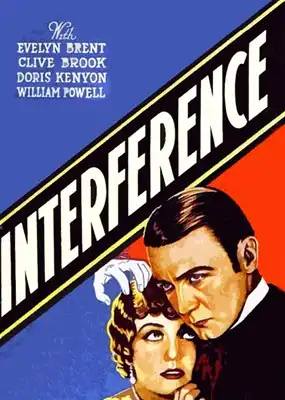
A definitive 6.2/10 rating for a film that redefined the boundaries of cult cinema. Interference remains a cornerstone of transgressive art.
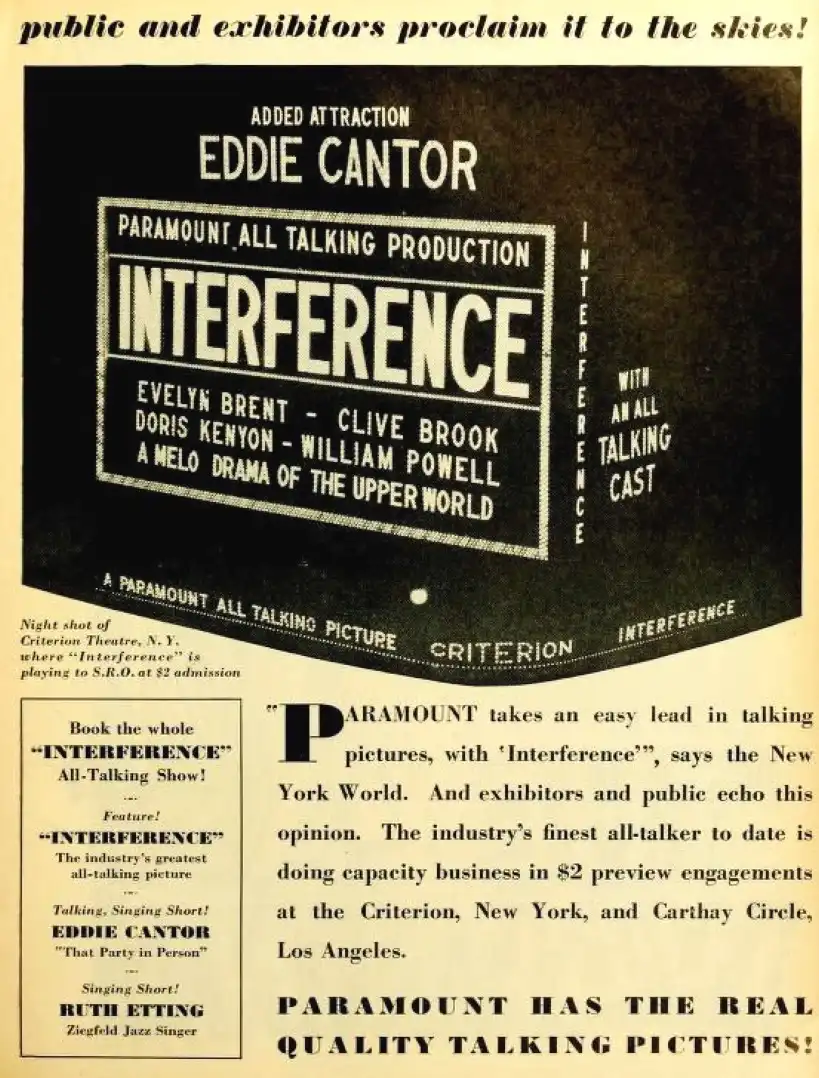
Interference is one of those early talkies that really requires a specific kind of patience. If you're a student of film history, or just genuinely curious about how movies found their voice in the late 20s, then yeah, it’s worth a look. You get a glimpse of actors grappling with new technology, and sometimes failing spectacularly. But if you're hoping for a taut thriller or anything resembling modern pacing, you'll probably spend most of the runtime checking your watch. This one is strictly for the dedicated; casual viewers will likely find it a slog.
The story itself, this whole presumed-dead husband, jealous ex-lover, blackmail scheme, it’s ripe for melodrama, right? And it delivers on that. But the delivery is often where things get… clunky. There are long stretches where characters just stand there, talking, and the camera just sits, seemingly unsure what to do. It’s like they were still figuring out how to cut away, how to use close-ups to build tension without just parking the thing in front of someone's face for a full minute. The Talk of the Town, for example, even with its own early sound hiccups, felt more dynamic.
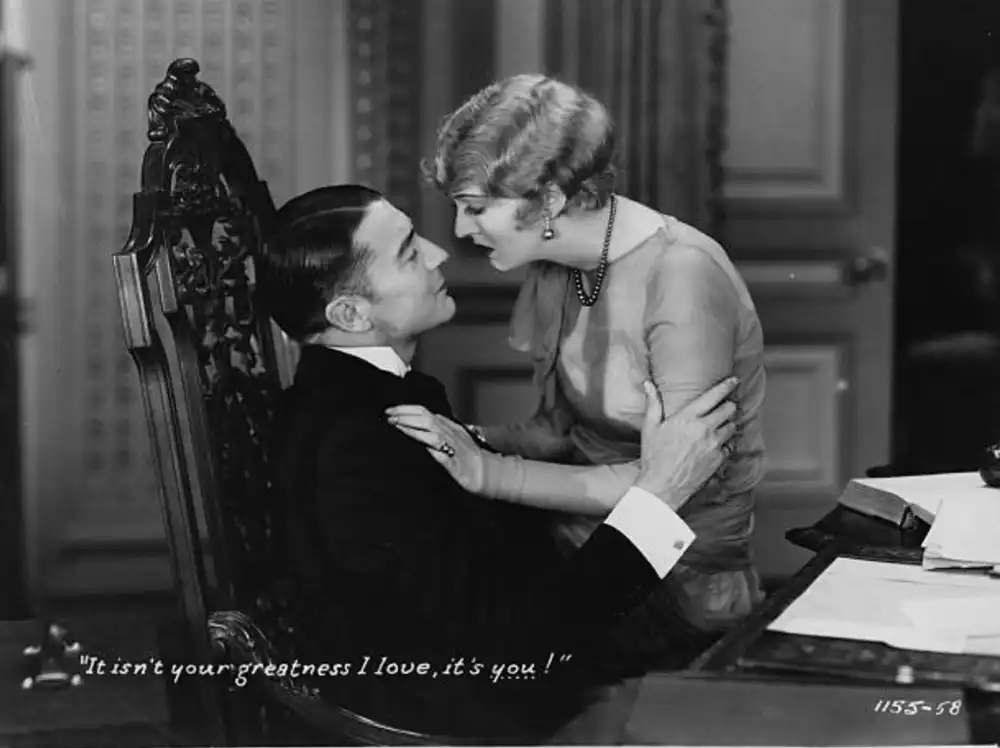
Evelyn Brent as Deborah, the ex-lover, she's got this intensity. Sometimes it works, like when she's cornering Faith (Doris Kenyon) with those thinly veiled threats. You can see the venom in her eyes. Other times, though, it feels a bit too much, like she's playing to the back row of a theatre, not for a camera that's right there. You almost feel the film trying to convince you this moment matters, but the acting pushes it over the edge into caricature sometimes.
William Powell, even in these early roles, has that distinct smooth, slightly sinister quality. He's not given a ton to do here beyond being the 'other man' in a roundabout way, but he carries it off. He's one of the few who seems to understand the camera isn't a stage. His scenes, brief as they are, offer a little pocket of competence amidst the general uncertainty.
There's a scene early on where Philip (Clive Brook), the 'dead' husband, is in his London hideout. The set dressing is sparse, almost theatrical. You can practically see the edge of the flat. And the way he reacts to news, or just sits there brooding, it's very stiff. You don't get much of a sense of why he's staying hidden beyond the plot demanding it. The emotional weight of his choice, living under an assumed name, it just doesn't land.
And the dialogue! Some of it feels incredibly unnatural, like everyone's reading from a very formal play script written for a different era. 'You cannot possibly comprehend the depths of my despair!' or something similar. It’s not just the period language; it’s the rhythm. Nobody breathes. It's just lines delivered, one after another. This is where you really feel the 'interference' of the new sound technology, if you will. They hadn't figured out how to make speech sound like people talking yet.
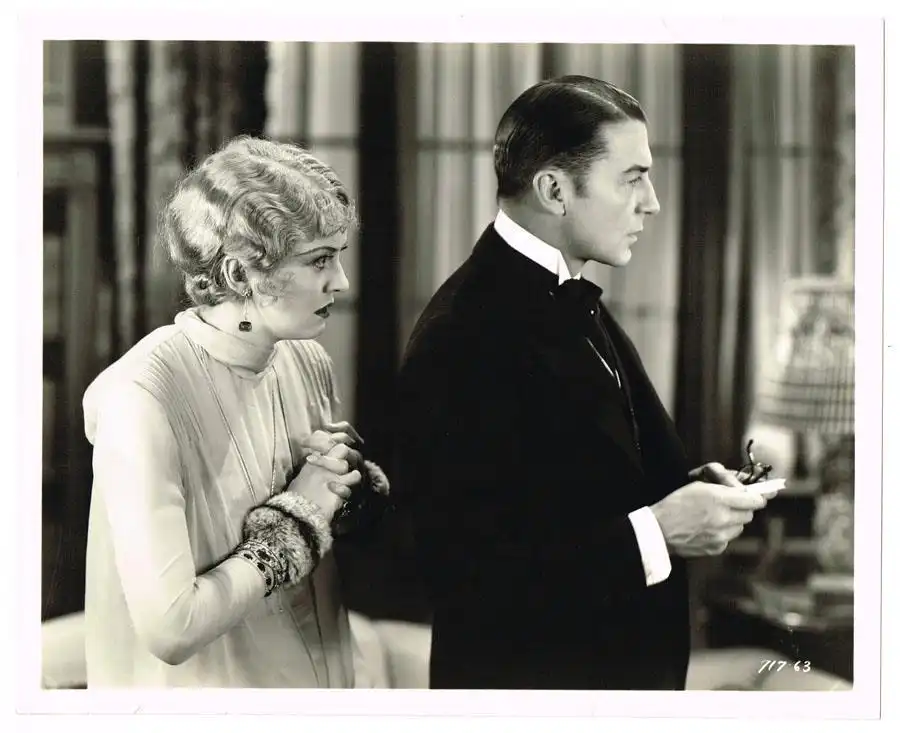
One particular shot lingers in my mind: a very long, static medium shot of Faith and Sir John (Wilfred Noy) discussing something serious. Sir John keeps adjusting his tie, a tiny nervous tic, while Faith just stares off, looking vaguely distressed. The shot goes on about 15 seconds too long, and the silence starts to feel awkward rather than emotional. You just start noticing the dust motes in the air, or wondering if the camera operator fell asleep.
The scene where Deborah confronts Faith with the blackmail proposition is supposed to be tense, but it's undermined by this strange back-and-forth cutting. One moment you're on Deborah, then a sharp cut to Faith, then back. There's no build-up, no sense of spatial relationship between them. It’s like they shot each side separately and then just stitched them together without much thought for continuity or dramatic effect. It pulls you right out of the moment.
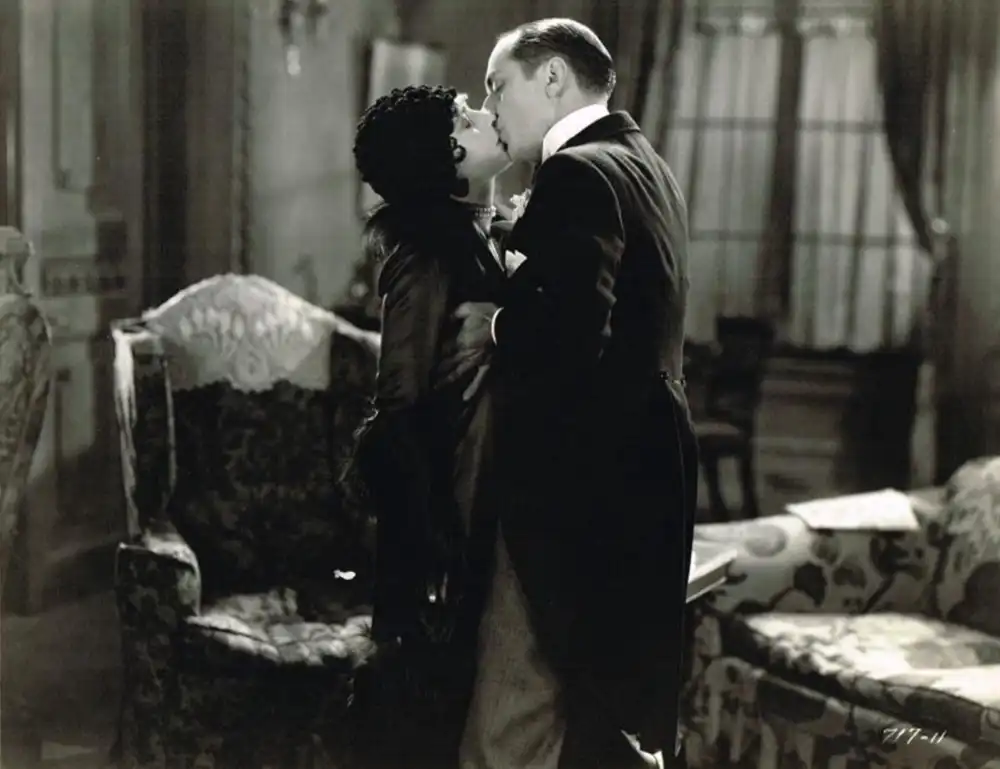
The movie keeps trying to be a serious drama, but then little things happen. Like a servant character, Clyde Cook, who pops up for a few bits of comic relief. His presence feels so out of place, like he wandered in from a completely different film, maybe a lighthearted romp like Chimmie Fadden Out West. The tonal whiplash is real. You're trying to invest in this heavy story of mistaken identity and betrayal, and then there's a quick, almost silent comedy bit thrown in.
I kept thinking about the audience in 1928, watching this. What must it have been like? The novelty of sound alone probably carried a lot of it. But for us now, it’s a constant battle against the urge to fast forward. The plot, for all its twists, feels telegraphed. You know where it's going, or at least you suspect the broad strokes, and the journey there is often a slow, stiff one.
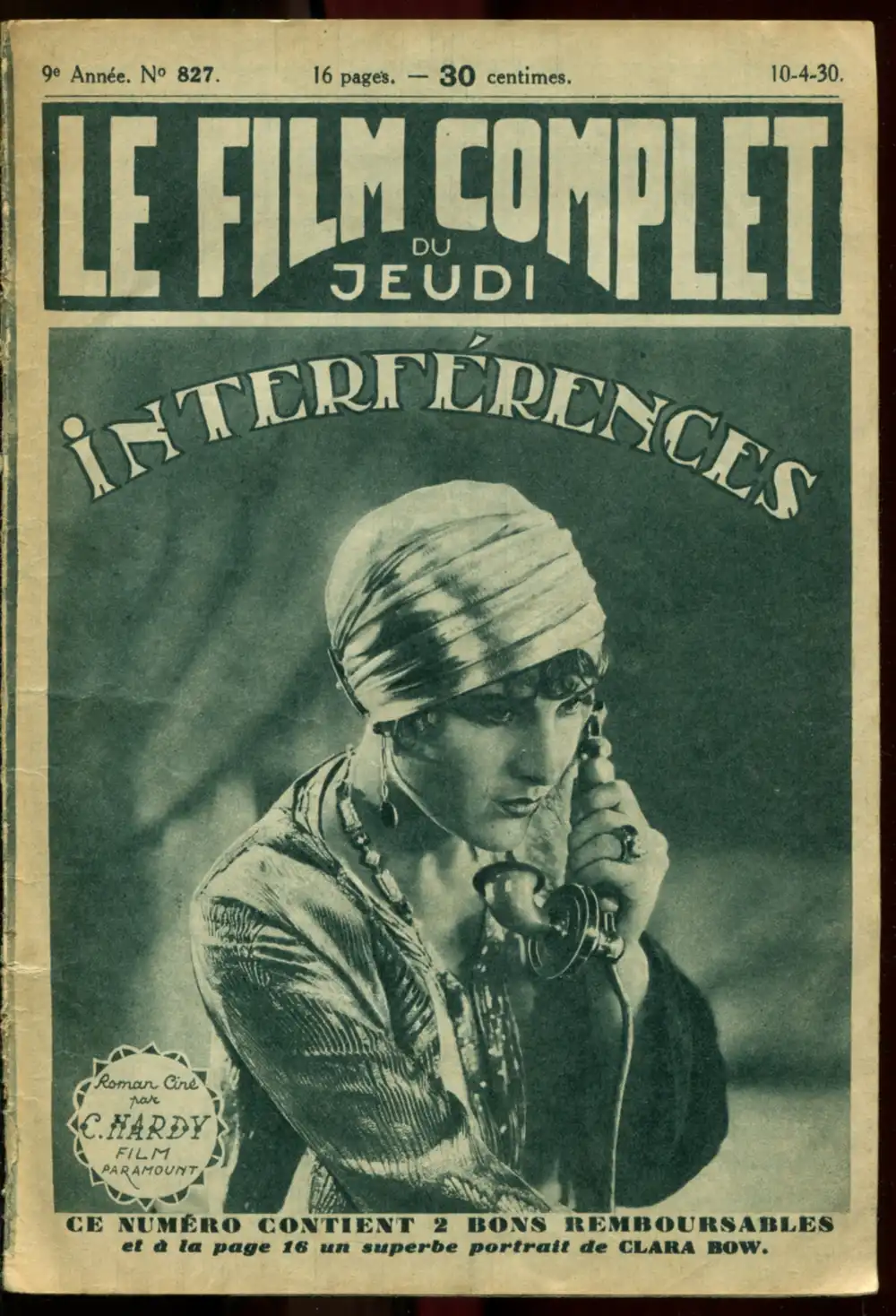
There's a subtle costume detail I noticed on Faith – her dresses are always very elegant, but a little too perfect, almost stiff. It mirrors her character, I think, this woman trying to maintain an outward composure while her world is slowly unraveling. Or maybe it was just the fashion of the day, hard to say for sure. But it felt like a deliberate choice, even if an unconscious one from the costume department.
So, Interference. It's not a great film by any modern standard, or even by the standards some of its contemporaries would quickly set. But it is a document. A fascinating, often frustrating, document of a medium in transition. You can see the struggle, the experiments, the awkward steps forward. If you're into that kind of thing, if you can forgive a lot of stilted performances and static camerawork for the sake of watching history unfold, then maybe give it a shot. Otherwise, there are plenty of other early talkies that found their footing a bit more gracefully.
IMDb 5.8
1926
Community
Log in to comment.