DbcultAccessing Vault...
Cult Review
Senior Film Conservator
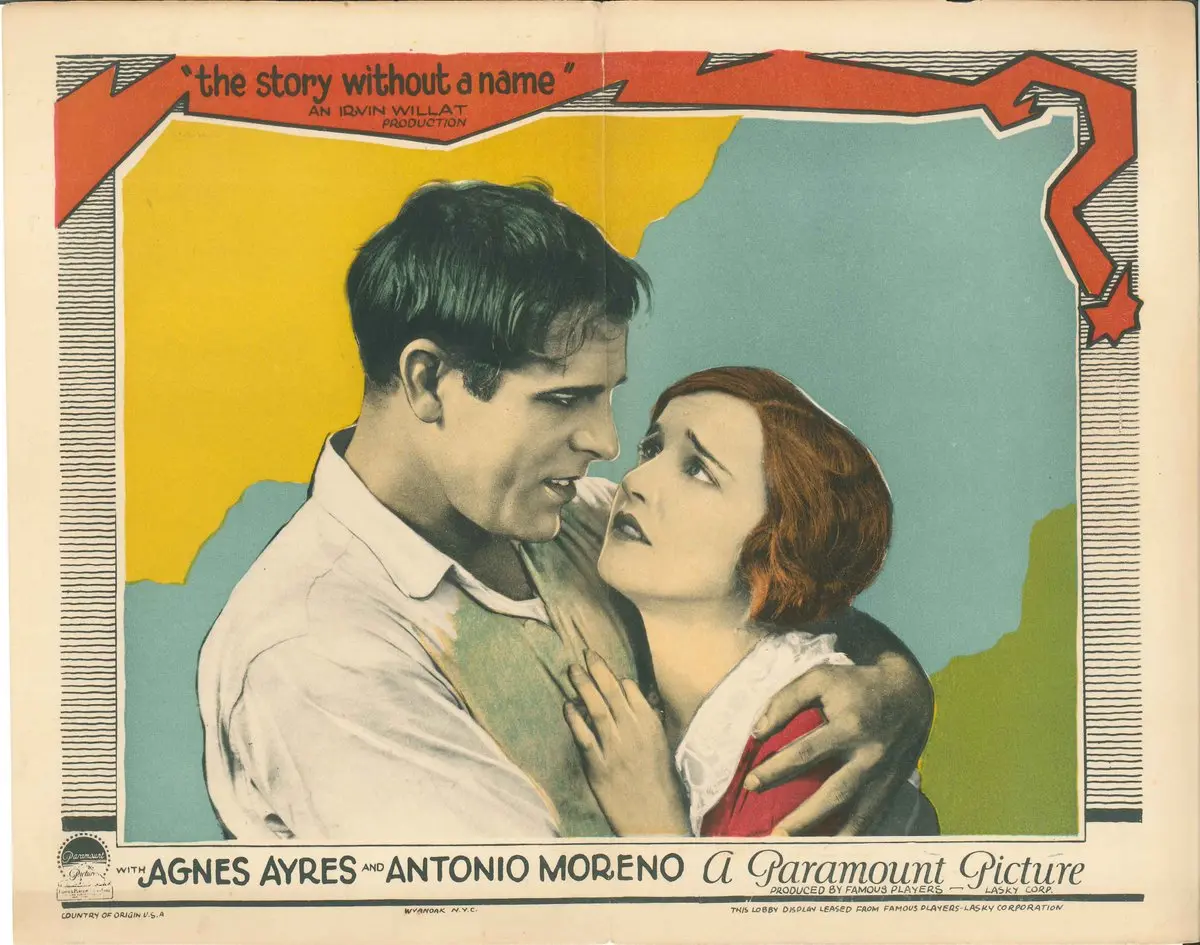
The Story Without a Name, a cinematic endeavor released in the silent era, presents a labyrinthine narrative that masterfully entwines themes of espionage, technological prowess, and the indomitable human spirit. This film, penned by Arthur Stringer and Victor Irvin, boasts an impressive cast, including Jack Lionel Bohn, Tyrone Power Sr., and Dagmar Godowsky, who collectively bring to life a tale of high stakes and cerebral wit.
The story commences with Drakma, an international spy of enigmatic presence, who sets his sights on acquiring the triangulator, a revolutionary device engineered by the brilliant radio expert Alan Holt for the United States Government. This coveted invention, capable of emitting electronic death rays, has the potential to disrupt the global balance of power, making it a prized asset for Drakma and his clandestine organization.
Mary Walsworth, a courageous and resourceful operative, thwarts Drakma's plans by dismantling the machine before it falls into his nefarious hands. This pivotal event catalyzes a chain reaction of cat-and-mouse maneuvers, as Drakma retaliates by capturing Alan and Mary, subsequently separating them and issuing an ultimatum to Alan: construct a new triangulator on a remote island, under the threat of Mary's execution.
Undeterred by the perils, Alan ingeniously subverts Drakma's demands by building a radio transmitter, broadcasting a distress signal that eventually reaches Admiral Walsworth, Mary's father. This fortuitous intervention enables Alan to orchestrate a daring rescue mission, as he navigates to the rum-runner on a makeshift raft, outwits the crew, and awaits the arrival of sailors to liberate Mary.
The film's narrative is reminiscent of Zhenshchina, kotoraya izobrela lyubov, which also explores themes of love, ingenuity, and deception. However, The Story Without a Name distinguishes itself through its fast-paced action sequences and the intellectual duel between Drakma and Alan, which serves as the narrative's linchpin.
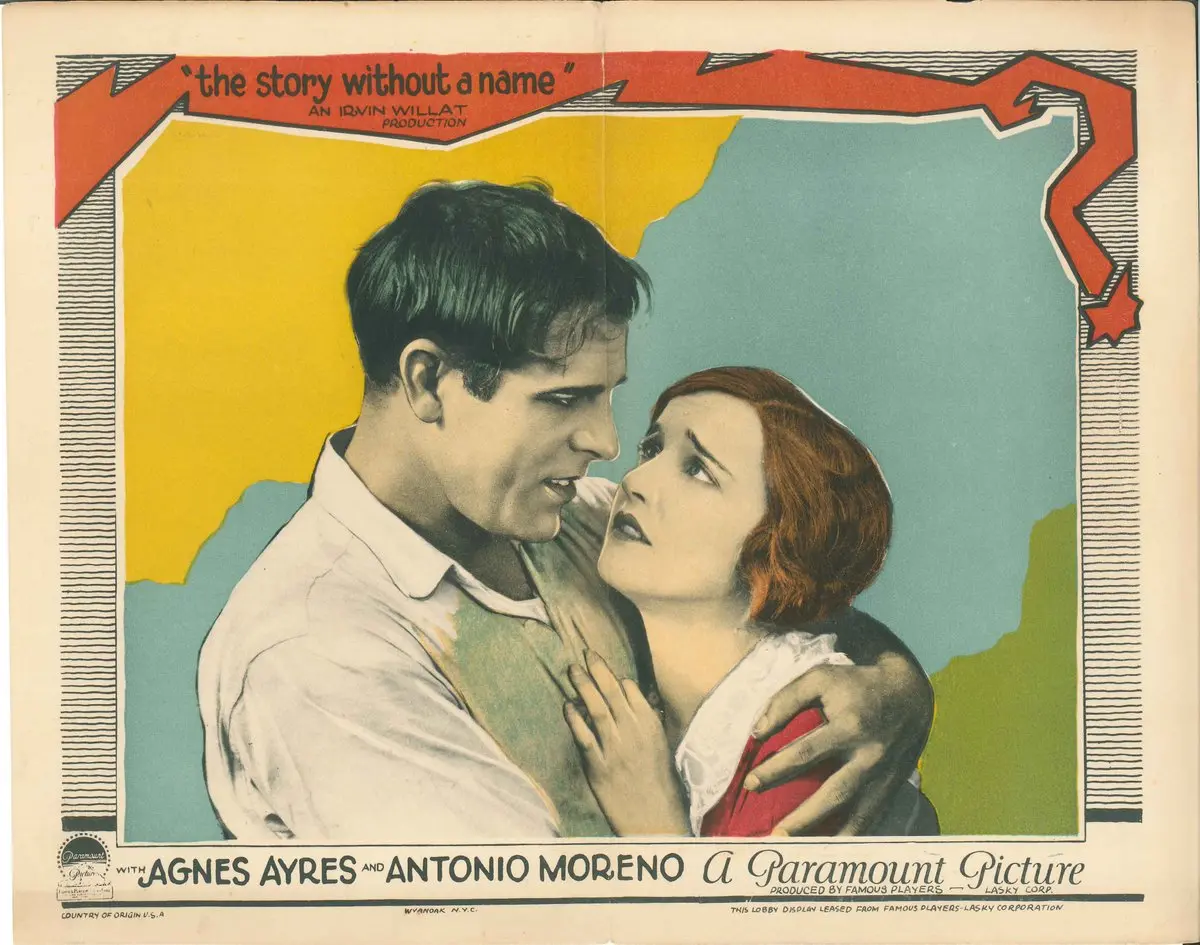
The performances of the cast are noteworthy, particularly Tyrone Power Sr., who brings a charismatic presence to the role of Alan Holt. The chemistry between the leads is palpable, lending an air of authenticity to the film's tense situations. The cinematography, though characteristic of the silent era, effectively captures the moody atmosphere of the film, immersing the viewer in the world of espionage and intrigue.
In comparison to other films of the era, such as Dinty and The Call of the North, The Story Without a Name stands out for its sophisticated plot and the thematic depth it explores. The film's pacing, though measured by today's standards, maintains a thrilling momentum that keeps viewers engaged until the climactic conclusion.
The Story Without a Name is a testament to the enduring appeal of silent cinema, offering a compelling narrative that continues to captivate audiences. Its exploration of themes such as ingenuity, courage, and the battle of wits serves as a reminder of the timeless nature of these stories. For fans of classic cinema and those interested in the evolution of the spy thriller genre, this film is an essential watch.
In conclusion, The Story Without a Name is a masterful blend of action, suspense, and intellectual intrigue, making it a standout title in the silent film canon. Its influence can be seen in later works, such as No Mother to Guide Him and Her Honor the Mayor, which also explore themes of deception and resilience. As a cinematic experience, it offers a unique glimpse into the early 20th-century world of espionage, where technological innovation and human ingenuity are constantly at play.
The film's legacy extends beyond its immediate narrative, contributing to the broader cultural conversation about the role of technology in shaping global power dynamics. In an era where espionage and technological supremacy continue to dominate headlines, The Story Without a Name serves as a timely reminder of the enduring themes that underpin these narratives.
IMDb —
1930
Community
Log in to comment.