DbcultAccessing Vault...
5.6/10
Senior Film Conservator
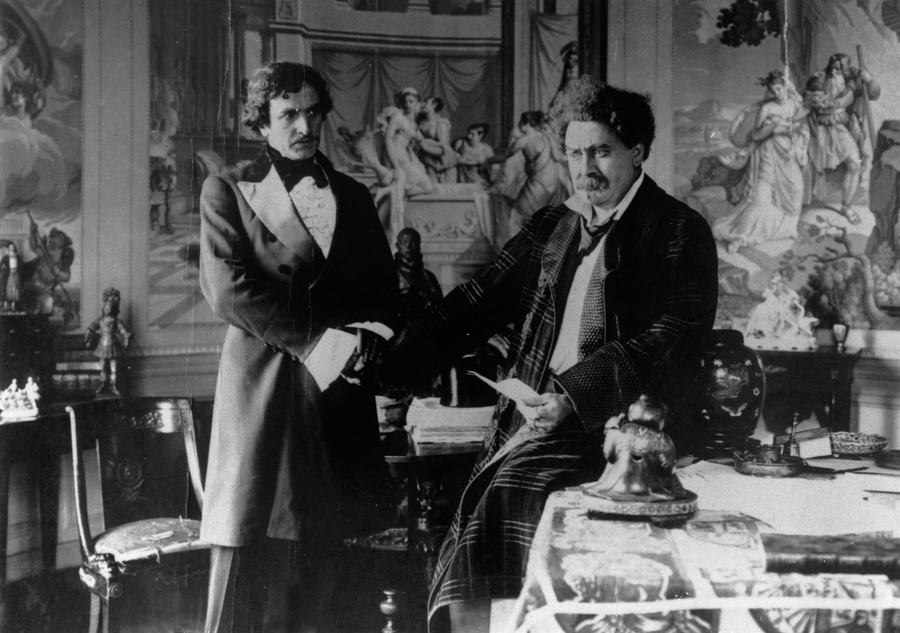
A definitive 5.6/10 rating for a film that redefined the boundaries of cult cinema. Les frères corses remains a cornerstone of transgressive art.
The cinematic landscape, particularly in its nascent stages, frequently turned to the grand narratives of literature for its inspiration, seeking stories that possessed an inherent dramatic tension capable of captivating audiences without the crutch of elaborate special effects. Among these literary titans, Alexandre Dumas père stands as an undeniable colossus, his sprawling sagas of adventure, revenge, and intricate human relationships proving fertile ground for adaptation. 'Les frères corses,' an interpretation of his compelling novel 'The Corsican Brothers,' is a testament to the enduring power of his storytelling, a narrative that probes the very essence of identity, destiny, and the unbreakable bonds of blood. This film, featuring a distinguished ensemble including Gaston Glass, Philippe Garnier, and André Brulé, endeavors to translate Dumas's unique blend of the romantic and the supernatural to the silver screen, a challenging feat that, when executed with vision, can yield profoundly resonant results.
At its heart, 'Les frères corses' is a tale of duality, a profound exploration of two individuals who are, in essence, one. Louis and Lucien de Franchi are not merely twins; they are psychically conjoined, sharing an almost mystical empathy that allows them to experience each other's physical and emotional states across vast distances. This premise, audacious even by today's standards, provides the narrative with its foundational tension and its most poignant moments. The screenplay, derived from Dumas's intricate plotting, masterfully establishes this bond early on, setting the stage for the inevitable tragedy that will test its limits. Louis, the more introspective and scholarly of the two, and Lucien, the passionate and impetuous man of action, represent two sides of the same coin, their contrasting temperaments highlighting the complexity of human nature while simultaneously underscoring their inherent unity. The casting of Gaston Glass and Philippe Garnier in key roles would have been pivotal here, requiring performances capable of conveying both individuality and an underlying, almost spiritual connection. Their ability to subtly hint at this shared consciousness, even in separate scenes, would have been crucial to the film's success, transforming what could be a mere plot device into a deeply felt emotional truth.
The Corsican setting is not merely a backdrop; it is a character in itself, imbued with a fierce sense of honor, tradition, and an unyielding code of vengeance that dictates the lives of its inhabitants. Dumas understood this intrinsically, and a successful adaptation must convey this rugged, almost elemental spirit. The film, in its visual storytelling, would have needed to capture the stark beauty of the Corsican landscape, its isolation mirroring the intense, insular world of the de Franchi family. This geographical and cultural specificity elevates the story beyond a simple melodrama, imbuing it with a sense of fatalism and ancient justice. The vendetta, a central theme, is not just a personal grudge but a societal imperative, a cycle of retribution passed down through generations. This is where the film finds its true dramatic weight, as Louis, after experiencing his brother's violent death through their shared psychic link, feels compelled to uphold this age-old tradition, not out of mere anger, but from a profound, almost spiritual obligation to his fallen twin. This transformation of Louis, from a man of contemplation to an instrument of vengeance, is the narrative's most compelling arc, demanding a performance of considerable nuance and intensity.
The supporting cast, featuring talents like André Brulé, Henry Roussel, and Henry Krauss, would have been instrumental in fleshing out this world, providing the human context for the de Franchi brothers' saga. Each character, from the formidable matriarch to the various antagonists and allies, contributes to the rich tapestry of Corsican society, highlighting the intricate web of loyalties and animosities that define their existence. The dramatic confrontations, particularly those involving Jacques Grétillat, known for his commanding presence, would have been charged with a palpable tension, driving the narrative forward with relentless momentum. The film's ability to maintain this narrative drive, balancing moments of tender introspection with bursts of violent action, is a hallmark of effective storytelling. Much like the intense emotional stakes observed in The Cheat, where moral compromises ignite explosive passions, 'Les frères corses' thrives on the extreme emotional reactions of its characters, pushing them to their very limits in the name of honor and family.
One of the most fascinating aspects of 'Les frères corses' is its exploration of identity. When Louis assumes Lucien's persona to exact revenge, he effectively blurs the lines between them, becoming a living embodiment of his brother's spirit. This act is more than a disguise; it is a profound psychological merging, a testament to the idea that their bond transcends even death. The film, through the performances and direction, would need to convey the subtle shifts in Louis's demeanor, the way Lucien's fiery spirit begins to manifest within him, creating a haunting and powerful portrayal of shared identity. This duality, this sense of one soul inhabiting two bodies (or one body after the other has departed), is a concept that resonates deeply, touching upon universal themes of loss, grief, and the desire for continuity. It asks profound questions about what truly defines an individual when their very essence is intertwined with another.
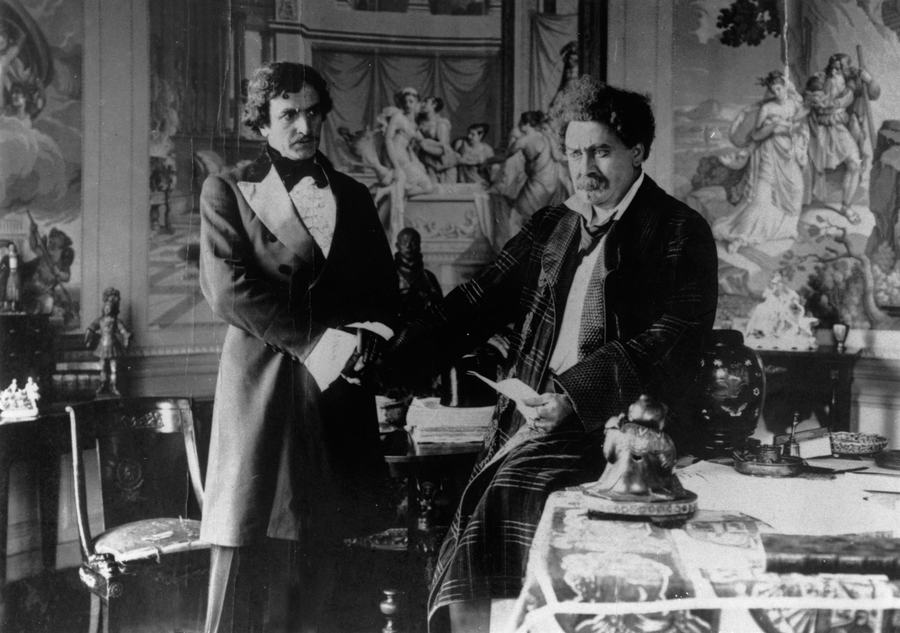
The film's thematic depth extends beyond mere revenge; it delves into the nature of justice, fate, and the inexorable pull of one's heritage. Is Louis's quest a matter of free will, or is he merely an instrument of a larger, predetermined destiny? The Corsican code of honor suggests the latter, portraying individuals as bound by ancestral obligations that transcend personal desires. This fatalistic worldview, so central to Dumas's work, provides a powerful undercurrent to the unfolding drama. It elevates the conflict from a simple personal vendetta to a confrontation with the very forces of destiny. The visual language of the film, through its use of shadow and light, its framing of characters against vast, unforgiving landscapes, could effectively amplify this sense of inescapable fate. The starkness of certain scenes, perhaps reminiscent of the grim determination seen in Woe to the Conqueror; or, The Law of War, would underscore the gravity of the choices made and the heavy price of retribution.
The technical aspects of such an adaptation, particularly in its era, would have presented unique challenges. Conveying the psychic link between the brothers without resorting to overt, clumsy exposition requires ingenuity. Visual cues, subtle editing techniques, and the actors' ability to project internal states would have been paramount. The film's direction would need to craft a visual grammar that subtly communicates this extraordinary connection, perhaps through parallel editing, matching gestures, or shared expressions of pain or joy, even when the characters are geographically separated. This kind of sophisticated visual storytelling, even in early cinema, could create a powerful sense of an unseen force binding the siblings. The climactic duel, the ultimate culmination of Louis's quest for vengeance, would demand precise choreography and intense emotional performances, serving as the dramatic release point for all the built-up tension. The visceral impact of such a scene, echoing the raw intensity of a boxing match like Nelson-Wolgast Fight, albeit with far greater narrative weight, would be crucial for satisfying the audience's investment in Louis's journey.
Beyond its immediate dramatic impact, 'Les frères corses' also serves as a fascinating study in character development and the psychological toll of a life dictated by honor and vengeance. The evolution of Louis from a gentle scholar to a man consumed by a sacred duty is a profound transformation, one that challenges the audience to grapple with the morality of his actions. Is his revenge justified, or is he merely perpetuating a cycle of violence? Dumas's genius lies in presenting these dilemmas without easy answers, allowing the audience to ponder the complexities of human motivation. The film, if it truly captures this ambiguity, transcends simple genre conventions, inviting a deeper reflection on justice, morality, and the human cost of adhering to ancient codes. This nuanced portrayal of character, where inner turmoil drives external action, distinguishes it from more simplistic narratives, aligning it with the deeper psychological explorations sometimes found in works like Salvation Nell, where characters are driven by powerful internal forces and societal pressures.
The legacy of 'The Corsican Brothers' as a story is immense, having been adapted numerous times across various media. This particular film version, with its specific cast and directorial vision, stands as a unique interpretation, a snapshot of how a classic tale was brought to life in its time. It offers insights not only into the enduring appeal of Dumas's narrative but also into the cinematic techniques and sensibilities prevalent during its production. The enduring power of the story lies in its ability to tap into universal human experiences: the profound connection between siblings, the searing pain of loss, and the primal urge for justice. These themes resonate across generations and cultures, making 'Les frères corses' a narrative that continually finds new audiences and new interpretations. The very nature of the dual role, often played by a single actor in subsequent adaptations, presents an intriguing challenge, demanding versatility and a deep understanding of both characters. Here, with potentially two distinct actors portraying the twins, the dynamic could be even more compelling, highlighting their differences while underscoring their shared essence.
The artistic choices in color, if we imagine them in a modern context or infer their symbolic weight, would further enrich the narrative. The dark orange, representative of passion, blood, and the fiery Corsican spirit, could punctuate moments of intense emotion or violence, highlighting the raw, untamed nature of Lucien and the vengeful drive of Louis. The yellow, symbolizing betrayal, deceit, or perhaps the fleeting warmth of love and happiness before tragedy strikes, could delineate crucial turning points or the deceptive allure of certain characters. The sea blue, evoking the deep, mysterious waters surrounding Corsica, the cool rationality of Louis, or the profound sorrow and isolation felt by the surviving brother, would provide a contemplative counterpoint, grounding the more fervent elements of the story. These symbolic hues, when woven into the fabric of the visual storytelling, would add layers of meaning and emotional resonance, transforming the cinematic experience into a richer, more immersive one. Even in a black and white film, the *implication* of these colors through lighting and contrast could be powerful.
Ultimately, 'Les frères corses' stands as a powerful testament to the timeless appeal of a well-told story, particularly one as rich in dramatic potential as Dumas's original. It is a film that, through its exploration of an extraordinary fraternal bond and an ancient code of honor, delves into the very core of human nature. The performances, especially those tasked with embodying the complex duality of the de Franchi brothers, are central to its success, grounding the fantastical elements in genuine human emotion. The film's enduring relevance lies in its ability to provoke thought about identity, fate, and the enduring power of family, making it a compelling piece of cinematic history and a worthy adaptation of a literary masterpiece. It reminds us that some narratives, like the rugged Corsican landscape itself, are etched into the very soul, enduring across generations and media, continuing to captivate and challenge us with their profound insights into the human condition. Its intricate plot and strong emotional core place it in a lineage of compelling dramas that explore deep interpersonal connections, much like the emotional intricacies found in Motherhood or the complex relational dynamics of The Flirt, though with a distinctly more dramatic and fatalistic bent.
IMDb 7.2
1934
Community
Log in to comment.