DbcultAccessing Vault...
Cult Review
Senior Film Conservator
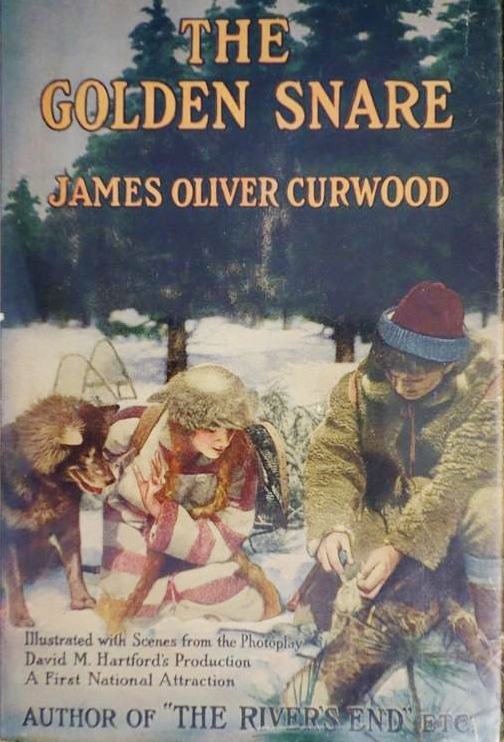
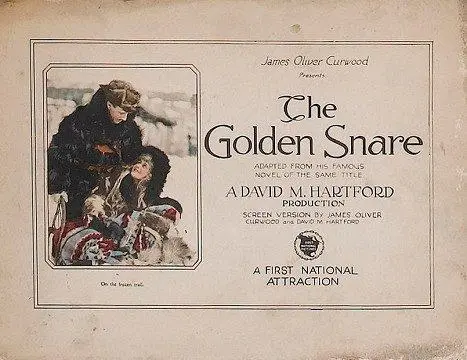
In the annals of early cinema, where the wilderness often served as both antagonist and crucible for human drama, few films capture the raw essence of frontier life and the relentless pursuit of justice quite like 'The Golden Snare' (1921). This cinematic journey, adapted from James Oliver Curwood's evocative prose, thrusts us into a world where moral certainties are as elusive as the mountain winds and survival is a constant, brutal negotiation. Directed with an eye for both expansive landscapes and intimate human struggle by David Hartford, the film stands as a testament to the compelling power of silent storytelling, a narrative tapestry woven with threads of mistaken identity, unexpected alliances, and a mystery as chilling as the Arctic air itself.
At its core, 'The Golden Snare' is a tale of duty clashing with the unpredictable currents of fate. Sgt. Philip Raine, portrayed with a stoic gravitas by Lewis Stone, embodies the steadfast resolve of the Royal Northwest Mounted Police. His mission is unambiguous: to apprehend Bram Johnson, a killer whose transgressions have echoed through the desolate peaks. Stone, a seasoned actor whose career would span decades and countless iconic roles, imbues Raine with a quiet determination, a man whose moral compass remains true even when the external world threatens to disorient him entirely. His performance here, early in his illustrious career, already hints at the nuanced depth he would later bring to characters like Judge Hardy.
The initial premise, a straightforward manhunt, quickly devolves into a labyrinth of misdirection. Raine's encounter with a dying Frenchman, whom he mistakenly identifies as his elusive quarry, sets the stage for a series of events that defy simple categorization. This pivotal moment, where a life departs and a new one is entrusted, is fraught with a poignant symbolism. The Frenchman's final, desperate act – to bestow upon Raine a tiny infant and a peculiar rabbit snare crafted from shimmering golden hair – is not merely a plot device; it is a profound transfer of responsibility, a silent plea for the continuation of innocence amidst the harsh realities of the wild. This enigmatic golden snare itself becomes a potent symbol, hinting at a deeper, almost mystical connection to the untamed north, a motif that elevates the film beyond a mere genre piece. It’s a touch that evokes the spiritual dimension found in certain classic narratives, much like the profound moral dilemmas explored in The Dwelling Place of Light, albeit through a starkly different lens.
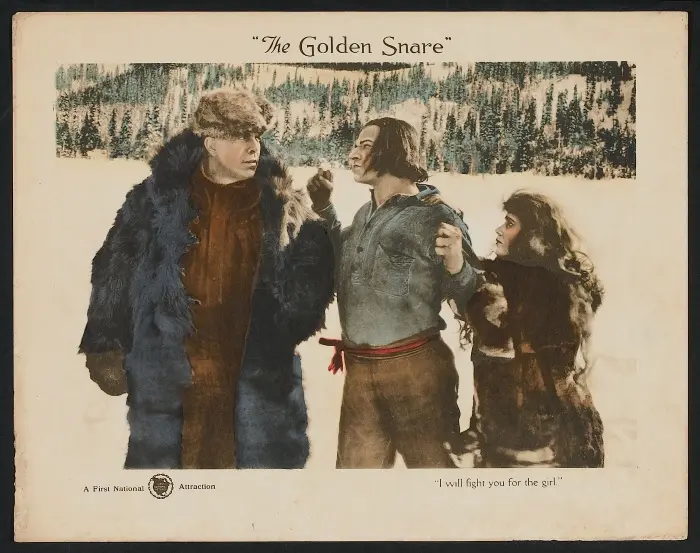
The narrative then plunges Raine into an even more immediate struggle for survival. A merciless blizzard descends, its swirling white fury mirroring the confusion and peril that now engulf him. The stark visual contrast between the pristine snow and the encroaching darkness of the wolf-dogs, a formidable pack driven by primal instinct, creates a visceral sense of dread. It is in this moment of extreme vulnerability that Celie, played by the captivating Ruth Renick, makes her dramatic entrance. Renick, with her striking blonde hair and ethereal presence, embodies the spirit of the wilderness itself – beautiful yet capable of guiding through its dangers. Her sudden appearance, leading Raine to the relative safety of a secluded stockade, is a classic trope of the damsel-in-distress turned improbable savior, but Renick infuses Celie with an agency that transcends mere archetype.
The stockade reveals the true Bram Johnson, not the dying Frenchman, but a robust, complex character brought to life by the inimitable Wallace Beery. Beery, a master of portraying rough-hewn, often morally ambiguous figures, delivers a performance that oscillates between menace and a surprising paternal protectiveness. His Bram Johnson is not a one-dimensional villain but a man forged by the unforgiving environment, capable of both brutal acts and unexpected loyalty. Celie's immediate act of shielding Raine from Johnson introduces a fascinating dynamic, a love triangle of sorts, or perhaps more accurately, a tension between duty, survival, and a nascent, undeniable attraction. This intricate web of relationships, where allegiances are fluid and motivations are opaque, provides much of the film's dramatic thrust. It's a testament to the nuanced characterizations that even in a silent film, the emotional complexities resonate deeply, much like the intricate human relationships explored in Tess of the D'Urbervilles, though set against a vastly different social backdrop.
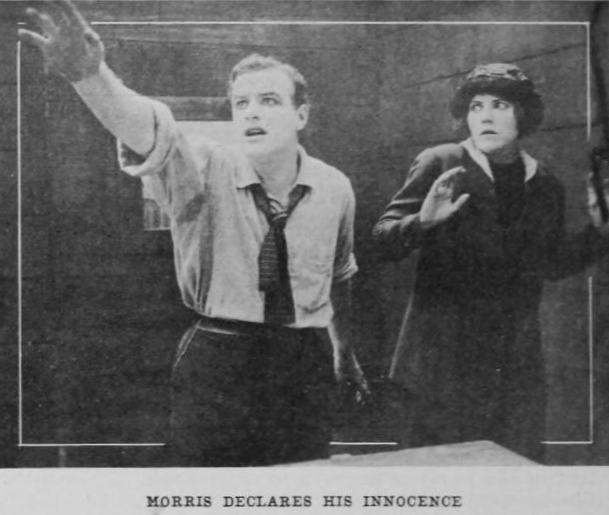
The narrative escalates with the introduction of "Black" Dawson, a jealous rival, adding another layer of external threat to the already precarious situation. DeWitt Jennings, often cast as authoritative figures, here plays Dawson with a simmering resentment and possessiveness that makes him a palpable danger. His capture of both Celie and Raine throws the protagonists into dire straits, forcing Johnson, the initial antagonist, into a surprising role as their reluctant savior. This inversion of expectations, where the hunter and the hunted momentarily unite against a common foe, speaks volumes about the shifting moral landscape of the frontier. It’s a narrative twist that keeps the audience engaged, constantly questioning who the true hero or villain might be, a sophisticated approach for its era. The film cleverly plays with audience expectations, much like how The Crime and the Criminal might challenge perceptions of justice and culpability.
The climax is both dramatic and revelatory. Bram Johnson, in his final moments, provides the missing piece to the puzzle, unraveling the profound mystery surrounding Celie's origins. She was not born of the wilderness in the conventional sense, but discovered as an infant within the ice-bound hull of an explorer's long-lost ship. This revelation transforms Celie from a mere love interest into a symbolic figure, a child of the frozen north, a survivor against impossible odds. The golden snare, initially a cryptic object, now takes on a new significance, perhaps a relic from that very expedition, a tangible link to a past shrouded in ice and forgotten voyages. This element of discovery and ancient mystery adds a layer of adventurous romance, reminiscent of the grand narratives found in tales of exploration and survival, albeit with a unique, silent film sensibility.
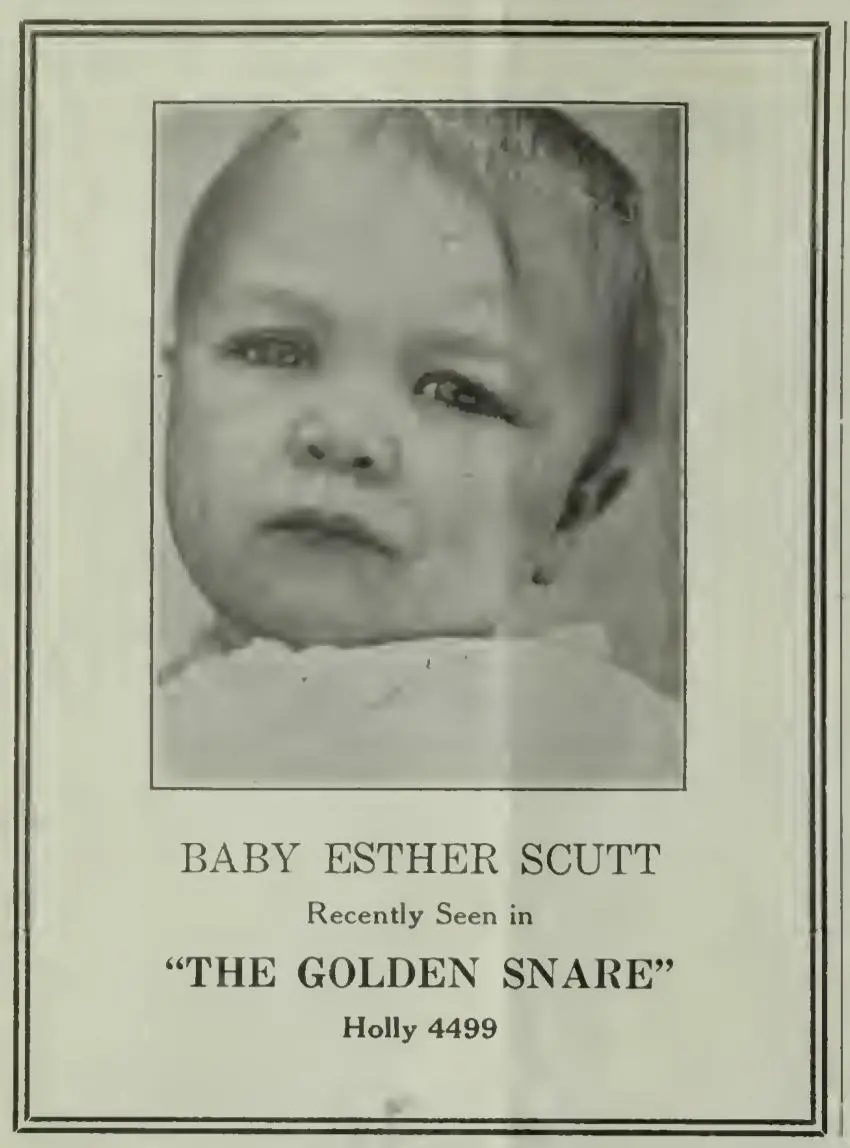
The performances across the board are commendable, especially considering the constraints of the silent era. Lewis Stone brings a quiet dignity to Sgt. Raine, a man of law grappling with the lawlessness of the wild. Wallace Beery, in a role that allows him to showcase his versatility, masterfully conveys the duality of Bram Johnson – a brute with a hidden code of honor. Ruth Renick's Celie is not merely a passive object of desire but an active participant in her own fate, embodying a strength and resilience that belies her delicate appearance. Even the supporting cast, including Little Esther Scott in a brief but memorable role, contributes to the rich tapestry of characters inhabiting this harsh world. The film's ability to convey complex emotions and character arcs without spoken dialogue is a testament to the actors' craft and the director's vision.
Cinematically, 'The Golden Snare' is a marvel for its time. The location shooting, likely in the rugged terrains of North America, provides breathtaking backdrops that are integral to the narrative. The vast, snow-covered landscapes are not just scenery; they are characters in themselves, imposing their will on the human protagonists. The blizzard sequence, in particular, is executed with a convincing realism that would have captivated audiences of the period. The use of natural light and the careful composition of shots emphasize the isolation and grandeur of the setting. The film's visual storytelling is robust, relying on strong imagery and expressive acting to convey plot and emotion, a hallmark of effective silent film direction. One can draw parallels to other films of the era that masterfully used their settings, such as the dramatic desert landscapes in Flame of the Desert, though the cold, unforgiving north presents its own distinct challenges and visual opportunities.
Themes of survival, justice, and the untamed human spirit resonate throughout 'The Golden Snare'. It explores the blurred lines between civilization and wilderness, and how individuals adapt, or fail to adapt, to extreme conditions. The film delves into the idea that heroism can emerge from unexpected places, and that even those branded as outlaws can possess redeeming qualities. The mystery of Celie's origins, a child of an ice-bound past, adds a layer of romanticism and wonder, suggesting that life finds a way to persist even in the most desolate corners of the earth. This enduring spirit of resilience is a powerful message, one that transcends the specific plot points and speaks to universal human experiences.
While 'The Golden Snare' might not possess the same widespread recognition as some of its contemporaries, its artistic merits and compelling narrative make it a significant piece of early American cinema. It showcases the burgeoning talent of its cast, particularly Lewis Stone and Wallace Beery, and exemplifies the ambitious storytelling that characterized the silent film era. For cinephiles and historians alike, rediscovering 'The Golden Snare' offers a valuable glimpse into a bygone era of filmmaking, where grand adventures and intricate human dramas were brought to life without the aid of spoken dialogue, relying instead on the power of visual storytelling, expressive acting, and evocative musical scores (which, though absent in our modern viewing, were integral to its original presentation).
Comparing it to other films of the period, 'The Golden Snare' stands out for its blend of action, mystery, and character development. It avoids the lighter romantic comedy fare of something like Persuasive Peggy or the musical charm of The Chocolate Soldier, instead carving its niche in the rugged adventure genre. Its focus on moral ambiguity and the harshness of the environment gives it a gravitas that aligns more with serious dramas, perhaps touching on similar themes of human endurance seen in narratives like Faith or the struggle against oppressive circumstances in Op hoop van zegen. The film's ability to sustain tension and deliver surprising plot twists is a testament to the craftsmanship of its writers, James Oliver Curwood and David Hartford, who adapted the source material with a keen understanding of cinematic pacing.
In conclusion, 'The Golden Snare' is more than just a historical curiosity; it is a vibrant, engaging piece of cinematic art that holds up remarkably well. Its intricate plot, compelling performances, and stunning visuals combine to create an immersive experience that transports the viewer to the wild, untamed north. It reminds us of the enduring allure of stories that pit man against nature, man against man, and man against his own preconceived notions of justice and identity. For those seeking a robust, character-driven adventure from the silent era, 'The Golden Snare' offers a rich and rewarding viewing experience, a true gem unearthed from the vast archives of film history. Its narrative complexity and thematic depth ensure its place as a film worthy of continued study and appreciation, a reminder that even without spoken words, cinema can deliver profound and lasting impressions.
IMDb —
1915
Community
Log in to comment.