DbcultAccessing Vault...
Cult Review
Senior Film Conservator
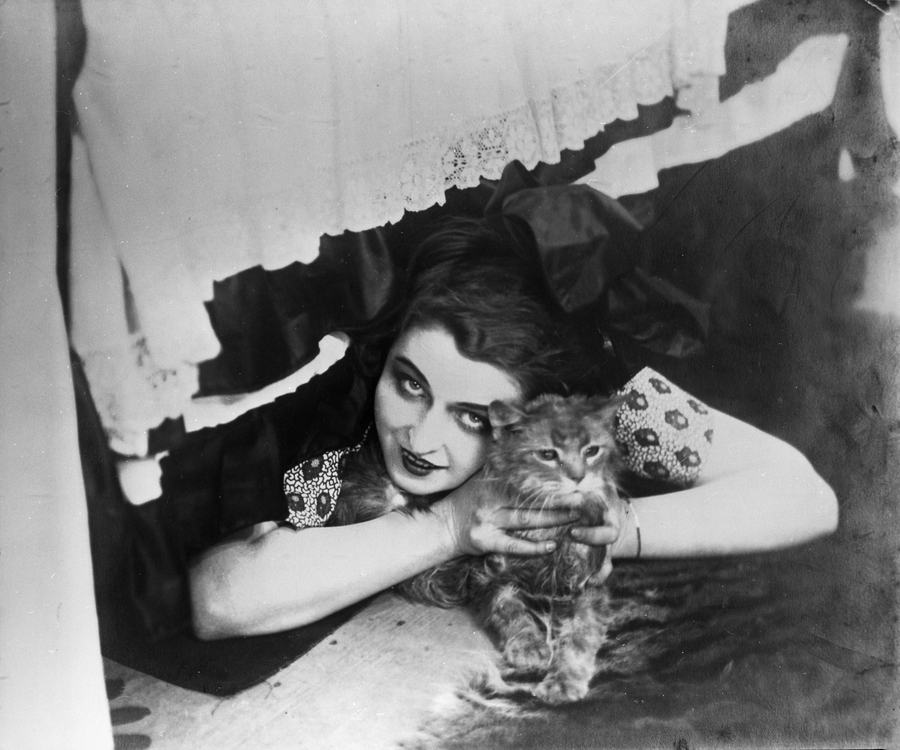
Imagine a film that arrives not like a narrative but like a perfume cloud from a vanished nightclub—bitter, sweet, impossible to bottle. Ircin románek I. is that cloud, celluloid nitrate soaked in laughter that forgot how to end. Viewed today, its very title feels like a coded sigh: “Irca’s little romance, part one,” suggesting sequels that never materialised, love letters posted into a void.
Shot on the cusp of Czech sound cinema, the movie exploits silence as a composer exploits rests—every absence hums. Director-writer team Josef Roden and Suzanne Marwille (who also plays the story’s puppet-queen) splice Weimar gloom with Slavic irony, yielding a tone that laughs at its own funeral. The plot, ostensibly a bourgeois farce, corkscrews into something closer to occult noir: marriage as a haunted house, dowries as blood money, wedding rings as handcuffs polished to a high societal sheen.
Prague here is no postcard. Through Kubásek’s lens it becomes a kaleidoscope cracked by political anxiety. Baroque spires skew like interrogation marks; tram rails glisten with predatory intent. In one unforgettable insert, the camera tilts thirty degrees while Irca descends Wenceslas Square—an angle so subtle you feel the world slide before you register the frame. Compare this to the static urban tableaux in Burning Daylight and you realise how aggressively modern this Czech offering was.

F. Karásková owns the screen with the languid cruelty of a cat who knows she will be skinned for fashion yet parades anyway. Watch her fingertips in the engagement scene: they stroke the air above Rudolf Myzet’s ring box, never touching velvet, as though metal itself might scald. The gesture lasts maybe two seconds, but it encapsulates an entire philosophy of erotic evasion.
Opposite her, Eman Fiala’s clown is less comic relief than tragic ballast. His painted grin survives a dissolve into the following shot, so for eight ghostly frames we see a smiling mask superimposed over Irca’s tear-streaked cheek—an early, unauthorised experiment in split-screen psychology that anticipates later melodramas.
Marwille’s screenplay is a masterclass in elliptical euphoria. Dialogue intertitles arrive like telegrams from another century: “Love is a promissory note the heart forges in the dark.” Try finding that sentiment in contemporary American silent rom-coms like A Scrambled Romance, where the prose stays as thin as pancake makeup. Here, every card bristles with indebtedness—emotional, legal, political—mirroring the hyper-inflation that ravaged Central Europe.

Mid-film, Roden stages a banquet sequence worthy of Buñuel thirty years prior to The Exterminating Angel. Guests sit beneath chandeliers made of shoes; courses arrive on mirrors so diners confront their own gluttony. When the groom lifts the veil, he finds not Irca but a wax mannequin wearing her grin. The cutaway to the real Irca—now sprinting across Charles Bridge—unfolds via twenty-six shots, some lasting only six frames, a rhythm that predates Soviet montage chic.
Though mute, the film is sonically suggestive. A low-angle shot of a bell tower dissolves to a close-up of a metronome, implying tolling that viewers hallucinate. During a clandestine kiss, Roden inserts a single frame of a drumskin being struck—subliminal thunder. Such tactics make Ircin románek I. feel like a synesthetic bomb that detonates minutes after you’ve left the screening.
Its DNA resurfaces in Exile’s theme of self-banishment, in The Door Between’s liminal spaces, even in the racial passing anxieties of The Octoroon, though Czech cinema rarely acknowledges such lineage. Critics who label it a provincial screwball miss the point: this is a horror film wearing a wedding corsage.
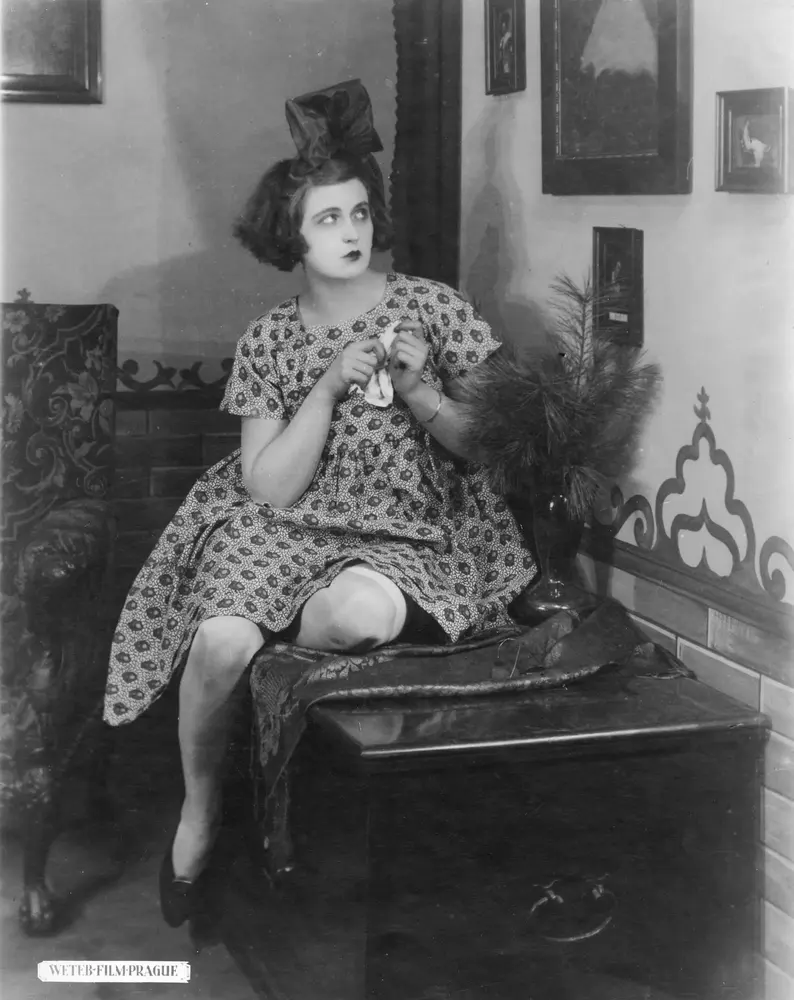
The 2018 Janus restoration scanned two surviving nitrate positives at 4K, revealing textures previously smothered by mildew: the glint of beetle-wing sequins, the velvet bruise of Karásková’s eye bags. Tinting reinstates amber nights and cyanitic dawns; the wedding banquet now bleeds carmelised orange that feels edible. Yet even pristine, the film resists full legibility—scratches remain like scars a lover refuses to cosmetise.
Unlike the marital martyrs in One of Our Girls, Irca refuses redemption. Her final act—trading her veil for a train ticket to an unnamed border—positions autonomy above altar. Marwille, who penned the scenario while embroiled in her own divorce, weaponises autobiography: the train screeches away on a subtitle that reads, “To be indebted is to be owned; to own nothing is to depart.”
Why has Ircin románek I. languished in obscurity while The Thousand-Dollar Husband enjoys cult midnight screenings? Simple: no vampires, no New York skylines—only the existential fatigue of a small nation negotiating its sovereignty. Yet therein lies its universality; heartbreak, after all, needs no passport.
See it for the phantom sonance of its silence, for the way cigarette haze curls like calligraphy of the damned. See it to witness a woman rewrite the ledger of her life while a city—still dazed from imperial collapse—watches with one skeptical eyebrow raised. Ircin románek I. is not a film; it is an unsigned confession slipped into your coat pocket, a promissory note of cinema that, ninety-eight years later, demands payment in the currency of wonder.
—Projectionist’s note: every screening adds another crack to the bell; every crack rings truer.
IMDb —
1928
Community
Log in to comment.