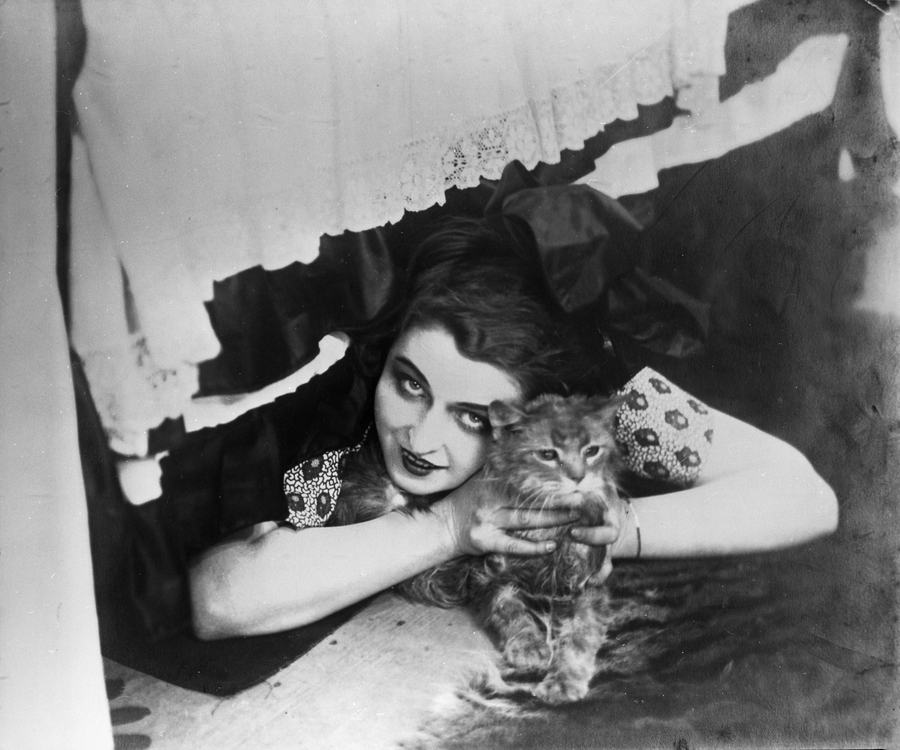
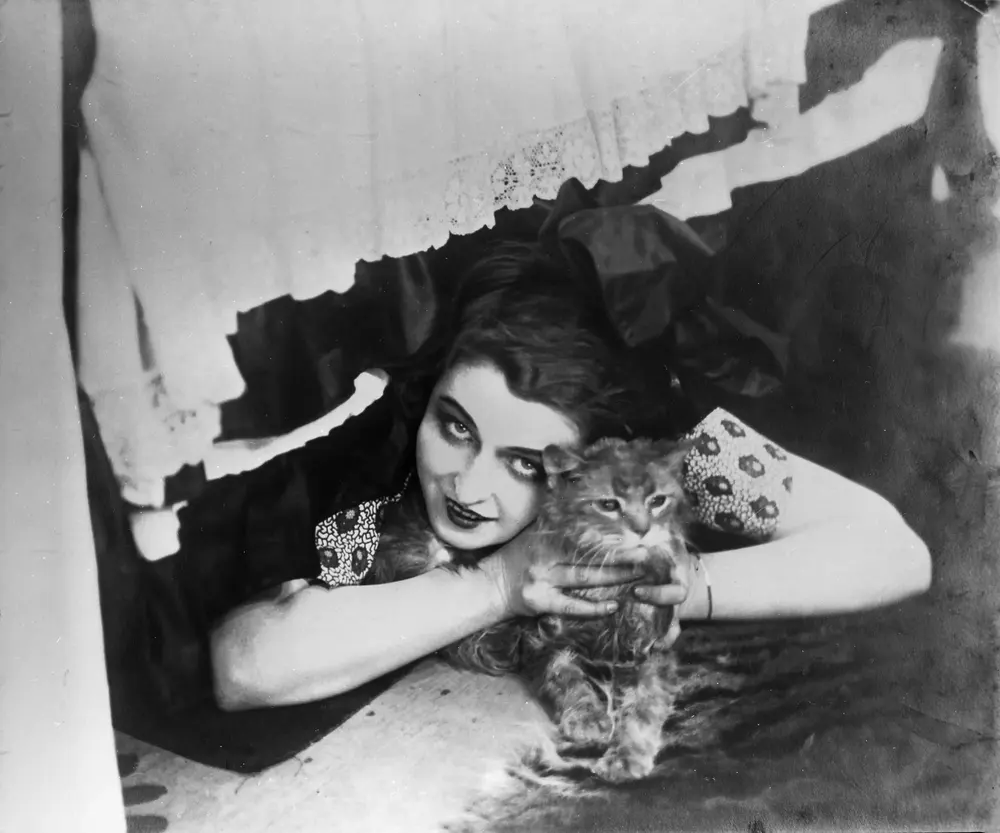
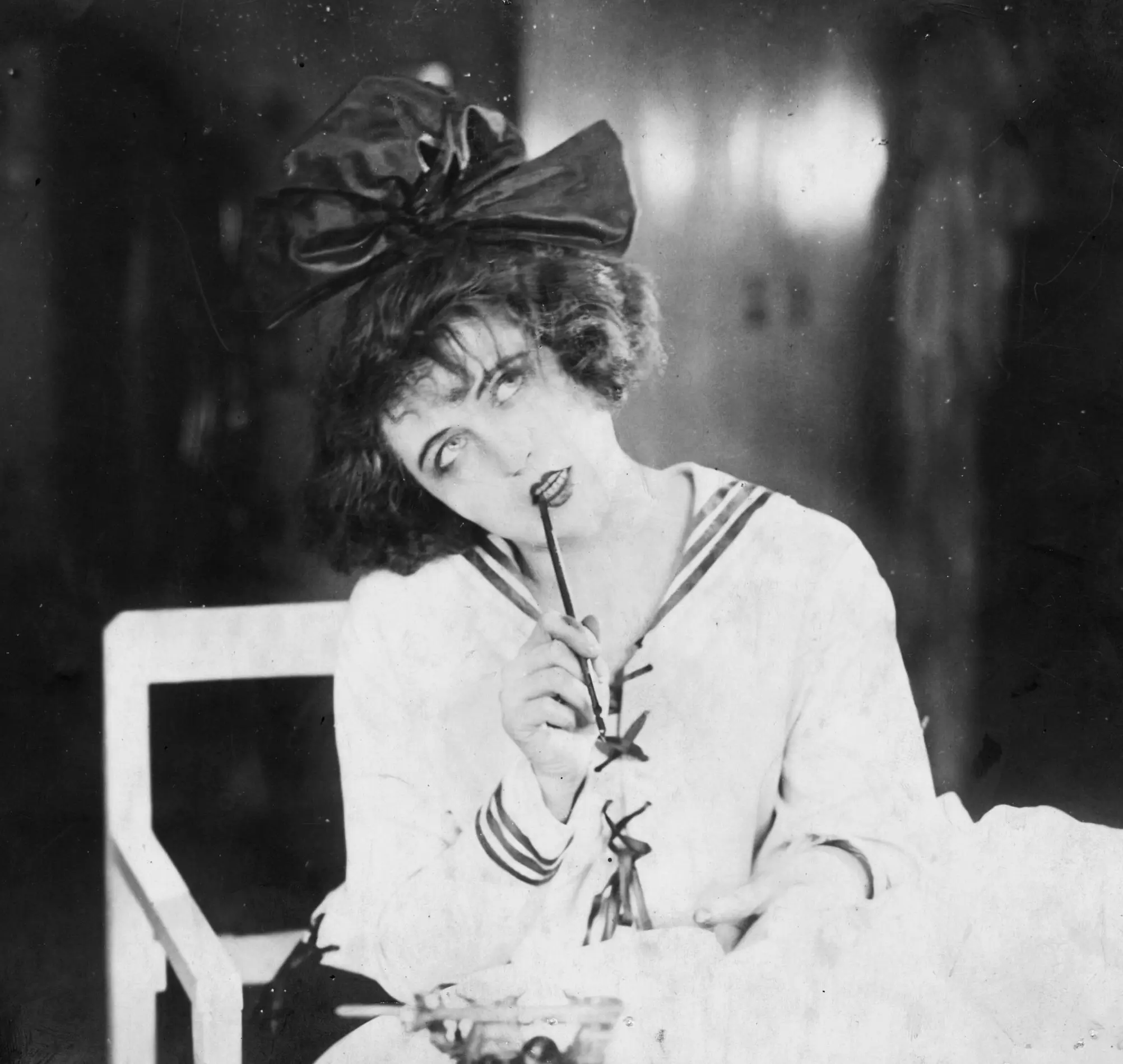
Imagine a film that arrives not like a narrative but like a perfume cloud from a vanished nightclub—bitter, sweet, impossible to bottle. Ircin románek I. is that cloud, celluloid nitrate soaked in laughter that forgot how to end. Viewed today, its very title feels like a coded sigh: “Irca’s little romance, part one,”...
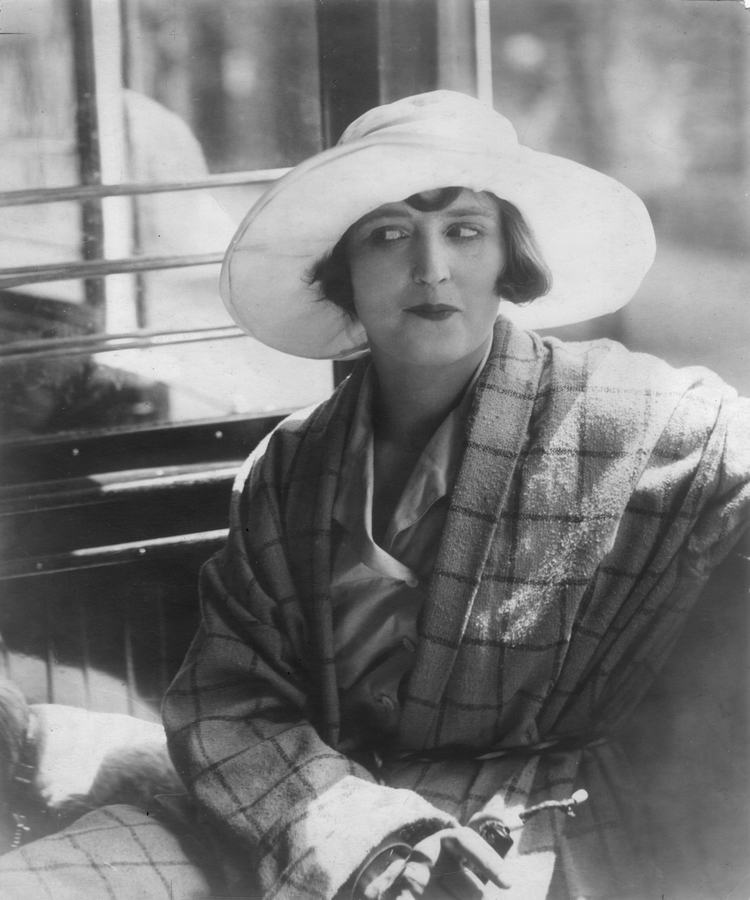
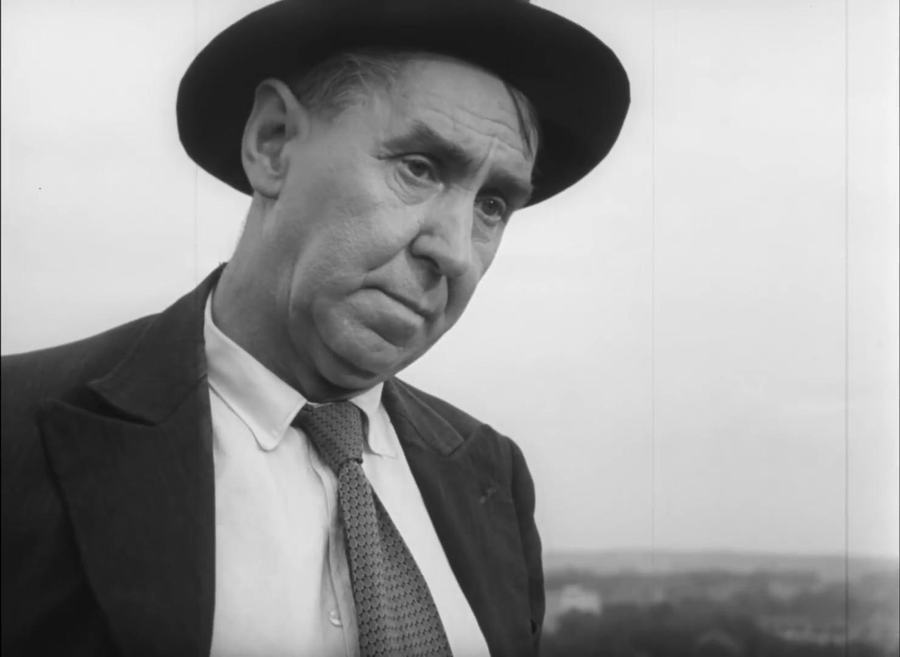
still_frame
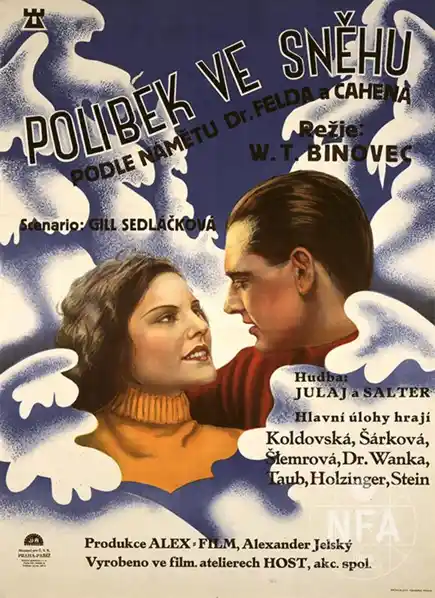
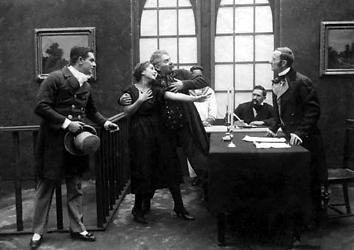
still_frame
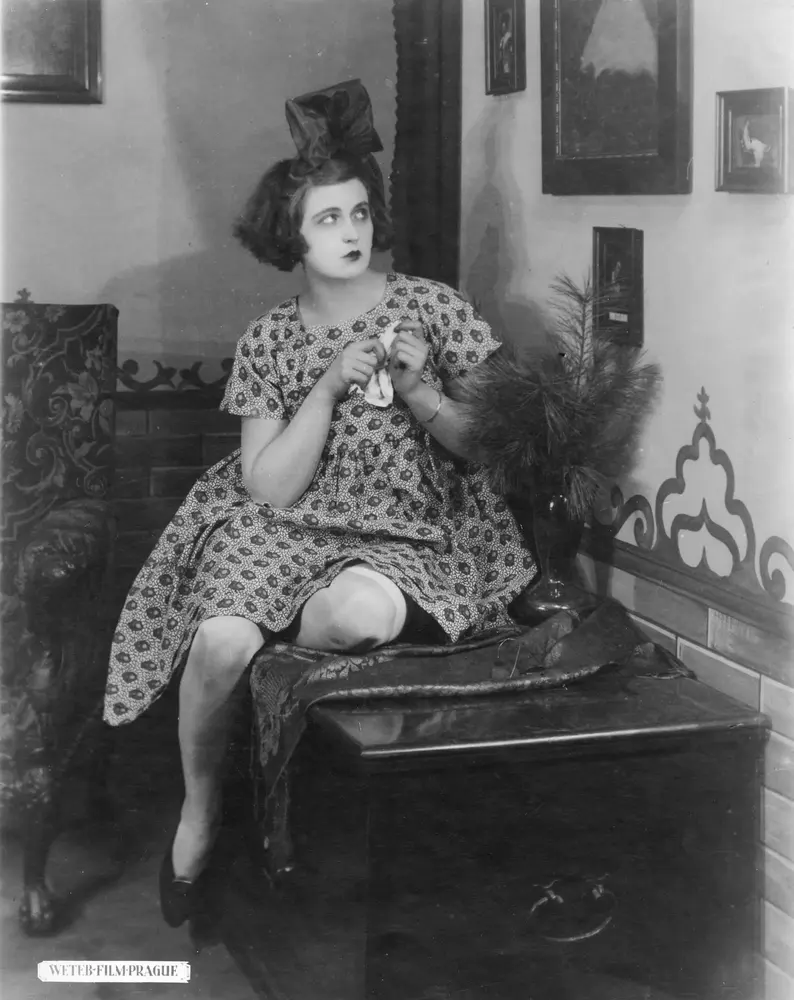
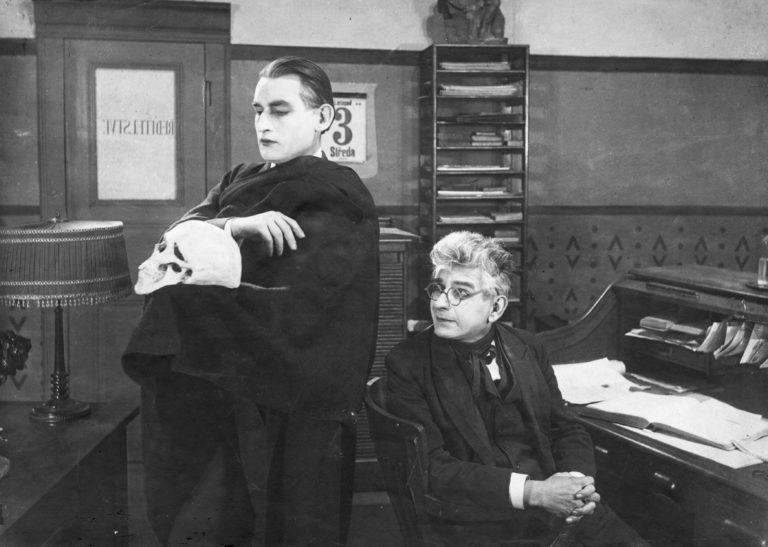
still_frame
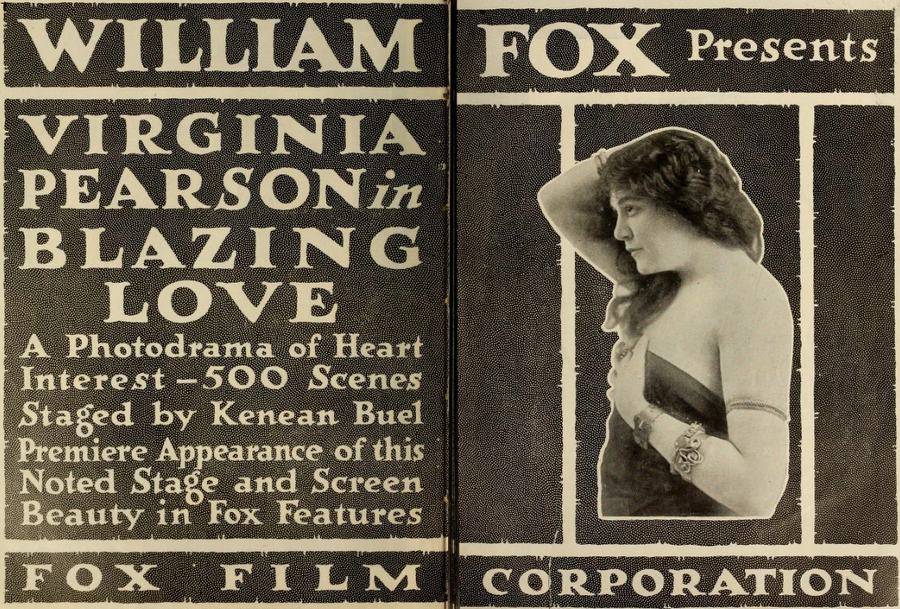
Comparing the cinematic DNA and archive impact of two defining moments in cult history.
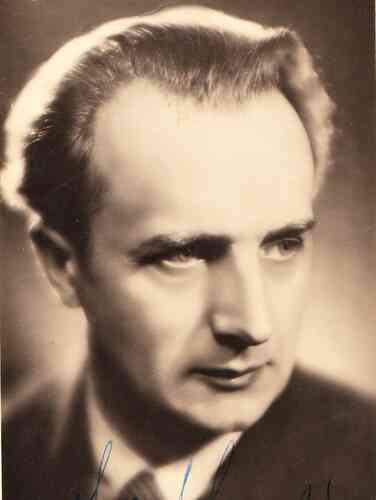
Václav Binovec
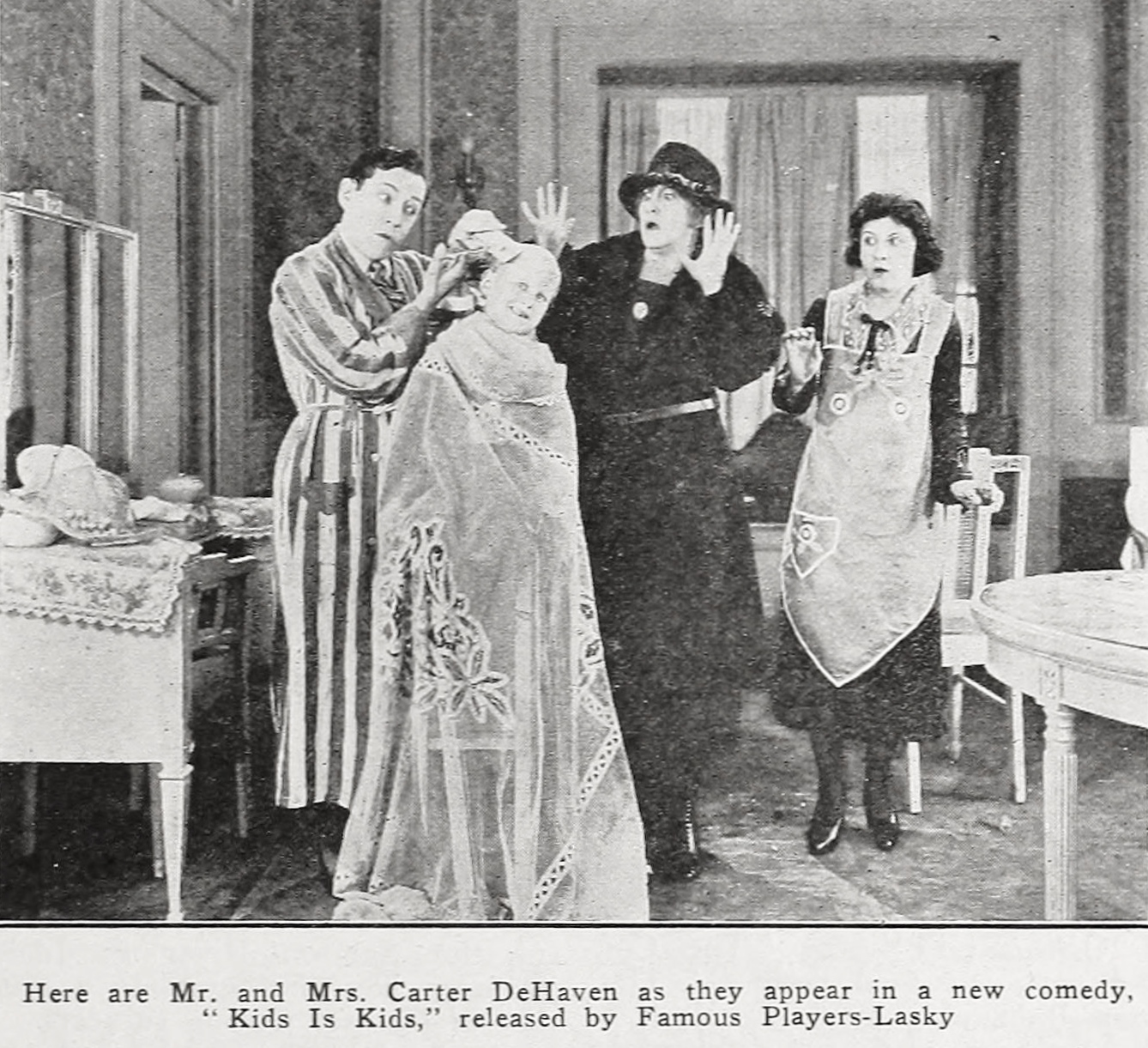
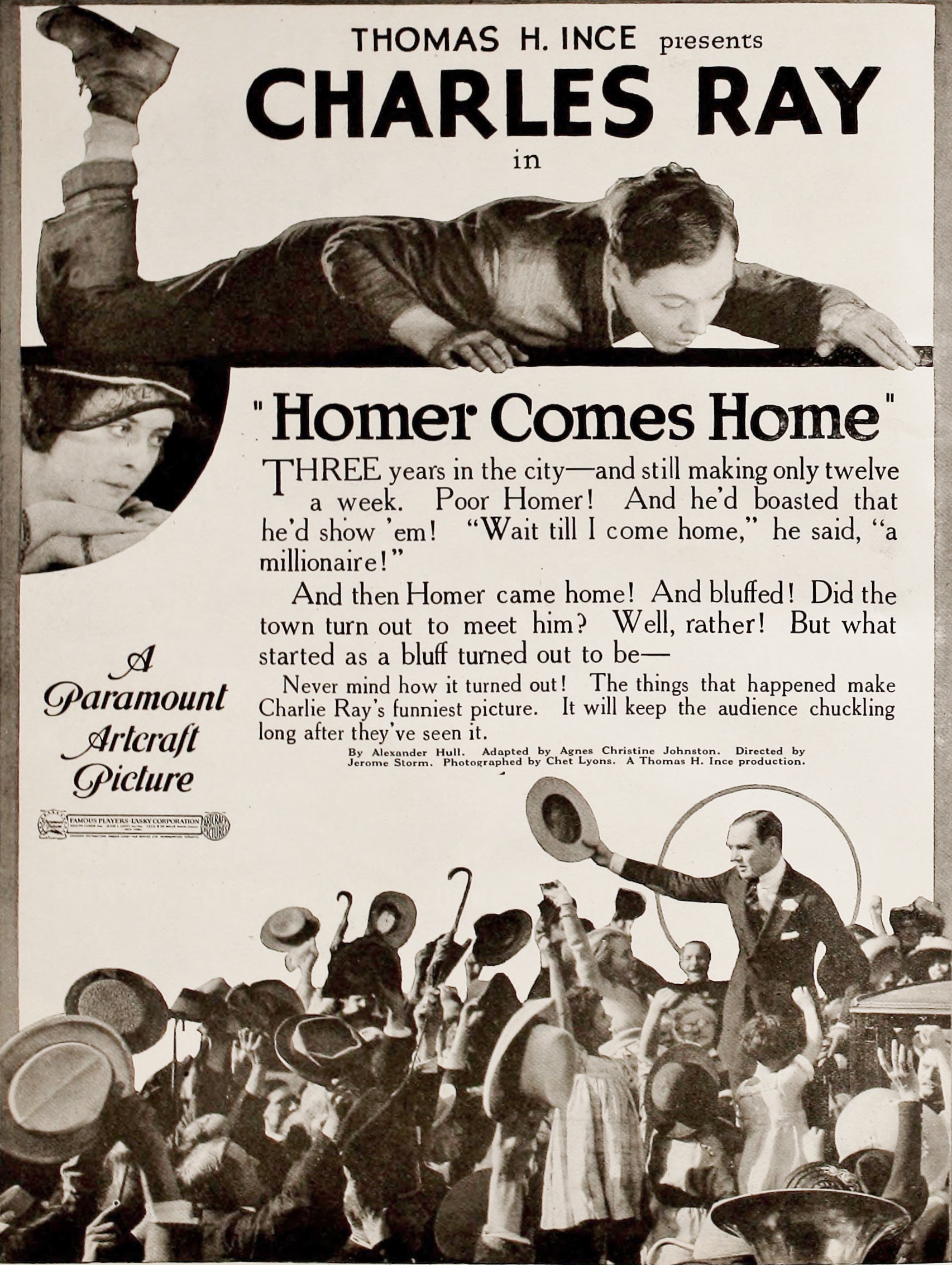
Charley Chase
Community
Log in to comment.
" Imagine a film that arrives not like a narrative but like a perfume cloud from a vanished nightclub—bitter, sweet, impossible to bottle. Ircin románek I. is that cloud, celluloid nitrate soaked in laughter that forgot how to end. Viewed today, its very title feels like a coded sigh: “Irca’s little romance, part one,” suggesting sequels that never materialised, love letters posted into a void. Shot on the cusp of Czech sound cinema, the movie exploits silence as a composer exploits rests—every..."
Václav Kubásek
Josef Roden, Suzanne Marwille
Slovakia

Deep dive into the cult classic
Discover similar cinematic experiences
A Directorial Spotlight on Václav Binovec