DbcultAccessing Vault...
6.4/10
Senior Film Conservator
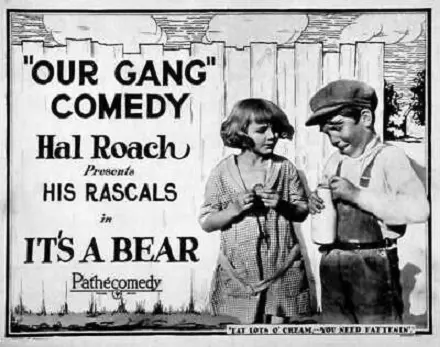
A definitive 6.4/10 rating for a film that redefined the boundaries of cult cinema. It's a Bear remains a cornerstone of transgressive art.
Amidst the bucolic landscape of Mickey’s idyllic farm, the air is thick with the promise of a grand adventure. The screen opens with Mickey, a jovial and charismatic figure, issuing an invitation to his friends and neighbors to partake in a hunt for elusive wild animals. The setting is enchanting, a tapestry of verdant fields, towering trees, and the gentle hum of nature, which quickly transforms into a stage for both laughter and suspense.
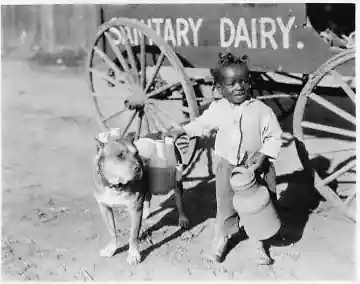
The plot unfolds with a series of comedic misadventures as the group, led by Mickey, ventures forth, their hopes high and their spirits buoyed by the prospect of a thrilling escapade. However, as they navigate the sun-dappled fields and dense underbrush, a sudden and unforeseen encounter with a real bear shatters the initial serenity. This unexpected turn of events propels the narrative into a thrilling sequence of events, where the balance of wit and danger comes into play.
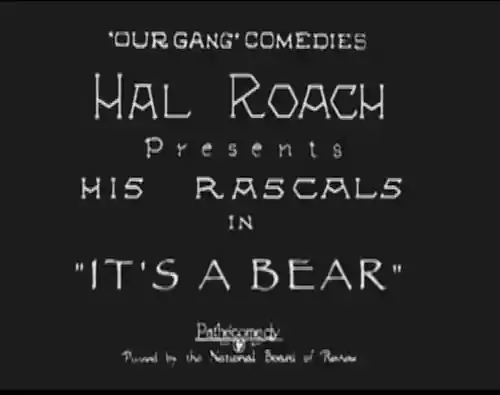
The film’s aesthetic is a testament to its era, with meticulous attention to detail in the cinematography and set design. The use of lighting and composition creates a dynamic interplay of light and shadow, enhancing the visual texture of the scenes. The performances, particularly by Dick Henchen and Madge Hunt, are commendable, providing the emotional and physical energy that drives the narrative forward. Their interactions are filled with a mix of charm, humor, and genuine concern, which resonates with the audience.
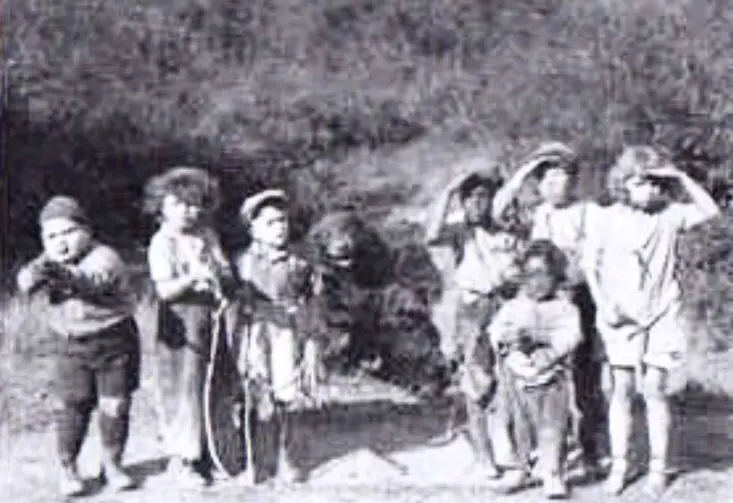
As the group confronts the bear, the film shifts into a suspenseful mode, leveraging the tension to create a compelling climax. The bear, a formidable presence, serves as a catalyst for the characters, pushing them to their limits and testing their resolve. This sequence is particularly captivating, with the bear’s movements and reactions adding a layer of realism and unpredictability to the proceedings. The climax, while not overtly violent, is tense and emotionally charged, leaving a lasting impression on the viewer.
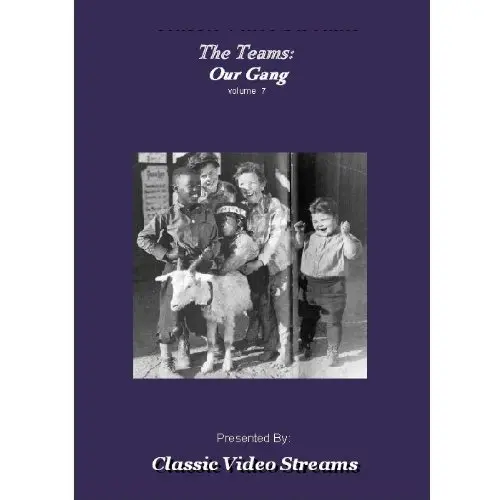
The film’s narrative, though constrained by the silent era, still manages to deliver a satisfying story arc. The plot’s development is organic, with each scene building upon the last, culminating in a satisfying resolution that ties up the various threads of the narrative. The use of sound effects and expressive body language, even in the absence of spoken dialogue, enhances the storytelling, making the experience rich and immersive.
In comparison to contemporaneous works, 'It's a Bear' stands out for its blend of comedy and suspense. Films such as 'Reported Missing' (1925) and 'Prima Vera' (1925) offer a similar mix of genres, but 'It's a Bear' excels in its ability to maintain a balance between these elements. The film’s pacing is well-crafted, with moments of levity interspersed with periods of tension, creating a rhythm that keeps the audience engaged throughout.
The collaborative effort of writers Frank Capra, H.M. Walker, and producer Hal Roach is evident in the film’s overall coherence and entertainment value. Capra’s penchant for crafting memorable characters and narratives is clearly present, while Roach’s expertise in production and direction ensures that every scene is meticulously crafted. The supporting cast, including Allen ‘Farina’ Hoskins, Jackie Condon, Mary Kornman, Helen Gilmore, Joe Cobb, and Ernest Morrison, contribute to the film’s success, with each member bringing a unique energy to the proceedings.
Technically, the film is a marvel of its time. The use of silent film techniques, such as cross-cutting and visual storytelling, is masterfully employed to convey the narrative. The performances, though limited by the medium, are convincing and add to the film’s charm. The editing, while not as refined as modern standards, is effective in its simplicity, contributing to the film’s overall cohesiveness.
In conclusion, 'It's a Bear' is a delightful and engaging film that captures the spirit of early Hollywood. While it may not be as polished as later productions, it offers a unique glimpse into the era of silent films, showcasing the ingenuity and creativity of its creators. For fans of classic cinema, this film serves as a reminder of the magic of storytelling and the enduring appeal of well-crafted narratives, even in a medium as limited as early silent film.
IMDb 6.5
1931
Community
Log in to comment.