DbcultAccessing Vault...
5.9/10
Senior Film Conservator
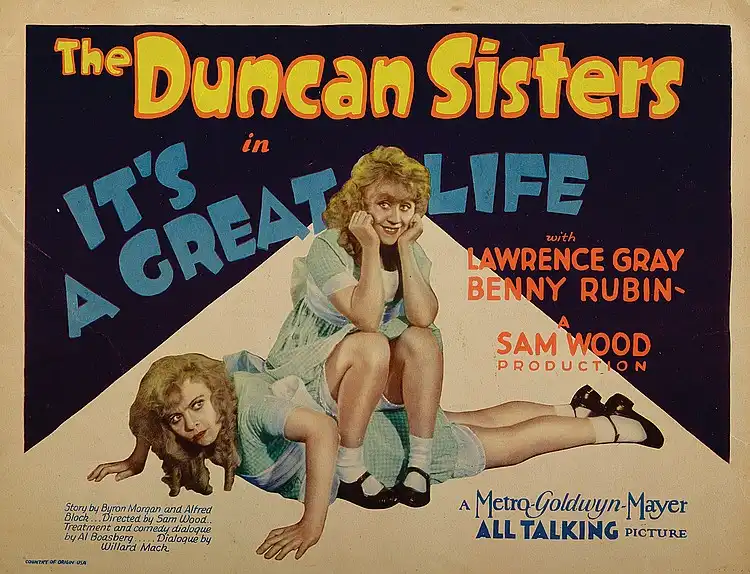
A definitive 5.9/10 rating for a film that redefined the boundaries of cult cinema. It's a Great Life remains a cornerstone of transgressive art.
Is It's a Great Life worth digging up today? Well, if you’ve got a soft spot for really early talkies, the kind where you can almost feel the technical crew holding their breath, then yeah, maybe. If you’re here for big drama or dazzling visuals, you’ll probably find yourself a bit bored. This one’s mostly for film history curious folks, or anyone who just likes seeing two sisters sing their hearts out. 🎶
The story itself is pretty straightforward: two sisters, Vivian and Rosetta Duncan, performing their hearts out in a department store show. Things go wrong, they save it with a song, get fired anyway (go figure!), and then turn that act into a Vaudeville gig. It's that kind of simple, almost naive storytelling from an era just figuring things out.
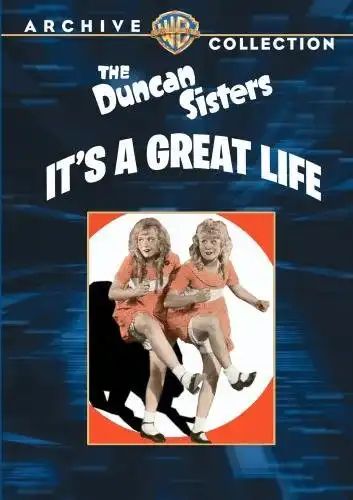
The pacing is… well, it’s 1929. There are moments that just hang, sometimes a little too long, where you can practically hear the camera whirring. The energy picks up once they hit the Vaudeville stage, though. The film seems to gain a little confidence right alongside its stars.
The Duncan Sisters, Vivian and Rosetta, really carry this thing. They’ve got this undeniable chemistry, like actual sisters, which I guess they were! Their songs are catchy enough for the time. There's this one moment where Vivian just beams after a successful number, and it feels so genuine, not like manufactured Hollywood gloss.
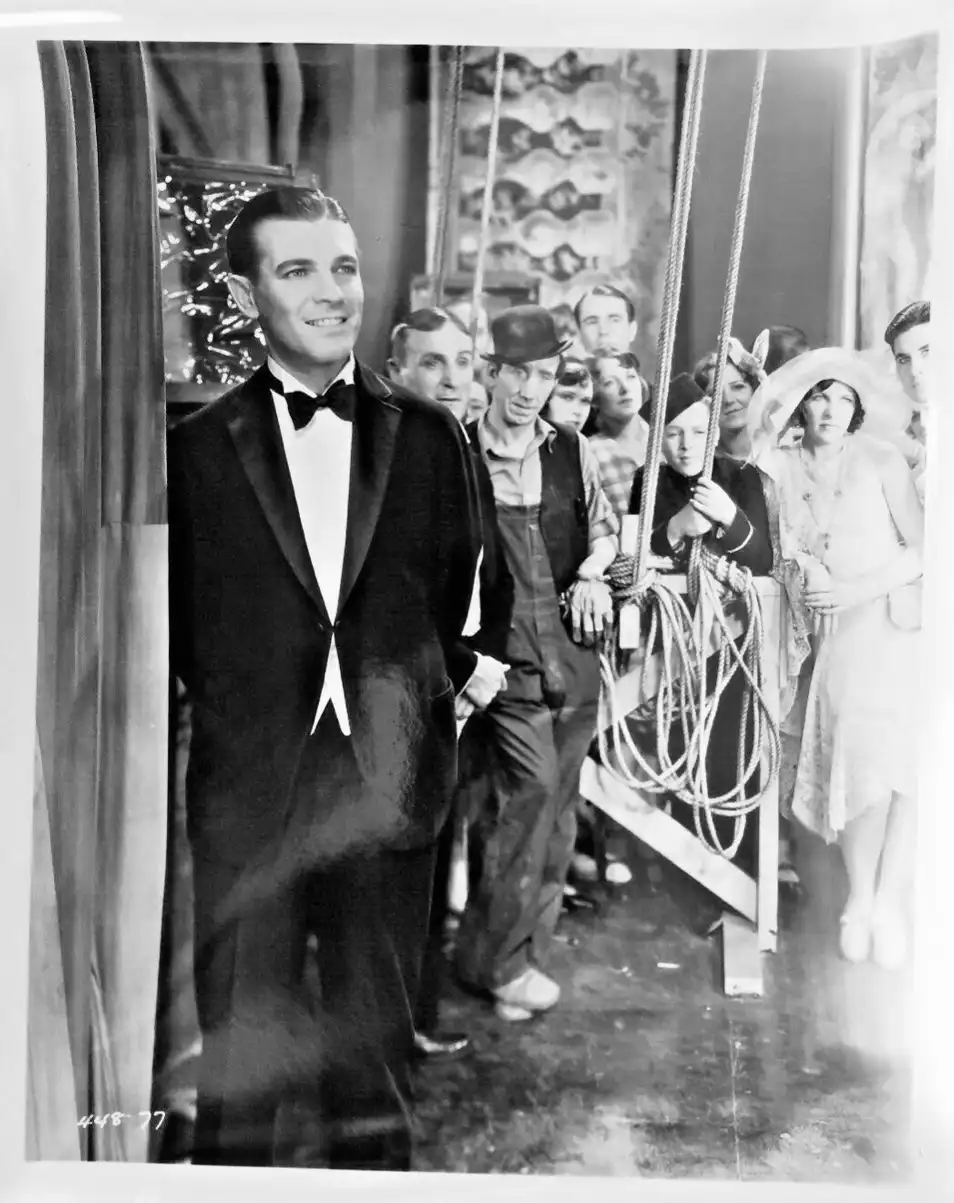
The department store boss who fires them – played by Oscar Apfel – is such a cartoon. He stomps around, huffing and puffing, and you just know he’s the bad guy. It’s almost charmingly obvious. And the way the crowd reacts during the show, all those faces packed in, they look genuinely delighted. You can almost feel the era's excitement for this new “talking pictures” thing.
There’s a part where they’re rehearsing a new song, and the camera just sits there. It's not flashy, not trying to do anything clever. It’s just observing them. It makes you realize how much filmmaking has changed, how every shot now has to have a “purpose.” Back then, sometimes, it felt like just pointing and recording was enough.
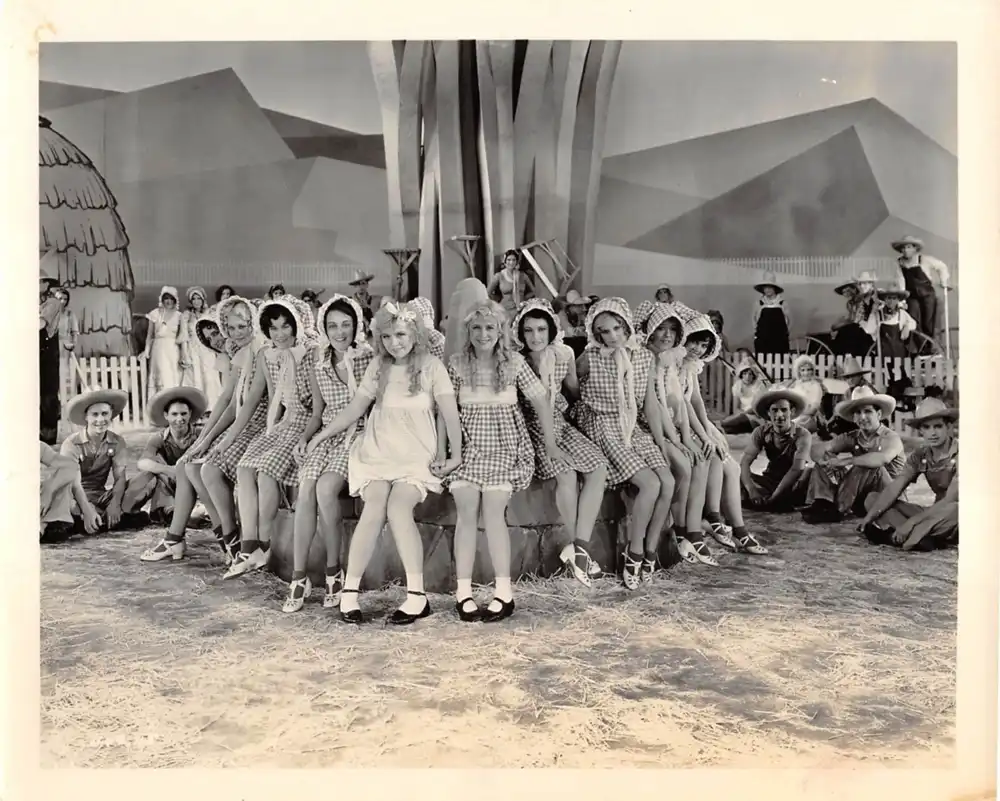
The move to Vaudeville, it's pretty quick. One minute they're fired, the next they're on a stage with lights. No big dramatic struggle to get there. It’s just, “Okay, that happened, now this.” A little jarring maybe, but also kind of refreshing in its bluntness. You don't get a huge montage of them struggling on the road.
Some of the sound feels a bit echo-y, especially in those big open spaces like the department store stage. You can tell they were still figuring out how to mic things. Sometimes a line of dialogue feels a bit stiff, like the actors are really concentrating on hitting their marks and speaking clearly into the hidden microphones. It makes for some unintentionally funny moments. 😂
One background extra during the Vaudeville number just keeps staring right at the camera, almost like he forgot he was in a movie. It’s a tiny thing, but it catches your eye. Little imperfections like that make these old films feel so much more real to me.
It's a Great Life is not a masterpiece, and it won't change your world. But it’s a sweet, simple snapshot of early Hollywood and the Vaudeville circuit it drew from. It’s got a certain quaint charm that’s hard to replicate. If you appreciate cinema as it learned to walk and talk, give it a look. Otherwise, you’re not missing a groundbreaking classic. It just is. 🎭
IMDb 5
1931
Community
Log in to comment.