DbcultAccessing Vault...
Cult Review
Senior Film Conservator
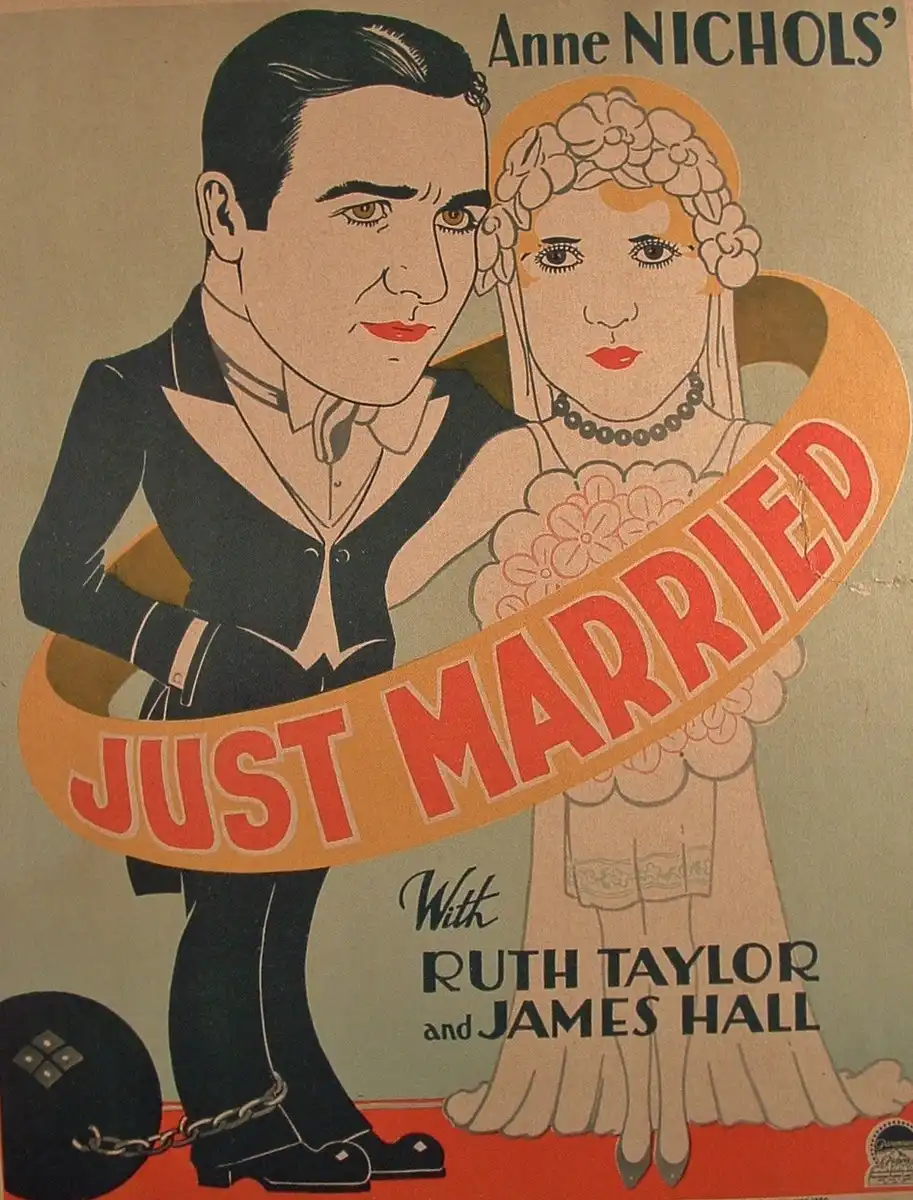
Alright, let’s be upfront: Just Married isn't for everyone. If you’re looking for something polished, with tight pacing and modern sensibilities, you’re going to have a rough time. But if you’ve got a soft spot for the peculiar rhythms of early cinema, for films that sometimes feel like they’re making it up as they go along, then yes, this is absolutely worth watching. It’s a strange, often clunky, but ultimately charming experience. People who enjoy picking apart the mechanics of old movies, or just appreciate a good, unintentional laugh, will find something here. Everyone else? Probably give it a miss.
The plot, such as it is, revolves around this young woman, Mary (Ivy Harris), and Bill (James Hall), who's apparently a 'former acquaintance' of hers. The film throws them together through a series of what can only be described as escalating farces. Frankly, the journey from 'acquaintance' to 'married' feels less like a blossoming romance and more like a bureaucratic error that just keeps snowballing.
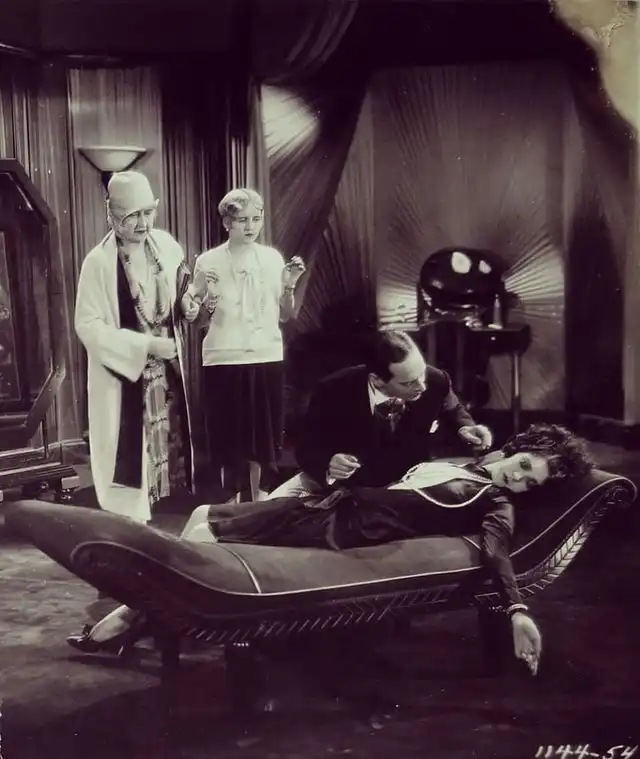
One of the first things that struck me was the sheer amount of time spent on people just… reacting. There’s a scene early on where Bill is trying to explain something fairly simple to Mary's perpetually flustered father (played with a delightful, almost cartoonish exasperation by Arthur Hoyt), and the camera just holds on Hoyt’s face for what feels like an eternity. He blinks, he furrows his brow, he looks confused. Then he blinks again. It’s not profound, it’s just very, very long. You can almost feel the movie trying to convince you this moment matters, but it mostly just becomes a test of patience.
And the dialogue! Oh, the dialogue. It swings wildly between genuinely witty one-liners and exposition dumps that sound like they were pulled directly from a legal document. There’s a bit where Mary tries to explain her predicament to a well-meaning but utterly useless hotel clerk, and the exchange feels less like a conversation and more like two people reading from separate, unrelated scripts. The pauses are awkward, the delivery often flat. It’s less 'natural banter' and more 'actors remembering their lines at different speeds.'
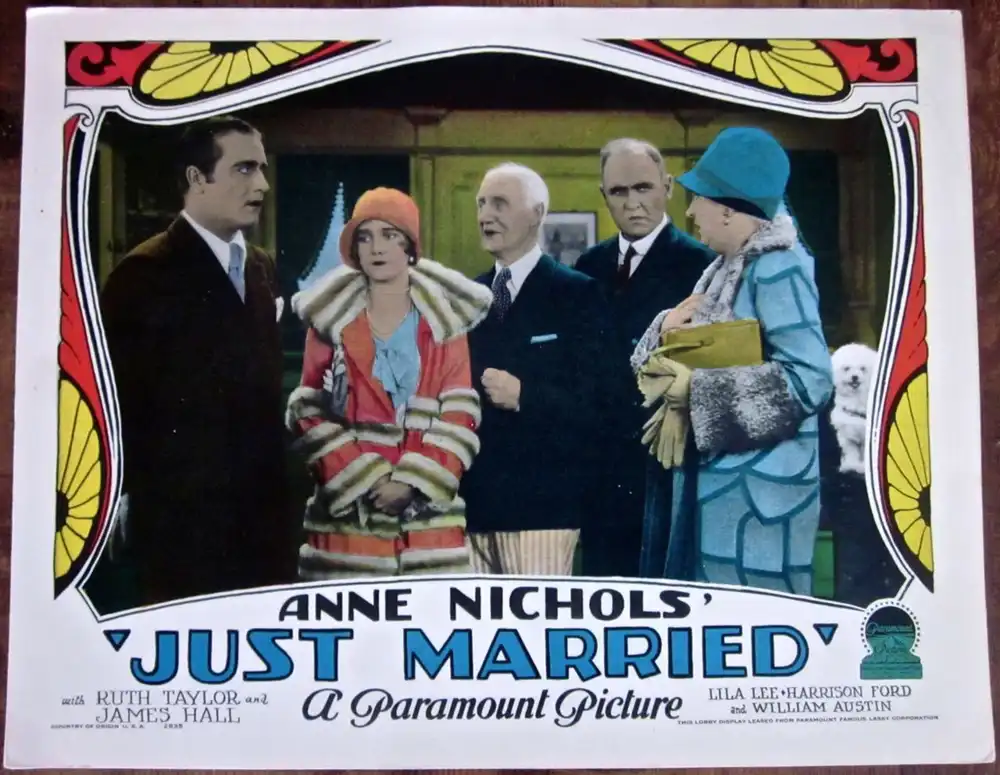
Harrison Ford, not that Harrison Ford, but *the* Harrison Ford, plays a rather stiff, disapproving uncle or guardian figure, I couldn't quite nail down his exact relation. He mostly just stands in doorways, arms crossed, looking stern. His big moment of 'action' involves him almost tripping over a rug. It’s not meant to be funny, I don't think, but it absolutely is. He has this one reaction shot, after a particularly absurd misunderstanding involving a misplaced telegram, where his eyes just widen slightly, and it lingers so long it becomes genuinely hilarious. A tiny, perfect moment in a sea of over-earning.
The pacing is another thing. It’s all over the place. Some scenes fly by in a blur of slapstick, especially anything involving a chase or a hurried departure. Then suddenly, we're stuck in a drawing-room, watching two characters discuss the implications of a misunderstanding for what feels like ten minutes. The silence in those longer, more dramatic stretches, meant to convey tension or emotion, often just feels empty. Like the director forgot to yell 'cut.'
There's a sequence in a busy train station that’s a real mess. The crowd scenes have this oddly empty feeling, like half the extras wandered off for a coffee break. You see a few people in the background who are clearly just staring at the camera, waiting for their cue. It breaks the illusion completely. And the continuity? Forget about it. A hat disappears, then reappears. A suitcase switches hands mid-cut. It’s endearing in its sloppiness, in a way, but also just kind of baffling.
The costumes are mostly fine, period-appropriate. Except for one scene where Mary wears this enormous feathered hat indoors. It’s so big it practically obscures her face, and you spend the whole scene wondering how she’s going to get through a doorway without getting stuck. It’s a tiny detail, but it’s distracting.
What really works, unexpectedly, are the moments where the film just leans into its own silliness. There's a bit where Bill tries to sneak into a building through a window, and it goes wrong in about six different ways, each one more ridiculous than the last. The physical comedy there is actually quite good, almost like a Buster Keaton short, if Buster Keaton was slightly less graceful and surrounded by incompetent side characters. The movie gets noticeably better once it stops taking itself seriously and just embraces the chaos.
The chemistry between Ivy Harris and James Hall is… functional. They’re both attractive, and they look good together on screen, but there’s no real spark. Their eventual marriage feels more like the inevitable conclusion of a convoluted plot diagram than an actual romantic connection. You don’t root for them so much as you just want them to get it over with so everyone can go home.
Overall, Just Married is a fascinating artifact. It’s not a masterpiece, not by any stretch. But it offers a window into a particular kind of early filmmaking, full of charming missteps, earnest performances, and a dedication to its own peculiar brand of storytelling. If you’re willing to meet it on its own terms, you might just find yourself smiling at its awkward, endearing heart.
IMDb —
1916
Community
Log in to comment.