DbcultAccessing Vault...
Cult Review
Senior Film Conservator
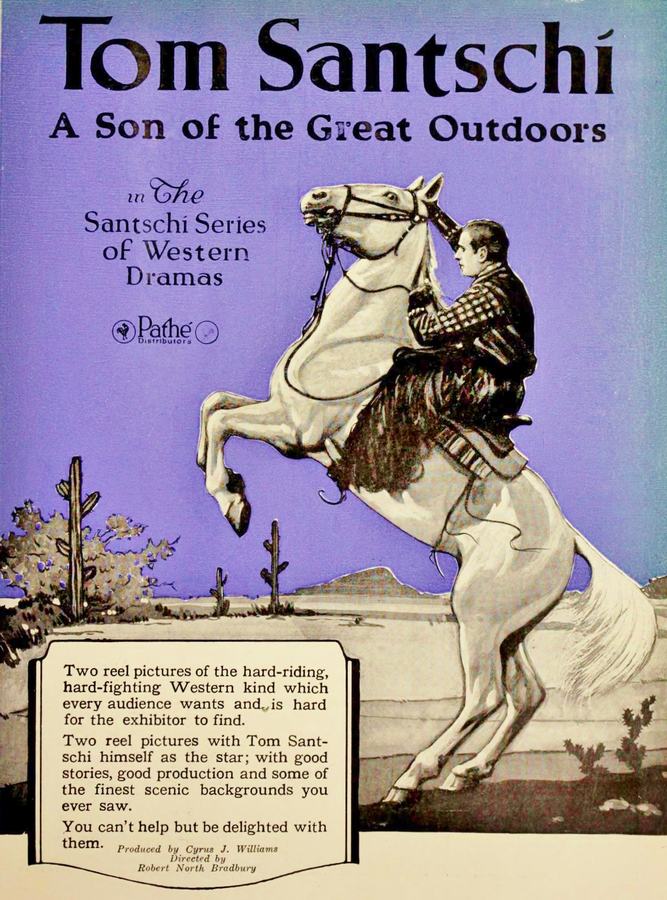
Picture the West as a furnace where every virtue is reduced to slag. Into that crucible rides The Wolf—hat brim low, revolver glinting like a half-remembered star. The film’s first third luxuriates in negative space: vast sky, skeletal ocotillo, a silence so absolute you can almost hear the heat rise. Cinematographer Frank Clark lets emulsion blister; whites bloom until faces become ghost masks. Within this lunar palette, human stakes feel both minuscule and cosmic.
The bargain—woman’s body for husband’s breath—could have played tawdry. Instead, Santschi underplays, letting desperation settle behind his cheekbones like shale. His whispered ultimatum arrives not with virile swagger but with the resigned cadence of a man who’s seen every transaction soured by sand. The scene lingers, uncomfortable, electric, refusing to flinch.
Enter the boy—barely tall enough to see over a saddle horn—carrying a rag-doll and an unfiltered stare. The screenplay’s genius lies in never letting him plead; he simply absorbs the outlaw with barn-owl curiosity. One crackling campfire later, The Wolf’s armor splits along an old scar. Watch how Santschi’s shoulders drop: first the left, then, as if embarrassed, the right. It’s cinema’s quietest resurrection since When Love Is Blind asked blindness to pardon adultery.
A lesser film would sermonize. Here, redemption arrives like cool water—unexpected, wordless, almost irritating in its simplicity. The child’s innocence refracts through the lens until even the audience feels accused of something unnamed.
Intercutting is sparse yet surgical. Clark withholds the husband’s face until the rescue, letting the noose silhouette stand in for every colonial sin. When we finally glimpse the prisoner, sunlight stripes him through jail-bar shadows, branding him zebra-like—innocent and marked forever. Compare this to Beating the Game, where cross-cuts chase adrenaline; here they chase conscience.
The penultimate reel stages a sandstorm—alabaster walls advancing like silent jurors. The Wolf gallops parallel to the storm’s edge, a visual metaphor for the moment when retribution and mercy overlap in one dust-choked heartbeat.
Palmer, mostly forgotten in the shadow of Lady Audley’s Secret melodramatics, delivers a masterclass in controlled tremor. Her gaze toggles between hunted doe and flinty survivor, often within the same take. In the tent scene she unbuttons not for seduction but for thermometers of power: each clasp released relinquishes autonomy, yet somehow she remains the moral fulcrum. It’s a tightrope walk without net or dialogue, worthy of the hothouse hysterics in Tangled Lives but baked under 110-degree sun.
Unlike The Fighting Gringo, which equates masculinity with cartridge count, The Desert Wolf interrogates the currency of violence. The outlaw’s gun is introduced fetishistically—pearl grip, Mexican tooling—yet by finale he trades bullets for a canteen. The gesture feels epochal, as though John Wayne had been forced to swap spurs for rosaries mid-picture.
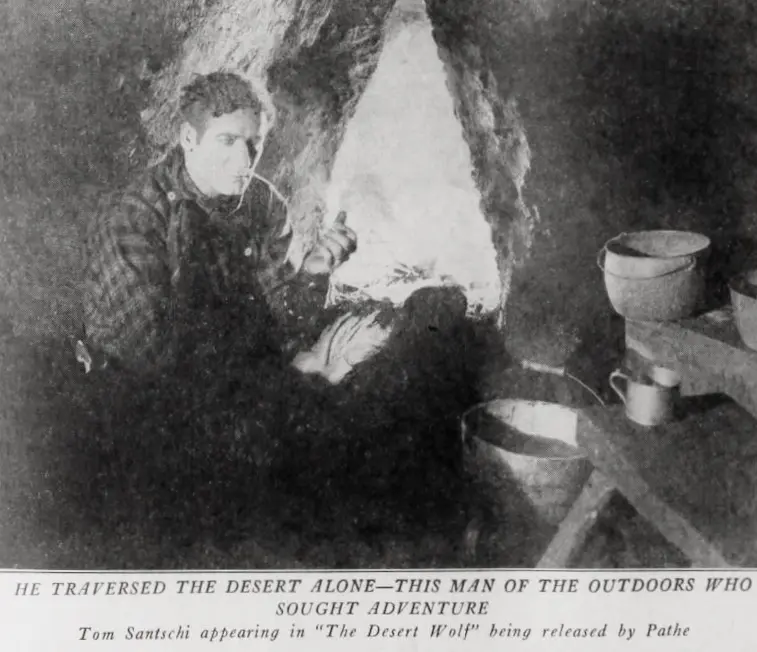
Contemporary viewers may scoff at the abrupt pivot. But 1922 audiences, still gasping from global war and Spanish flu, understood how thin the membrane separating beast and brother truly was. The Wolf’s retreat into horizon doesn’t signify defeat but a reluctant admission that some frontiers are internal.
Modern restorations drop in a minimalist guitar motif. Purists complain, yet that single flamenco strum echoes the outlaw’s solitude better than any orchestral swell. During the nocturnal ride, strings tickle the lower frets; you hear leather, you hear hoofbeats imagined, you hear the creak of a conscience long rusted shut.
Trace a straight line from Santschi’s haunted eyes to Clint Eastwood’s High Plains Drifter; both antiheroes orbit families they can never join. The bargain-of-flesh trope resurfaces in The Sin That Was His, though there it curdles into misogyny. Here it remains transactional, almost bureaucratic, which paradoxically makes it more chilling.
Even Ford’s Monument Valley owes a debt: the way Clark frames riders against negative sky predicts the ascetic grandeur of Stagecoach. Yet The Desert Wolf refuses Monument’s triumphalism; its landscape is less cathedral than tribunal.
1940s reviewers dismissed the film as "another sand-and-saddle potboiler." They missed how the final tableau—family reunited, outlaw galloping away—subverts the coming-of-code mandate that sinners must perish. Compare with The Dollar and the Law, where jurisprudence reigns supreme; here mercy escapes federal jurisdiction entirely.
A nitrate fragment discovered in a Lima archive reveals an alternate ending: The Wolf returns the wedding ring, not the husband. The cut we possess wisely scraps that abstraction; reunion of flesh trumps metal symbolism. Still, the existence of that excised strip reminds us that even redemptive arcs once dangled over an abyss of cynicism.
The Desert Wolf does not merely predate psychological Westerns; it haunts their shadow. Its pacing, glacial by modern metrics, teaches patience, the way deserts teach humility. Performances eschew bravado for the tremor of lived guilt. And its moral algebra—flesh for life, innocence for absolution—remains brazenly unresolved, like a burr you welcome beneath the skin.
Seek it out, even if silent cinema isn’t your mesa. Let its reticent grandeur crawl under your sunburned expectations. Then, when the credits fade to white, notice how the world outside smells of creosote and second chances.
IMDb 6.1
1926
Community
Log in to comment.