DbcultAccessing Vault...
6.3/10
Senior Film Conservator
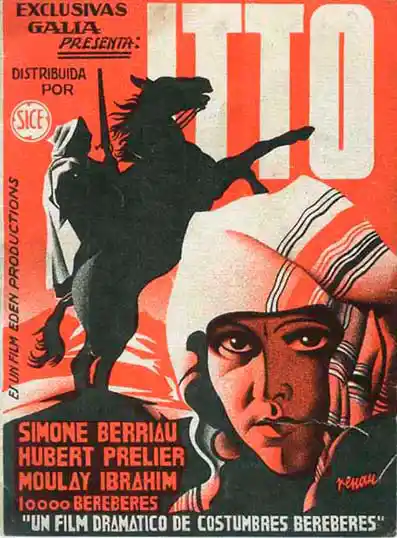
A definitive 6.3/10 rating for a film that redefined the boundaries of cult cinema. Itto remains a cornerstone of transgressive art.
Look, if you hate old, scratchy 1930s films with terrible sound and blatant colonial attitudes, you should probably skip Itto. But if you have a soft spot for weird, dusty travelogues and want to see what Morocco actually looked like ninety years ago, this is strangely captivating. 🌵
The whole plot is basically about a French doctor and his wife trying to "civilize" the local Berber tribes with vaccines. It is super patronizing, obviously, but the movie gets way more interesting whenever the French actors shut up and let the camera just wander around the mountains.
The sound recording is pretty rough in the outdoor scenes. In some parts, the wind hitting the microphone sounds exactly like someone crinkling a bag of potato chips right in your ear.
I found myself totally ignoring the main couple. Instead, I was staring at the background extras, who all look like they were recruited right off the mountain slopes and have absolutely no interest in being in a French movie.
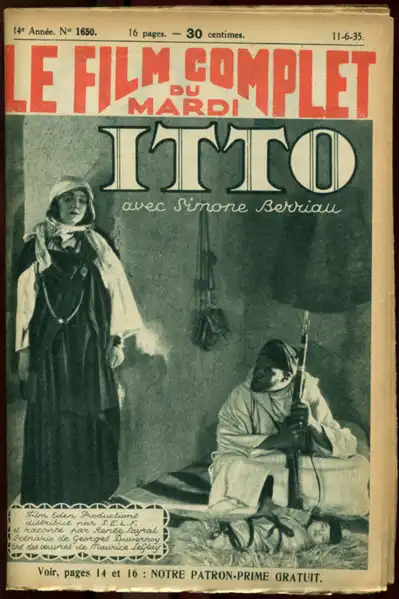
There is this one amazing, unscripted moment where a donkey in the background gets spooked by a prop and nearly knocks over a massive tent. The camera just keeps rolling, and you can see a couple of guys in the back scrambling to hold the poles up. 🫏
Like a lot of films from this specific transition era—think of how stiff the acting was in Abraham Lincoln—the dialogue here feels like it was written for a theater stage, not a desert windstorm. Everyone stands perfectly still when they speak, probably because they were terrified of moving away from the hidden microphones.
But then, the movie suddenly cuts to these massive, sweeping shots of horsemen riding across the valleys. The scale of it is actually wild, especially when you realize they had to drag those heavy 1930s cameras up into the Atlas Mountains.
It is definitely a relic of its time, and the colonial savior complex is heavy. Yet, there is a raw, documentary-like beauty to the landscapes that you just do not get in modern, green-screened movies.
If you liked the eerie, silent-era atmosphere of The Arrival from the Darkness, you might appreciate the visual textures here, even if the story itself is pretty creaky.
IMDb 7.2
1934
Community
Log in to comment.