DbcultAccessing Vault...
Cult Review
Senior Film Conservator
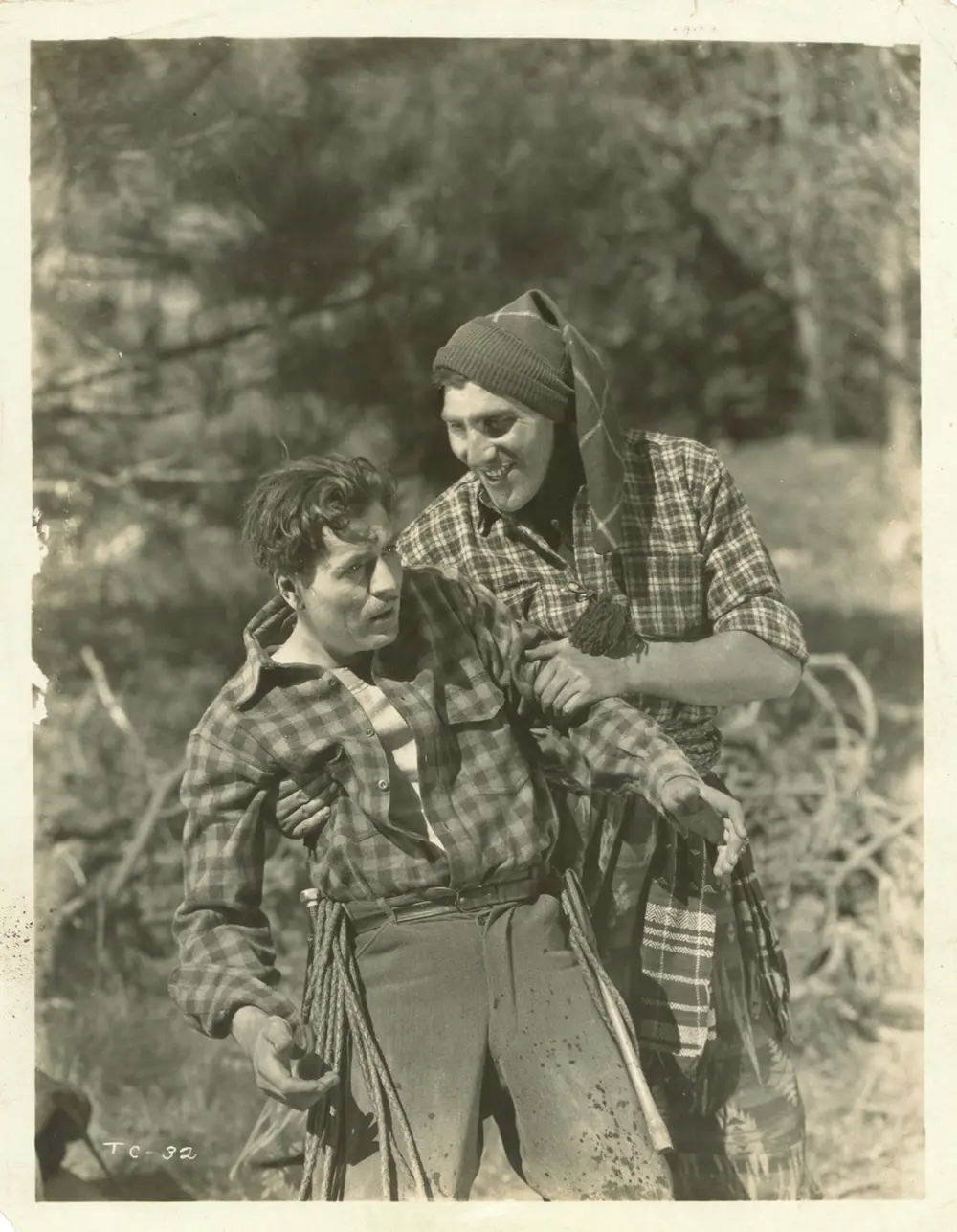
The Coward (1927) is a film you watch for Warner Baxter’s face and very little else. If you are looking for a fast-paced thriller or a deep exploration of the human psyche, you will likely find yourself checking the runtime. It is a film that functions primarily as a showcase for a specific type of late-silent-era acting—stoic, physical, and heavily reliant on the actor's ability to hold a close-up without looking ridiculous.
No, unless you are a completionist for 1920s dramas or a devotee of Warner Baxter. The film is a slow-burn character study that lacks the fire necessary to keep a modern audience engaged, and its moralistic approach to courage feels dated even by the standards of its own decade.
This film works because Warner Baxter manages to communicate internal shame without the histrionics common in late-era silent acting. He uses his eyes and his posture to convey a man who has already given up on himself.
This film fails because the script relies on a series of convenient coincidences to force the protagonist into action, making the final redemption feel more like a plot requirement than a natural character growth.
You should watch it if you are a student of 1920s acting styles or want to see how the industry handled masculinity before the arrival of sound. If you prefer something with more narrative bite, you might be better off with The Spy.
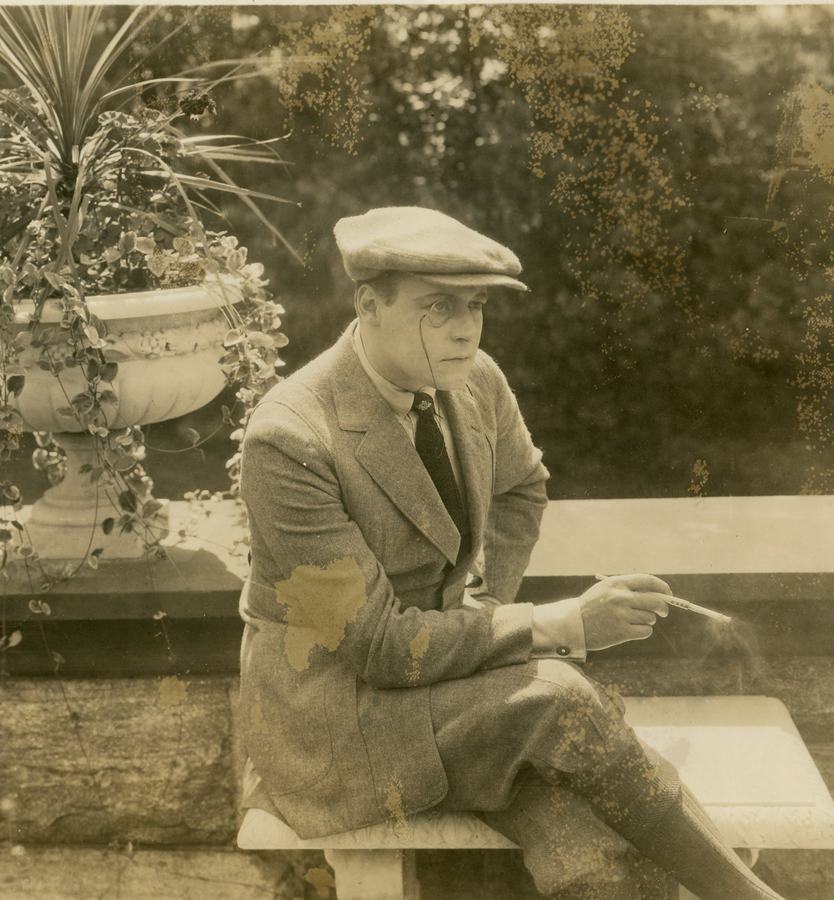
Warner Baxter carries this film on his shoulders, and at times, you can see the strain. In 1927, cinema was on the verge of the sound revolution, and actors were beginning to find a more naturalistic rhythm. Baxter avoids the wild gesticulations of earlier silents, opting instead for a heavy-lidded, weary presence. He looks like a man who hasn't slept, which fits the role of a social pariah perfectly.
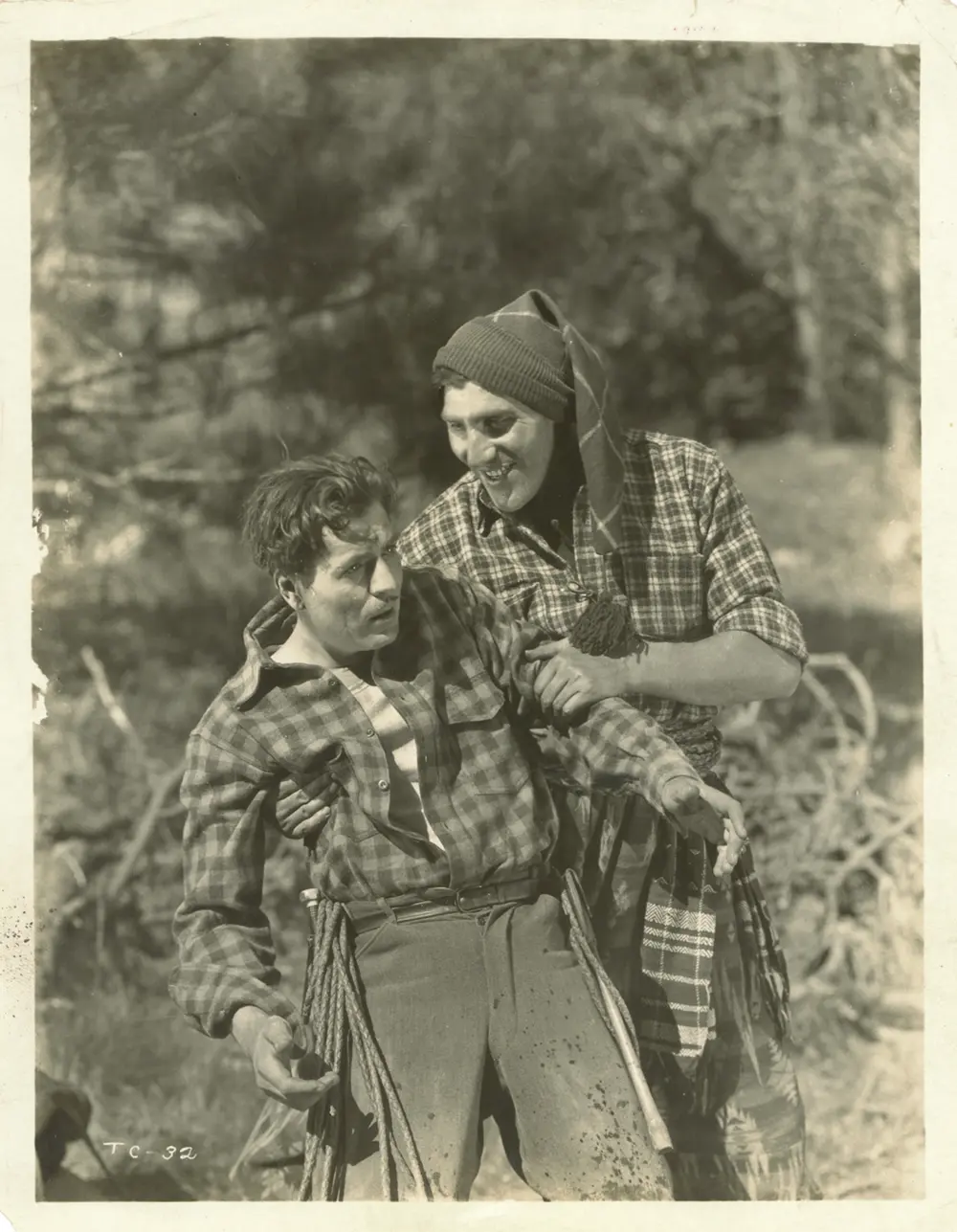
However, the film asks too much of his silent expressions. There are long stretches where the camera simply lingers on his face as he contemplates his past. While this might have been effective in a shorter format, in a feature-length drama, it starts to feel like the director is stalling for time. Compared to the more active pacing of Dead Shot Baker, this film feels stuck in the mud.
Charlotte Stevens provides a decent enough foil, but her character is written with the depth of a postcard. She exists to be protected or to provide the catalyst for Baxter’s eventual bravery. It is a tired dynamic that doesn't offer much for a modern viewer to latch onto. The chemistry is functional, but never sparks.
The writers, Enid Hibbard and Edfrid A. Bingham, seem more interested in delivering a sermon on the virtues of bravery than in constructing a tight plot. The inciting incident that labels the protagonist a coward is somewhat flimsy. By today’s standards, his actions look more like common sense than a moral failing. This creates a disconnect; the film wants us to judge him as harshly as the other characters do, but it’s hard to care about his social standing when the stakes feel so manufactured.
The pacing is the biggest hurdle. The second act is a repetitive cycle of Baxter looking sad, Stevens looking hopeful, and the townspeople looking judgmental. It lacks the kinetic energy found in other films of the era like Looking for Trouble. When the action finally arrives in the third act, it is competently shot, but it feels like it belongs to a different, more exciting movie.
The film’s central conceit—that cowardice is a fixed character flaw rather than a situational response—feels like a Victorian hangover that the narrative never quite shakes off.
The cinematography is standard for 1927. It doesn't take many risks. The lighting in the interior scenes is flat, though some of the exterior shots in the rugged terrain have a nice sense of scale. There is a specific scene involving a mountain pass that uses the natural shadows of the landscape to create a sense of foreboding, which is easily the best visual moment in the film. It’s a shame the rest of the movie doesn't match that level of atmospheric tension.
The editing is also quite stiff. Transitions between scenes are abrupt, and the use of title cards is excessive. Sometimes a title card will explain an emotion that Baxter has already clearly shown on his face, which feels like the filmmakers didn't trust their lead actor or their audience. It’s a common flaw in films from this transition period, but it’s particularly noticeable here because the story is so internal.
The Coward is a mediocre entry in the late-silent drama genre. While it isn't a total failure, it lacks the punch of its contemporaries. It treats its subject matter with a heavy-handedness that drains the tension out of the room. If you want to see Baxter at his best, look elsewhere. If you want a story about redemption that actually feels earned, try Innocence instead. This one is strictly for the archives.
IMDb 6
1928
Community
Log in to comment.