DbcultAccessing Vault...
Cult Review
Senior Film Conservator
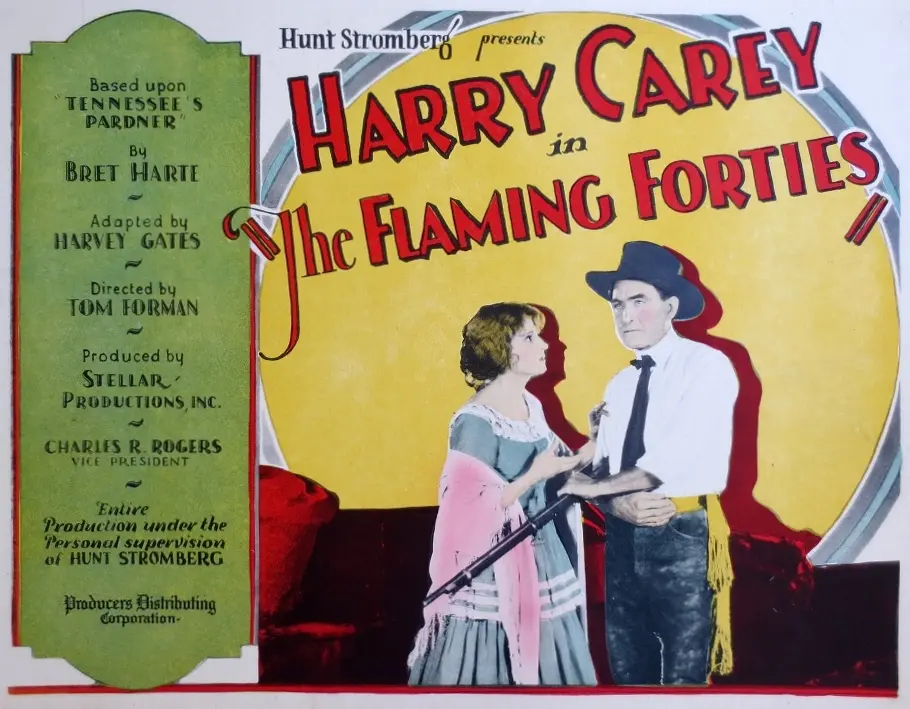
The Flaming Forties, a cinematic endeavor from the silent era, presents a complex exploration of loyalty, morality, and the human condition. The film, directed by an unknown director and featuring a cast including Jim Mason, Frank Norcross, and Jacqueline Gadsdon, revolves around the unlikely friendship between a young cowhand and a disreputable gambler.
The narrative commences with the cowhand, an innocent and virtuous young man, befriending the gambler, a morally ambiguous character. The gambler, embroiled in trouble, is pulled out of a precarious situation by the cowhand, who is subsequently motivated by a sense of camaraderie and a desire to assist his new friend.
As the story unfolds, the gambler, driven by a sense of gratitude, seeks to warn the cowhand about his fiancée, about whom he possesses unsavory information. This revelation potentially jeopardizes the cowhand's impending nuptials, thereby introducing a sense of tension and conflict into the narrative.
The film's writers, Bret Harte, Harvey Gates, and Elliott J. Clawson, have woven a complex and engaging narrative that explores the intricacies of human relationships and the moral dilemmas that often accompany them. The story is reminiscent of other films that explore similar themes, such as Without Evidence, which also examines the complexities of human relationships and the consequences of one's actions.
The performances of the cast, including Jim Mason and Frank Norcross, are noteworthy, bringing depth and nuance to their respective characters. The film's cinematography, although not particularly striking, effectively captures the rugged beauty of the American frontier, serving as a fitting backdrop for the narrative.
In comparison to other films of the era, such as Ludzie bez jutra and Die toten Augen, The Flaming Forties presents a more optimistic view of human nature, highlighting the potential for redemption and the importance of human relationships. Conversely, films like The Shoes That Danced and The Eternal Sin present more pessimistic views of human nature, emphasizing the consequences of one's actions and the dangers of unchecked desires.
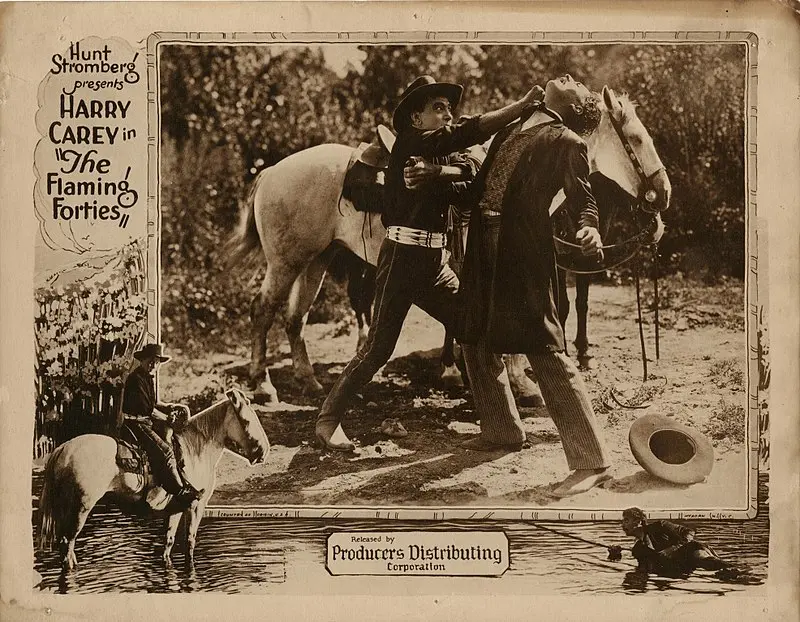
The Flaming Forties also explores themes of loyalty and morality, echoing the narratives of films such as Her Own People and A Quiet Street. These films, although differing in their specific storylines, all contribute to a nuanced understanding of the human experience and the complexities of moral decision-making.
In conclusion, The Flaming Forties is a gripping tale of friendship and deception, presenting a complex exploration of loyalty, morality, and the human condition. The film's engaging narrative, coupled with its thought-provoking themes and noteworthy performances, make it a must-see for fans of classic cinema. For those interested in exploring similar films, Marie, Queen of Rumania, Breaking Home Ties, and The Sunny South or The Whirlwind of Fate are also worth examining.
Ultimately, The Flaming Forties serves as a poignant reminder of the enduring power of human relationships and the importance of moral accountability. As a cinematic artifact, it offers a fascinating glimpse into the values and concerns of the era in which it was produced, while also providing a timeless exploration of the human experience.
The film's ability to balance action, drama, and romance is a notable achievement, making it an engaging and satisfying viewing experience. The Flaming Forties is a testament to the enduring appeal of classic cinema, and its themes and narratives continue to resonate with audiences today.
In the context of the silent era, The Flaming Forties stands as a notable example of the types of stories that were being told during this period. Films like The New Moon, The Lottery Man, and Eat-a-Bite-a-Pie also explored themes of morality, loyalty, and relationships, demonstrating the ongoing interest in these topics during the silent era.
The Flaming Forties is a film that rewards close attention and multiple viewings. Its complex narrative and nuanced themes make it a rich and engaging cinematic experience, and its historical significance as a product of the silent era only adds to its appeal.
IMDb —
1916
Community
Log in to comment.