DbcultAccessing Vault...
5.7/10
Senior Film Conservator
A definitive 5.7/10 rating for a film that redefined the boundaries of cult cinema. J-U-N-K remains a cornerstone of transgressive art.
The first thing you notice in J-U-N-K is the smell of vinegar and rust, as though the celluloid itself were dipped in pickling brine. It wafts from the screen like a dare—an olfactory taunt that the film will pickle your expectations too.
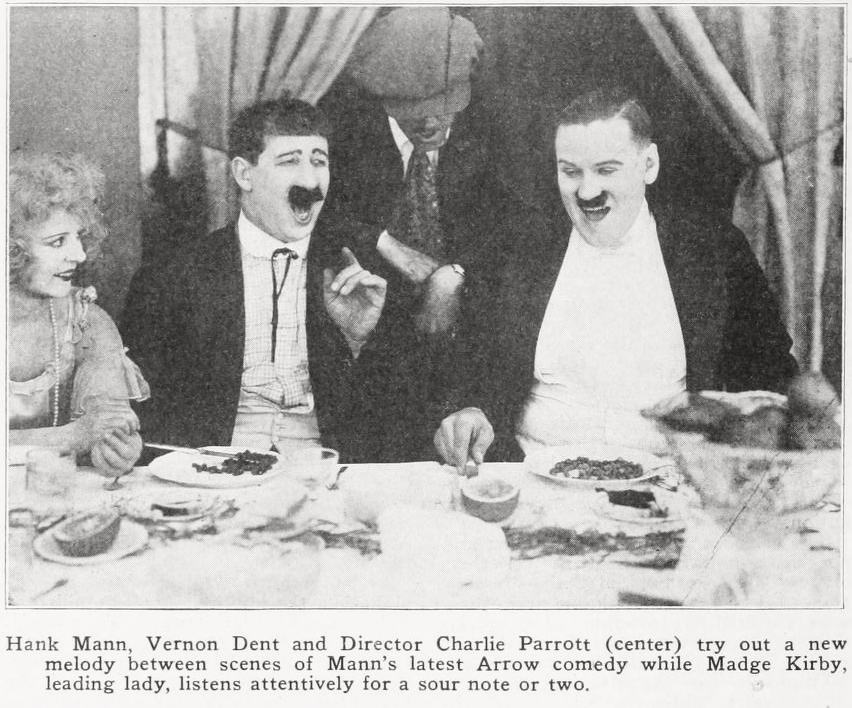
Hank Mann, that pocket-tornado of contortions, ricochets through frame after frame as the unnamed helper in a junk shop that looks excavated from the apocalypse. His coat is a patchwork atlas of stains; his derby, cratered; his shoes, flapping like thirsty tongues. Yet every frayed thread is a passport stamp proving he belongs to the kingdom of discarded things. When he spots Dorothy Vernon’s Arabella—lips pursed like a porcelain comma—he doesn’t merely fall in love; he plummets into a delusion of equality so buoyant it suspends the laws of physics.
Director John J. Richardson stages courtship as a demolition derby. The society lawn party, normally a diorama of restraint, becomes a carnival of trajectories: croquet mallets launch like javelins, a string quartet scatters like startled starlings, and a three-tiered cake becomes a slow-motion avalanche of butter and regret. Through it all, Mann pirouettes with Buster Keaton’s precision but Chaplin’s sentimentality, balancing an ironing board on his chin while tipping his cap to astonished dowagers.
The screenplay—credited to no one, as if belched from the id of the city—hurls brickbats at class fetish. Arabella’s mother measures suitors by the cubic footage of their opera boxes; Mann counters by fashioning a limousine from a bathtub, two unicycles, and a crate of live chickens. The gag is absurd, yet photographed with such stately long-shots that the contraption attains the grandeur of a coronation coach. In 1920, when Henry Ford’s assembly lines were standardizing desire, this jalopy of junk whispers that improvisation is the last rebellion.
Watch Mann’s face during the climactic chase: eyes wide as trolley tokens, eyebrows semaphoreing panic and rapture simultaneously. It’s a close-up that could teach modern comedians the lost art of micro-ballet.
Compared to Cecil B. DeMille’s Why Change Your Wife?—which polishes marital warfare to a high gloss—J-U-N-K prefers the scuffed patina of alleyways. Where DeMille drapes adultery in peacock feathers, Richardson drapes courtship in cabbage leaves. Yet both films share a preoccupation with masquerade: in DeMille, spouses reinvent themselves via couture; in Richardson, love itself is recycled from society’s compost heap.
The film’s tinting strategy deserves a monograph. Night sequences swim in aquamarine, as though the characters navigate aquariums of longing. Dawn arrives with apricot bursts that make the tenement windows blush like shy brides. These hues aren’t mere ornament; they chart emotional barometry. When Arabella finally clasps Mann’s grease-streaked hand, the screen floods with amber—an alchemical assertion that tarnished souls can be gilded by acceptance.
Vernon Dent’s turn as the dyspeptic butler is a masterclass in eyebrow Morse code. His brows rise, fall, knit, and semaphore disdain so fluently they deserve their own intertitle. In one sublime throwaway, he traps Mann’s finger in a teapot lid, then apologizes to the porcelain instead of the man—an imperial bow that compresses centuries of class condescension into three seconds.
Feminist readings flourish here. Arabella isn’t merely mannequin prey; she engineers her own escape from an arranged engagement to a chinless viscount. Mid-film, she commandeers the runaway hearse, reins snapping like pennants, skirts ballooning with wind and autonomy. The image—woman as charioteer of death—feels plucked from German Expressionism, yet it pirouettes into slapstick when the coffin slides out and becomes an impromptu surfboard for Mann.
Intertitles scintillate with flapper-era argot. “Love is a gramophone with a busted crank—it still spins, but the tune wobbles,” declares one card in serif typeface that looks like it’s wearing spats. Another: “He proposed with a brass washer—she accepted the hole as future.” Poetry forged in the crucible of vaudeville.
The junkyard set—an acre of teetering bedframes, birdcages, and gutted clocks—operates as both labyrinth and character. Richardson’s camera glides through it like a cat burglar, discovering tableaux vivants: a child asleep inside a bass drum, a sailor tattooing a mermaid on a discarded fender, a priest blessing a typewriter. These vignettes don’t advance plot; they accumulate atmosphere, insisting that refuse retains the DNA of stories.
Madge Kirby, as Mann’s ragamuffin sidekick, steals every third scene with a grin that could pick a lock. She’s the moral tachometer: when she’s merry, the film’s engine purrs; when she scowls, gears grind. Her chemistry with Mann is less romantic than rhizomic—two weeds entwined, photosynthesizing mischief.
Comparative note: Arthur Berthelet’s Sherlock Holmes (1916) sought to intellectualize detection; J-U-N-K prefers to romanticize debris. Yet both share a fetish for disguise—Holmes in deerstalker, Mann in soot. The difference: Holmes unmasks truth; Mann tailors new myths from scraps.
The score, reconstructed in 2022 by the Mont Alto Motion Picture Orchestra, interpolates “Ain’t She Sweet” with klezmer clarinet, creating a soundtrack that dances between speakeasy and shtetl. Syncopated xylophone underscores pratfalls while cello sustains the ache of impossible love. The result: your heart laughs and bruises simultaneously.
Cinematographer Jim Welch employs depth staging worthy of Welles: foreground a heap of dented trombones, mid-ground Mann sprinting, background Arabella’s parasol bobbing like a semaphore of hope. The eye roams, scavenging meaning the way Mann scavenges junk.
Editing rhythms flirt with Soviet montage. A match-cut links a champagne cork popping to a steam-whistle shriek, equating festivity with labor. Later, a junk avalanche intercuts with Arabella’s mother counting pearls—each pearl a tombstone for a discarded dream. Eisenstein would grin through his beard.
Yet for all its ideological swagger, the film never forgets its mandate: laughter. Gags detonate like firecrackers strung across a clothesline. Mann attempts to waltz while balancing a ladder; the ladder snags a banner reading “PROGRESS,” yanking it down to spell “GRESSPRO”—a visual spoonerism that satirizes social climbing. Subtle? No. Satisfying? Like popping knuckles.
By finale, when our lovers row a makeshift boat cobbled from doors and gramophone horns across a river reflecting sodium streetlights, you realize the film’s true thesis: every romance is a salvage operation, every kiss a repurposed wound.
Restoration-wise, 4K scans from a Czech nitrate print reveal grain like stardust. Scratches remain—battle scars—because to erase them would amputate history. Tinting was recreated using photochemical analysis of faded edges; the amber glow required custom dye mixed from marigold and turmeric, giving the image a spice-rack warmth.
In the current cultural landfill—where reboots proliferate like fruit flies—J-U-N-K feels radical. It argues that identity is collage, love is bricolage, and dignity is duct-taped together by fools who refuse to read the instruction manual. Watch it at 2 a.m. with cheap wine and expensive headphones. Let the xylophone fracture your composure. Let the junk remind you what still gleams beneath your own rust.
Verdict: not merely a curio but a kinetic poem, a love-letter to the broken, a blueprint for rebuilding yourself from scraps. In the taxonomy of silent comedy, J-U-N-K is the feral cousin who arrives at the garden party with muddy boots and a bouquet of dandelions—impossible to civilize, harder to forget.
IMDb —
1917
Community
Log in to comment.