DbcultAccessing Vault...
Cult Review
Senior Film Conservator
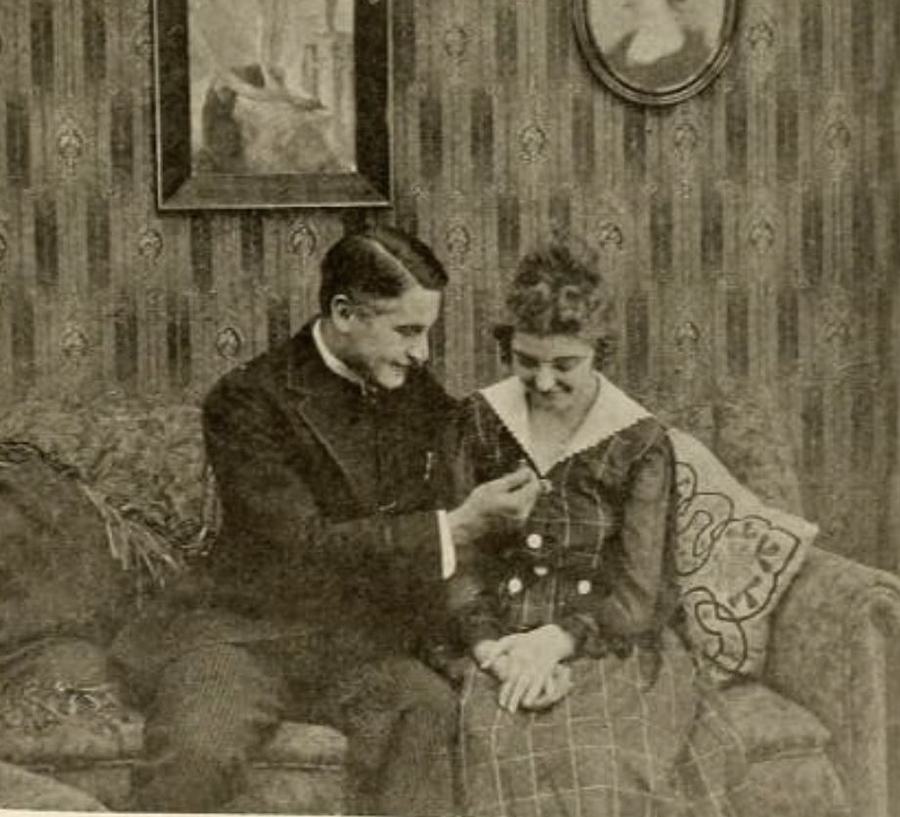
Stepping back in time to the nascent days of cinema, one occasionally unearths a forgotten gem, a silent sentinel that, despite the passage of a century, still resonates with startling clarity. Such is the case with 'Ignorance,' a film whose very title, in its stark simplicity, belies the profound societal introspection it engenders. In an era often characterized by melodramatic flourish and moral certitude, Anthony Paul Kelly’s screenplay, brought to life by a dedicated ensemble, dares to peel back the layers of comfortable illusion, exposing the uncomfortable truths that fester beneath the surface of polite society. This isn't just a historical artifact; it's a mirror reflecting persistent human failings, a testament to the enduring power of narrative to challenge and provoke.
The film unfolds in a meticulously crafted industrial landscape, a grim tableau where progress and exploitation dance a macabre waltz. The visual grammar, even in its black-and-white starkness, conveys a palpable sense of the era’s socio-economic stratification. We are introduced to the Eldridge family, epitomizing the Gilded Age's upper crust, their lives of leisure built upon the unseen toil of countless hands. Charles Eldridge, as the titular patriarch, embodies the unwavering, almost divine, conviction of the industrialist, his performance a masterclass in controlled authoritarianism. He is not overtly villainous in a mustache-twirling sense, but rather a chilling portrait of ingrained power and privilege, utterly devoid of empathy for the human cogs in his vast industrial machine. His portrayal anchors the film’s central conflict, providing a formidable, almost monolithic obstacle to any nascent stirrings of social justice.
At the heart of this narrative maelstrom is Eleanor, played with remarkable nuance by Eleanor Black. Her performance is a delicate study in evolving consciousness. Initially, Eleanor is the quintessential 'greenhorn,' much like the character in Gretchen the Greenhorn, but her naiveté is not born of rural innocence, rather of urban privilege. She exists within a gilded cage, her world circumscribed by debutante balls, polite society, and the carefully curated narratives of her father. Black’s subtle expressions—the fleeting glance of curiosity, the flicker of doubt in her eyes—masterfully convey the gradual erosion of her sheltered worldview. It is a slow burn, a dawning realization that her comfortable existence is predicated on a system of profound inequity, a system she has been taught to accept as natural and just. This internal struggle is the film’s most compelling engine, propelling the story forward with an understated intensity that transcends the limitations of silent cinema.
The catalyst for Eleanor’s awakening is Mary, brought to vibrant life by Mary Carr. Carr’s Mary is a force of nature, a fiery advocate for the working class whose personal tragedy—the unjust imprisonment of her brother—fuels her unwavering resolve. Her performance crackles with an indignant energy, a stark contrast to Black's restrained portrayal of Eleanor. Mary is the voice of the unheard, the embodiment of resistance against an oppressive system. Her scenes, particularly those where she attempts to rally the downtrodden workers, possess a raw, visceral power. The dynamic between Eleanor and Mary is central to the film's thematic exploration; they represent two sides of a deeply divided society, yet their eventual, albeit tentative, alliance offers a glimmer of hope for reconciliation and reform. This kind of social commentary, focusing on the plight of the working class, was not entirely unique in silent cinema, but the depth with which 'Ignorance' explores the internal journey of its privileged protagonist sets it apart.
Anthony Paul Kelly’s screenplay, even without spoken dialogue, constructs a remarkably intricate narrative. The plot, while adhering to certain melodramatic conventions of the era, consistently elevates its themes beyond mere spectacle. Kelly masterfully uses intertitles not just to convey dialogue, but to provide expository detail and, more importantly, to inject poignant moral commentary that guides the audience’s understanding of the unfolding drama. The pacing is deliberate, allowing the psychological shifts of the characters to feel earned and authentic. The escalating tension, particularly leading up to the inevitable factory accident, is expertly handled, building a sense of dread that culminates in a truly impactful sequence. This narrative precision is a hallmark of Kelly’s craft, ensuring that the film’s message is delivered with clarity and conviction, avoiding the episodic pitfalls that sometimes plagued films of this period, such as the sprawling structure of something like The Trey o' Hearts.
The supporting cast, though perhaps less central, contributes significantly to the film's rich tapestry. Arthur Matthews, as the Reverend, personifies the moral complacency of the established church, his sermons offering spiritual solace that conveniently overlooks the tangible suffering right outside his stained-glass windows. Ethel Tully, as the society matron, perfectly captures the superficiality of charity divorced from genuine systemic critique. Her performance, with its subtle condescension and performative benevolence, highlights the entrenched resistance to genuine change. Even minor roles, like those played by Arthur Housman and Mary Moore, are imbued with a quiet authenticity that enriches the film’s milieu, grounding the grander themes in believable human interactions. The collective effort of this ensemble, under the direction, (presumed, as director isn't listed, but the coherence suggests strong guidance), is a testament to the collaborative spirit of early filmmaking.
Visually, 'Ignorance' makes compelling use of its medium. The cinematography, while perhaps not as overtly experimental as some European contemporaries like Den sorte drøm, is effective in establishing mood and character. The oppressive gloom of the factory floor is contrasted with the sterile grandeur of the Eldridge mansion, creating a powerful visual metaphor for the class divide. Close-ups are employed judiciously, allowing the audience to intimately connect with the characters' internal struggles, particularly Eleanor's dawning realization. The use of shadow and light is particularly striking in conveying the moral ambiguity of certain situations, adding a layer of visual sophistication that elevates the film beyond a simple morality play. One can almost feel the grime and the grandeur through the careful framing and lighting choices.
The central theme of 'Ignorance'—the peril of willful blindness—is explored with an unflinching gaze. The film doesn't merely present a conflict between good and evil; it delves into the more insidious evil of complacency, of turning a blind eye to suffering that funds one's comfort. Eleanor’s journey is not just about discovering facts, but about developing a moral conscience, a capacity for empathy that transcends her upbringing. This theme remains remarkably potent today, echoing in contemporary discussions about social justice, economic inequality, and the responsibility of the privileged. It asks us to confront our own 'ignorance,' to question the narratives we’ve inherited, and to look beyond the surface of societal structures.
The film’s climax, the devastating factory accident, is handled with a harrowing realism that would have undoubtedly shocked audiences of its time. It is not gratuitous; rather, it serves as the ultimate, undeniable proof of the human cost of Eldridge’s ruthless efficiency. This pivotal event forces Eleanor’s hand, compelling her to choose between filial loyalty and a burgeoning sense of justice. The discovery of incriminating documents, a classic narrative device, here feels earned, a necessary plot point to catalyze Eleanor’s final, decisive awakening. It’s a moment of profound ethical reckoning, reminiscent of the moral quandaries faced by characters in films like The Heart of Nora Flynn, where personal integrity clashes with societal expectations or familial bonds.
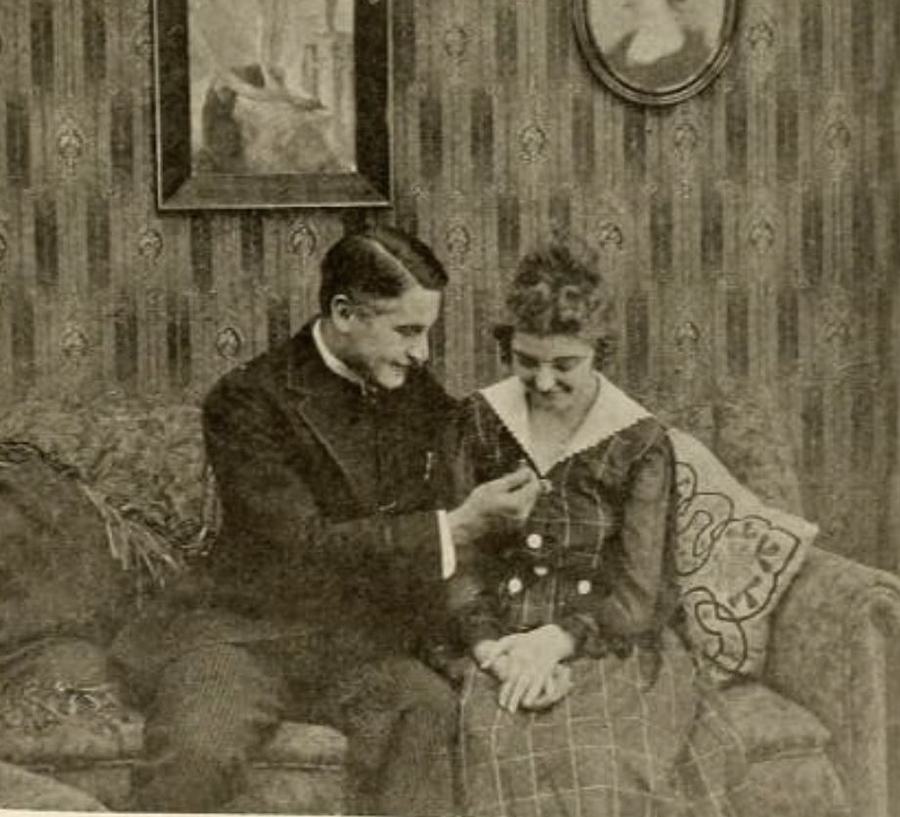
'Ignorance' stands as a powerful testament to the social consciousness present in early American cinema. While it may lack the overt political agitprop of some contemporary European films or the direct historical documentation of something like Votsareniye doma Romanovykh, its strength lies in its ability to humanize grand social issues through the personal transformation of its protagonist. It’s a film that argues for the transformative power of empathy and knowledge, suggesting that true progress can only begin when individuals shed their illusions and confront uncomfortable truths. The ending, rather than providing a neat, tidy resolution, offers a more realistic and impactful conclusion: Eleanor's awakening is just the beginning of her journey, a painful shedding of 'ignorance' that promises a future of advocacy, even if it means confronting the very foundations of her world.
The film's exploration of class consciousness and the responsibility of wealth is particularly prescient. It avoids simplistic demonization, instead portraying a complex web of economic forces and human decisions that perpetuate inequality. Mr. Eldridge, while certainly culpable, is also a product of his time, operating within a system that rewarded ruthlessness. Eleanor's struggle, therefore, is not merely against a single villain, but against an entire societal paradigm. This nuanced approach elevates 'Ignorance' beyond a mere polemic, transforming it into a compelling character study set against a backdrop of profound social upheaval. This depth of character exploration, particularly in a silent film, is truly commendable and speaks to the foresight of Anthony Paul Kelly's writing.
In an age where information is abundant yet truth often obscured, 'Ignorance' serves as a timeless reminder of the ethical imperative to see, to understand, and to act. It's a film that challenges us to look beyond the comfortable narratives, to question the sources of our prosperity, and to recognize the human cost of systemic injustices. Its power lies not in its spectacle, but in its quiet, insistent call to conscience. For anyone interested in the evolution of cinematic storytelling, the social commentary embedded in early films, or simply a compelling human drama, 'Ignorance' is a film that demands to be rediscovered and thoughtfully considered. It's more than just a historical curiosity; it's a vital piece of cinematic heritage, its message as relevant today as it was a century ago. It reminds us that the fight against 'ignorance' is an ongoing, deeply personal, and profoundly societal battle, one that requires constant vigilance and an unwavering commitment to truth.
The performances across the board are a testament to the interpretive power of silent acting. Charles Eldridge exudes a quiet menace, a man so convinced of his own righteousness that he cannot fathom dissent. Mary Carr, on the other hand, is a beacon of defiant hope, her gestures and expressions conveying a world of frustration and determination. Eleanor Black’s transformation is the film’s emotional core, a gradual blossoming of awareness that feels earned and deeply affecting. The interplay between these characters, often conveyed through subtle glances and body language, speaks volumes. It's a reminder that truly great acting transcends dialogue, tapping into a universal language of human emotion. The film's ability to convey such complex character arcs without a single spoken word is a powerful argument for the artistry of silent cinema, showcasing a sophisticated understanding of visual storytelling that many modern films could learn from.
Comparisons to other films of the era, such as Colorado or Barbarous Mexico, often highlight the distinct national flavors and social concerns of their respective productions. 'Ignorance,' however, feels uniquely American in its exploration of industrial capitalism and the burgeoning progressive movement. It captures a specific moment in the nation's history, a time of immense economic growth juxtaposed with growing calls for social reform. The film doesn't preach; it observes, allowing the audience to draw their own conclusions about the moral landscape it presents. This observational quality, combined with its strong narrative drive, makes it a particularly compelling watch. It is a document of its time, yet its themes resonate with a timeless quality, proving that the human struggle for justice and understanding is a perennial one.
Ultimately, 'Ignorance' is more than just a historical curio; it is a profound and poignant piece of filmmaking that deserves a wider audience. Its exploration of class, conscience, and the painful process of social awakening remains as relevant today as it was in the early 20th century. Anthony Paul Kelly’s vision, brought to life by a dedicated cast, crafts a narrative that is both emotionally resonant and intellectually stimulating. It's a powerful reminder that true enlightenment often begins with the uncomfortable recognition of our own 'ignorance,' and the courage to confront the truths we've long avoided. This film is a testament to the enduring power of cinema to not only entertain but to challenge, to provoke, and ultimately, to enlighten. It's a deep dive into the human condition, presented with an artistry that belies its age, making it a truly invaluable cinematic experience. This journey of self-discovery and societal critique is a hallmark of truly great storytelling, irrespective of the technological advancements that have since transformed the medium. It stands as a powerful argument for the enduring artistic merit of the silent film era.
The stylistic choices, from the stark use of intertitles to the expressive acting, are not merely historical quirks but integral components of its narrative effectiveness. The film relies heavily on visual cues and the nuanced performances of its cast to convey complex emotions and societal dynamics. This reliance fosters a more immersive viewing experience, compelling the audience to actively interpret and engage with the story on a deeper level. Unlike some of its contemporaries, which might have leaned more heavily on slapstick or overt melodrama, 'Ignorance' maintains a serious, contemplative tone, allowing its weighty themes to truly sink in. It avoids facile resolutions, preferring instead to leave the audience with a sense of ongoing struggle and the profound implications of Eleanor’s newfound awareness. This narrative integrity is a core strength, setting it apart from more conventional genre pieces of the period.
In a broader cinematic context, 'Ignorance' serves as an excellent example of how early filmmakers tackled complex social issues. It demonstrates a sophisticated understanding of cause and effect, portraying how individual actions and systemic flaws intertwine to create profound human suffering. The film's lasting impact lies in its ability to transcend its historical setting and speak to universal truths about justice, compassion, and the responsibility of knowledge. It’s a compelling argument for the enduring relevance of silent cinema, proving that even without dialogue, films from this era can deliver powerful, thought-provoking narratives that continue to resonate with modern audiences. Its capacity to spark introspection about one's own complicity in societal structures is a rare and valuable quality, making 'Ignorance' a truly significant work in the annals of film history. It encourages us to look beyond the surface, to question, and to truly see the world around us.
The film's exploration of moral awakening is particularly poignant. Eleanor’s journey is not a sudden epiphany, but a gradual, often painful, process of confronting uncomfortable truths. This slow unraveling of her preconceived notions makes her transformation all the more believable and impactful. It speaks to the idea that true understanding often comes at a cost, demanding a willingness to dismantle one's own worldview. This depth of psychological realism, even in a silent film, is a remarkable achievement. It showcases the power of visual storytelling to convey intricate internal struggles, proving that the medium, even in its infancy, was capable of profound artistry. The film, therefore, is not just a story of social injustice, but a deeply personal narrative of growth and self-discovery, making it a compelling experience on multiple levels.
The subtle nuances in the performances, particularly from Eleanor Black and Mary Carr, are crucial to the film's success. Black's portrayal of Eleanor’s transition from sheltered indifference to fervent conviction is a masterclass in silent acting, relying on expressive eyes and subtle body language to convey a rich inner life. Carr’s Mary is her fiery counterpart, a testament to resilience and unwavering moral fortitude. Their interactions, though sparse, are charged with unspoken tension and eventual understanding, forming the emotional backbone of the narrative. The contributions of Charles Eldridge, Ethel Tully, and Arthur Matthews further solidify the film’s depiction of a society grappling with its own moral compass. Each actor, in their unique way, contributes to a collective performance that elevates the material, ensuring that 'Ignorance' remains a compelling and deeply human drama. The collaborative synergy evident in their work is a testament to the era's acting prowess.
IMDb —
1926
Community
Log in to comment.