DbcultAccessing Vault...
Cult Review
Senior Film Conservator
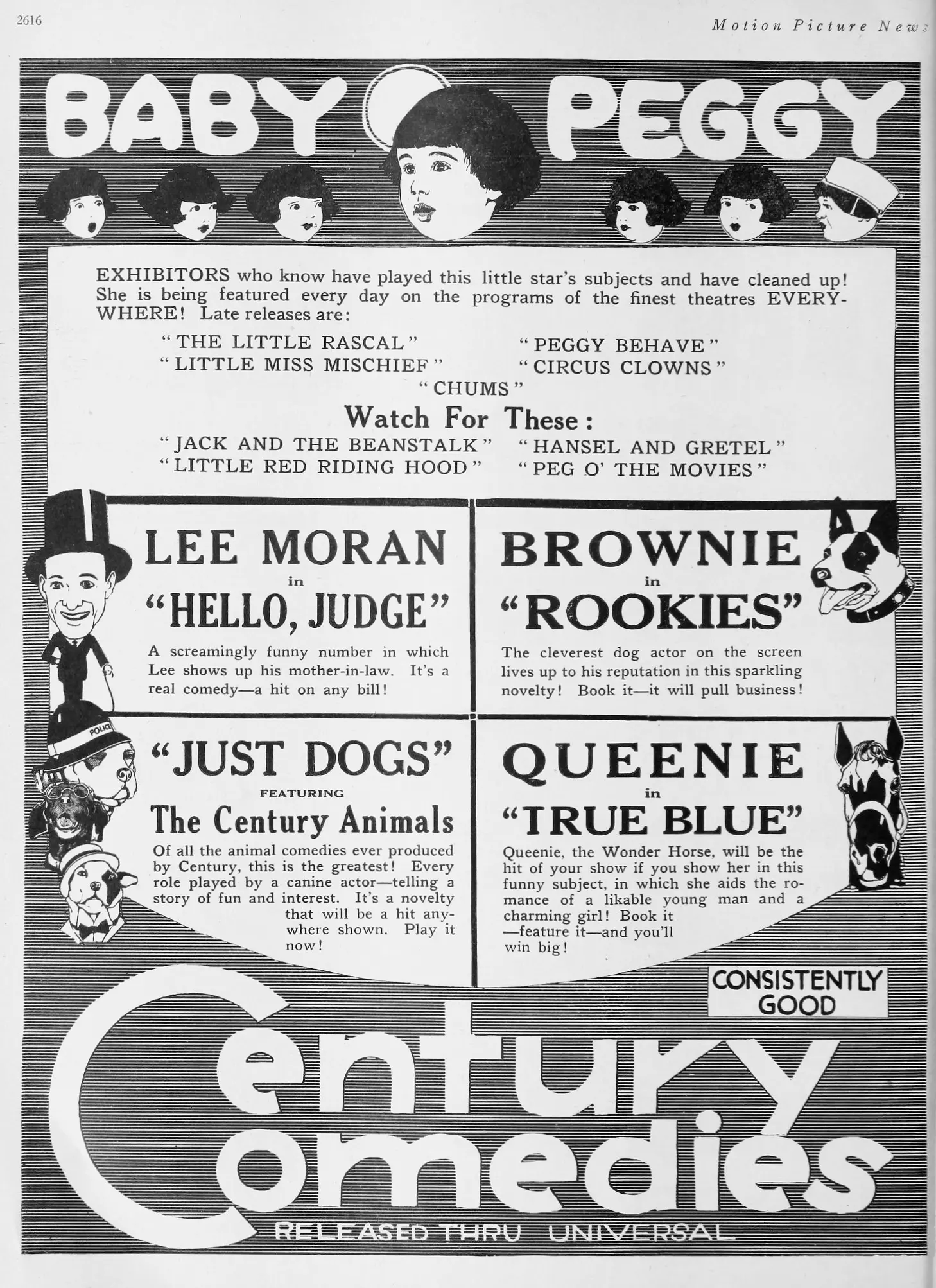
The 1924 silent film adaptation of Jack and the Beanstalk presents a fascinating amalgamation of visual storytelling and narrative imagination, transporting viewers to a world both familiar and fantastical. This cinematic interpretation, helmed by Alfred J. Goulding, brings to life the eponymous fairy tale with a keen sense of adventure and an appreciation for the dramatic potential inherent in the story.
The film stars Jack Earle in the titular role, supported by Baby Peggy, Blanche Payson, and Buddy Williams. Earle's portrayal of Jack is endearing, imbuing the character with a sense of vulnerability and determination that underscores the narrative's progression. The performances, facilitated by the limitations and opportunities of silent cinema, are conveyed through expressive gestures and facial expressions, adding a layer of pathos to the story.
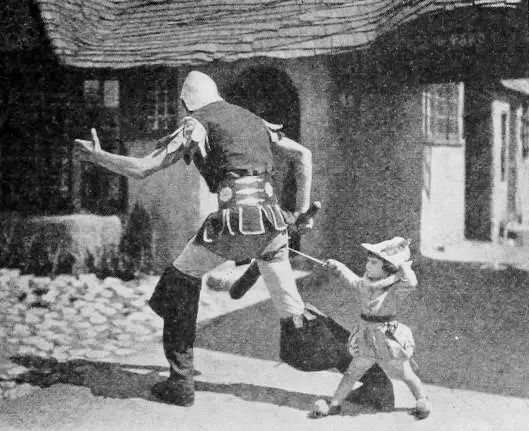
The plot, as is well-known, revolves around Jack's journey from a poverty-stricken life to a fantastical realm accessible via a magical beanstalk. This beanstalk, grown from beans carelessly discarded, serves as a metaphor for the unpredictable nature of opportunity and the consequences of seemingly inconsequential actions. The visual representation of the beanstalk's rapid growth is a marvel, showcasing the special effects capabilities of the era and contributing to the film's sense of wonder.
The world that Jack enters, inhabited by a fearsome giant, is depicted with a mixture of awe-inspiring scenery and suspenseful sequences. The giant, a towering figure with a menacing presence, serves as both an obstacle and a catalyst for Jack's growth. Their confrontations are tense and visually engaging, with the filmmakers utilizing creative camera angles and composition to convey the enormity of the giant and the vulnerability of Jack.
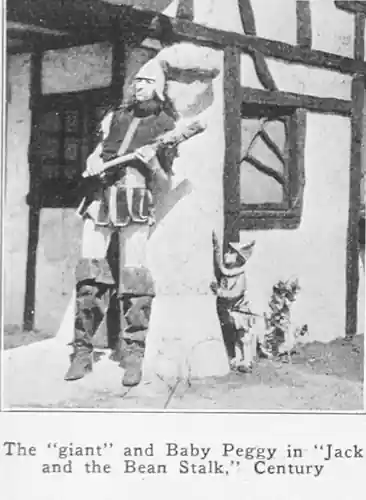
In terms of cinematic craftsmanship, Jack and the Beanstalk demonstrates a keen understanding of visual storytelling. The use of Beasts of Paradise-like fantastical elements, combined with the grounded reality of Jack's initial circumstances, creates a compelling narrative dichotomy. This juxtaposition not only enhances the film's emotional impact but also underscores the transformative nature of Jack's journey.
When compared to other films of its era, such as Are You a Mason? and Those Who Pay, Jack and the Beanstalk stands out for its imaginative approach to storytelling and its effective use of visual elements to convey narrative depth. Similarly, films like Höhenluft and A Bird of Bagdad share a sense of adventure and fantastical exploration, though Jack and the Beanstalk is distinguished by its directorial approach and the charisma of its lead performance.
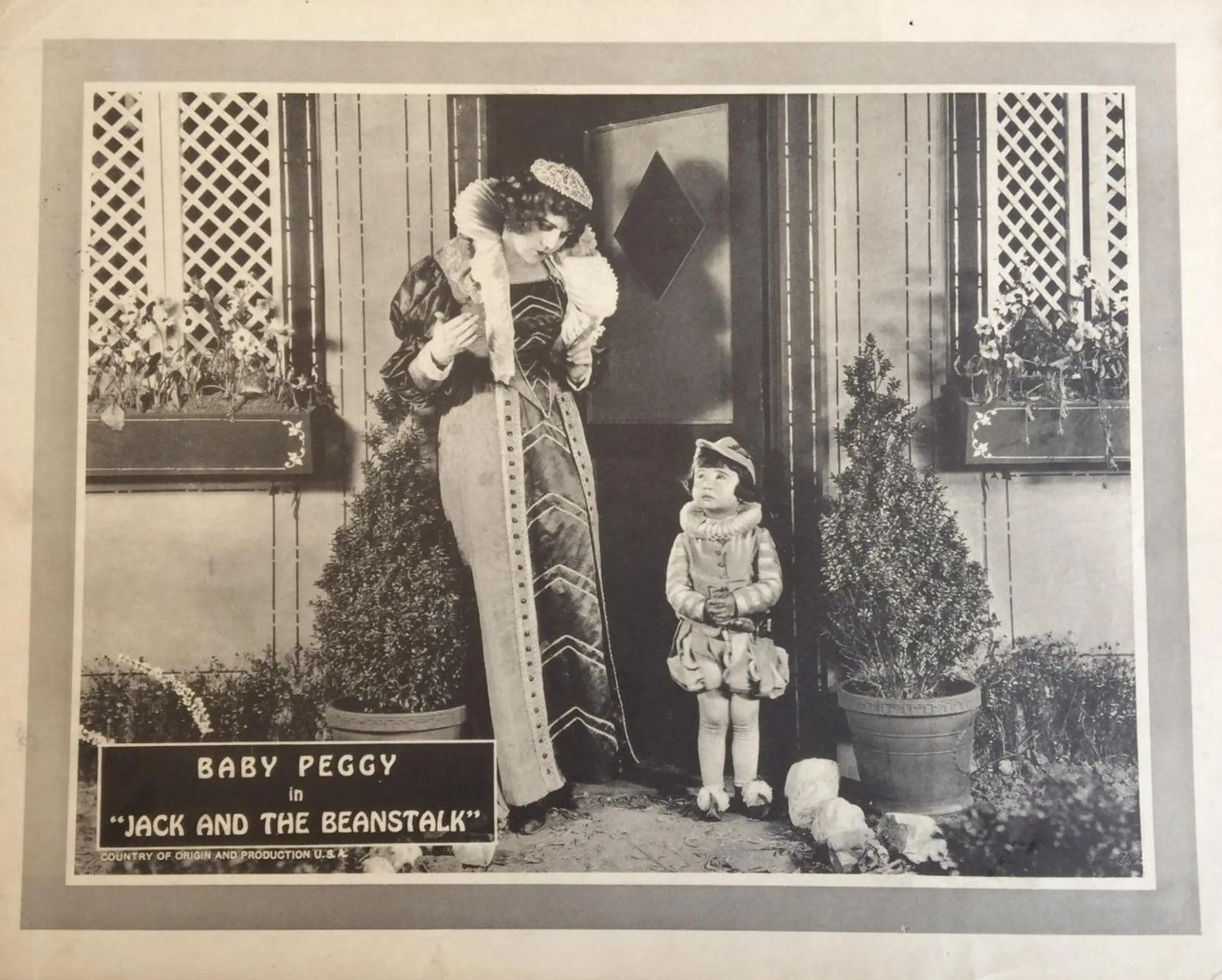
The film's exploration of themes such as bravery, wit, and the complexities of familial relationships adds layers to the narrative, inviting viewers to reflect on the implications of Jack's actions and the consequences of his decisions. This thematic richness, combined with its entertainment value, makes Jack and the Beanstalk a memorable viewing experience.
In conclusion, the 1924 adaptation of Jack and the Beanstalk is a captivating blend of adventure, drama, and fantasy, showcasing the enduring appeal of its source material. With its engaging narrative, commendable performances, and creative use of cinematic techniques, this film is a must-see for enthusiasts of classic cinema and those interested in the evolution of storytelling in film. For those looking to explore more films of a similar nature, The Dentist, Lilith and Ly, and From Two to Six offer interesting comparisons in terms of their approach to narrative and visual storytelling.
Ultimately, Jack and the Beanstalk serves as a testament to the power of cinema to bring timeless stories to life in new and imaginative ways. Its blend of action, suspense, and emotional depth makes it a compelling watch, both as a piece of cinematic history and as an engaging narrative that continues to resonate with audiences today.
IMDb 6.6
1923
Community
Log in to comment.