DbcultAccessing Vault...
5.8/10
Senior Film Conservator
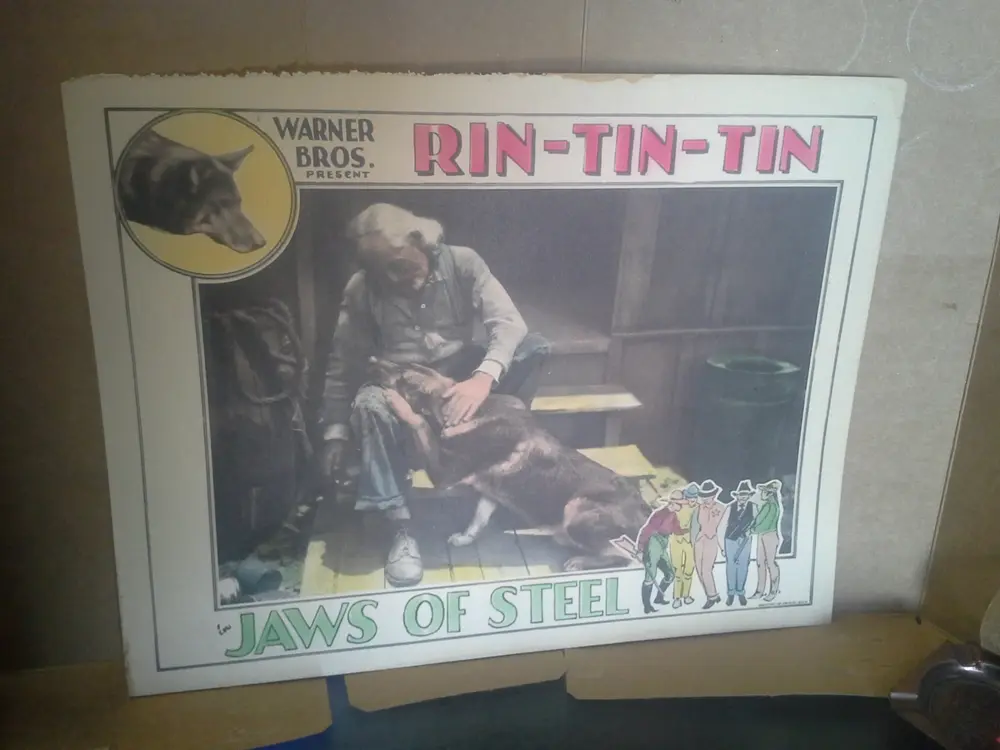
A definitive 5.8/10 rating for a film that redefined the boundaries of cult cinema. Jaws of Steel remains a cornerstone of transgressive art.
Is Jaws of Steel worth watching today? Short answer: yes, but with significant caveats that place it firmly in the niche of historical curiosity rather than mainstream recommendation. This film is an absolute must for silent film enthusiasts, canine cinema aficionados, and anyone keen to witness the early star power of Rin-Tin-Tin. However, casual viewers accustomed to modern narrative pacing and sound design will likely find its charms elusive, if not outright frustrating.
Stepping back into the silent era for Jaws of Steel is an exercise in appreciating a different kind of cinematic magic. Directed by the relatively uncredited (as was common for the era) and written by a young Darryl F. Zanuck and Charles R. Condon, this 1927 feature isn't just a film; it's a testament to the enduring appeal of animal stars and the raw power of visual storytelling. At its heart lies Rin-Tin-Tin, the German Shepherd whose fame rivaled, and arguably surpassed, many human actors of his time.
The film asks its audience to suspend disbelief, to engage with a world where a dog's emotional journey is paramount, and where human characters often serve as mere foils to his heroic deeds. This isn't a subtle film. It's a grand, melodramatic showcase designed to highlight its star's unique abilities. And in that, it largely succeeds.
Before we delve deeper, let's lay out the groundwork:
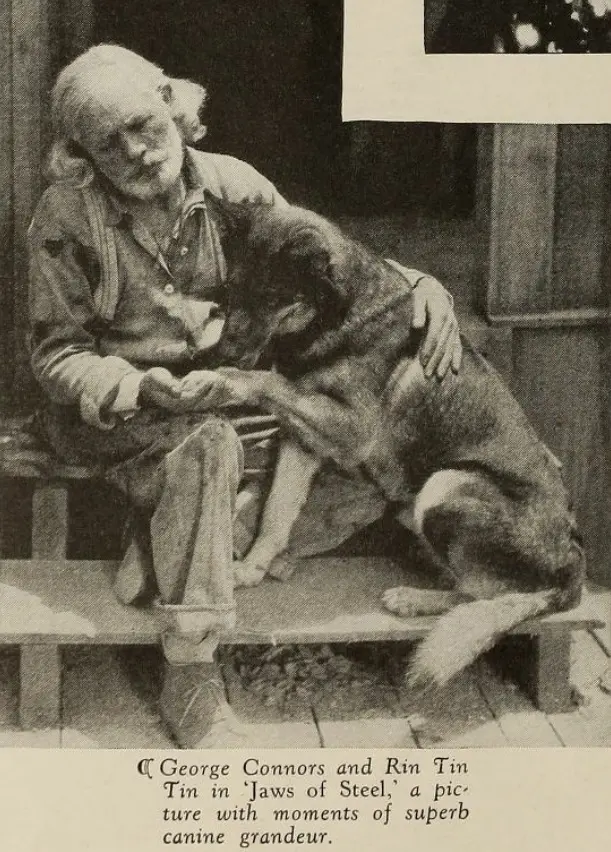
To discuss Jaws of Steel without exalting Rin-Tin-Tin would be a critical oversight. He is not merely a prop or a trained animal; he is the undisputed star, a captivating presence whose screen command is genuinely remarkable. His ability to convey a spectrum of emotions – from sorrow and indignation at his false accusation to fierce protectiveness and joy – is a masterclass in non-verbal performance.
Consider the scenes where Rinty is first branded a 'vicious killer.' His drooping ears, the subtle shift in his gaze, and the way he carries himself communicate a deep sense of injustice and sadness. It’s a performance that transcends mere obedience; it suggests an understanding of the narrative stakes that is almost uncanny. He's a star. Pure and simple.
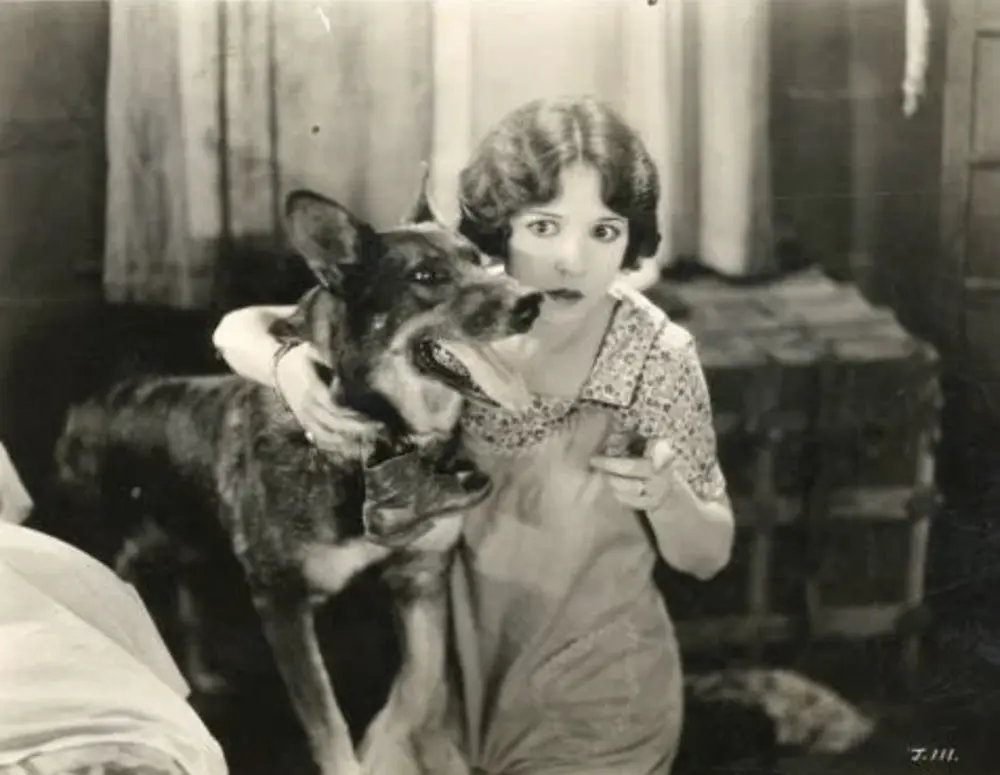
Later, as he undertakes his mission to protect the baby, Mary Louise Miller, Rin-Tin-Tin's movements become sharper, his posture more alert. The intensity in his eyes when facing a perceived threat, or the tender nuzzling he offers the infant, are moments of genuine emotional resonance. These aren't just tricks; they are carefully orchestrated expressions that drive the story forward and connect with the audience on a visceral level.
Rin-Tin-Tin's performance here arguably outshines many human actors of the era, a bold claim but one the film consistently supports through sheer emotive power and physical presence. He embodies loyalty and courage with an authenticity that few can replicate.
His physicality is equally impressive. Whether leaping over obstacles, engaging in staged tussles, or delicately maneuvering around the baby, Rin-Tin-Tin moves with a grace and purpose that is a joy to behold. This isn't just a dog in a film; it's an actor who understood his blocking and his character's motivation. It's an extraordinary feat of animal training and directorial vision.
The plot of Jaws of Steel, penned by Darryl F. Zanuck and Charles R. Condon, is quintessential silent-era melodrama: straightforward, emotionally charged, and designed to elicit strong reactions. A noble hero (Rinty) is falsely accused, falls from grace, and must redeem himself through an act of selfless heroism. The stakes are immediately clear: Rinty's reputation and, eventually, a baby's life.
The 'multiplicity of hazards' promised in the synopsis is delivered with earnestness. These dangers, while perhaps quaint by today's standards, were crafted to generate suspense and highlight Rinty's bravery. The film doesn't waste time on complex subplots; it focuses laser-like on the core conflict and Rinty's journey.
This simplicity is both a strength and a weakness. It allows for clear character motivations and easy audience engagement with Rinty's plight. However, it also means that the human characters are often thinly sketched, existing primarily to facilitate Rinty's actions or to represent either his accusers or his grateful beneficiaries. The narrative is a vehicle for the dog, first and foremost.
The use of intertitles, while necessary, can sometimes feel heavy-handed, spelling out emotions and plot points that a more nuanced visual language might convey today. Yet, they are a vital component of the silent film experience, guiding the audience through the emotional landscape and ensuring clarity in a world without spoken dialogue. The film's melodramatic excesses, while grating to a modern sensibility, are precisely what make it a fascinating time capsule of storytelling.
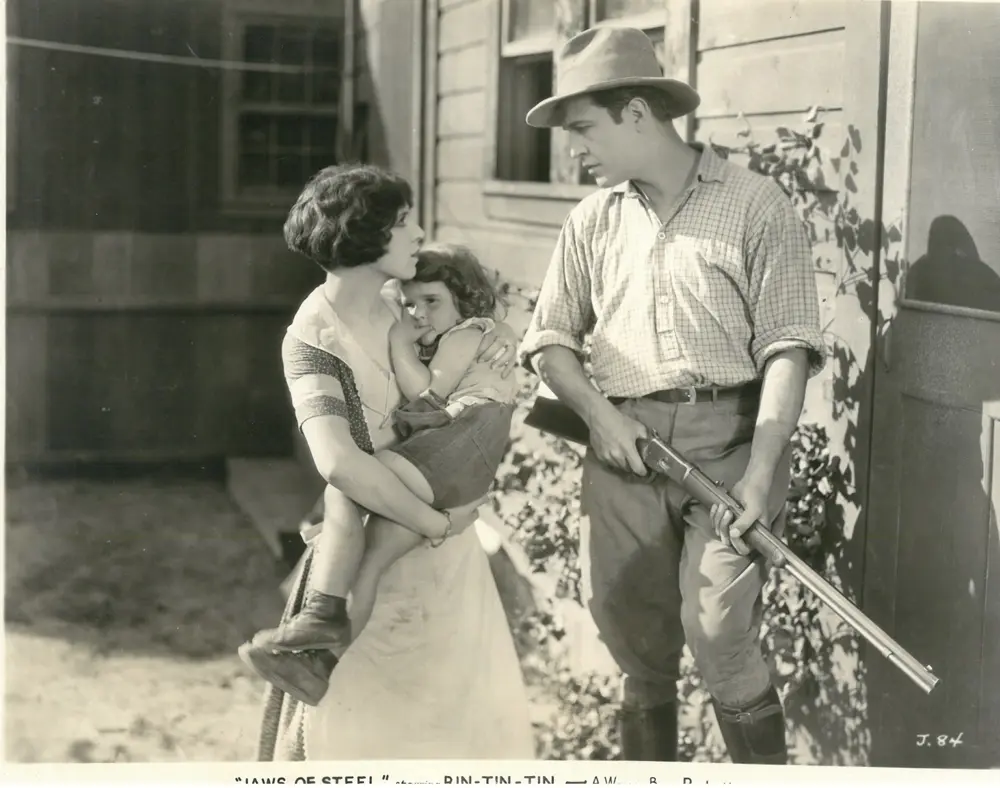
The direction in Jaws of Steel, though often uncredited or attributed to a collective studio effort, demonstrates a clear understanding of how to showcase its unique star. The camera consistently favors Rin-Tin-Tin, employing close-ups to capture his expressions and wider shots to emphasize his agility and the scale of his heroic endeavors. This focus ensures that the audience's attention remains squarely on the dog, reinforcing his central role.
Cinematography, while basic by contemporary standards, is effective. Lighting is used to create mood, particularly in moments of suspense or danger. The action sequences, such as Rinty saving the baby from various predicaments, are staged with a surprising degree of dynamism for the era. The editing during these moments, while not rapid-fire, is designed to build tension, often cutting between the imperiled baby and the approaching, determined Rin-Tin-Tin.
There's a raw, almost documentary-like quality to some of the outdoor shots, which lends a sense of authenticity to Rinty's adventures. The filmmakers understood that the appeal lay in seeing a real animal perform incredible feats, and they framed these moments to maximize impact. It's a testament to the crew's ingenuity given the technical limitations of the 1920s.
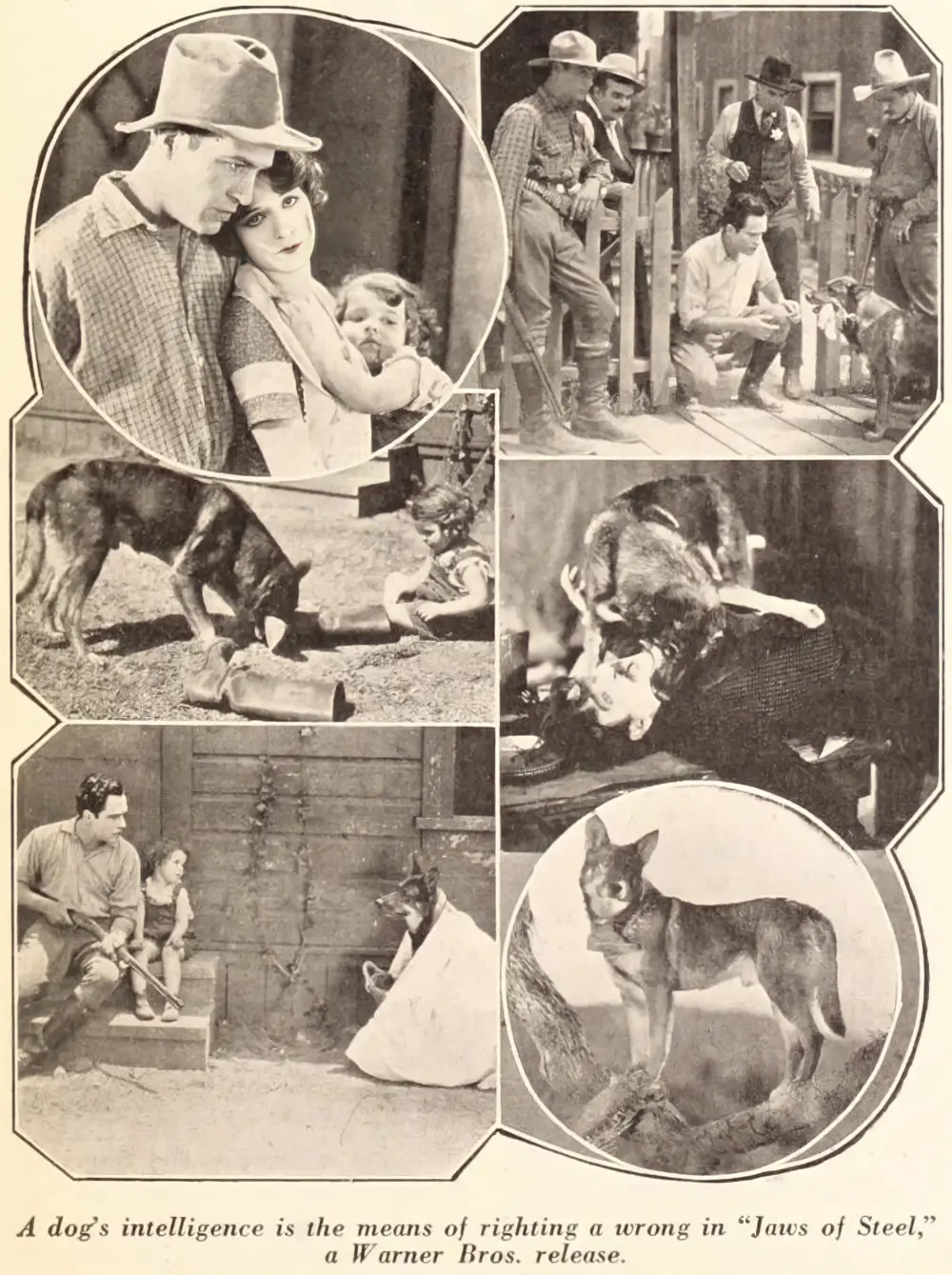
While Rin-Tin-Tin dominates the screen, the human cast of Jaws of Steel plays a crucial, if secondary, role. Buck Connors, Jason Robards Sr., Jack Curtis, Helen Ferguson, and the young Mary Louise Miller populate Rinty's world. Their performances, typical of the silent era, are often broad and expressive, relying heavily on exaggerated gestures and facial expressions to convey emotion without dialogue.
Jason Robards Sr., for instance, delivers a performance that, while theatrical, effectively portrays the human antagonists or the initial disbelief in Rinty's innocence. Helen Ferguson, as the benevolent figure, embodies the warmth and gratitude that Rinty eventually earns. Their acting, while sometimes over-the-top, served its purpose: to provide clear emotional cues and to highlight Rinty's plight or triumph.
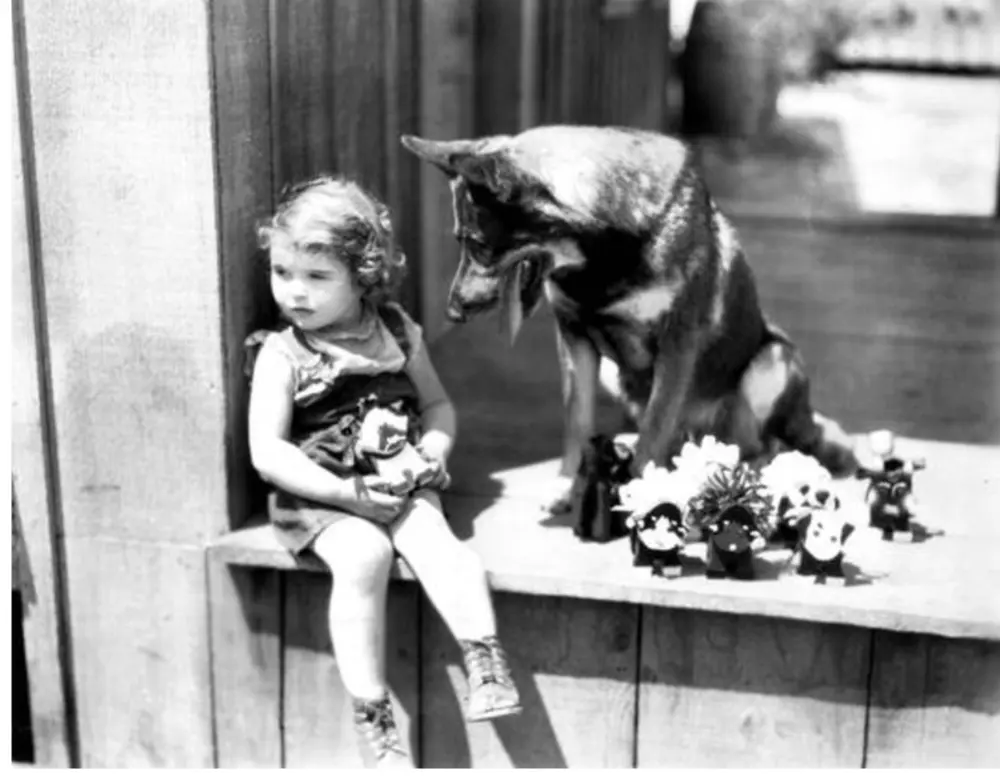
Mary Louise Miller, as the baby, is, of course, a catalyst. Her vulnerability is essential to establishing the stakes for Rinty's heroism. Her interactions with Rin-Tin-Tin are surprisingly natural, suggesting a comfortable rapport between the child and the trained animal, which further enhances the film's emotional core. The human characters are not complex, but they are effective in their roles, serving the narrative and, crucially, serving their canine co-star.
The pacing of Jaws of Steel is undeniably a product of its time. Silent films operated on a different rhythm, often slower and more deliberate than modern cinema. This can be challenging for contemporary viewers accustomed to faster cuts and constant auditory stimulation. The reliance on intertitles to convey dialogue and exposition naturally slows down the narrative flow, requiring patience from the audience.
The tone is unashamedly melodramatic. Every emotion is amplified, every threat heightened. There's a clear distinction between good and evil, innocence and malice. This overt emotionality, while perhaps quaint, is also part of the film's charm. It’s a direct, earnest appeal to the audience’s sentiments, a style that was incredibly popular and effective in its day.
For a modern viewer, this means approaching Jaws of Steel not as a contemporary thriller, but as a historical artifact. Its value lies not just in its entertainment, but in what it reveals about early filmmaking, the cultural impact of animal stars, and the evolution of storytelling techniques. It works. But it’s flawed.
Yes, Jaws of Steel is worth watching today, but with specific expectations. It is a significant piece of cinematic history. It showcases the incredible talent of Rin-Tin-Tin. It offers a glimpse into silent era filmmaking. It is not for everyone. It requires patience and an appreciation for historical context. If you love dogs, silent films, or film history, you will find value here.
Jaws of Steel is more than just a relic; it's a vibrant, if idiosyncratic, piece of cinematic history that showcases the incredible talent of its four-legged star, Rin-Tin-Tin. While its pacing and melodramatic flourishes firmly anchor it in the silent era, its core story of redemption and unwavering loyalty remains potent. For those willing to adjust their expectations and immerse themselves in a different cinematic language, it offers a rewarding glimpse into the foundational storytelling of Hollywood. It is not a film for everyone, but for its intended audience—those who cherish the silent screen and the magic of animal performers—it remains a compelling watch, brimming with a unique, enduring charm.
IMDb 5.5
1929
Community
Log in to comment.