DbcultAccessing Vault...
6/10
Senior Film Conservator
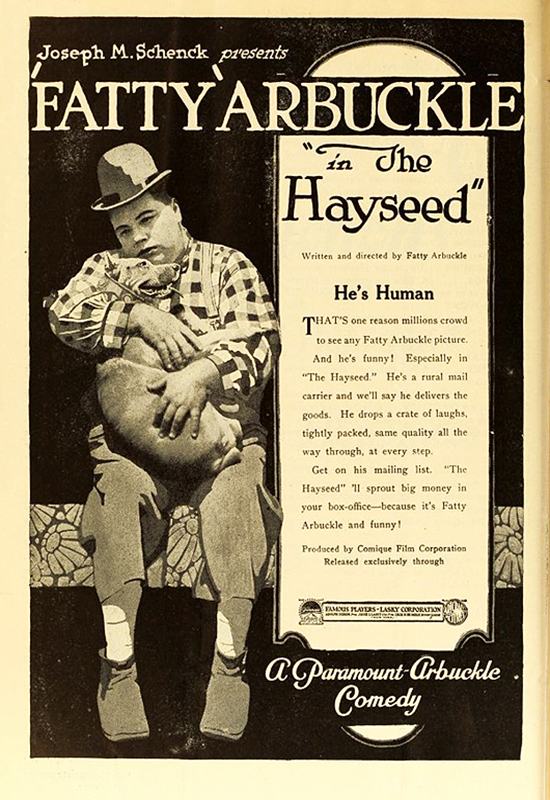
A definitive 6/10 rating for a film that redefined the boundaries of cult cinema. The Hayseed remains a cornerstone of transgressive art.
When the reels of The Hayseed begin to spin, the viewer is instantly transported to a dusty crossroads where the ordinary collides with the absurd, and every gesture is amplified by the stark chiaroscuro of black‑and‑white film stock.
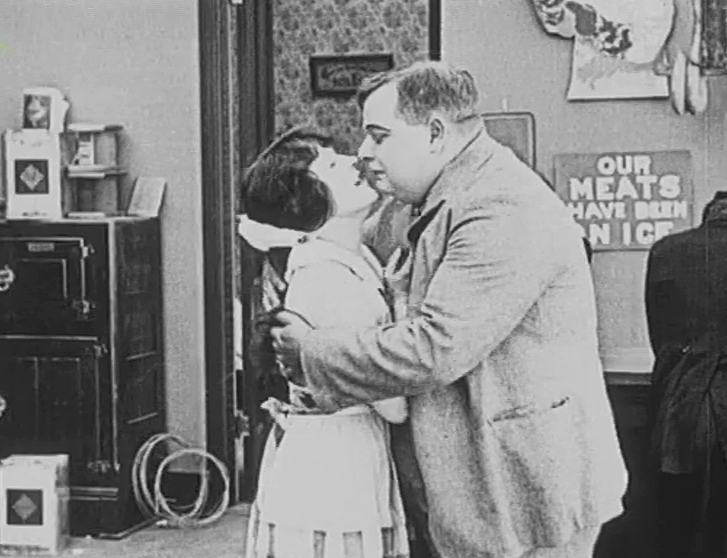
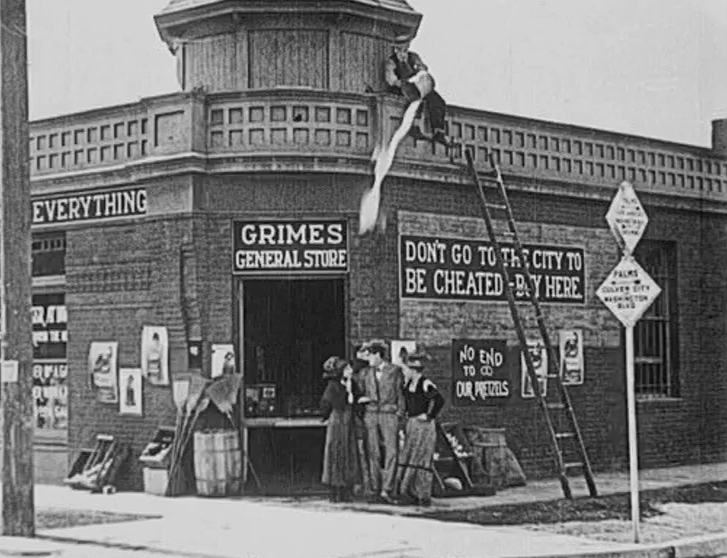
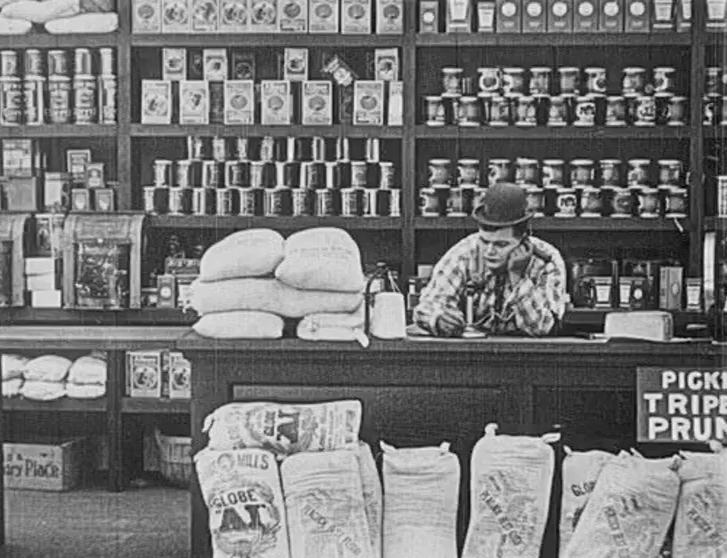
Buster Keaton, already celebrated for his dead‑pan physicality, assumes the role of a store manager whose meticulous inventory counts are interrupted by the arrival of Roscoe ‘Fatty’ Arbuckle, the town’s rotund postman. Arbuckle’s character, though ostensibly tasked with delivering letters, is irresistibly drawn into a whimsical game of hide‑and‑seek with the effervescent Molly Malone (played by the luminous Kitty Bradbury). Their playful cat‑and‑mouse interludes are not mere filler; they serve as a narrative fulcrum, juxtaposing the mundane responsibilities of commerce with the spontaneous joy of youthful flirtation.
The constable, portrayed with a sly, almost predatory gleam by Dan Crimmins, is a study in duplicity. His affection for Molly is transparent, yet his moral compass is compromised the moment he lifts a $300 bill from the register—a sum that, in the context of a 1920s small town, would have been a veritable fortune. Buster, ever the observant custodian, witnesses the theft, setting the stage for a silent‑film cat‑and‑mouse chase that is as much about moral rectitude as it is about slapstick timing.
The screenplay, crafted by Jean C. Havez, is a masterclass in economy of storytelling. Each scene is meticulously constructed to convey exposition without dialogue, relying instead on exaggerated facial expressions, precise pantomime, and the rhythmic cadence of intertitles. The intertitles themselves are sparingly used, allowing the visual comedy to breathe. This restraint mirrors the discipline found in Keaton’s later works, such as The General, where silence becomes a canvas for kinetic storytelling.
Comparatively, The Hayseed shares thematic DNA with Meg o' the Mountains, where the rugged landscape becomes a character in its own right, and with The Prince and the Pauper, which similarly explores mistaken identities and social commentary through comedic lenses. However, The Hayseed distinguishes itself through its intimate focus on a single storefront—a microcosm of community life—rather than sprawling vistas or royal courts.
The performances are a tour de force of silent‑era virtuosity. Keaton’s stoicism is a perfect foil to Arbuckle’s buoyant physicality; where Keaton’s shoulders remain immovable, Arbuckle’s bounce is almost elastic, creating a visual rhythm that feels like a well‑rehearsed dance. Kitty Bradbury’s Molly is more than a love interest; she embodies the agency of a woman who, despite the era’s constraints, initiates the hide‑and‑seek, thereby steering the narrative’s momentum. Jack Coogan Sr., in a brief but memorable cameo as the town’s gossiping barber, injects a sardonic humor that underscores the film’s commentary on small‑town surveillance.
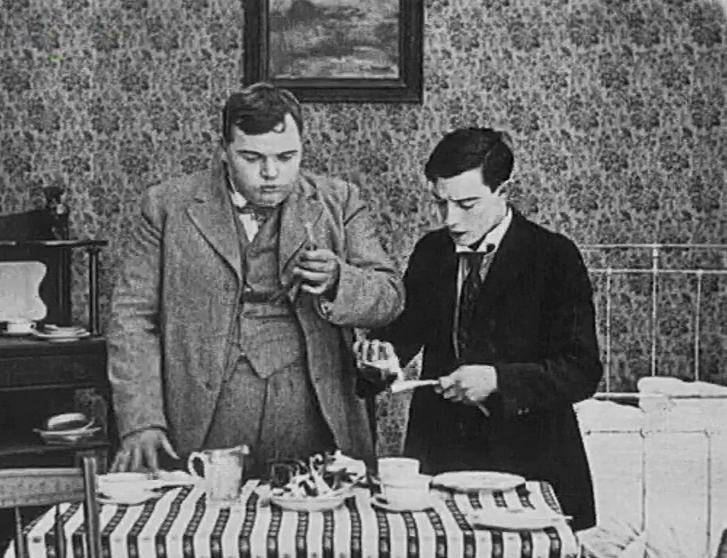
The film’s cinematography, though limited by the technology of its day, employs inventive framing to accentuate the comedic beats. Close‑ups capture the subtle twitch of a eyebrow that signals Keaton’s internal calculation, while wide shots allow Arbuckle’s physical comedy to unfold in full, unimpeded glory. The use of shadows—particularly during the constable’s clandestine theft—creates a visual metaphor for moral ambiguity, a technique later refined by German Expressionists.
Beyond the immediate humor, The Hayseed offers a nuanced exploration of trust and accountability. Buster’s decision to confront the constable, rather than simply report the crime, reflects an early cinematic articulation of personal responsibility. This moral thread resonates with later silent comedies such as The Girl by the Roadside and The Little Terror, where protagonists grapple with ethical dilemmas amidst comedic chaos.
The film’s pacing is deliberately measured, allowing each gag to land with precision. The climactic chase sequence—where Arbuckle, in a moment of frantic improvisation, uses a sack of mail as a makeshift parachute—exemplifies the ingenuity of early slapstick. The audience is invited to revel in the absurdity while simultaneously rooting for justice, a duality that underscores the film’s lasting appeal.
In terms of cultural impact, The Hayseed can be seen as a progenitor of the ensemble comedy format that would later flourish in works like The Busy Inn and The House of Bondage. Its influence ripples through the silent era, informing the narrative structures of Nina, the Flower Girl and even echoing in the more dialogue‑heavy comedies of the early sound period such as Man's Woman and The Eternal Question.
The thematic resonance of The Hayseed extends beyond its immediate plot. The constable’s betrayal, juxtaposed with Buster’s unwavering integrity, mirrors societal anxieties about authority figures during the post‑World War I era. This undercurrent of distrust is subtly echoed in later dramas like Fighting Mad and the morally ambiguous narratives of A Yellow Streak.
The film’s visual palette—though constrained to monochrome—benefits from strategic lighting that highlights the contrast between the warm glow of the store interior and the cool, sea‑blue shadows that creep across the street during the theft. This deliberate use of chiaroscuro not only enhances the comedic timing but also imbues the narrative with a subtle emotional depth, a technique later employed by directors of the film noir movement.
From a modern perspective, The Hayseed remains a study in how silence can amplify storytelling. The absence of spoken dialogue forces the audience to engage with the actors’ physicality, to read the subtext in a raised eyebrow or a lingering glance. This engagement creates a more immersive experience than many contemporary sound films, where dialogue can sometimes mask the potency of visual performance.
The film’s legacy is further cemented by its influence on later comedic titans. Charlie Chaplin’s Tramp, for instance, shares Keaton’s stoic resolve, while Buster’s physical precision can be traced forward to the pratfalls of Harold Lloyd and the deadpan delivery of modern comedians like Rowan Atkinson. Arbuckle’s exuberant energy prefigures the rubber‑legged antics of later slapstick icons such as Jerry Lewis.
In the broader tapestry of early American cinema, The Hayseed occupies a pivotal niche. It bridges the gap between the vaudeville‑inspired shorts of the 1910s and the more sophisticated narrative comedies of the late 1920s. Its deft blending of character‑driven humor, moral inquiry, and technical innovation makes it a touchstone for scholars and enthusiasts alike.
The film’s conclusion—where the constable is unmasked, the stolen money is returned, and Molly’s affection is finally clarified—offers a satisfying resolution that feels both inevitable and earned. The final tableau, with Buster and Arbuckle sharing a silent, conspiratorial grin as they lock the store doors, encapsulates the film’s central thesis: that honesty, camaraderie, and a dash of mischievousness can triumph over corruption.
For contemporary viewers seeking a window into the origins of cinematic comedy, The Hayseed is an indispensable artifact. Its influence reverberates through the corridors of film history, echoing in the narrative beats of The Cup of Life, the character arcs of The Return of Mary, and the thematic explorations of The Hidden Pearls. Even the moral complexities explored in Moral Courage can trace a lineage back to the ethical dilemmas first dramatized in this modest storefront drama.
In sum, The Hayseed is not merely a relic of silent cinema; it is a living, breathing testament to the power of visual storytelling, the timeless allure of comedic timing, and the enduring human fascination with the battle between integrity and avarice. Its rich tapestry of performance, direction, and thematic depth ensures that it will continue to be studied, celebrated, and enjoyed for generations to come.
IMDb —
1914
Community
Log in to comment.