DbcultAccessing Vault...
Cult Review
Senior Film Conservator
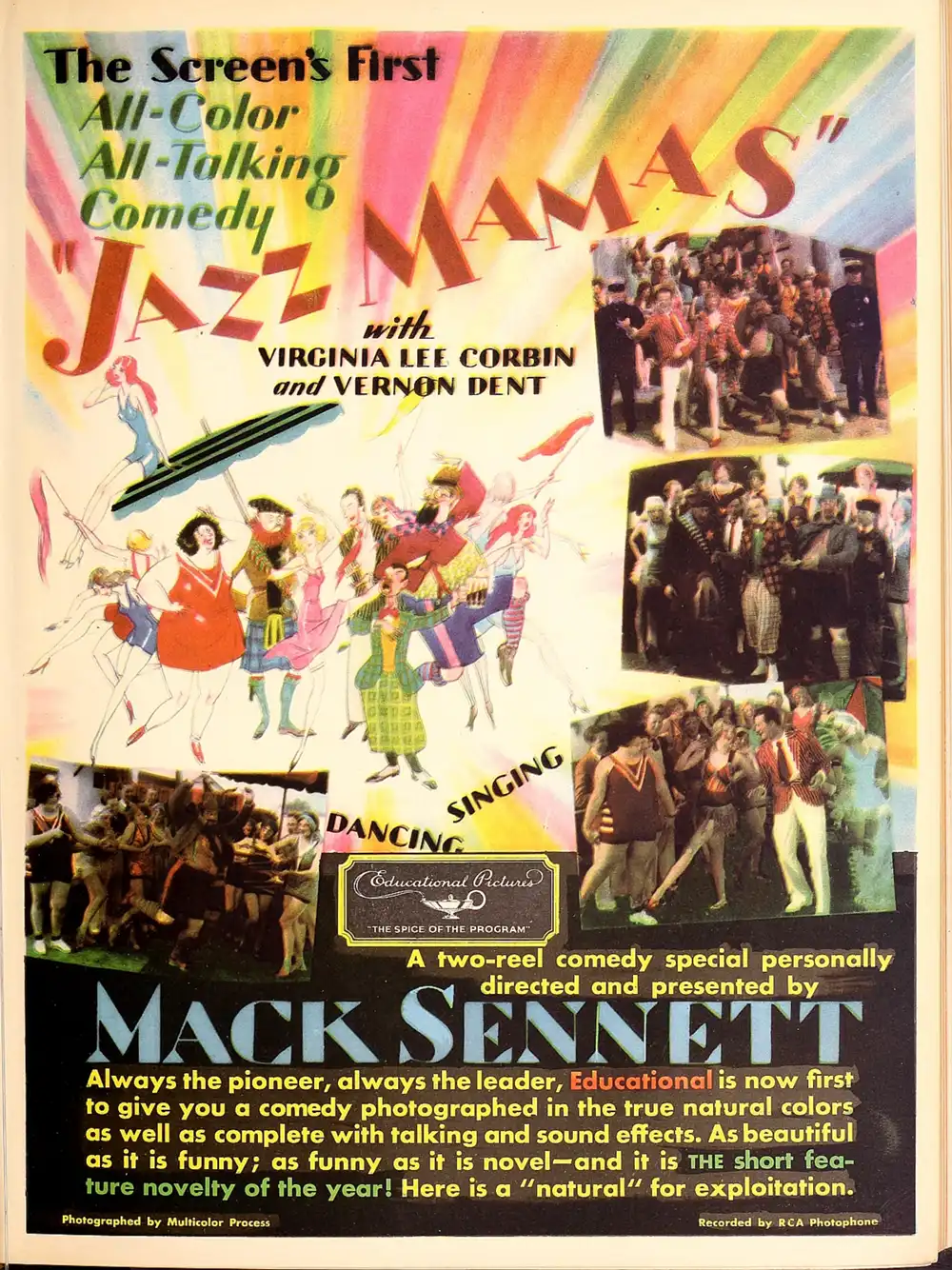
Alright, so if you’re looking for a quiet night with a modern thriller, just turn around. Jazz Mamas, this ain’t it. But if you’re a genuine fan of silent film, or just curious about what folks laughed at in the 1920s, then yeah, this little short is **absolutely worth a watch**. Anyone needing dialogue or a perfectly polished story will probably feel a bit lost, maybe even bored. This one’s for the silent film buffs and history curious, no question. 🕰️
From the get-go, you can tell what kind of ride you’re in for. It’s all about the energy, a sort of boisterous, almost frantic vibe that just *screams* 1920s. The title promises jazz and mamas, and it mostly delivers on that, but in the most slapstick way possible.
The pacing is interesting. Sometimes a gag zips by so fast you almost miss it, then other moments kinda just… linger. Like, the camera stays on someone’s exaggerated reaction for a beat too long, and you start to wonder if they just forgot to yell “cut!” But that’s kinda its charm, really. It gives it a very **unfiltered** feeling.
Billy Gilbert, you know him for the sneezes, right? Well, he’s here, and when that moment finally arrives, it’s still *hilarious*. It’s all in his build-up, the way his face crumbles before the big *achoo!* Even without sound, it just works. It proves some physical comedy is truly timeless. 🤧
There’s this one sequence with Virginia Lee Corbin trying to sneak a bottle past someone, maybe a chaperone, and her eye movements are just fantastic. So quick, so shifty. You can practically *see* the gears turning in her head, the whole mischievous plan. It really pulls you in, makes you root for her silly little rebellion.
And Patsy O'Leary, she has this great way of looking absolutely aghast at whatever chaos is unfolding around her. Her wide-eyed expressions are just spot on. It’s the kind of over-the-top acting that silent film really thrived on, and she really nails it. She’s often the straight man in a room full of goofballs.
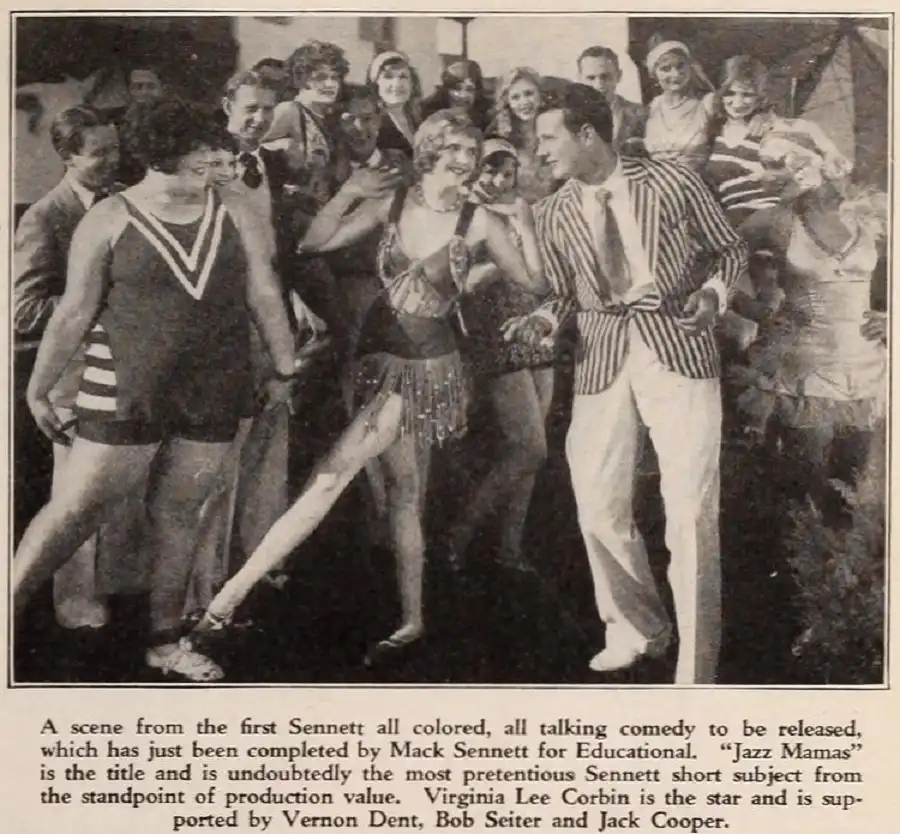
The sets, they’re pretty basic, as you’d expect for a film of this vintage. There’s a backdrop meant to be a bustling city street, but it’s clearly just a painted canvas. Yet, there’s an honesty to it. It doesn’t try to be something it’s not. It just is. And it kinda works, adding to that feeling of a very specific, slightly artificial world.
You’ll notice the movie doesn’t really waste time with deep character development or complex plot twists. It’s a series of situations, one after another. Someone tries something, someone else gets in the way, and a whole lot of physical comedy breaks out. It’s very much about the moment-to-moment gags.
One small moment that stuck with me: a shot of a jazz band playing, and even though it’s silent, the way the musicians sway and move, you can almost *feel* the rhythm. The film really captures that spirit, that unspoken energy of the era. It’s quite neat to observe. 🎶
The whole thing feels like a fast, breezy trip. It doesn’t overstay its welcome, which is a big plus for a lot of silent comedies. You get a good dose of laughs, a little glimpse into the past, and then it wraps up, often in a way that’s a bit abrupt. But that’s just how they often did it back then. Not everything needed a neat bow.
If you've ever seen a bit of Dreams of the Rarebit Fiend: Bug Vaudeville, you get that same kind of visual inventiveness, but with less surrealism and more direct, human-scale mischief. It’s a snapshot, really, of comedy before sound changed everything.
It's not a film that's going to change your life, or even redefine cinema. But it is a **charming distraction**, a fun little piece of history that still manages to get a chuckle out of you. For the right audience, it’s a pleasant little jaunt. For everyone else, maybe try Black Friday instead, for something a *little* more modern. 😉
IMDb 6.9
1930
Community
Log in to comment.