DbcultAccessing Vault...
7.2/10
Senior Film Conservator
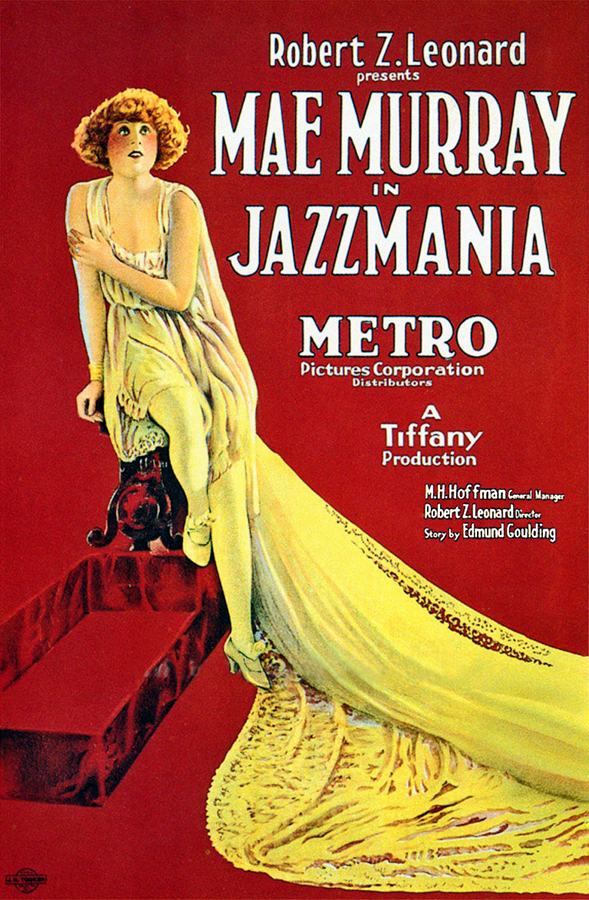
A definitive 7.2/10 rating for a film that redefined the boundaries of cult cinema. Jazzmania remains a cornerstone of transgressive art.
Jazzmania (1929), a cinematic gem of the silent era, marries the grandeur of royal intrigue with the pulsating energy of jazz, offering a narrative that is as much about political upheaval as it is about personal liberation. Directed by Edmund Goulding and co-written with Alfred A. Cohn, the film unfolds as a kaleidoscopic exploration of power, identity, and cultural evolution, anchored by the magnetic performance of Mae Murray as Queen Ninon.
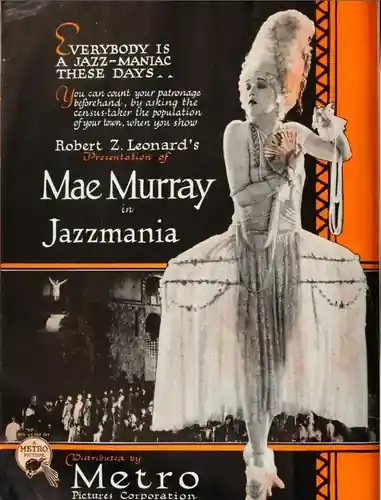
The film’s opening sequences immerse viewers in the opulent yet stifling world of Jazzmania, a fictional Balkan realm where Queen Ninon’s refusal to comply with the marriage demands of Prince Otto sets off a chain reaction of rebellion. Otto’s revolt, steeped in both romantic and political entitlement, is rendered with a tragicomic edge, highlighting the absurdity of autocratic entitlement. This tension is amplified by Carl Harbaugh’s portrayal of Otto, whose petulance oscillates between regal hauteur and petulant immaturity, a contrast that underscores the fragility of his claim to power.
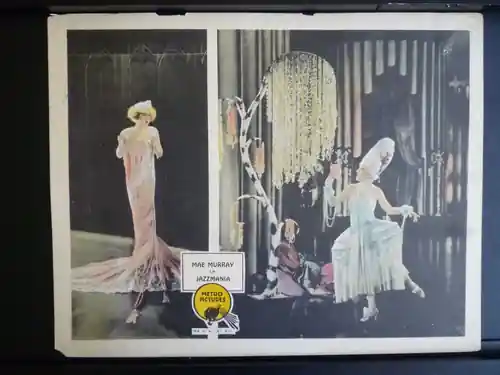
Enter Sonny Daimler, the American journalist played by Robert Frazer, whose pragmatic counsel for Ninon to abdicate and flee the country serves as both a narrative catalyst and a thematic pivot. Sonny’s character embodies the American ethos of individualism and opportunity, yet his role is fraught with moral ambiguity. Is he a liberator or a manipulator? This ambiguity is skillfully resolved as Ninon’s journey progresses, particularly in her encounter with Jerry Langdon (Jean Hersholt) in Monte Carlo. Jerry, a figure of warmth and integrity, becomes the emotional anchor in Ninon’s odyssey, his presence a counterbalance to the chaos of her royal duties.
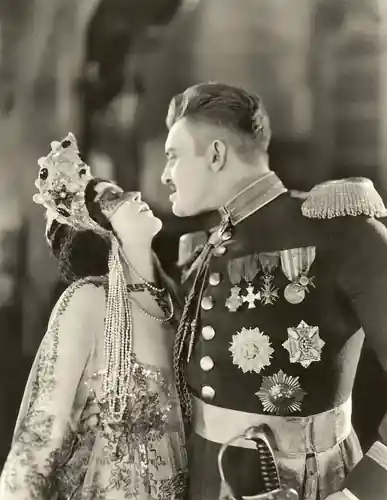
The film’s transition to Monte Carlo and subsequently to the United States marks a shift in tone and setting. The vibrant jazz culture of the 1920s is not merely a backdrop but a thematic force, symbolizing the allure of modernity and the possibility of reinvention. Goulding and Cohn’s script deftly integrates jazz motifs into the narrative arc: Ninon’s immersion in jazz music mirrors her internal liberation, a metaphorical shedding of royal constraints. The cinematography, with its sweeping shots of jazz clubs and the glittering Côte d’Azur, contrasts the rigid formality of Jazzmania’s court with the exuberant chaos of a new world.
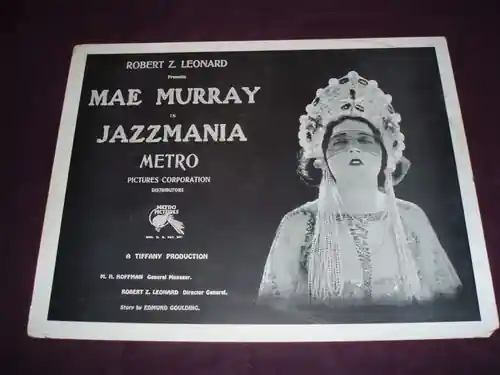
Mae Murray’s performance as Ninon is a masterclass in understated power. Her portrayal captures the duality of a monarch—both regal and vulnerable—while her physicality in dance sequences, choreographed to evoke the fluidity of jazz, further cements her transformation. Murray’s expressive eyes and poised gestures convey a silent language of defiance and yearning, a testament to her ability to communicate complex emotions without dialogue. Her chemistry with Hersholt is palpable, their on-screen romance unfolding with a naturalism that feels both tender and urgent.
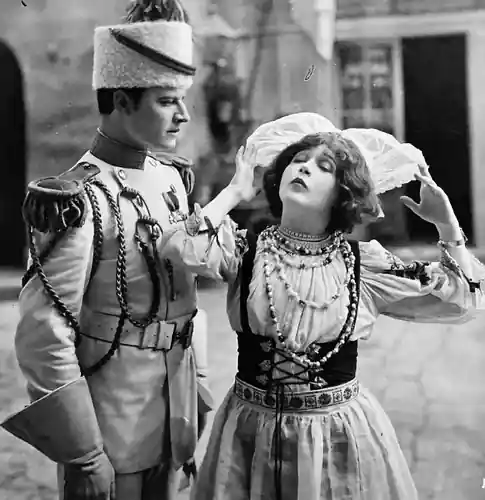
The film’s political subtext is as compelling as its personal drama. Ninon’s return to Jazzmania to quell the revolution and establish a republic is a narrative triumph, positioning her as a figure of progressive leadership. Unlike the passive heroines of earlier silent films, Ninon is a proactive agent of change, her decisions driven by a blend of pragmatism and idealism. The revolution’s resolution is handled with nuance; it is neither a bloodless coup nor a chaotic uprising but a strategic reconfiguration of power that reflects Ninon’s growth from monarch to stateswoman. This arc resonates with themes explored in A Daughter of France, though Jazzmania’s focus on cultural transformation sets it apart.
Visually, Jazzmania is a feast for the senses. The production design, with its lavish sets and period-accurate costumes, transports viewers to an era of excess and elegance. The use of color—particularly in the contrast between the monochromatic austerity of the Balkan palace and the vibrant hues of Monte Carlo—visually reinforces the film’s thematic dichotomies. The jazz sequences, though constrained by the silent format, are animated with a dynamism that compensates for the lack of sound, relying on rhythmic editing and expressive intertitles to convey the music’s spirit.
Supporting performances further enrich the narrative. Henry A. Barrows as Ninon’s loyal advisor and Lionel Belmore as a sardonic court figure add layers of gravitas and levity, respectively. Their interactions with Ninon provide moments of introspection and humor, balancing the film’s heavier political themes. The ensemble cast, though at times overshadowed by the lead actors, contributes to a cohesive and immersive world.
Criticisms of the film may focus on its pacing, particularly in the transition from Ninon’s romantic entanglements to her political awakening. The latter half, while thematically rich, occasionally feels rushed, as if the urgency of revolution demands a faster tempo. Additionally, the character of Prince Otto, while intentionally two-dimensional, could have benefited from deeper exploration to enhance the narrative’s emotional stakes. However, these minor quibbles are overshadowed by the film’s overall coherence and ambition.
In the pantheon of 1920s cinema, Jazzmania holds a distinctive place. It is a film that dares to intertwine the personal and political, using the metaphor of jazz to articulate a broader cultural shift. Its legacy is perhaps best compared to Danse macabre, though Jazzmania’s tone is more hopeful and its resolution more pragmatic. The film’s exploration of sovereignty and reinvention remains relevant, offering a timeless commentary on the interplay between individual agency and societal change.
Ultimately, Jazzmania is a testament to the power of cinema to transcend its era. Through its intricate narrative, vibrant visuals, and compelling performances, it invites viewers to reflect on the costs and rewards of revolution—both personal and political. As Queen Ninon strides into her new republic, she embodies the enduring spirit of adaptation, a reminder that growth often demands the courage to dance to an unfamiliar rhythm.
IMDb 4.6
1924
Community
Log in to comment.