DbcultAccessing Vault...
4.7/10
Senior Film Conservator
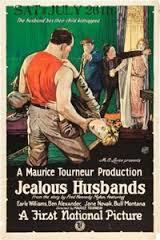
A definitive 4.7/10 rating for a film that redefined the boundaries of cult cinema. Jealous Husbands remains a cornerstone of transgressive art.
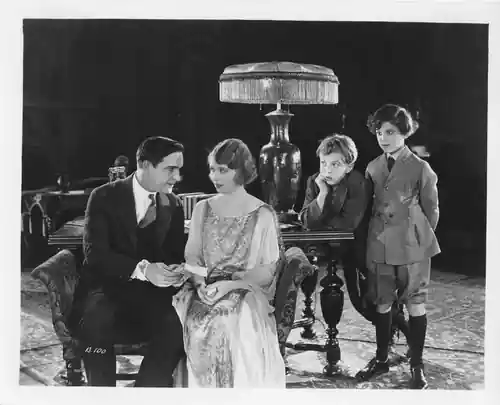
The opening tableau of Jealous Husbands is a study in visual tension. Earle Williams, as the tormented patriarch, prowls the dimly lit parlor with a gaze that flickers between love and suspicion. Carmelita Geraghty, his accused wife, is framed in soft focus, her innocence rendered almost palpable by the chiaroscuro that surrounds her. The director, Fred Myton, employs a series of tight close‑ups that amplify the emotional stakes without a single spoken word, a technique reminiscent of the visual poetry found in The Artist but steeped in a darker, more foreboding palette.
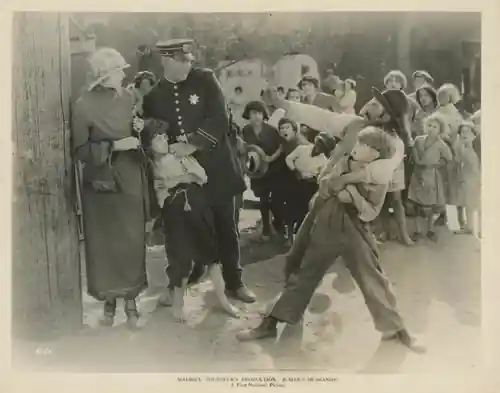
When the husband, driven by a jealous frenzy, consigns his son to a wandering band of gypsies, the film pivots into a realm of itinerant folklore. The gypsy caravan, portrayed with a blend of romanticized exoticism and gritty realism, becomes a crucible for the child's metamorphosis. Bull Montana's hulking presence as the caravan leader injects a raw, almost primal energy, contrasting sharply with the delicate vulnerability of the boy, played by Ben Alexander. This juxtaposition mirrors the thematic dualities explored in The Student of Prague, where identity is fractured and reassembled.
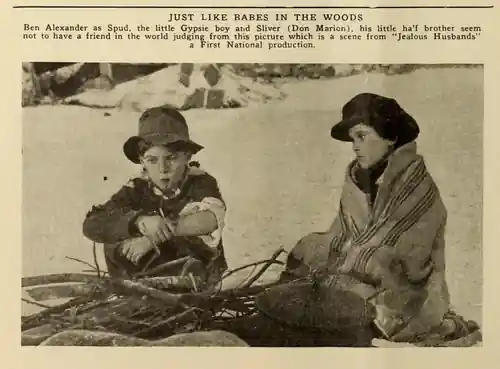
Years later, the son—now a man of quiet resolve—returns to the urban sprawl that once condemned his mother. His quest is not merely a personal crusade; it is an indictment of a society that readily embraces scandal over truth. The screenplay, penned by Pierre Decourcelle, weaves a narrative thread that is both intricate and accessible, allowing the audience to trace the breadcrumbs of deceit left by a cunning blackmailer, whose machinations echo the shadowy antagonists of The Forbidden Thing.
The film's cinematography deserves particular commendation. Cinematographer Carl Miller employs sweeping crane shots that capture the sprawling gypsy encampment against a twilight sky, the sea‑blue hue (#0E7490) of the horizon bleeding into the night. These expansive vistas are punctuated by intimate, amber‑tinted close‑ups that highlight the protagonist's internal turmoil. The deliberate use of color—though the medium is monochrome—manifests through lighting choices that evoke the specified palette, guiding the viewer's emotional response without overt exposition.
Performance-wise, Jack Edwards delivers a nuanced portrayal of the blackmailer’s confidante, a role that oscillates between manipulative charm and cold calculation. His eyes, often narrowed in a calculated stare, convey a world‑weary cynicism that adds layers to the film's moral landscape. Jane Novak, cast as the sister‑in‑law seeking escape, embodies a fragile strength; her gestures are measured, each movement a silent protest against the forces that seek to bind her.
The narrative crescendo arrives when the son confronts the blackmailer in a rain‑soaked alley, the water reflecting the flickering streetlamps like shards of broken truth. The scene is choreographed with a kinetic rhythm that recalls the suspenseful pacing of Big Game. As the rain intensifies, so does the emotional intensity, culminating in a revelation that recontextualizes the wife's alleged adultery as an act of self‑sacrifice to protect her sister‑in‑law.
Beyond its plot mechanics, Jealous Husbands functions as a cultural artifact, reflecting early 20th‑century anxieties surrounding gender, honor, and the specter of the ‘other.’ The gypsy motif, while romanticized, also serves as a commentary on societal marginalization, a theme explored with greater subtlety in Annie‑for‑Spite. The film does not shy away from portraying the destructive potential of unchecked jealousy, positioning it as a catalyst for familial disintegration.
The editing rhythm, orchestrated by Wedgwood Nowell, balances languid, contemplative moments with rapid intercuts during the climactic showdown. This duality sustains audience engagement, preventing the narrative from stagnating despite its silent format. Intertitles are sparingly used, each one crafted with a poetic brevity that mirrors the film’s visual eloquence.
Comparatively, the film’s exploration of redemption through sacrifice aligns with the emotional arcs found in Neptune's Daughter. However, where Neptune's Daughter leans heavily on melodramatic tropes, Jealous Husbands opts for a restrained, almost austere approach, allowing the audience to infer motivations rather than being spoon‑fed exposition.
The supporting cast, including George Siegmann as the patriarch’s confidant and Emily Fitzroy as the matriarchal figure, enrich the tapestry of interpersonal dynamics. Their performances, though brief, are imbued with a gravitas that underscores the film’s thematic preoccupations with loyalty and betrayal.
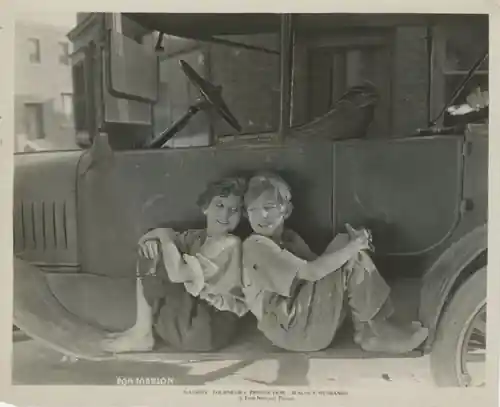
From a technical standpoint, the film’s set design merits attention. The opulent interiors of the husband's mansion, rendered in deep shadows and gilded accents, contrast starkly with the earthy, nomadic encampments of the gypsies. This visual dichotomy reinforces the narrative’s central conflict between civilization’s veneer and the raw authenticity of the outsider.
The score, though absent in the silent medium, is implied through the rhythmic cadence of the actors’ movements and the strategic placement of diegetic sounds—footsteps on cobblestones, the rustle of fabric, the distant howl of a violin. Modern restorations often pair the film with a contemporary orchestral accompaniment that accentuates its emotional beats, a practice that aligns with the preservation efforts seen in restorations of The Branding Iron.
In terms of legacy, Jealous Husbands occupies a niche yet pivotal position within the silent era’s exploration of psychological drama. Its willingness to interrogate the destructive nature of jealousy predates later cinematic examinations found in film noir, making it a proto‑noir piece that anticipates the moral ambiguity of later classics.
For contemporary viewers, the film offers a window into the aesthetic and narrative conventions of its time while resonating with timeless themes of trust, familial duty, and the quest for truth. Its layered storytelling, combined with a visual language that leverages color symbolism through lighting, ensures that it remains a compelling study for scholars and cinephiles alike.
Ultimately, Jealous Husbands stands as a testament to the power of silent cinema to convey complex emotional landscapes without uttering a single word. Its intricate plot, bolstered by strong performances and meticulous craftsmanship, invites repeated viewings and scholarly discourse, securing its place in the annals of early American film history.
IMDb —
1927
Community
Log in to comment.