DbcultAccessing Vault...
6.1/10
Senior Film Conservator
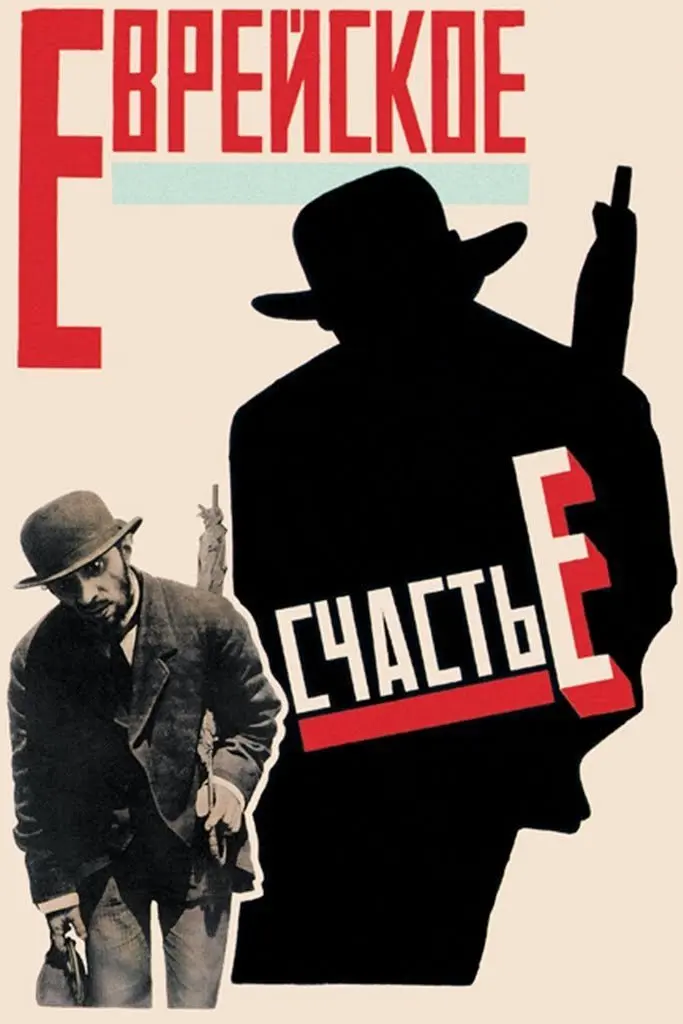
A definitive 6.1/10 rating for a film that redefined the boundaries of cult cinema. Jewish Luck remains a cornerstone of transgressive art.
Embarking on an odyssey of unyielding determination, Menakhem Mendl, a protagonist of unshakeable optimism, populates the screen with his effervescent presence in this adaptation of Sholem Aleichem's celebrated narrative. As a daydreaming entrepreneur, Mendl's existence is a testament to the indomitable human spirit, recurrently courting fortune with a medley of harebrained schemes.
The film's setting, Tsarist Russia, serves as more than a mere backdrop; it is an active participant in the narrative, imbuing the story with a sense of historical gravitas and cultural specificity. The oppressive regime under which Mendl and his community suffer provides a poignant counterpoint to his irrepressible aspirations, underscoring the resilience inherent to the human condition.
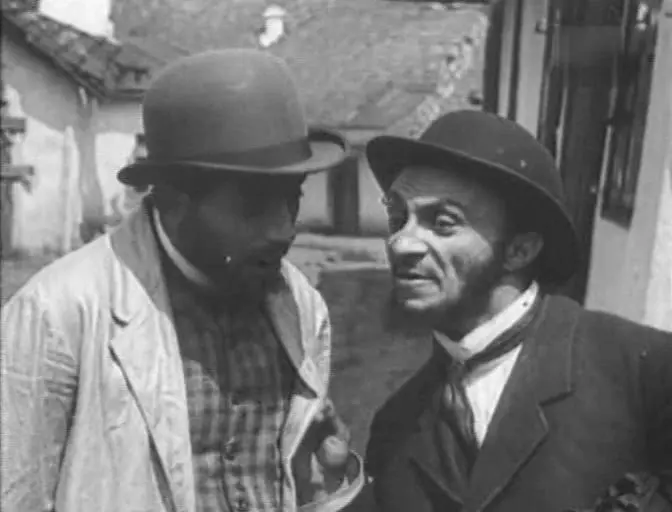
Through Mendl's journey, the film delineates a compelling character arc, one that traverses the spectrum from schlemiel to hero. This transformation, deftly portrayed by Tevye Khazak, is not merely a narrative device but a nuanced exploration of identity, community, and the search for meaning in a seemingly indifferent world.
Mendl's relationships with other characters, including those played by Tamara Adelgeym and Solomon Mikhoels, add depth and complexity to the narrative, illustrating the interconnectedness of individual experiences within a larger communal context.

Jewish Luck masterfully interweaves a multitude of themes, each contributing to the film's richness and replay value. The tension between tradition and innovation, the struggle for economic survival, and the quest for dignity in the face of adversity are all thoughtfully explored, their resonance amplified by the film's historical setting.
Notably, the film's portrayal of Jewish life in early 20th-century Russia offers a unique perspective on a period marked by turmoil and transformation. By drawing upon the works of Sholom Aleichem, Boris Leonidov, Isaak Babel, and Isaak Teneromo, the screenplay achieves a remarkable balance between authenticity and artistic expression.
Positioned within the broader cinematic landscape of its era, Jewish Luck invites comparison with films that similarly explore themes of identity, resilience, and the human condition. For instance, Just a Good Guy shares a similar concern with the protagonist's journey, albeit within a different cultural context.
Similarly, King Solomon's Mines and The Flash of an Emerald offer adventurous narratives that, while differing in tone and setting, also engage with themes of exploration and discovery. These comparisons not only highlight the diversity of cinematic storytelling but also underscore the universal appeal of Jewish Luck's core themes.
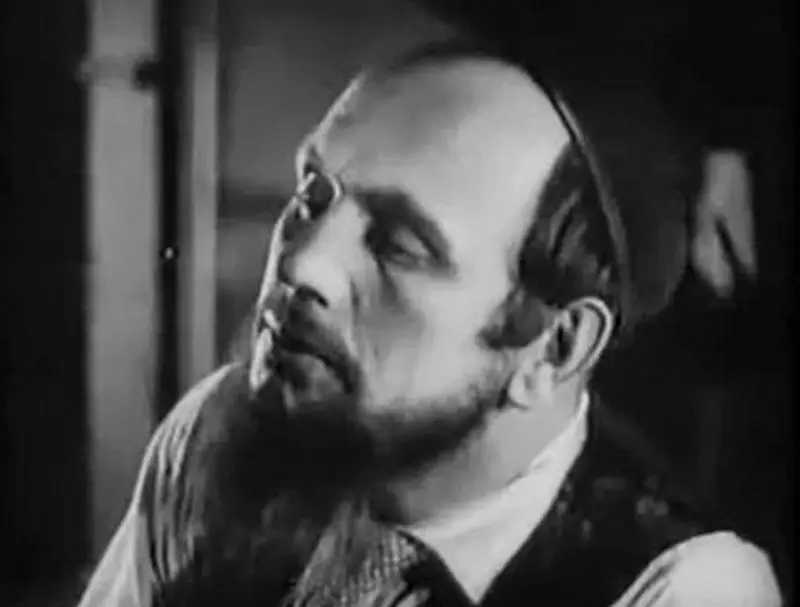
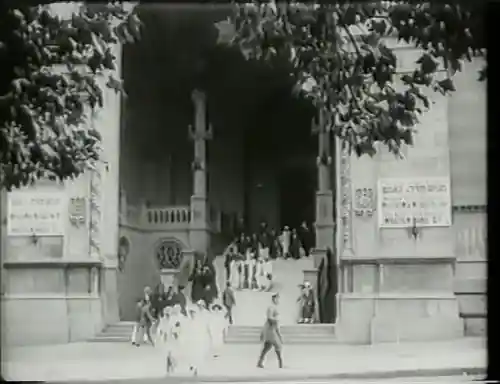
The film's technical aspects, including cinematography and production design, contribute significantly to its narrative impact. The visual portrayal of Tsarist Russia, with its rich textures and evocative lighting, immerses the viewer in the world of the film, enhancing the emotional resonance of Mendl's story.
The performances of the cast, particularly Tevye Khazak and Solomon Mikhoels, are noteworthy for their depth and nuance, bringing a level of authenticity to the film that is essential to its lasting impact.

In conclusion, Jewish Luck stands as a testament to the power of cinematic storytelling to illuminate the human experience. Through its engaging narrative, memorable characters, and technical achievements, the film offers a richly rewarding viewing experience that lingers in the mind long after the credits roll.
For those interested in exploring more films that share similar themes or offer insightful looks into historical contexts, You Find It Everywhere, Babs, and Fares and Fair Ones are recommended.
IMDb —
1933
Community
Log in to comment.