DbcultAccessing Vault...
Cult Review
Senior Film Conservator
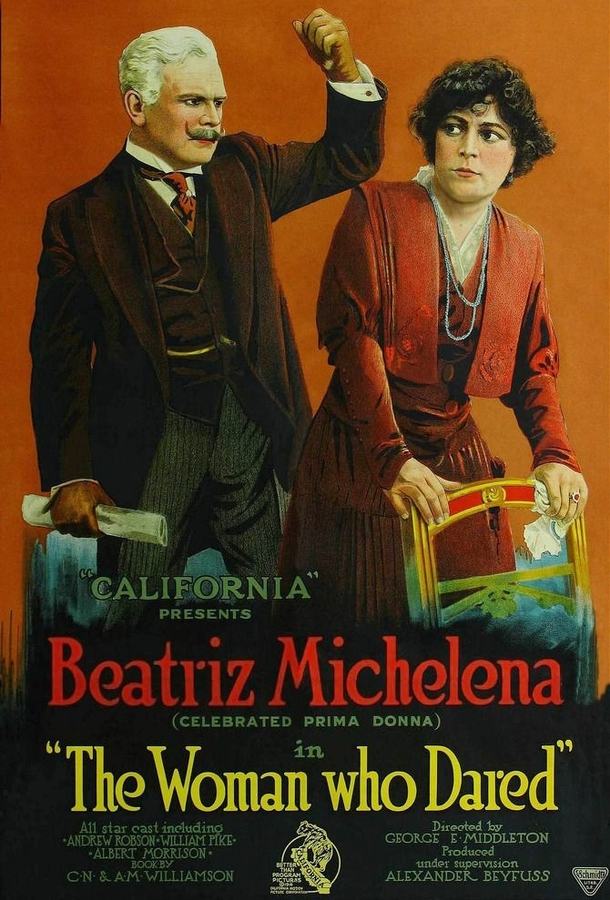
Stepping back into the cinematic landscape of 1916, one encounters The Woman Who Dared, a silent film that, even a century later, retains a surprising resonance. Far from being a mere historical curiosity, this picture, featuring the formidable Beatriz Michelena, orchestrates a compelling ballet of geopolitical intrigue, romantic entanglements, and personal courage. It's a testament to the era's storytelling prowess, demonstrating how complex narratives could be conveyed with an eloquence born of visual artistry and evocative performance, long before the advent of synchronized sound.
At its core, the film is a vibrant tapestry woven from threads of national loyalty, illicit pacts, and the perilous dance of the heart. Princess Beatrix of France, portrayed with captivating grace and a simmering inner strength by Michelena, is not merely a damsel in distress but a pivotal player in a high-stakes international drama. Her world, initially confined to the operatic stages of Rome, soon expands to encompass the shadowy corridors of diplomacy and espionage. This expansion is catalyzed by a trio of suitors, each representing a different facet of the European power struggle and personal desire. There's the earnest American, Noel Brent, whose straightforward devotion stands in stark contrast to the Machiavellian machinations surrounding him. Then, the Duke de Grozzi, an Italian foreign office official, embodies the conniving political operator, driven by ambition and a thirst for power. Finally, the unnamed Count, a figure shrouded in a deceptive charm, becomes the unwitting conduit for a secret treaty between Italy and Russia, a pact designed to destabilize France.
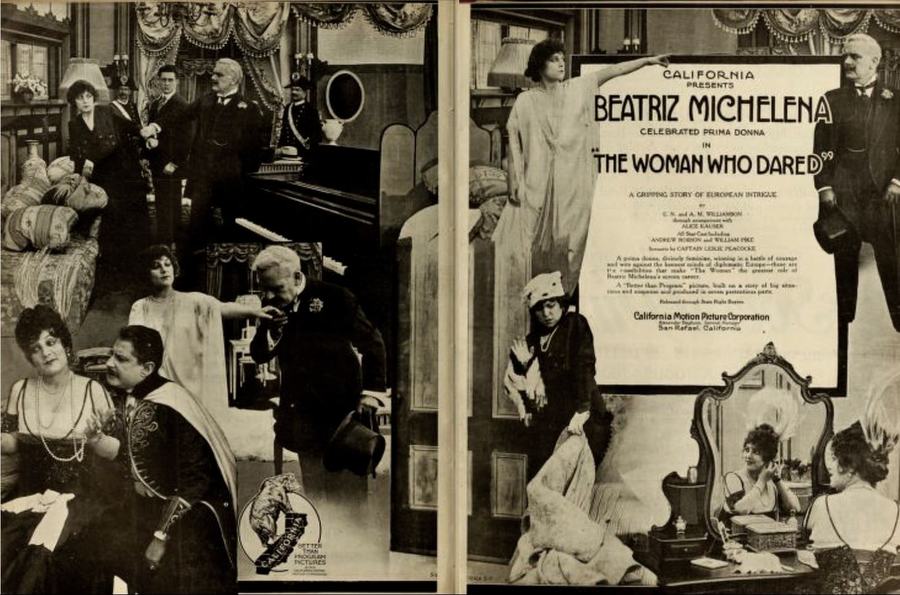
The genius of the screenplay, penned by Leslie T. Peacocke and A.M. Williamson, lies in its ability to intertwine these personal and political threads so seamlessly. Beatrix's initial affection for the Count, a choice that sparks the ire of the Duke and the quiet despair of Noel, isn't just a romantic misstep; it's the very fulcrum upon which the entire geopolitical plot turns. Her engagement to the Count positions her perfectly – or perhaps tragically – to become an instrument in the larger game. This narrative device elevates the stakes considerably, making Beatrix's emotional journey inextricably linked to the fate of nations. It's a subtle yet powerful commentary on how individual choices, particularly those made by women in positions of influence, can ripple through the corridors of power, a theme explored with different nuances in films like Moths, where societal pressures on women in romance also drive significant plot points, or the more direct political machinations potentially seen in The Game of Three.
When the French ambassador, a figure of urgent gravitas, reveals the existence of the clandestine treaty and its detrimental implications for France, Beatrix is confronted with a profound moral dilemma. Her patriotism is invoked, challenging her to transcend her role as a romantic lead and embrace a more dangerous, active part. The scene where she is compelled to steal the treaty from her own fiancé's safe is a masterclass in silent tension. Michelena conveys the internal conflict – the betrayal of trust versus the call of duty – with remarkable clarity, her expressions and gestures speaking volumes where words are absent. This moment of daring, which gives the film its evocative title, firmly establishes Beatrix not as a passive object of male desire or political maneuvering, but as an agent of her own destiny, albeit one operating under immense pressure.
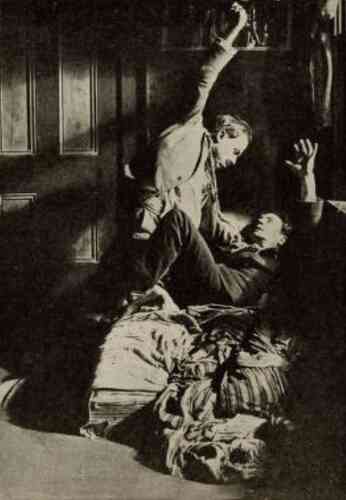
The subsequent sequence, involving the messenger's perilous journey to Paris and the ambush by the Duke's agents, injects a thrilling dose of action and suspense. It's here that Noel Brent re-enters the narrative, not as a heartbroken lover wallowing in self-pity, but as a proactive hero. His timely intervention, retrieving the vital document, underscores his unwavering loyalty and resourcefulness. The realization that Beatrix's reputation hangs precariously in the balance, threatened by the treaty's absence, propels him into a desperate race against time. This narrative turn is particularly astute, linking the abstract concept of national security with the very tangible concern of a woman's honor, a common and effective trope in early cinema, perhaps echoed in the dramatic predicaments of characters in Chains of the Past or What Happened at 22, where personal reputations are often at stake.
The climax, set in the Duke's office, where Beatrix is lured into a compromising position, is fraught with a palpable sense of danger. The Duke's villainy reaches its zenith, attempting to exploit Beatrix's vulnerability. Noel's dramatic arrival, saving Beatrix from this nefarious scheme and discreetly restoring the treaty to its rightful place, provides a cathartic release. The resolution is satisfying, not just because the national crisis is averted and Beatrix's honor is preserved, but because she, having dared greatly, is liberated from a misguided engagement and finds her true partner in the steadfast Noel. This narrative arc, where a woman navigates a treacherous world to emerge victorious and find true love, is a powerful fantasy, particularly for audiences of the time. It speaks to a yearning for justice, both personal and international, and the triumph of integrity over deceit.
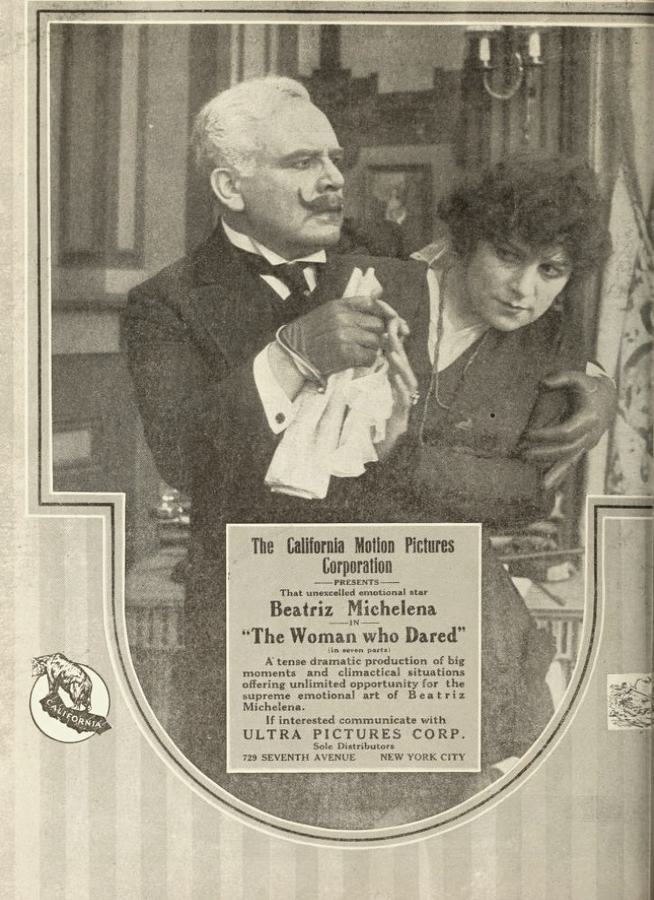
Beatriz Michelena's performance is undoubtedly the pulsating heart of The Woman Who Dared. Her ability to convey a vast spectrum of emotions—from romantic tenderness to patriotic resolve, from fear to defiance—without uttering a single word is simply mesmerising. Silent film acting demanded a unique blend of exaggerated gesture and subtle facial expression, and Michelena masters this art, drawing the audience deep into Beatrix's internal world. She carries the film with an undeniable star power, making Beatrix a character who is both vulnerable and fiercely independent. Her presence alone would make the film noteworthy, but it’s her embodiment of a woman navigating such complex moral and political landscapes that truly elevates the production. One can draw parallels to other strong female leads of the era, though Beatrix’s specific blend of royal status and spy thriller involvement gives her a unique edge, differentiating her from more domestic or melodramatic portrayals.
The direction, while not overtly flashy, is effective in building suspense and conveying the intricate plot. The reliance on visual storytelling means every frame, every intertitle, must be carefully crafted to advance the narrative and deepen character understanding. The pacing is deliberate, allowing the audience to absorb the unfolding drama, yet it quickens appropriately during moments of heightened tension. The film’s aesthetic, typical of its period, might appear quaint to modern eyes, but within its own context, it represents a sophisticated approach to cinematic narrative. The use of close-ups to capture Michelena's nuanced expressions, for instance, is a technique that was still evolving but already demonstrating its power to connect audiences with characters on an intimate level.
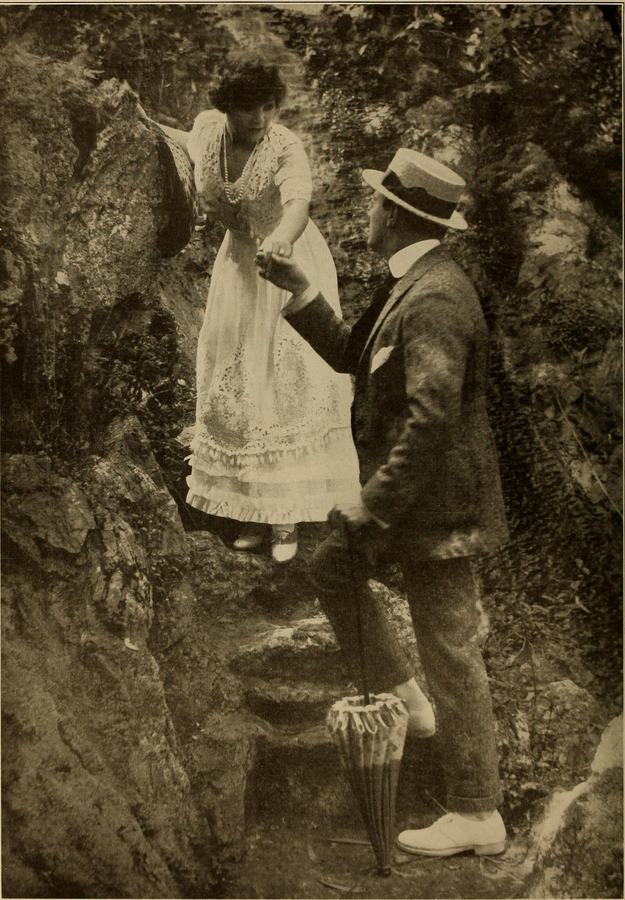
From a thematic standpoint, The Woman Who Dared offers rich ground for analysis. The tension between personal affection and national duty is a timeless human dilemma, here amplified by the international stakes. Beatrix’s journey is one of self-discovery, moving beyond the superficiality of a politically advantageous engagement to embrace a love founded on mutual respect and shared values. The film also subtly touches upon the role of women in a world dominated by male power structures. Beatrix, despite her royal status, is initially a pawn in a game she doesn't fully comprehend. Yet, through her courage and intelligence, she becomes an active player, ultimately influencing the outcome in a way no man could. This portrayal of female agency, even within the confines of a romance-thriller genre, is quite progressive for its time, echoing the growing suffragette movement and the broader re-evaluation of women's societal roles.
The historical context of 1916 cannot be overlooked. Europe was embroiled in the Great War, and films often reflected the anxieties, nationalistic sentiments, and shifting alliances of the period. A secret treaty between Italy and Russia to the detriment of France would have resonated deeply with contemporary audiences, who were acutely aware of the complex web of treaties and allegiances that had led to the conflict. The film, therefore, functions not just as entertainment but as a commentary, however fictionalized, on the precarious state of international relations. The idea of a "daring woman" safeguarding national interests could have served as both escapism and a subtle call to patriotism for audiences grappling with the realities of war.
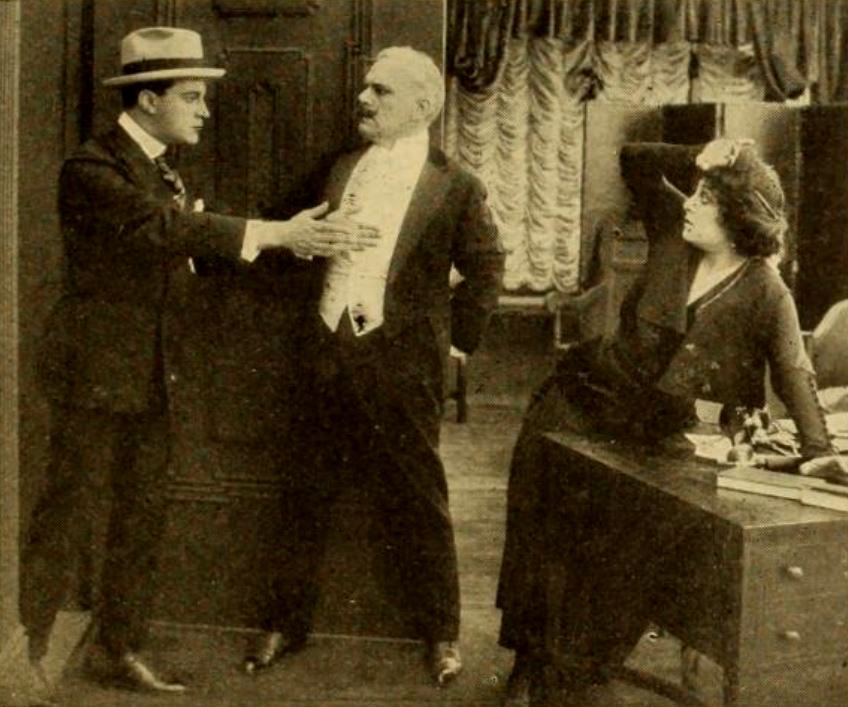
While the film's silent nature might pose a barrier for some modern viewers accustomed to dialogue-driven narratives, those willing to engage with its particular language will find a rewarding experience. The absence of spoken words forces a greater reliance on visual cues, musical accompaniment (often live or recorded for screenings), and the audience's own imagination to fill in the gaps. This immersive quality can be incredibly powerful, creating a more personal connection with the story. The narrative structure, with its clear heroes, villains, and a compelling moral center, ensures that the plot remains accessible despite the lack of auditory dialogue. In many ways, it shares the directness and dramatic impact often found in other action-oriented silent films, such as perhaps Der gestreifte Domino or The Dark Silence, if they too leaned into suspense and clear-cut stakes.
In conclusion, The Woman Who Dared stands as a compelling artifact from the golden age of silent cinema. It’s a film that masterfully blends espionage, romance, and patriotic duty into a cohesive and thrilling narrative. Beatriz Michelena's central performance is a tour de force, embodying a character who is both a product of her time and ahead of it. The film’s ability to sustain tension and convey complex emotions without dialogue is a testament to the artistry of early filmmakers. It reminds us that courage, whether on a grand geopolitical stage or in the quiet chambers of the heart, is a timeless virtue. For those interested in the evolution of storytelling, the power of visual performance, or simply a captivating tale of a princess who dared to defy expectations, this silent classic offers a rich and rewarding viewing experience, firmly establishing its place not just in cinematic history, but in the annals of compelling human drama. Its enduring appeal lies in its potent mix of high-stakes intrigue and heartfelt romance, a combination that transcends the limitations of its medium and continues to captivate audiences who appreciate the profound artistry of the silent era.
IMDb 5.9
1929
Community
Log in to comment.