DbcultAccessing Vault...
5.8/10
Senior Film Conservator
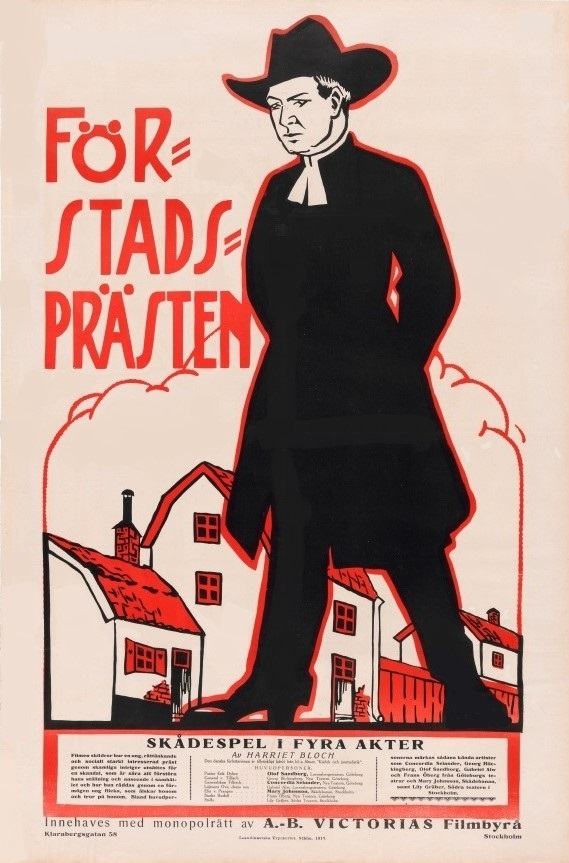
A definitive 5.8/10 rating for a film that redefined the boundaries of cult cinema. The Suburban Vicar remains a cornerstone of transgressive art.
The silent era of the 1910s served as a crucible for the modern melodrama, and The Suburban Vicar (1917) stands as a poignant, albeit under-discussed, monument to this transformative period. Scripted by the prolific Harriet Bloch, a woman whose pen dictated the emotional landscape of early Nordic and European cinema, the film navigates the treacherous waters of filial piety and romantic obsession with a surgical precision that belies its age. Unlike the more flamboyant spectacles of the time, this work finds its power in the domestic sphere—a realm where a raised eyebrow or a cold shoulder carries the weight of a death sentence.
At the heart of the narrative is Erik, portrayed with a hauntingly restrained intensity by Georg Blickingberg. Erik is not merely a priest; he is a symbol of the transition from the old world of martial dominance to a new world of spiritual introspection. His father, General Von Tillisch, played by the formidable Olof Sandborg, represents the dying gasps of the 19th-century patriarchy. The General does not see a son; he sees a strategic asset in the family's social lineage. When Erik falls for Elin (Mary Johnson), the conflict isn't just about love—it's about the fundamental collapse of the General’s worldview.
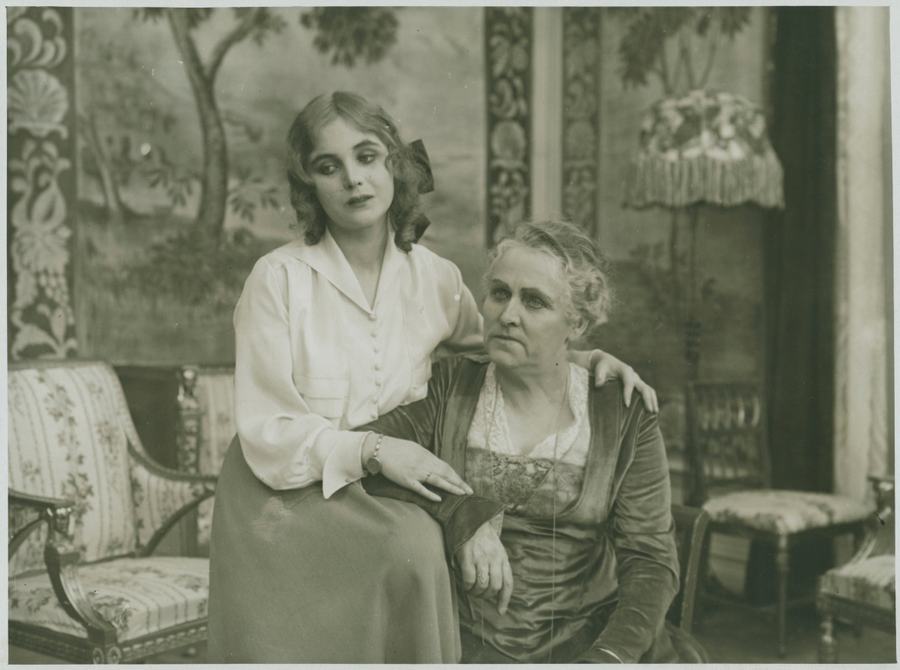
The visual language of the film utilizes the stark chiaroscuro typical of the era, though it leans into a more naturalistic lighting scheme that mirrors the moral ambiguity of its characters. In many ways, the film shares a thematic DNA with The Chattel, where the commodification of human emotion becomes the central tragedy. However, while The Chattel focuses on the industrial soul, The Suburban Vicar delves into the ecclesiastical spirit, questioning if a man of God can truly belong to himself or if he is forever a prisoner of his congregation and his kin.
Harriet Bloch’s involvement is crucial. As one of the most successful screenwriters of the silent period, she possessed an uncanny ability to subvert the male-dominated narratives of the time. In The Suburban Vicar, Elin is not a mere damsel. She is the catalyst for Erik’s awakening, a figure of vitality who contrasts sharply with the dusty, theological corridors Erik inhabits. The script refuses to offer easy resolutions. It echoes the atmospheric tension found in Vingarne, where the aesthetic beauty of the frame often masks a deep, psychological unrest.
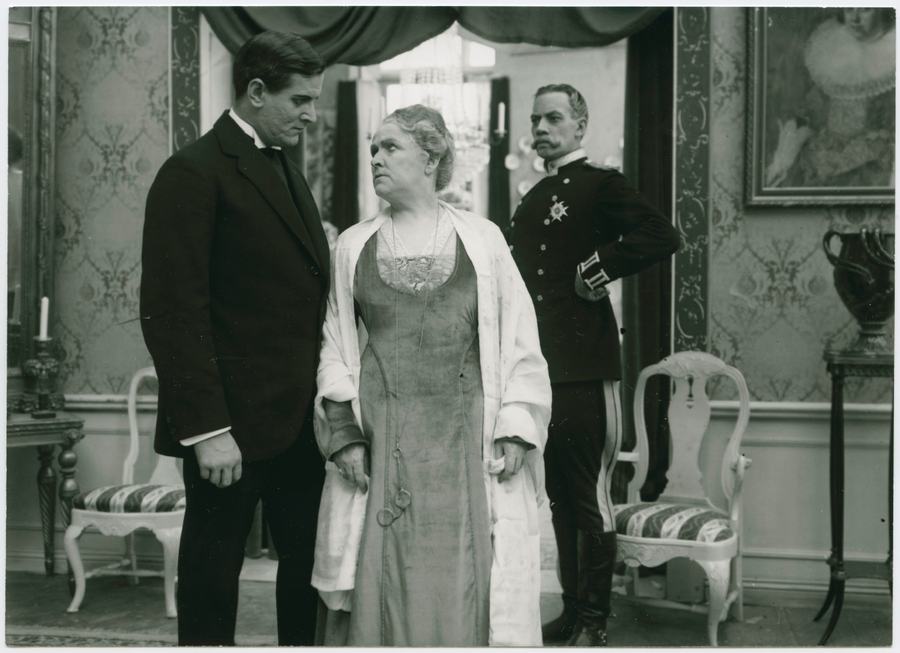
The supporting cast, including Torre Cederborg and Lilly Cronwin, provides a rich tapestry of social observation. The way the villagers and the General’s associates interact creates a sense of panopticon-like surveillance. Erik is never truly alone; he is always being watched, judged, and measured against an impossible standard of holiness that his father has weaponized against him. This sense of being trapped is a recurring motif in Bloch's work, also seen in the structural despair of A Mother's Ordeal.
When we compare this to other 1917 releases like McVeagh of the South Seas, the contrast is staggering. While the latter relies on exoticism and adventure to propel its narrative, The Suburban Vicar finds its thrills in the microscopic shifts of the human heart. It is a film of interiors—both literal and metaphorical. The drawing rooms of the Von Tillisch estate feel as cold and cavernous as a cathedral, yet they offer no sanctuary.
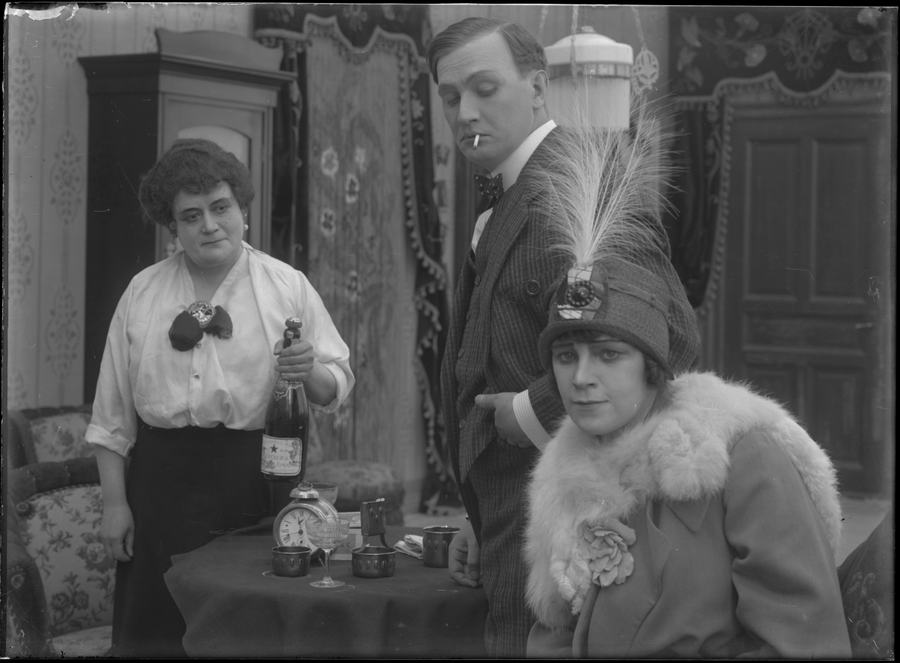
The film also touches upon the themes of lost innocence and the harshness of urban vs. provincial life, a common trope also explored in A Daughter of the City. However, Erik’s struggle is uniquely tied to his vocation. There is a palpable sense of theological cognitive dissonance; how can a faith predicated on love forbid the very thing that makes Erik feel human? The General’s disapproval isn't just a personal whim; it is a manifestation of a societal structure that prioritizes the preservation of the 'caste' over the happiness of the individual, much like the rigid social boundaries seen in The Waifs.
The acting style here is worth noting for its departure from the excessive pantomime of earlier silent films. Tekla Sjöblom and Johnny Björkman deliver performances that feel surprisingly contemporary. There is a sequence mid-film where Erik and the General share a meal in total silence—a silence that is audible through the screen. The tension is thick, the air heavy with unsaid grievances. It reminds one of the psychological weight found in The Fatal Night, where the environment itself seems to conspire against the protagonist.
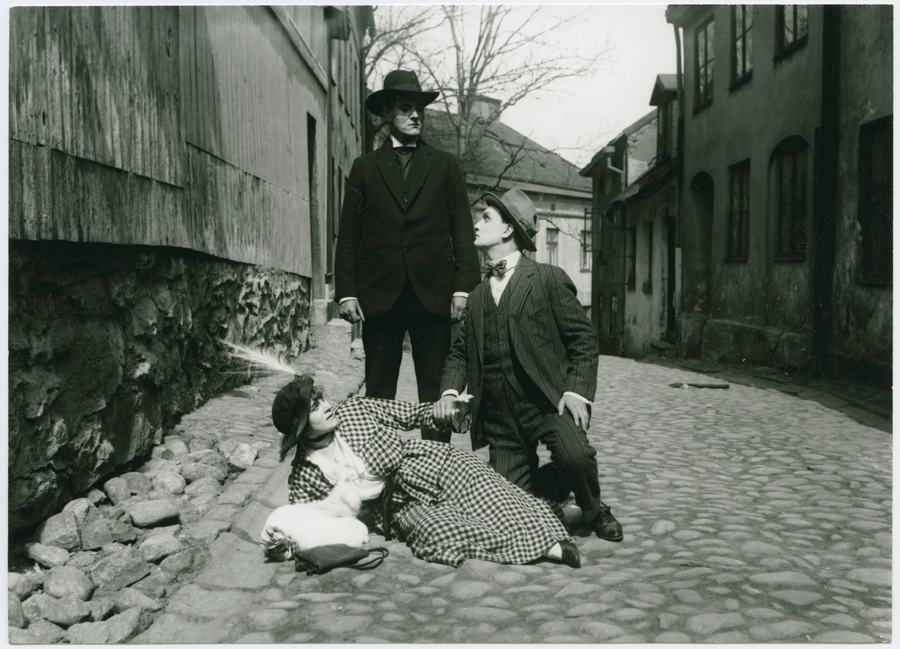
The inclusion of actors like John Botvid and Semmy Friedmann adds a layer of gravitas to the secondary characters. These are not mere caricatures; they are the gears in the machine that is slowly crushing Erik’s spirit. The film’s pacing is deliberate, refusing to rush toward a climax, instead allowing the dread to percolate. This slow-burn approach is a hallmark of high-tier silent drama, similar to the pacing found in The Gray Mask, though the stakes here are far more intimate and spiritual.
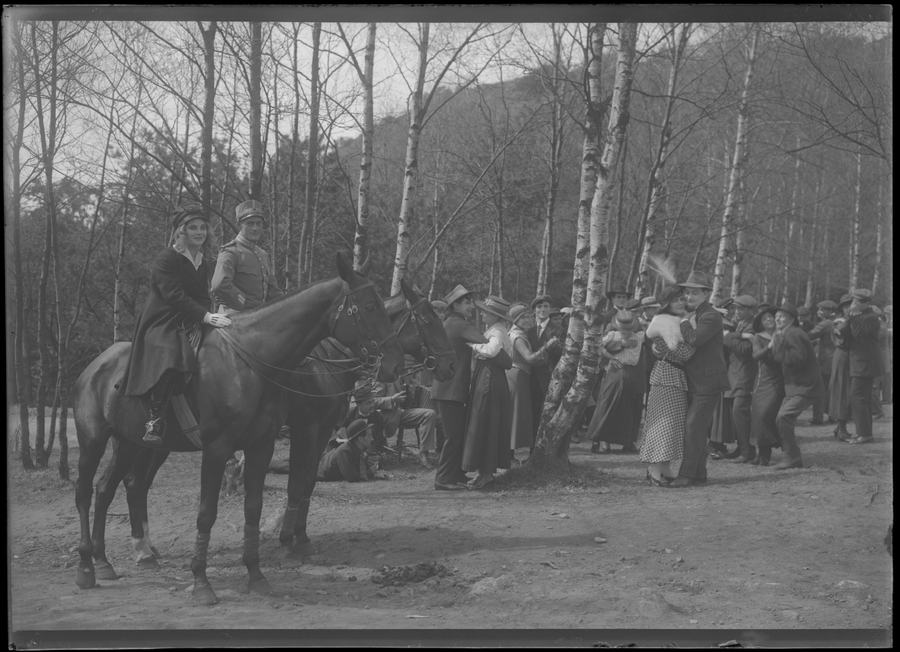
Technically, the film is a marvel of its era. The framing often places Erik between vertical lines—pillars, doorframes, the edges of the pulpit—symbolizing his psychological imprisonment. When he is with Elin, the frames open up, often incorporating the natural world, suggesting a freedom that is ultimately ephemeral. This visual storytelling is far more sophisticated than the blunt-force narrative of The Quitter or the sensationalism of The Monster and the Girl.
The film also serves as a fascinating companion piece to Ålderdom och dårskap, exploring the folly of youth vs. the stubbornness of age. But where Ålderdom och dårskap might lean toward the comedic or the lighthearted, The Suburban Vicar remains steadfast in its somber exploration of the human condition. Even the lighter moments, featuring Lilly Gräber and Manne Göthson, are tinged with the realization that the social order is immutable.
Why does The Suburban Vicar resonate over a century later? It is because the core conflict—the struggle to define oneself against the crushing weight of a parent's expectations—is universal. We see shades of this in The Bad Boy, but Erik’s struggle is elevated by his position. He is a man who is supposed to have the answers, yet he finds himself questioning the very foundations of his life. The film doesn't just depict a romance; it depicts a theological crisis.
The cinematography captures the essence of the Swedish landscape and the austerity of the Lutheran tradition. There is a scene near the end where Erik looks out over his parish, and the sense of isolation is profound. He is the shepherd, but he is also the sheep led to the slaughter of his own desires. This level of nuance is what separates a masterpiece from a mere period piece. It has the emotional depth of The Whirl of Life but with a much more focused, almost claustrophobic, narrative drive.
The Suburban Vicar is a masterclass in tension. It avoids the easy path of vilifying the General; instead, it presents him as a man who is as much a victim of his upbringing as Erik is. The tragedy is not that there is a villain, but that there are two differing versions of 'honor' that cannot coexist. This complexity is rare in 1917 and even rarer today. It lacks the simplistic morality of Tom Brown's Schooldays and instead embraces the messy, painful reality of adulthood.
For those interested in the evolution of cinema, or simply in a powerful story of love and duty, this film is essential viewing. It may not have the scale of Mexico, but its emotional landscape is vast. Harriet Bloch and the cast have created something that transcends the limitations of silent film, offering a gaze into the soul that remains as clear and piercing as it was the day it was filmed. The Vicar’s suburban life may seem quiet, but beneath the surface, a storm is raging that no prayer can quell.
Review by the Cinematheque Chronicler. A deep dive into the shadows of 1917.

IMDb 7.7
1933
Community
Log in to comment.