DbcultAccessing Vault...
5.5/10
Senior Film Conservator
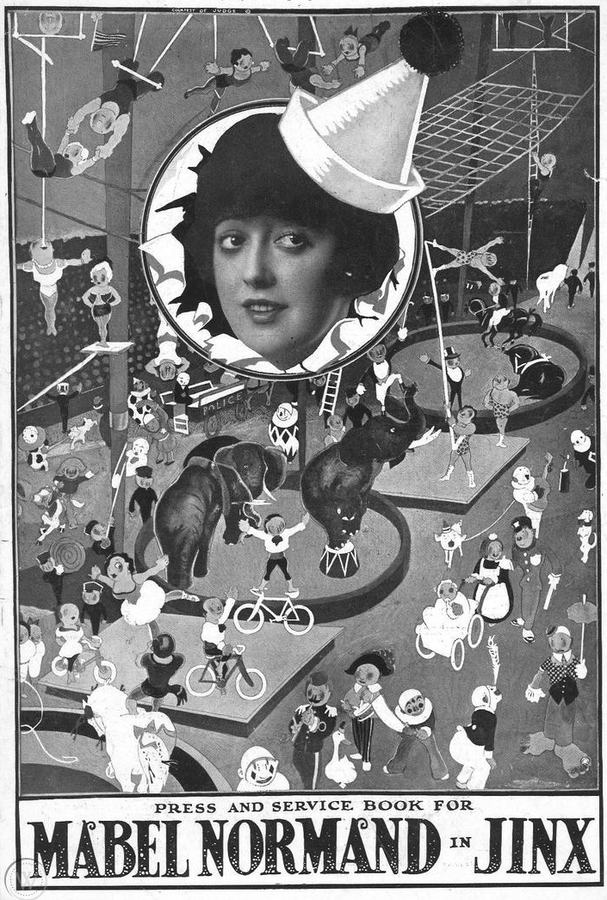
A definitive 5.5/10 rating for a film that redefined the boundaries of cult cinema. Jinx remains a cornerstone of transgressive art.
Stepping back into the annals of early cinema, one occasionally unearths a gem whose quiet brilliance resonates far beyond its original release. Such is the case with Jinx, a 1919 silent film that, despite its age, speaks volumes about the human condition, the yearning for acceptance, and the relentless pursuit of a place to belong. It’s a narrative woven with threads of vulnerability and resilience, set against the vibrant yet unforgiving backdrop of a traveling circus, before pivoting to the starker, yet potentially more stable, world of an orphanage. This isn’t merely a historical curiosity; it’s a poignant exploration of identity forged in the crucible of circumstance, a compelling character study that transcends the limitations of its medium.
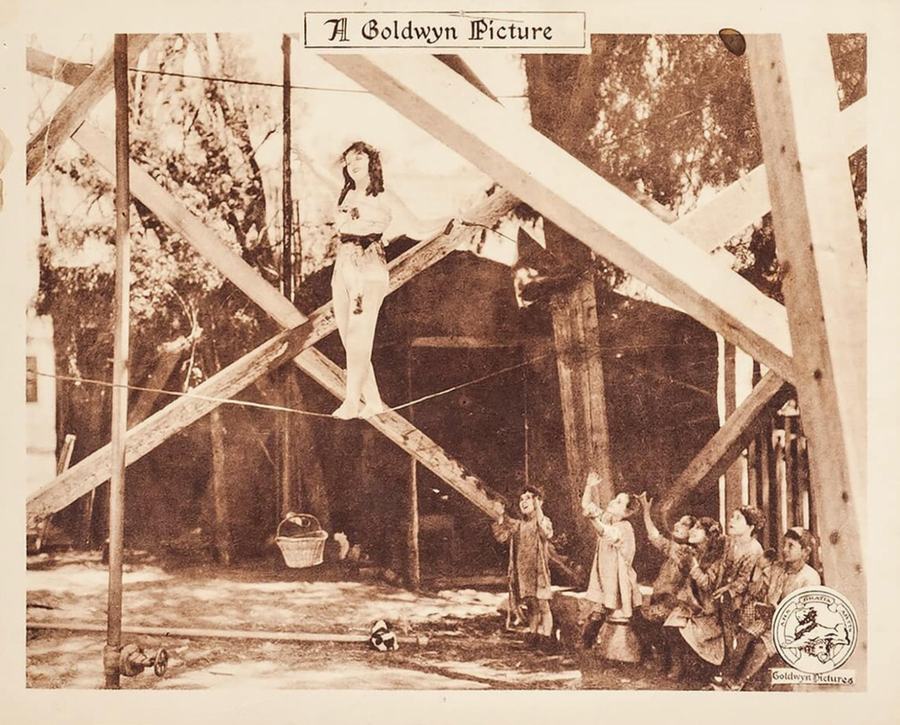
Our story orbits around a young protagonist, burdened by the cruel moniker 'Jinx.' In the superstitious microcosm of the circus, her very existence is perceived as a harbinger of ill fortune. She isn't just an unlucky child; she is the embodiment of bad luck, a living scapegoat for every missed cue, every broken prop, every faltering performance. This narrative device, simple yet profoundly effective, immediately elicits empathy. We witness the constant pressure, the whispered accusations, the palpable fear of punishment that shadows her every move. The film masterfully portrays the psychological toll of being perpetually blamed, of carrying an invisible burden that dictates one’s interactions and opportunities. It’s a stark reminder of how societal labels, even those born of irrational fear, can shape a person's entire existence. The vibrant spectacle of the circus, usually associated with joy and wonder, becomes a cage for Jinx, a place where her spirit is constantly under siege.
The screenplay, credited to Shannon Fife and Gerald C. Duffy, demonstrates a remarkable understanding of character motivation and plot economy, essential in the silent era. They craft a scenario where Jinx's actions, whether truly accidental or merely perceived as calamitous, create an untenable situation. The narrative doesn't dwell on elaborate backstories but thrusts us directly into her immediate predicament, making her flight not just understandable but inevitable. This immediacy lends a raw, visceral quality to her desperation. The writers expertly use the circus setting not just for visual flair, but as a crucible for Jinx's identity crisis, a place where she is defined solely by her perceived flaws rather than any inherent worth.

The circus in Jinx is a compelling study in contrasts. On one hand, it’s a dazzling world of acrobats, clowns, and exotic animals, a place of escapism and wonder for the townsfolk, particularly the eager orphans who are granted a rare outing. The film captures the fleeting magic of this itinerant spectacle, the gasps of the audience, the vibrant energy of the performers. Yet, beneath this glittering veneer lies a harsh reality. For those within the troupe, it's a life of relentless travel, demanding physical feats, and precarious financial stability. For Jinx, it’s a constant battle against the superstition and cruelty of her peers and superiors. The juxtaposition of the external wonder and the internal suffering provides a powerful commentary on perception versus reality. The very place that brings joy to others is the source of her deepest anxieties.
This dichotomy is central to the film's emotional impact. We see the children's faces alight with wonder, oblivious to the quiet torment of the girl who serves their entertainment. It’s a clever narrative device that highlights Jinx’s isolation even amidst a crowd. The circus, for all its boisterous activity, offers her no genuine connection, no safe harbor. This portrayal of the circus as both enchanting and oppressive is a recurring motif in cinema, but Jinx imbues it with a particular innocence and vulnerability through its young protagonist. It’s a world where the stakes are high, not just for the success of a performance, but for a child's very right to exist without constant condemnation.
The narrative’s pivotal moment arrives when Jinx, facing imminent punishment for yet another perceived mishap, makes a desperate dash for freedom. Her escape isn't a grand, heroic flight but a furtive, almost accidental, mingling with the very orphans who represent the audience she serves. This convergence is brilliantly conceived. The orphans, themselves living on the fringes of society, become an unwitting conduit for Jinx’s transformation. She sheds her identity as the 'Jinx' girl, blending seamlessly into the anonymous crowd of children. The journey from the dazzling, chaotic big top to the structured, perhaps austere, environment of an orphanage is a stark transition, yet for Jinx, it represents a potential salvation. It's a move from a place where she is singled out for negativity to one where she might find a modicum of anonymity and, crucially, acceptance.
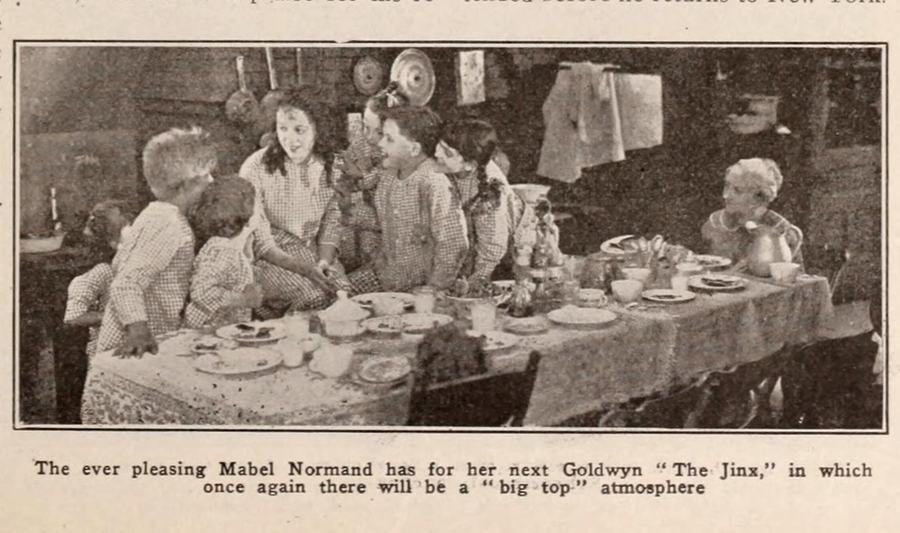
This narrative arc speaks volumes about the universal human desire for a fresh start, for the chance to redefine oneself away from past judgments. The orphanage, often depicted in cinema as a place of hardship, here becomes a symbol of hope. It’s a testament to the film’s nuanced storytelling that a place typically associated with a lack of familial warmth could be seen as an improvement over the circus’s toxic environment. The film doesn't romanticize the orphanage but presents it as a practical alternative, a refuge from the immediate threat. This shift underscores the pragmatic choices often forced upon those at the margins of society, where survival often outweighs comfort or ideal circumstances. It evokes a similar sense of a character seeking refuge from a challenging past, much like the thematic undertones in a film such as The Shadow of Her Past, where a new identity offers a chance at redemption.
In the silent era, the burden of conveying emotion and character fell almost entirely on the actors’ physicality and facial expressions. Florence Carpenter, as the titular Jinx, delivers a performance that is both subtle and profoundly moving. Her wide, expressive eyes communicate a spectrum of emotions – fear, hope, resignation, and nascent joy – with remarkable clarity. She doesn’t merely act; she embodies the character’s plight, making her struggles palpable to the audience without a single spoken word. Carpenter’s portrayal is the emotional anchor of the film, ensuring that Jinx remains a sympathetic figure despite her accidental propensity for trouble.
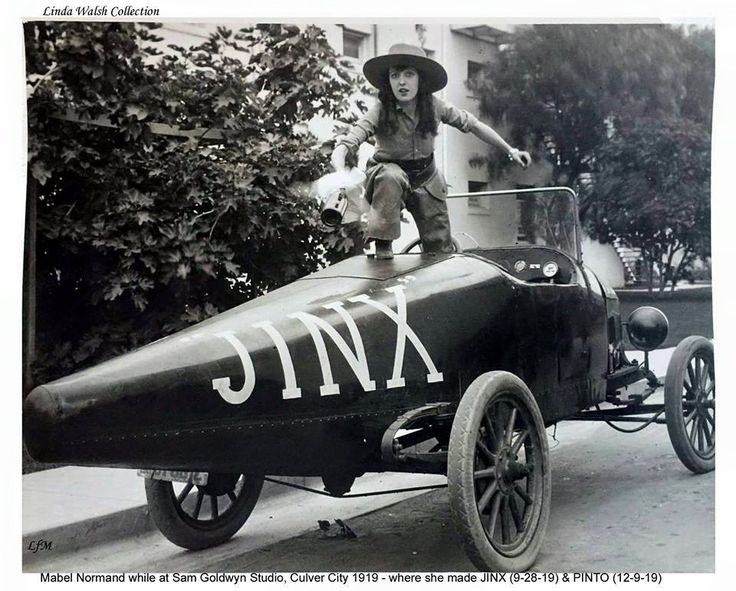
The supporting cast, a rich ensemble including Mae Giraci, Edouard Trebaol, Ogden Crane, Jackie Condon, Peaches Jackson, Mabel Normand, Cullen Landis, Buddy Messinger, Clarence Arper, Gertrude Claire, and Frankie Lee, contribute significantly to the film’s tapestry. Mabel Normand, a formidable presence in early cinema, likely brings a nuanced performance to her role, whatever its extent. Each actor, through their gestures and expressions, helps to build the vivid world of the circus and the orphanage. The ensemble creates a believable social dynamic, from the exasperated performers to the innocent curiosity of the other orphans. Their collective work paints a picture of a community, however flawed, that Jinx must navigate. The film relies heavily on these visual cues, and the actors rise to the challenge, ensuring that the narrative’s emotional beats land with precision. Their ability to convey complex feelings through pantomime is a testament to the artistry of silent film acting, a skill often underestimated in our dialogue-driven age.
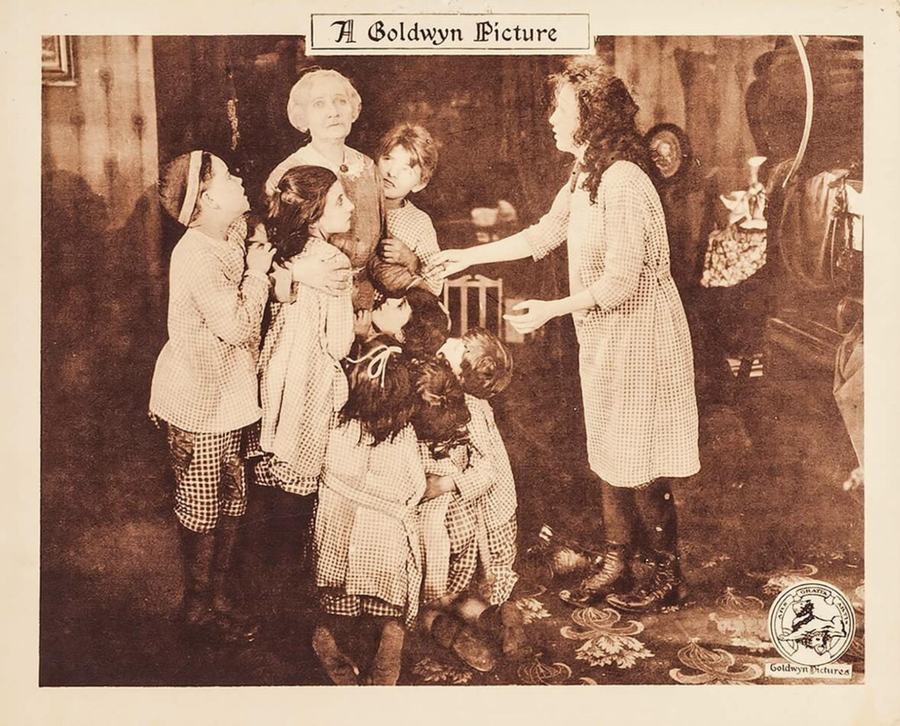
The direction of Jinx, while not explicitly attributed in the provided details, showcases a keen understanding of visual storytelling. The camera work, typical of the era, is functional yet effective, focusing on the characters’ faces and key actions to drive the plot forward. There’s an intuitive sense of pacing, alternating between the frenetic energy of the circus and the quieter, more introspective moments of Jinx’s journey. The use of close-ups to emphasize emotional states is particularly impactful, drawing the audience into Jinx’s inner world. The cinematography, though lacking the sophisticated techniques of later decades, effectively captures the atmosphere of both settings. The chaotic vibrancy of the big top contrasts sharply with the more subdued, almost stark, visuals of the orphanage. This visual distinction reinforces Jinx’s transition, using the environment itself as a character element.
The film's visual language is its primary means of communication, and it speaks eloquently. From the grand spectacle of the circus tent to the humble dormitory of the orphanage, every frame contributes to the narrative. The subtle movements, the expressive gestures, and the carefully composed shots together create a compelling experience. It’s a masterclass in how to convey a complex story without relying on spoken dialogue, demonstrating the power of pure cinematic form. The choices in framing and composition are deliberate, guiding the viewer’s eye and emotional response, making the audience an active participant in interpreting Jinx’s silent plea for understanding.
At its heart, Jinx is a profound meditation on identity and the relentless human quest for belonging. Jinx is trapped by a label, a societal construct that dictates her worth and her fate. Her escape is not just a physical act but a symbolic shedding of this imposed identity. The orphanage, despite its own challenges, offers her the possibility of a clean slate, a chance to be seen not as a 'jinx' but simply as a child. This theme resonates powerfully, speaking to anyone who has ever felt misunderstood or pigeonholed by circumstances beyond their control. The film implicitly asks: can one truly escape their past, or will the shadow of their former self always follow?
The narrative also explores the concept of second chances, not through grand gestures but through the quiet hope of a new environment. Jinx’s journey is a testament to the resilience of the human spirit, its capacity to adapt and seek out even the smallest glimmer of kindness. The film’s understated approach to these weighty themes makes them all the more impactful. It doesn’t preach; it simply observes, allowing the audience to draw their own conclusions about empathy, prejudice, and the fundamental need for human connection. The subtle exploration of these universal truths makes Jinx feel remarkably contemporary, despite its century-old origins. The search for a place where one is truly accepted, where one's presence is not a burden but a blessing, remains a timeless narrative.
Jinx serves as an excellent exemplar of early 20th-century filmmaking, particularly its ability to convey complex emotional narratives without the crutch of synchronized sound. It reminds us of the ingenuity and artistry that defined the silent era, an epoch where visual storytelling was paramount. The film’s reliance on strong performances, clear narrative progression, and evocative imagery showcases the foundational principles upon which all subsequent cinematic language has been built. It’s a testament to the power of pure cinema, demonstrating how a compelling story can be told through movement, expression, and the careful orchestration of scenes. Viewing Jinx today offers a valuable perspective on the evolution of film as an art form, highlighting the enduring impact of its early pioneers.
The film, like many from its period, might be superficially dismissed by modern audiences accustomed to rapid cuts and elaborate effects. However, its deliberate pace allows for a deeper immersion into Jinx’s internal world, inviting contemplation rather than demanding passive consumption. This deliberate approach is a hallmark of early cinematic artistry, where the absence of dialogue necessitated a more profound visual and emotional engagement from the viewer. This introspective quality is something that contemporary cinema could often benefit from rediscovering.
Over a century after its creation, Jinx retains a surprising resonance. Its themes of ostracism, the search for belonging, and the hope for a new beginning are timeless. The plight of a child misunderstood and unfairly judged speaks to universal experiences of alienation. In an age saturated with information and quick judgments, Jinx’s silent struggle reminds us of the importance of empathy and looking beyond superficial labels. It’s a film that, despite its lack of dialogue, sparks conversation about how we perceive and treat those who are different. The simplicity of its narrative belies the profundity of its message, making it a valuable piece of cinematic history and a touching human story.
The enduring appeal of such films lies in their ability to strip away the complexities of modern storytelling and expose raw, fundamental human emotions. Jinx is not just a film about a girl; it’s about the inherent human need for connection and acceptance. Its quiet power leaves a lasting impression, a testament to the idea that some stories, told with sincerity and heart, transcend time and technological advancements. It’s a gentle yet firm reminder that the core of compelling narrative has always been, and will always be, the exploration of the human spirit in all its fragile and resilient glory.
For those willing to engage with the artistry of the silent era, Jinx offers a rewarding and emotionally rich experience. It’s a film that quietly champions the outcast, celebrating the courage it takes to seek a better path, even when that path leads to an unexpected sanctuary. It’s a testament to the power of cinema to capture the universal longing for a place where one is not just tolerated, but truly seen and valued. A truly understated classic.
IMDb —
1917
Community
Log in to comment.