DbcultAccessing Vault...
5.8/10
Senior Film Conservator
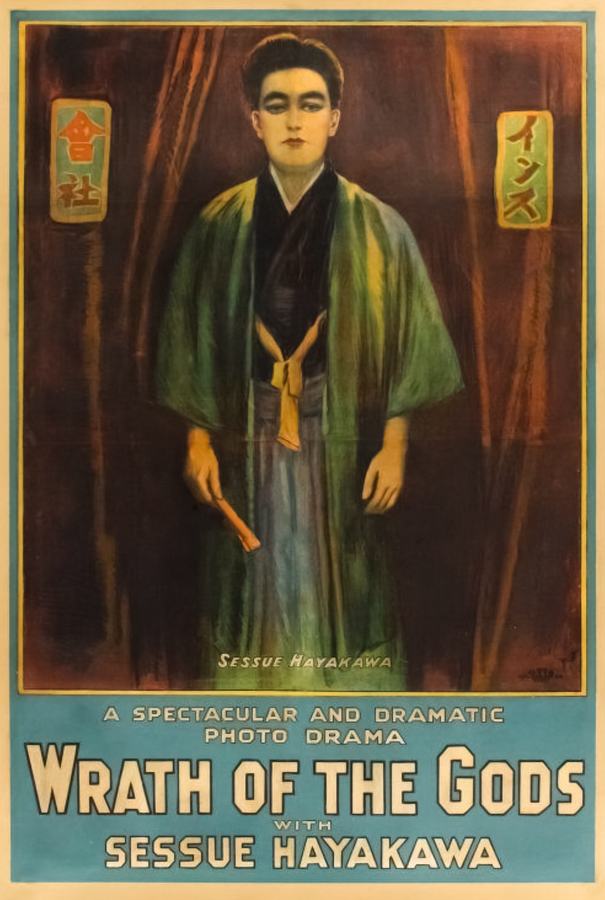
A definitive 5.8/10 rating for a film that redefined the boundaries of cult cinema. The Wrath of the Gods remains a cornerstone of transgressive art.
The film opens with a sweeping aerial shot of the Atlantic, the wind howling like a choir of unseen spirits. An American sailor, portrayed with a stoic grace by Sessue Hayakawa, stands at the prow, eyes fixed on the horizon. He is a man who has seen the world’s tempests and still clings to an unspoken creed that transcends the sea’s fickle moods.
Enter the fisherwoman’s daughter, played by Tsuru Aoki, whose cheeks are perpetually damp from the salt spray. Her family’s livelihood is bound to a curse that the local gods—represented by a cadre of ominous figures—have laid upon them. Their lives are a cycle of toil and despair, a narrative that the film presents with a quiet, almost reverent, gravity.
Hayakawa’s sailor does not merely fall in love; he falls into a vortex of conviction. He believes that Jesus, the “most powerful of all,” can liberate her from the gods’ grip. The dialogue, though silent, is expressed through a series of expressive gestures and intertitles that echo the urgency of his mission. His love becomes an act of defiance, a rebellion against the very fabric of destiny that has been woven by the deities.
The director’s choice to keep the narrative largely visual amplifies the emotional stakes. Every frame is a study in contrast: the dark, oppressive clouds that mirror the gods’ wrath, and the bright, hopeful light that represents the Christian faith. The film’s use of chiaroscuro is reminiscent of the early expressionist movement, hinting at a cinematic language that would evolve in the decades to follow.
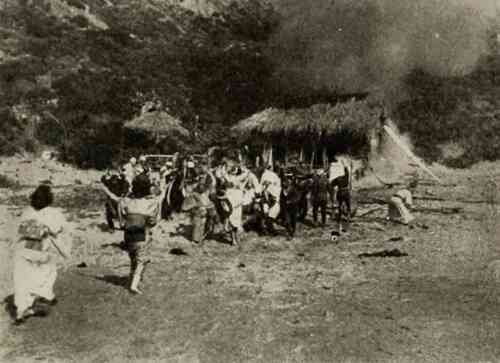
Cinematographer Frank Borzage—who would later earn acclaim for his romantic visual style—captures the sea’s relentless rhythm with a deft hand. The camera lingers on the waves, letting them act as a metronome for the unfolding drama. The fisherwoman’s village is rendered in meticulous detail, the thatched roofs and wooden docks echoing the film’s thematic undercurrents of tradition versus transformation.
The narrative arc is tightly woven, with each act building upon the last. The first act introduces the curse and the characters’ plight. The second act, where the sailor’s faith is tested, offers a series of intimate scenes that highlight the emotional depth of the characters. The final act culminates in a confrontation that is both literal and symbolic—a showdown between the sailor’s belief and the gods’ dominion.
The performance of Gladys Brockwell, who plays a secondary yet pivotal role as the fisherwoman’s mother, adds a layer of gravitas. Her portrayal of a woman torn between ancestral obligations and her daughter’s newfound faith is both subtle and powerful. Her intertitles, though sparse, carry a weight that speaks to the film’s broader themes of sacrifice and devotion.
The film’s score—though not present in the original silent version—has been reconstructed in modern retrospectives. The music, composed in a style that blends sea shanties with hymnal motifs, underscores the narrative’s duality. The sea shanties echo the sailor’s maritime heritage, while the hymnal motifs reinforce the Christian undertones that are central to the story.
One cannot overlook the symbolic use of color in the film’s set design. The sea blue (#0E7490) permeates the water, giving it an almost divine aura. The dark orange (#C2410C) is reserved for the gods’ symbols—cracked stone tablets and ominous statues—creating a stark visual contrast that reinforces the moral dichotomy.
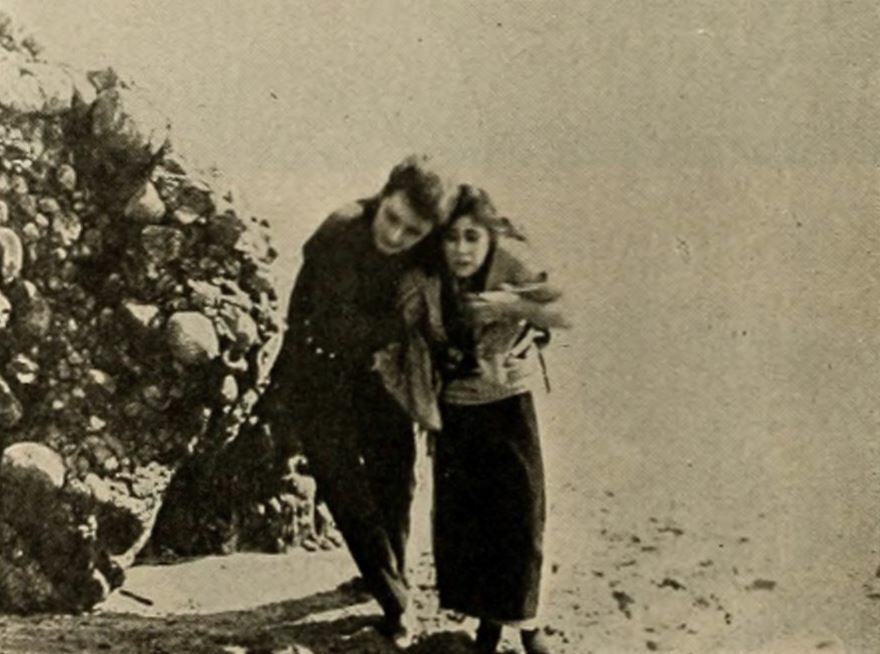
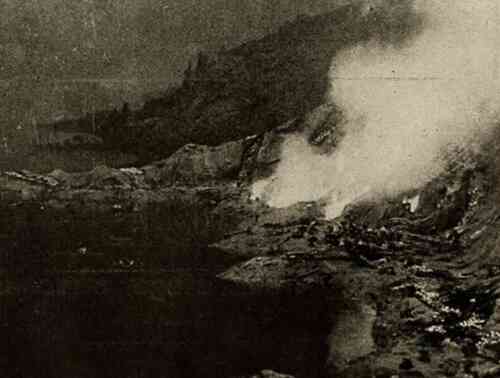
The film’s climax is a masterclass in silent storytelling. In a dramatic sequence, the sailor confronts the gods, not with weapons but with prayer. The gods’ wrath is depicted through a series of thunderous explosions and swirling smoke, while the sailor’s faith is shown through a luminous halo that surrounds him. This visual metaphor—light against darkness—serves as the film’s emotional fulcrum.
The resolution is both satisfying and open-ended. The fisherwoman’s curse is lifted, but the film leaves the audience with a lingering question: Is the triumph of faith absolute, or does it merely shift the locus of power? This ambiguity is what gives the film its enduring resonance.
Comparatively, the film shares thematic DNA with other silent religious dramas such as From the Manger to the Cross and Life and Passion of Jesus Christ. While those works focus on biblical narratives, The Wrath of the Gods transposes the struggle into a contemporary, maritime setting, making the ancient conflict feel immediate and personal.
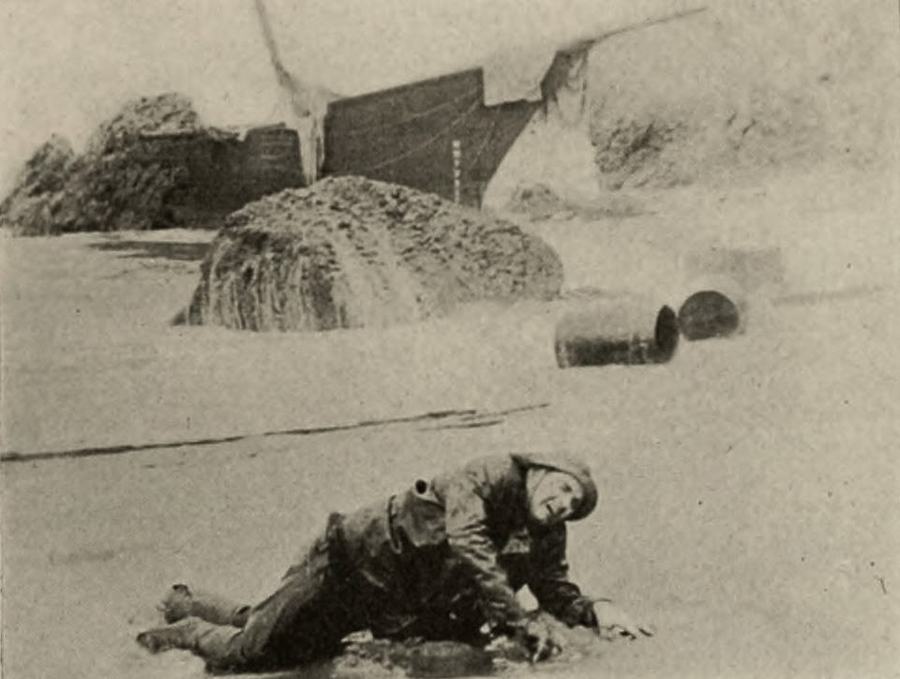
The film also resonates with the broader trend of early 20th‑century cinema that sought to blend myth with modernity. Like Les Misérables, it presents a social critique wrapped in a personal story, but it does so through the lens of religious confrontation rather than political upheaval.
From a technical standpoint, the film’s editing is brisk, yet it allows for moments of contemplative pause. The cuts between the sailor’s solitary moments and the fisherwoman’s communal rituals are seamless, creating a rhythm that mirrors the ebb and flow of the ocean itself.
The film’s pacing is carefully calibrated. The opening sequence takes its time establishing the setting, but once the central conflict is introduced, the narrative accelerates. This shift keeps the audience engaged while maintaining the emotional depth required for a story of faith.
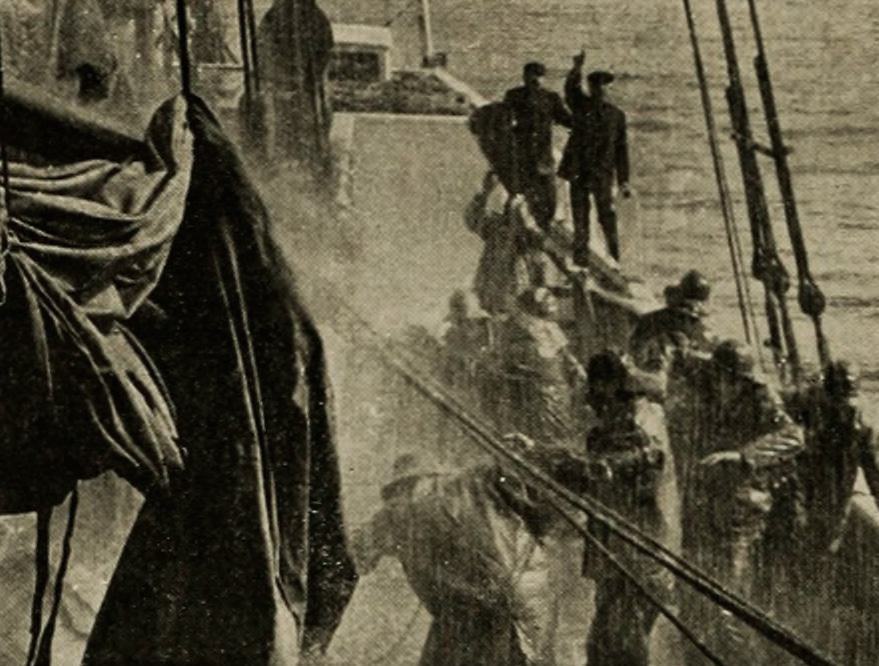
The character arcs are compelling. The sailor evolves from a solitary figure to a catalyst for change, while the fisherwoman transitions from a victim of fate to an agent of her own destiny. Their relationship is a study in mutual transformation, a testament to the power of love and belief to alter the course of lives.
The film’s legacy is evident in how it paved the way for later religious dramas that challenged the status quo. Its bold stance—presenting Jesus as a figure capable of subverting the gods—was revolutionary for its time, especially within the constraints of silent cinema.
In conclusion, The Wrath of the Gods stands as a landmark in silent film history, marrying visual artistry with profound thematic exploration. It invites the viewer to ponder the eternal question: can faith truly triumph over destiny? The film’s answer is both hopeful and ambiguous, ensuring that it remains a subject of fascination for scholars and cinephiles alike.

IMDb —
1919
Community
Log in to comment.