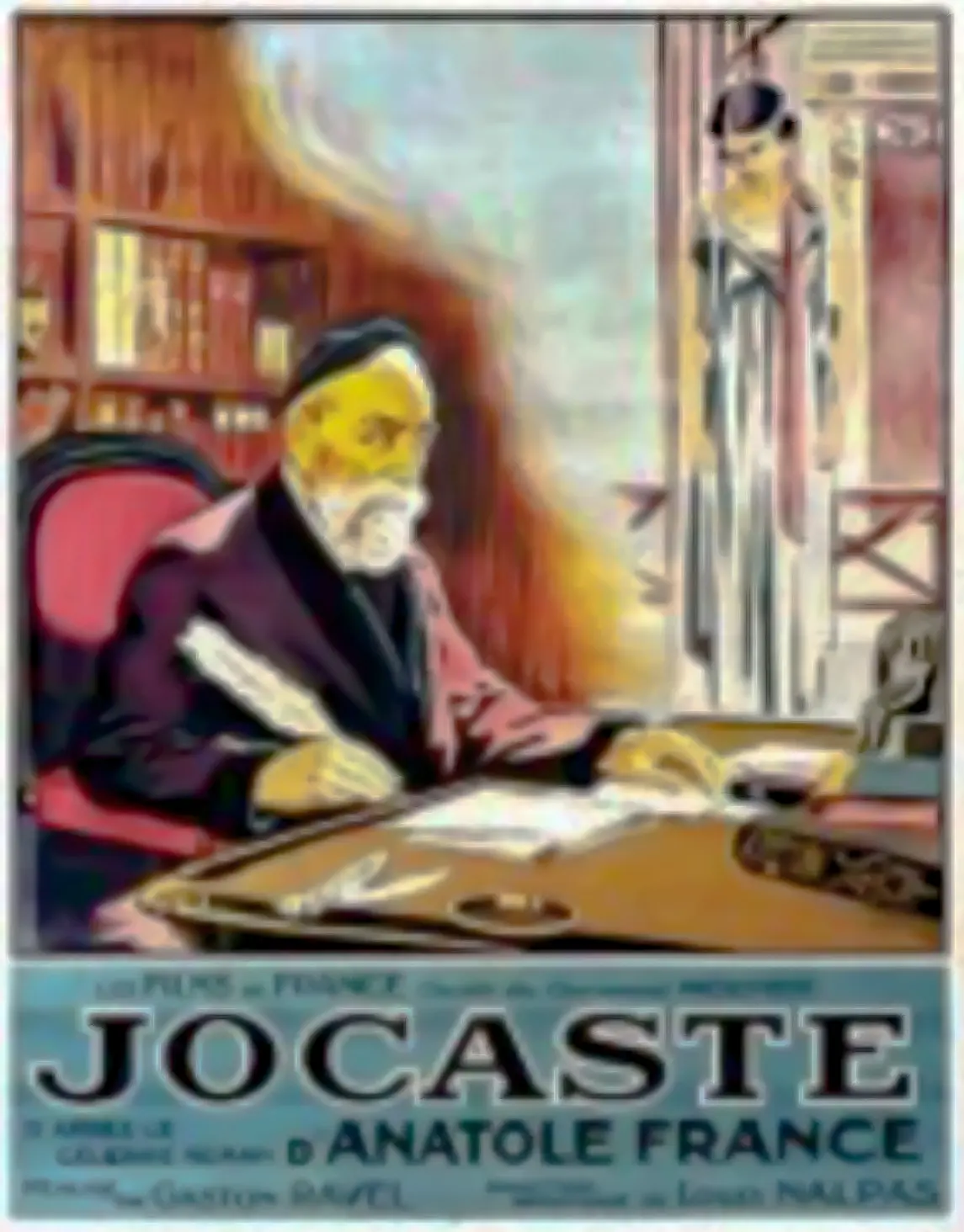
In the realm of cinema, where the exploration of human emotions and existential dilemmas often serves as a cornerstone for storytelling, 'Jocaste' emerges as a film of profound introspection and complexity. Directed by Gaston Ravel and adapted from the works of Anatole France, this movie invites viewers into a world where the boundaries of identity, love, and redemption are continually tested.
The film boasts a talented ensemble cast, including Sandra Milovanoff, Simone Mareuil, Thomy Bourdelle, Henri Fabert, Gabriel Signoret, Abel Tarride, Jean Forest, and Claude Mérelle, each bringing their unique energy to the narrative. Their performances are akin to brushstrokes on a canvas, painting a vivid picture of a society grappling with its own moral and philosophical quandaries.
At its core, 'Jocaste' is a cinematic exploration that defies straightforward categorization. It is a drama, a romance, and a philosophical treatise all at once, weaving together these disparate elements into a cohesive and compelling narrative. The story is a maze of human emotions, with characters navigating through their own desires, fears, and aspirations, often finding themselves at crossroads that challenge their very understanding of self.
The visual aesthetics of the film are noteworthy, with a use of lighting and composition that evokes a sense of melancholy and introspection. Each frame is meticulously crafted, drawing viewers deeper into the world of 'Jocaste' and the intricate web of relationships that define it. The cinematography is not merely a backdrop for the story; it is an active participant, influencing the mood and tone of the narrative in subtle yet powerful ways.
One of the most striking aspects of 'Jocaste' is its thematic depth. The film does not shy away from exploring complex issues such as the search for identity, the consequences of love and betrayal, and the relentless pursuit of redemption. These themes are not presented in a simplistic or didactic manner; rather, they are woven into the fabric of the story, allowing viewers to engage with them on a deeply personal level.
In comparing 'Jocaste' to other films that explore similar themes, one might draw parallels with works like
One of the Finest, which also delves into the complexities of human relationships and the quest for identity. However, 'Jocaste' distinguishes itself through its unique narrative voice and its unflinching examination of the human condition.
Films such as
The Jail Bird and
The Midnight Girl also come to mind when considering the film's exploration of existential crises and the search for meaning. Yet, 'Jocaste' stands apart in its ability to balance intellectual curiosity with emotional resonance, creating a viewing experience that is both thought-provoking and deeply moving.
The performances in 'Jocaste' are a significant factor in its success. Sandra Milovanoff and Simone Mareuil, in particular, deliver standout performances, bringing depth and nuance to their characters. Their portrayals are multifaceted, revealing the complexities of their characters' psyches and the often tumultuous relationships they navigate.
The supporting cast, including Thomy Bourdelle, Henri Fabert, and Gabriel Signoret, add further richness to the narrative, each contributing to the film's thematic exploration. The chemistry between the actors is palpable, enhancing the believability of the story and drawing viewers into the world of the film.
In conclusion, 'Jocaste' is a masterpiece of cinematic storytelling, offering a richly textured exploration of human emotions and existential dilemmas. It is a film that challenges viewers to engage with its complex themes and characters, rewarding them with a deeply satisfying and thought-provoking viewing experience. Through its exceptional performances, striking visuals, and profound thematic depth, 'Jocaste' solidifies its place as a significant work in the realm of world cinema.
The use of color in the film is particularly noteworthy, with a palette that oscillates between the
warmth of golden hues and the
coolness of sea blue tones, reflecting the characters' inner journeys and the evolving mood of the narrative. This deliberate choice of color scheme adds another layer of depth to the film, inviting viewers to consider the symbolic significance of each color and its contribution to the overall aesthetic and thematic landscape of 'Jocaste'.
In an era where cinema often prioritizes spectacle over substance, 'Jocaste' stands as a testament to the enduring power of thoughtful, intellectually stimulating filmmaking. It is a film that not only entertains but also challenges, leaving viewers with much to consider long after the credits roll. For those seeking a cinematic experience that lingers in the mind and heart, 'Jocaste' is an essential watch.