DbcultAccessing Vault...
Cult Review
Senior Film Conservator
Stepping back into the nascent days of cinematic storytelling, one occasionally stumbles upon a forgotten treasure that, despite its age and the technical limitations of its era, resonates with a profound humanity. Such is the case with Judith of the Cumberlands, a 1914 silent drama that, for all its antiquated charm, plunges into themes as timeless and raw as the mountain ranges it depicts. It’s a narrative steeped in the rugged authenticity of early American cinema, a tale that eschews the facile for the deeply entrenched conflicts of the human heart and the enduring power of love to challenge even the most hardened traditions.
The film’s premise, at its core, is a classic of American folklore: the generational mountain feud. Yet, Alice MacGowan’s narrative, brought to life by director J.P. McGowan, elevates this familiar trope by anchoring the renewed hostilities in the very real, very potent economic engine of illicit moonshine whiskey. This isn't merely a squabble over pride or ancestral slights; it's a brutal battle for survival and supremacy in a harsh, unforgiving landscape. The moonshine trade, with its inherent dangers and lucrative rewards, serves as a brilliant metaphorical and literal accelerant to the already simmering tensions between two entrenched clans. It imbues the conflict with a palpable sense of desperation, a gritty realism that cuts through any romanticized notions of mountain life. The stakes are tangible: livelihoods, family honor, and ultimately, lives. This economic dimension adds a layer of sophistication often overlooked in simplistic portrayals of such feuds, reminding us that even in the most remote corners, human actions are frequently driven by material necessity as much as by abstract principles.
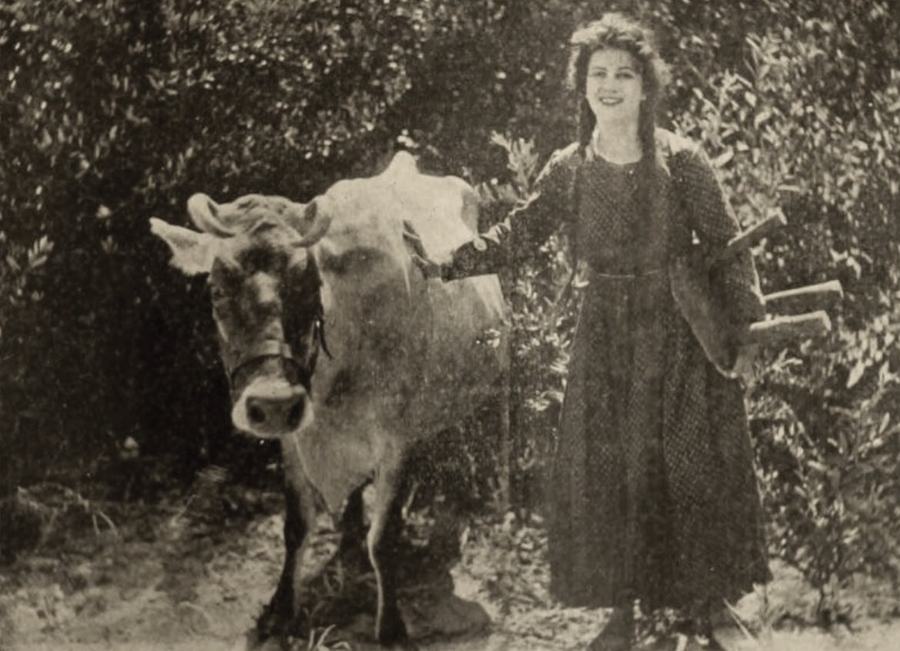
In an era devoid of spoken dialogue, the burden on actors to convey emotion, intent, and character through physicality and facial expression was immense. The cast of Judith of the Cumberlands rises to this challenge with remarkable conviction. Alma Rubens, in particular, as the titular Judith, delivers a performance that transcends the theatricality often associated with silent film. Her eyes, her posture, the subtle shifts in her demeanor, all communicate a depth of feeling that is genuinely moving. She embodies both the fierce independence of a mountain woman and the vulnerability of a young heart caught between warring loyalties. Thomas G. Lingham, portraying the young man from the rival clan, matches Rubens’ intensity, projecting a stoic determination softened by burgeoning affection. Their silent exchanges, often fraught with unspoken tension and longing, are masterclasses in non-verbal communication. The supporting cast, including Paul Hurst and Helen Holmes, contribute to a vivid ensemble, each character, no matter how brief their appearance, etched with a distinct personality that fuels the drama. One cannot help but draw parallels to the powerful, often exaggerated yet deeply effective, portrayals seen in other early dramas like The Avenging Conscience: or 'Thou Shalt Not Kill', where moral intensity was paramount, or the raw, often visceral emotions depicted in a film like Ten Nights in a Barroom, albeit with a different focus on social ills.
J.P. McGowan, a prolific director of the silent era, demonstrates a keen understanding of how to build tension and tell a compelling story visually. His direction in Judith of the Cumberlands is marked by a straightforward yet effective approach to capturing the rugged beauty and inherent dangers of the Appalachian setting. The cinematography, while perhaps not groundbreaking by later standards, effectively utilizes the natural landscape to enhance the narrative. Wide shots establish the isolation and grandeur of the mountains, while closer framing during intense confrontational scenes heightens the personal stakes. The action sequences, particularly those related to the moonshine trade and the ensuing clashes, are staged with a dynamic energy that keeps the audience engaged. McGowan understands the rhythm of silent film, allowing moments of quiet contemplation to breathe before accelerating into dramatic confrontations. This pacing ensures that the emotional beats land with impact, preventing the narrative from becoming a mere succession of events. The visual storytelling, though simple by today's standards, is articulate and precise, a testament to the foundational principles of filmmaking that continue to inform directors even now.
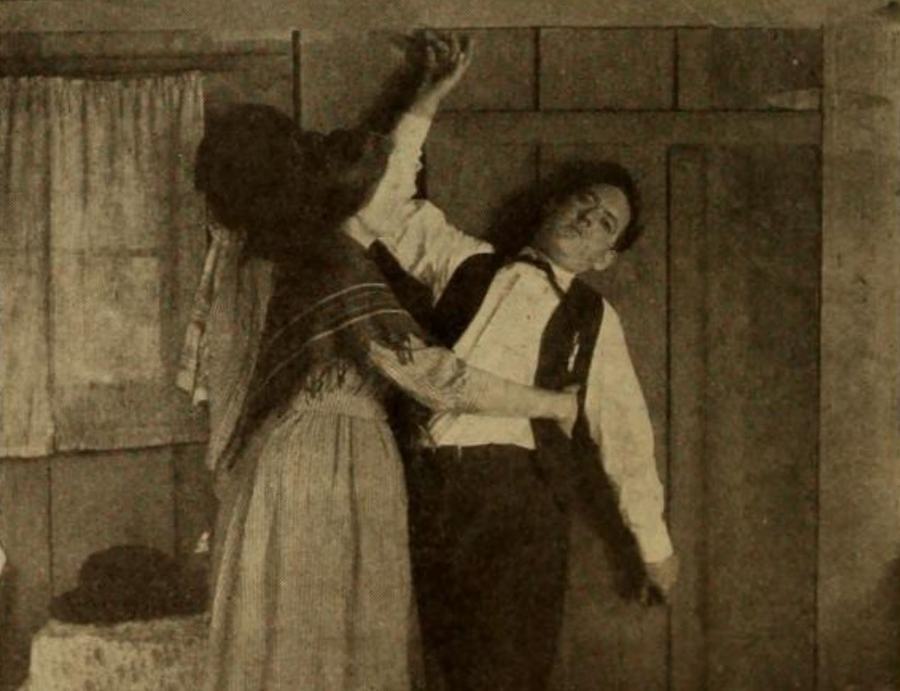
At the core of this tale of clan warfare and illicit enterprise lies a romance that is both poignant and perilous. The burgeoning affection between the young man and Judith is the film's beating heart, offering a glimmer of hope amidst the encroaching darkness of vengeance. Their love is not merely a subplot; it is the primary engine for potential change, the only force strong enough to challenge generations of ingrained hatred. This theme of forbidden love, capable of bridging seemingly insurmountable divides, is a universal one, explored in countless narratives across cultures and eras. In the context of Judith of the Cumberlands, it feels particularly potent, a fragile blossom in a harsh environment. The risks they take, the clandestine meetings, the silent vows exchanged, all underscore the profound depth of their connection. It reminds one of the enduring power of such narratives, echoing the dramatic tension of a film like Love Never Dies, where passion confronts formidable obstacles, or even the grand, tragic romances like Anna Karenina from the same period, albeit set in vastly different social landscapes. The youthful idealism of the lovers stands in stark contrast to the hardened cynicism of their elders, creating a compelling dramatic tension that drives the narrative towards its hopeful, yet uncertain, conclusion.
While set in a specific regional context, Judith of the Cumberlands explores themes that resonate far beyond the Appalachian mountains. The destructive futility of inherited hatred, the struggle between tradition and progress, the agency of individuals to break cycles of violence, and the transformative power of empathy are all powerfully conveyed. The film implicitly critiques the blind adherence to old grievances, suggesting that such feuds ultimately consume all involved, regardless of who emerges victorious in a skirmish. It champions the courage required to forge a new path, to choose understanding over animosity, and to prioritize human connection above tribal loyalty. This message, delivered through the stark visual language of silent cinema, remains remarkably relevant. The film’s exploration of these universal human experiences is what elevates it from a mere historical curiosity to a work of enduring artistic merit. It speaks to the perennial human condition, a testament to the profound narratives that were being crafted even in the earliest days of moving pictures.
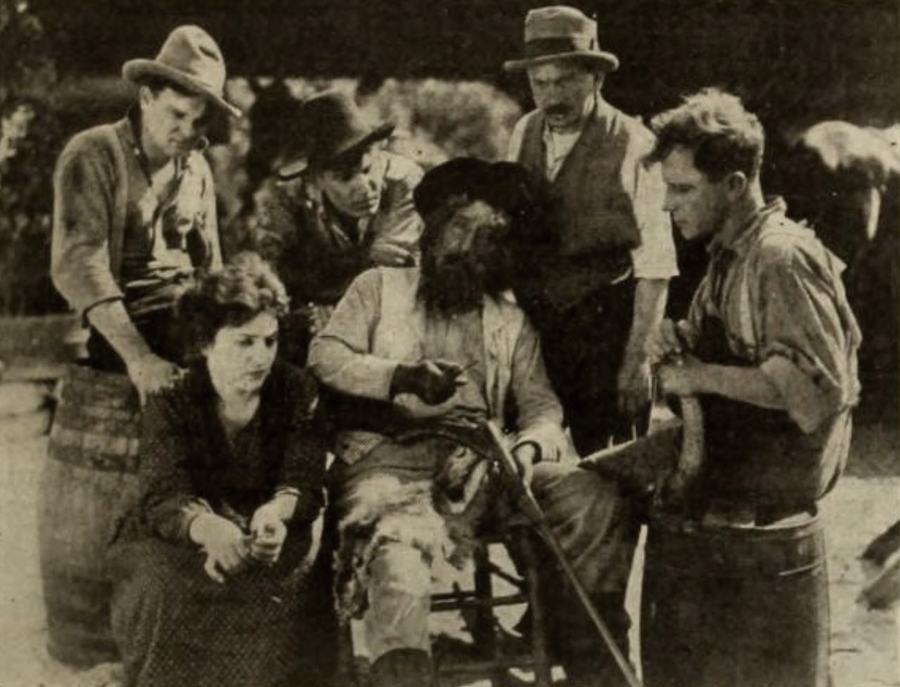
Beyond its narrative strengths, Judith of the Cumberlands offers invaluable insight into early American cinema and the cultural preoccupations of the time. The fascination with rugged individualism, the romanticization of the frontier, and the moral dilemmas presented by a rapidly changing society are all present. Films like The Primal Lure from a slightly later period, also tapped into this allure of untamed landscapes and the raw human drama within them. The portrayal of mountain communities, though undoubtedly simplified for dramatic effect, reflects a broader societal interest in regional American identities. It's a window into how early filmmakers envisioned and presented aspects of American life that were both familiar and exotic to their audiences. The film's historical value, therefore, extends beyond its cinematic qualities; it serves as a cultural artifact, reflecting the anxieties, aspirations, and storytelling conventions of its era. Examining such works allows us to appreciate the evolution of film as an art form and as a mirror to society.
For those accustomed to the sonic landscapes and intricate visual effects of modern cinema, the experience of watching a silent film like Judith of the Cumberlands requires a different kind of engagement. It demands a willingness to immerse oneself in a world where narrative is conveyed through gesture, expression, and the occasional intertitle. Yet, for the patient viewer, the rewards are considerable. This film, like many of its contemporaries, reminds us of the fundamental power of storytelling, stripped bare of all but its most essential elements. It challenges us to look beyond superficial differences in presentation and connect with the universal human emotions that remain constant across a century of cinematic innovation. Its rediscovery, or perhaps its appreciation by new generations of cinephiles, is crucial for understanding the rich tapestry of film history. It’s a testament to the foundational artists who, with rudimentary tools, laid the groundwork for everything that followed, proving that a compelling story, well-told, can transcend the limitations of its medium and its time.
In conclusion, Judith of the Cumberlands stands as a compelling example of early American dramatic filmmaking. It’s a narrative that, despite its age, retains a remarkable power to engage, to stir emotion, and to provoke thought. Through its vivid characters, its exploration of timeless themes, and its skillful direction, it offers a poignant reflection on conflict, redemption, and the enduring, defiant spirit of love. It’s a film that deserves to be seen, studied, and celebrated, not just as a historical document, but as a vital piece of cinematic artistry that continues to speak volumes.
IMDb 5.7
1934
Community
Log in to comment.