DbcultAccessing Vault...
7.2/10
Senior Film Conservator
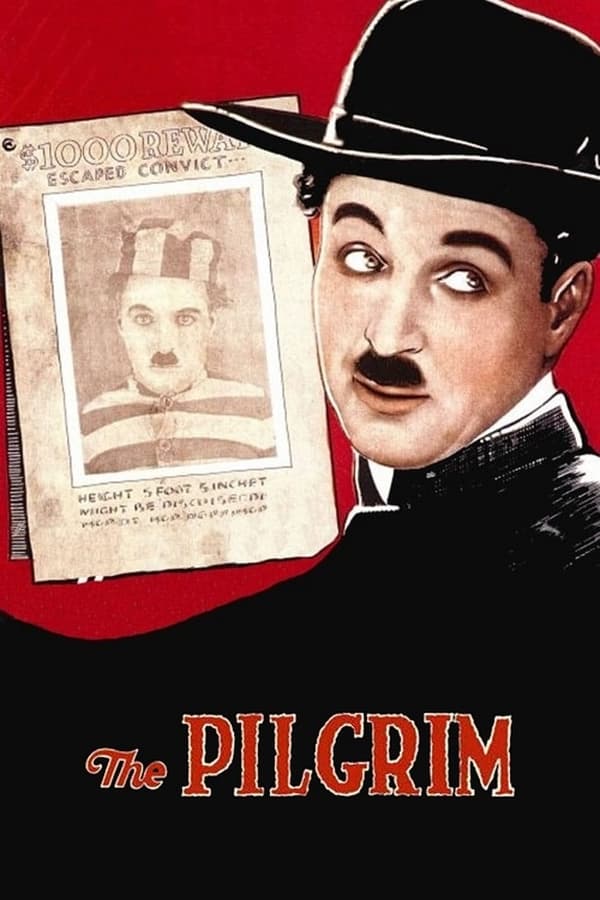
A definitive 7.2/10 rating for a film that redefined the boundaries of cult cinema. The Pilgrim remains a cornerstone of transgressive art.
When Charles Chaplin turned his prodigious comedic instincts toward the western frontier, the result was a paradoxical blend of slapstick and solemnity. The Pilgrim (1915) follows an escaped convict who, by sheer happenstance, dons a priest’s cassock and wanders into a parched Texas hamlet. The townspeople, starved for spiritual guidance after a long drought of clergy, receive him as a divine providence. Chaplin’s narrative architecture is deceptively simple: a man on the run, a community in need, and a masquerade that threatens to implode. Yet within that skeleton lies a lattice of social commentary, character nuance, and visual wit that rewards repeated viewings.
\n\nThe film opens with a stark chase sequence: the convict, breathless and bruised, slips through a thicket, leaving behind a trail of broken shackles. Chaplin’s camera lingers on the mud‑splattered boots, a visual metaphor for the protagonist’s moral mire. His subsequent encounter with a tattered priest’s habit—discarded like a relic of a bygone era—sets the stage for the central masquerade. By slipping into the habit, he not only adopts an outward identity but also inherits the weight of a congregation’s expectations.
\nIn the town, the townsfolk are rendered with a painterly attention to detail. Women in faded bonnets, men in threadbare overalls, and a church bell that tolls with a melancholy timbre. The community’s collective yearning for redemption becomes palpable when the newcomer arrives. Chaplin allows the audience to feel the tension between the convict’s internal panic and the external serenity he is forced to embody. The film’s pacing—alternating between rapid, kinetic chases and languid, contemplative church scenes—mirrors the protagonist’s oscillation between survival instinct and the performative piety demanded of him.
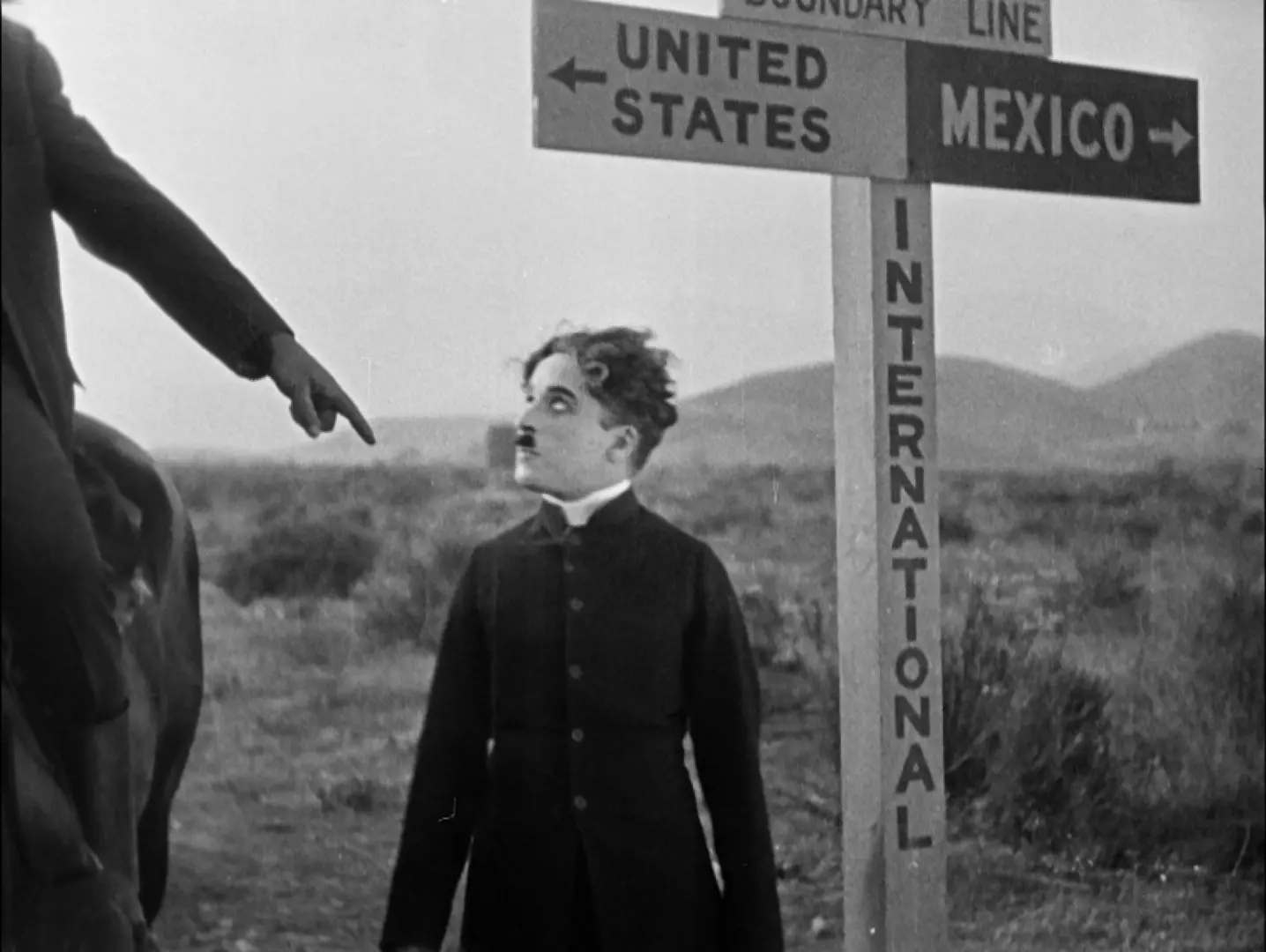
Edith Bostwick delivers a nuanced portrayal of the town’s matriarch, whose stern exterior belies a tender longing for spiritual solace. Her eyes, often fixed on the faux priest, flicker with a mixture of reverence and suspicion, creating a silent dialogue that transcends intertitles. Loyal Underwood, cast as the sheriff, embodies the archetype of the lawman with a twist: his moral compass is not rigid but malleable, swayed by the charismatic aura of the impostor.
\nGeorge Bradford’s role as the convict‑turned‑minister is a masterclass in physical comedy tempered by gravitas. He navigates the delicate balance between Chaplin’s signature pratfalls and the gravitas required of a man masquerading as a moral authority. The supporting ensemble—Cecille Evans, George Carruthers, and Tom Murray—populate the town with a chorus of voices that amplify the central theme: identity is as much a communal construct as it is an individual choice.
\n\nChaplin’s direction in The Pilgrim is a study in contrast. He employs wide‑angle shots to capture the desolate Texan landscape, then cuts to intimate close‑ups that reveal the tremor in a hand clasped in prayer. The interplay of light and shadow is particularly striking; the church interior is bathed in a warm amber glow, while the streets outside remain cloaked in the harsh, unforgiving black‑and‑white of the frontier.

One cannot discuss Chaplin’s direction without acknowledging his deft use of mise‑en‑scène. The makeshift altar, a wooden crate draped in a faded cloth, becomes a symbol of the fragile veneer of faith that the convict is forced to uphold. The cinematography, credited to the then‑emerging talent of Kino‑pravda no. 1, captures the grainy texture of the desert, lending authenticity to an otherwise staged narrative.
\n\nThe film’s comedic set‑pieces—most notably the scene where the faux priest inadvertently baptizes a stray dog—are executed with a timing that feels both spontaneous and meticulously choreographed. Chaplin’s trademark slapstick is present, yet it never undermines the underlying ethical quandary. Instead, it serves as a foil, highlighting the absurdity of a man forced to embody sanctity while his past crimes loom like a specter.
\nBeyond humor, Chaplin weaves a tapestry of moral inquiry. The convict’s internal monologue—conveyed through expressive gestures and intertitles—questions whether redemption can be purchased through performance. The townspeople’s blind faith becomes a commentary on the human propensity to seek salvation in outward symbols rather than inner transformation.
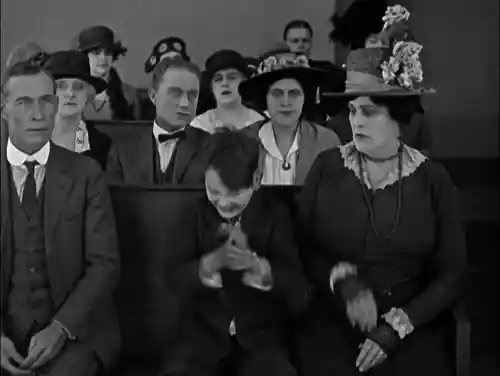
When juxtaposed with Chaplin’s later masterpiece The Missing Links, one observes a thematic through‑line: the exploration of identity under duress. Both films interrogate the masks individuals wear, whether for survival or societal acceptance. Similarly, the moral ambiguity present in Secret Service mirrors the internal conflict of The Pilgrim’s protagonist, albeit in a different genre.
\nEven modern westerns such as Arizona echo the motif of an outsider reshaping a community’s destiny. The lineage of this narrative device can be traced back to Chaplin’s early forays, cementing his influence on the genre’s evolution.
\n\nReleased amidst the burgeoning silent era, The Pilgrim occupies a unique niche. It straddles the line between pure comedy and earnest drama, a duality that foreshadowed Chaplin’s later ventures into socially conscious cinema. The film’s reception at the time was mixed; some critics lauded its daring blend of humor and pathos, while others dismissed it as a “curious oddity.” Over the decades, scholars have reevaluated its significance, recognizing its contribution to the discourse on performative identity.
From a preservation standpoint, the surviving prints of The Pilgrim are remarkably intact, allowing contemporary audiences to experience Chaplin’s original vision. Restoration efforts have highlighted the film’s crisp intertitles, which employ a typeface reminiscent of early 20th‑century ecclesiastical scripts, further immersing viewers in the period.
\n\nThe set design, credited to the collaborative team behind Neat But Not Gaudy, showcases an economy of resources that nonetheless achieves atmospheric depth. The church’s wooden beams, the weathered storefronts, and the dusty main street coalesce into a believable microcosm of early Texan life. The musical accompaniment, though not part of the original silent presentation, has been re‑scored by modern composers who employ a blend of folk motifs and subtle piano underscoring, echoing the film’s tonal dichotomy.
\n\nModern viewers, accustomed to rapid narrative cuts and high‑definition visuals, may initially find the pacing of The Pilgrim deliberate. However, those who attune themselves to Chaplin’s rhythmic storytelling discover a cadence that feels almost lyrical. The film’s humor, rooted in physicality rather than dialogue, transcends linguistic barriers, making it accessible to a global audience.
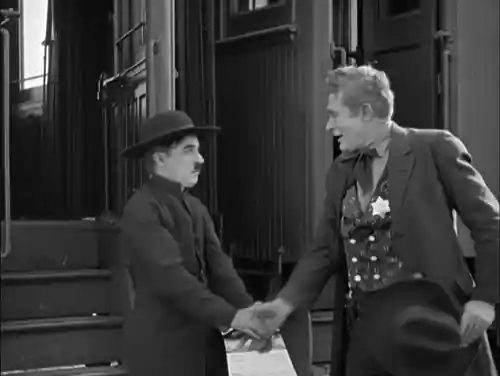
Critics on contemporary platforms often highlight the film’s relevance to discussions of imposture in the digital age. The convict’s manipulation of perception mirrors today’s curated online personas, granting the film an unexpected resonance with 21st‑century sensibilities.
\n\nIn summation, The Pilgrim stands as a testament to Chaplin’s ability to fuse comedy with profound existential inquiry. Its layered narrative, robust performances, and meticulous direction coalesce into a work that rewards both casual viewers and scholarly analysis. The film invites contemplation on the nature of redemption, the power of communal belief, and the fragile scaffolding upon which identity is constructed.
\nFor cinephiles seeking a silent era gem that balances levity with gravitas, The Pilgrim offers a richly textured experience. Its influence ripples through subsequent cinematic explorations of masquerade and morality, cementing its place in the annals of film history.
IMDb —
1916
Community
Log in to comment.