DbcultAccessing Vault...
5.4/10
Senior Film Conservator
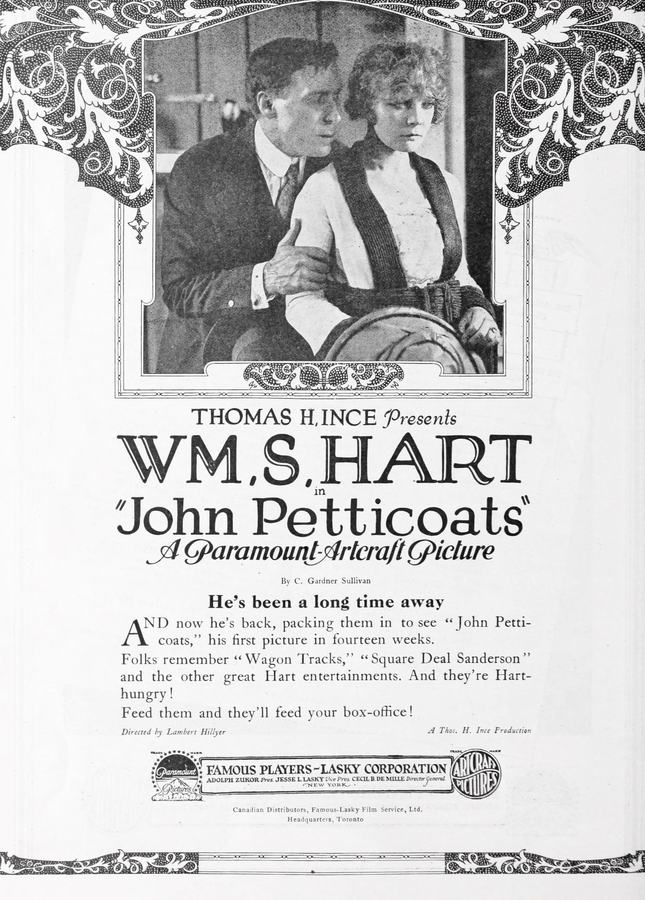
A definitive 5.4/10 rating for a film that redefined the boundaries of cult cinema. John Petticoats remains a cornerstone of transgressive art.
Cinema often finds profundity in paradox, and few premises embody this better than John Petticoats. Director William S. Hart—better known for his stoic westerns—here crafts a subversive comedy where virile masculinity collides with delicate undergarments. Andrew Arbuckle’s Hardwood Haynes strides onto screen like a Paul Bunyan archetype: beard crusted with wilderness, shoulders straining against flannel, voice booming through the foggy Northwest. His introductory sequence, felling a redwood in rhythmic symphony with fellow loggers, establishes a world governed by physical supremacy. Yet Sullivan’s script immediately undermines this bravado through epistolary intervention—a lawyer’s letter dissolves Hardwood’s dominion, propelling him into the alien decadence of 1920s New Orleans.
Hart’s genius manifests in spatial contrast. The logging camp sequences utilize vertiginous angles, emphasizing trees that dwarf humanity—nature as cathedral. New Orleans, however, traps Hardwood in claustrophobic interiors: the shop’s suffocating velvet drapes, dressing rooms lined with mirrors reflecting his discomfort, and sidewalks teeming with fashionably suffocating crowds. Cinematographer Joseph August shoots the city through hazy filters, heat waves shimmering like ghosts off cobblestones. When Hardwood first enters his inherited boutique, the camera adopts his disoriented POV: frills blur into abstract threats, whalebone corsets resemble predatory skeletons, and giggling customers morph into judgmental harpies. Production designer Stephen Goosson layers the space with textural aggression—silks that whisper mockery, lace that scratches like thorns, satin ribbons that seem to coil around Hardwood’s ankles.
Winifred Westover’s Celeste Dubois functions as both foil and translator of this feminine-coded realm. Her performance avoids caricature; observant eyes track Hardwood’s blunders with amused pity rather than contempt. Notice how her posture shifts when explaining garment construction—shoulders squaring with professional pride as she details gussets and flounces. Their dynamic evokes screwball antagonism, yet Westover injects melancholy when revealing her wartime widowhood: "Every petticoat here holds up more than skirts, Monsieur Haynes. They hold up dignity." This moment crystallizes the film’s thesis: what Hardwood perceives as frippery constitutes armor against societal collapse.
The middle act transcends fish-out-of-water clichés through Hardwood’s unintentional radicalism. Desperate to impose order, he applies logging principles to lingerie: categorizing petticoats by "load-bearing capacity," demanding "inventory clear-cuts," and evaluating lace like timber grain. Arbuckle’s physical comedy shines when measuring corsets with his axe handle or attempting to model a negligee over his work clothes. Yet beneath the slapstick lies potent gender commentary. By treating feminine attire with pragmatic reverence, Hardwood inadvertently validates its complexity—a notion crystallized when he lectures society ladies on "structural integrity" during a fitting. Ethel Shannon’s Eleanor Vance recognizes this first; her aristocratic frost melts upon witnessing his tender mending of a torn chiffon hem. "You handle needle like it’s a... weapon?" she inquires. "Ma’am," he grunts, "where I’m from, everything’s a weapon if you hold it right."
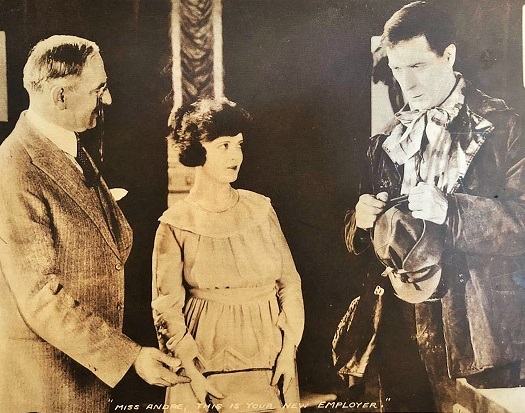
Parallels emerge with Meg o' the Mountains—another frontier figure disrupting urban sensibilities—but John Petticoats distinguishes itself through commodity critique. When villainous competitor Leclerc (a deliciously oleaginous George Webb) attempts sabotage, Hardwood retaliates not with fists but commerce. He transforms the shop window into Dadaist spectacle: petticoats displayed on crossed oars, mannequins posed as logrollers, and a central tableau where crinolines cascade like waterfall mist. This aesthetic rebellion attracts bohemian clients while horrifying traditionalists—a clever metaphor for artistic innovation versus bourgeois expectation. The sequence anticipates surrealist retail displays decades ahead of its time, echoing the visual audacity of The Fall of Babylon but applied to domestic satire.
Without dialogue, props shoulder narrative weight. Hardwood’s axe remains omnipresent—first as tool, then as umbrella stand in the shop, finally as accidental sculpture when draped with silk samples. Its evolving placement charts his reluctant adaptation. Similarly, petticoats transform from emblems of emasculation into vessels of connection. When Celeste gifts Hardwood a handkerchief edged with Alençon lace—"to wipe sawdust from your eyes"—he tucks it inside his denim shirt, directly over his heart. The gesture’s intimacy surpasses any romantic clinch. Costume designer Howard Greer weaponizes textiles for characterization. Eleanor’s initial outfits feature rigid brocades, imprisoning her in grief, while her later scenes showcase flowing tea gowns that mirror emotional thawing. Hardwood’s gradual sartorial assimilation peaks not in suits but in hybrid attire: work boots paired with tailored trousers, suspenders contrasting with crisp linen shirts.
Hart’s background in westerns permeates the climax. Leclerc’s attempted takeover mirrors land grabs in The Heights of Hazard, resolved here through wit rather than Winchester. Hardwood organizes seamstresses into "battalion formation," deploys feather dusters like cavalry sabers, and turns a fabric-cutting table into a negotiation fort. The showdown culminates not in violence but in Leclerc tangled in bolt of tulle—a literal ensnarement by feminized material. This resolution critiques toxic entrepreneurship, suggesting true strength lies in collaborative ingenuity. Unlike The Craving where ambition destroys, John Petticoats posits commerce as communal artistry.
Andrew Arbuckle’s performance deserves reassessment beyond comedic archetypes. Watch how his body language contracts upon entering New Orleans—shoulders curling inward as if shielding against sensory assault. His trademark bellow diminishes to confused mutters when addressing customers. Physicality reveals vulnerability: fingers fumbling with delicate fabrics tremble not from clumsiness but awe. A masterclass occurs when Hardwood overhears society women mocking him. Arbuckle’s face undergoes seismic shifts—anger tightening his jaw, shame lowering his eyelids, resolve squaring his chin—all within 20 seconds. His chemistry with Westover thrives on unspoken negotiations; their hands nearly touch while folding satin, retreating as if scorched. This restraint makes their eventual partnership—platonic yet profound—resonate.
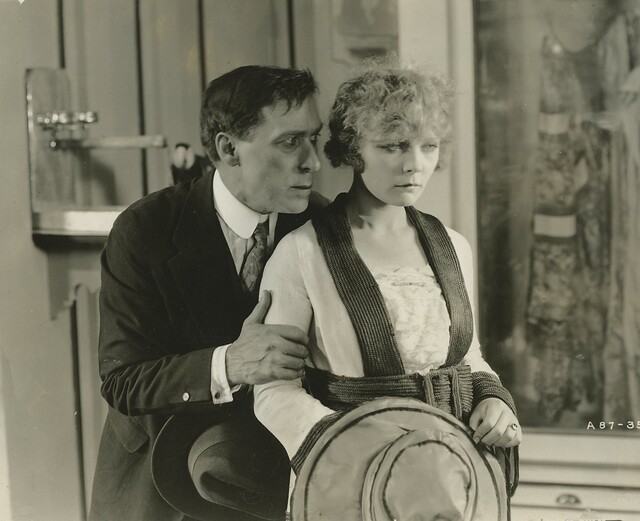
Ethel Shannon’s Eleanor could’ve been a one-note society drone. Instead, she layers brittle elegance with haunting sorrow. Observe her first appearance: adjusting gloves with mechanical precision while gazing at widows’ weeds in a funeral parlor window. Shannon telegraphs survivor’s guilt through posture alone—spine rigid against grief’s weight. Her transformation isn’t romance-driven but self-actualization through commerce. When she confronts Leclerc, declaring "This shop preserves beauty in an ugly world," Shannon delivers the line like a manifesto. Supporting players shimmer: Walt Whitman (no, not that one) steals scenes as a senile button salesman convinced Hardwood is his deceased son, while William S. Hart appears briefly as a lumberjack whose bewildered "Good luck, boss!" at the train station becomes poignant foreshadowing.
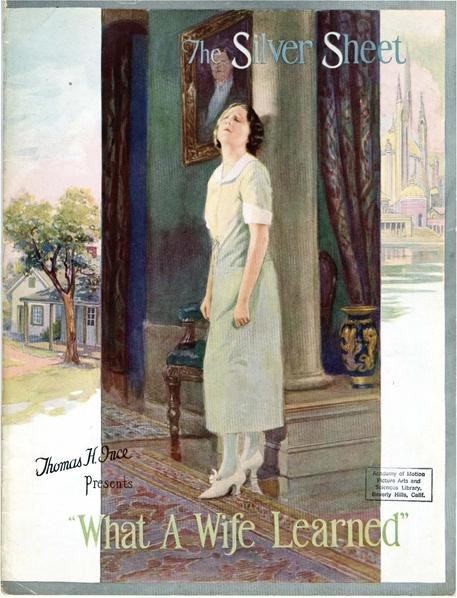
Released amidst 1920s debates about "masculinity in crisis" post-WWI, John Petticoats quietly subverts patriarchal norms. Hardwood’s journey from contempt to reverence for "women’s work" advocates for emotional dexterity over brute strength—radical for its era. The film converses intriguingly with European counterparts; its exploration of inherited identity echoes L'orgoglio, while the shop-as-microcosm recalls the haberdashery intrigues of Hans hustrus förflutna. Yet Sullivan’s script remains distinctly American in its optimism about reinvention.
Contemporary viewers will note prescient themes: artisanal craftsmanship versus industrialization (Leclerc represents factory production), gender performance as theater, and immigrant resilience embodied by Celeste’s Creole-French heritage. The petticoat emporium functions as predecessor to modern third spaces—part commerce, part community hub, part sanctuary. Unlike the nihilism staining Die liebe der Bajadere, this film champions adaptability as survival. Its legacy surfaces in works as diverse as Mrs. Doubtfire (gender disguise as connection tool) and Paddington 2 (community defending small businesses).
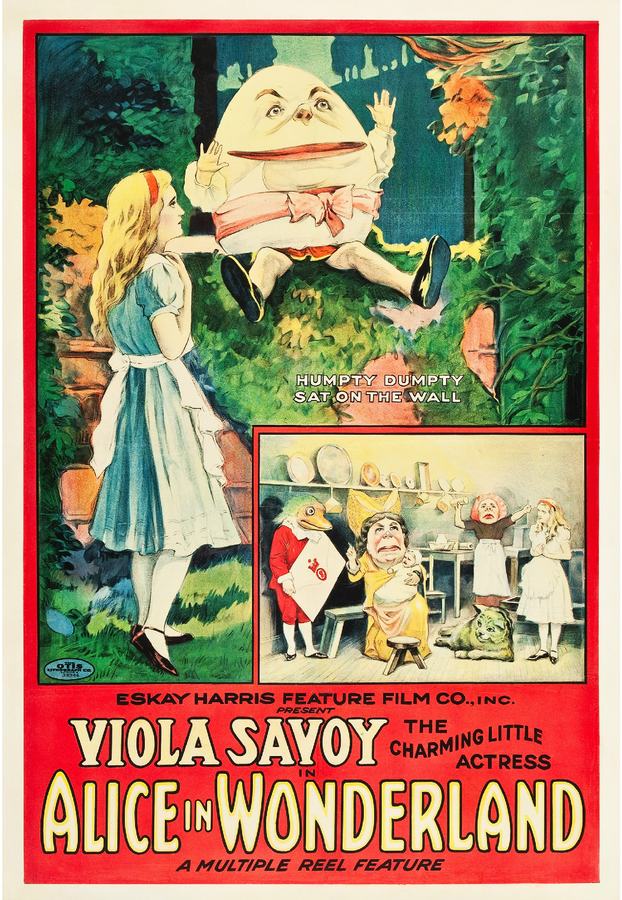
Ninety minutes could’ve easily succumbed to predictable farce. What elevates John Petticoats is its unwavering empathy. Hardwood’s evolution avoids saccharine epiphanies; he remains endearingly gruff, merely adding new tools to his emotional toolkit. The final scene sees him teaching loggers to darn socks—"A man’s gotta mend what he can"—while a crate of New Orleans lace rests beside his bunk. Neither world conquers the other; they integrate. This nuanced resolution outshines moral simplism in Was She Justified? or The Truth About Helen.
Technically, the film suffers from typical 1920s limitations—some overly theatrical gestures, occasional pacing lags—but these flaws add archival charm. Restoration issues plague existing prints, muddying Greer’s exquisite textile close-ups. Still, Hart directs with earthy lyricism: rain-soaked streets reflect gaslight like liquid topaz, and a montage of hands—calloused lumberjack palms, seamstress fingers darting like hummingbirds, Eleanor’s gloved gestures—becomes visual poetry about labor’s universality.
John Petticoats endures not as relic but revelation. In its stitches and sawdust, we find a timeless argument: true strength isn’t domination but the courage to be transformed by the unfamiliar. Every frill Hardwood reluctantly touches becomes thread in a richer human tapestry. As Celeste quips while watching him charm customers: "Mon Dieu, he irons prejudices smoother than silk." In our polarized era, such alchemy feels less like comedy than vital instruction.
IMDb 5
1931
Community
Log in to comment.