Summary
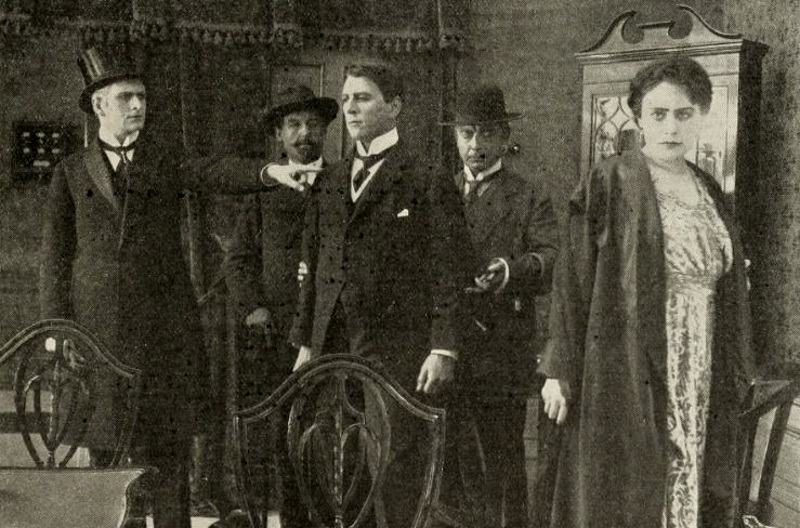
In *Was She Justified?*, Albert Varner weaves a tapestry of aristocratic disillusionment and moral ambiguity, charting the tragic arc of Count Von Teyn, a cavalry officer whose life unravels amid societal expectations and personal despair. His marriage to Lydia, initially a union of romantic idealism, fractures when Lydia discovers her husband’s correspondence with Phoebe, a celebrated equestrienne. The ensuing jealousy propels Lydia into a tempest of emotional recklessness, culminating in her tragic complicity in the Count’s suicide. Varner’s narrative pivots from romantic entanglements to a harrowing courtroom drama, interrogating the boundaries between duty and complicity. The film’s climax—Lydia’s acquittal—serves as a stark commentary on the fragility of judgment, juxtaposing public condemnation with private redemption. Through stark visual contrasts and psychological nuance, *Was She Justified?* emerges as a haunting exploration of love’s corrosive potential and society’s fraught relationship with moral authority.
Synopsis
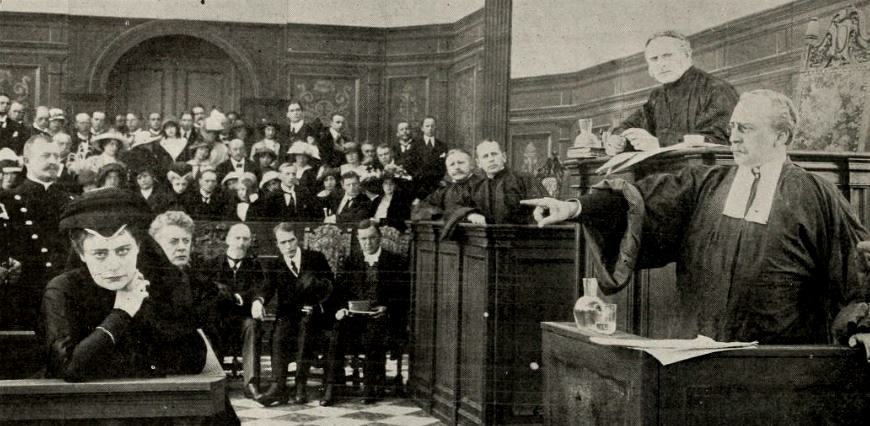
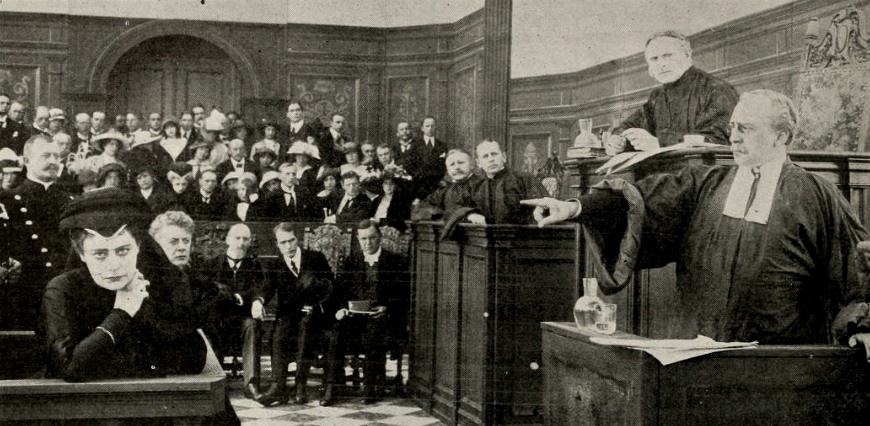
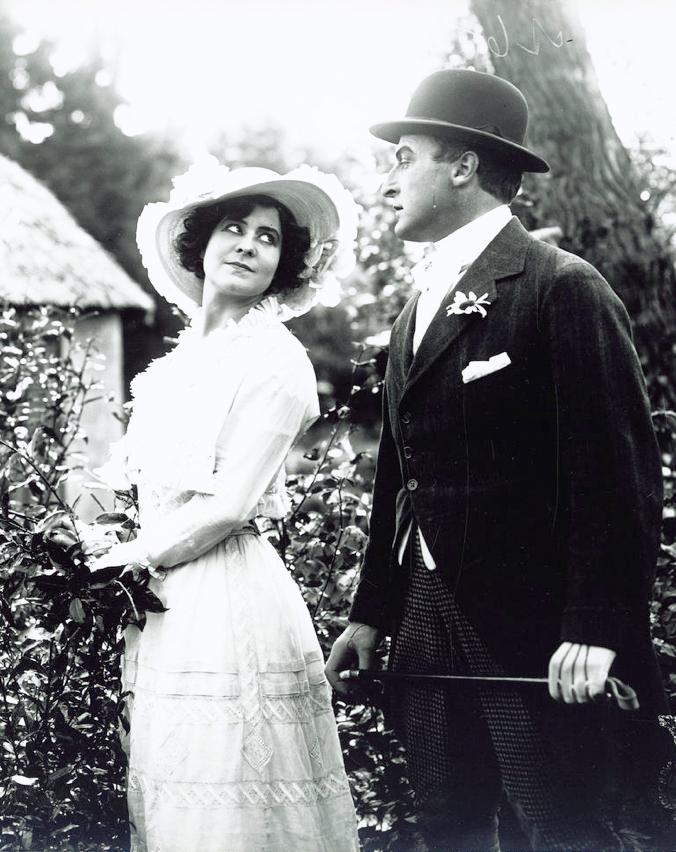
Count Von Teyn is a young officer in a cavalry regiment, and after a romantic courtship and marriage he unwittingly subscribes to a fund for the benefit of Miss Phoebe, a professional equestrienne. The latter thanks the Count by letter and asks that she be permitted to thank him in person. The letter falls into the hands of his wife, Lydia, and she witnesses the meeting and returns to her parents in a jealous rage. The Count later begs for forgiveness and a reconciliation follows. In a race for the King's cup, Count Von Teyn is one of the principal riders and Lydia, in company with her millionaire father, Peter Romford, and many other notables, occupy box seats in the grandstand. During the steeplechase, Count Von Teyn is thrown from his mount and injured. The family physician calls in consultation two eminent specialists and they agree that the young nobleman has suffered injuries which will cause him to be a cripple for life. Lydia bears this news with fortitude, and resolves to devote the remainder of her life to the care of her husband. The latter suffers intense agony and on one occasion attempts to gain possession of a revolver belonging to a brother officer, who is paying him a visit. Failing in this attempt to end his life, the Count implores his wife to furnish him with the means of self-destruction. As well as his helpless state will permit, he pictures the agonies which foe must suffer until death brings relief and Lydia finally succumbs to his pleading and furnishes the medium. It is now her turn to bear the unspeakable suffering which possesses her at the mere thought of her act. The authorities charge her with the murder of her husband and she is placed on trial. She pleads her innocence after a scathing denunciation at the hands of the public prosecutor. The summing up of the judges is prolonged, but in the end, Lydia is acquitted and leaves the courtroom surrounded by her parents and friends.
Review Excerpt
"Was She Justified? is a film that lingers in the memory like a shadow cast by a flickering gaslight. Directed by Albert Varner, this 1920s silent drama unfolds with a deliberateness that mirrors the inner turmoil of its characters, each frame steeped in the somber hues of moral inquiry. The narrative, though rooted in the conventions of melodrama, transcends its genre through its unflinching examination of human fallibility and the societal pressures that shape individual choices.Count Von Teyn,..."