DbcultAccessing Vault...
6/10
Senior Film Conservator
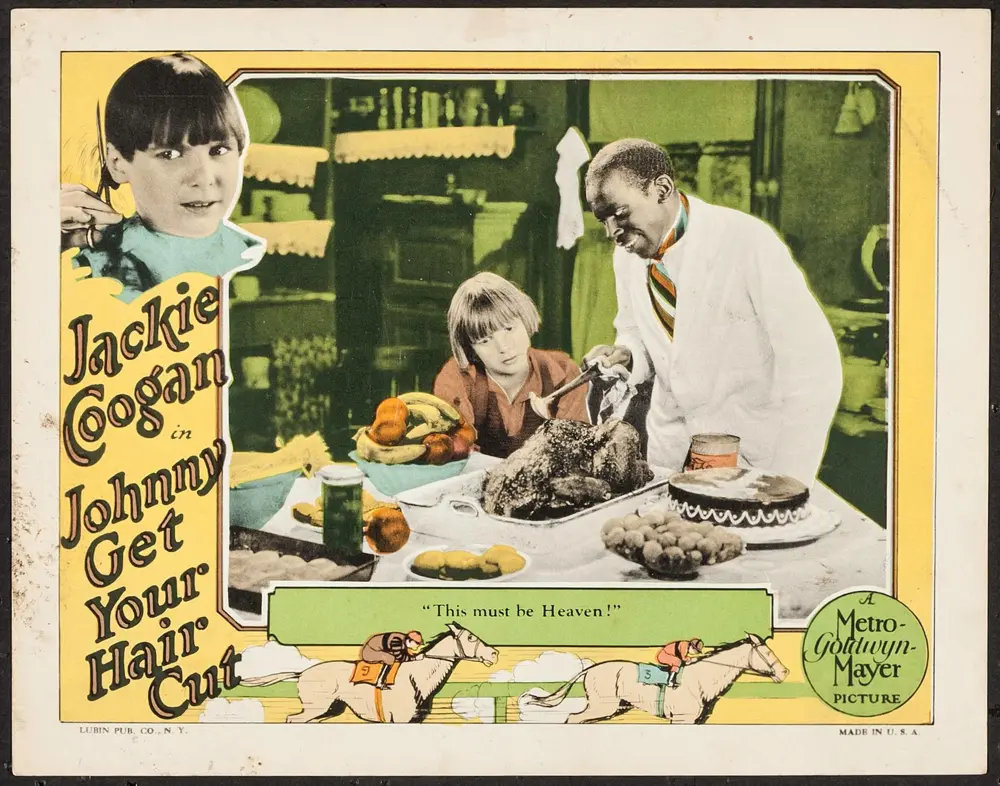
A definitive 6/10 rating for a film that redefined the boundaries of cult cinema. Johnny Get Your Hair Cut remains a cornerstone of transgressive art.
Is Johnny Get Your Hair Cut a silent film worth seeking out in the modern era? Short answer: yes, but with significant caveats that depend entirely on your viewing appetite. This earnest tale of an orphan and his equine ambition offers a charming, albeit often simplistic, window into early 20th-century storytelling, making it a peculiar delight for silent film aficionados and those with a deep appreciation for the foundational narratives of cinema.
However, it will undoubtedly test the patience of viewers accustomed to contemporary pacing and complex character arcs, proving less accessible for the casual modern audience seeking immediate gratification or intricate narrative layers.
This film works because: Its central emotional core – the unwavering bond between a lonely orphan, his kindly benefactor, and a majestic racehorse – is genuinely heartwarming and universal, tapping into primal feelings of belonging and purpose. It understands the power of simple, visual storytelling to convey profound sentiment.
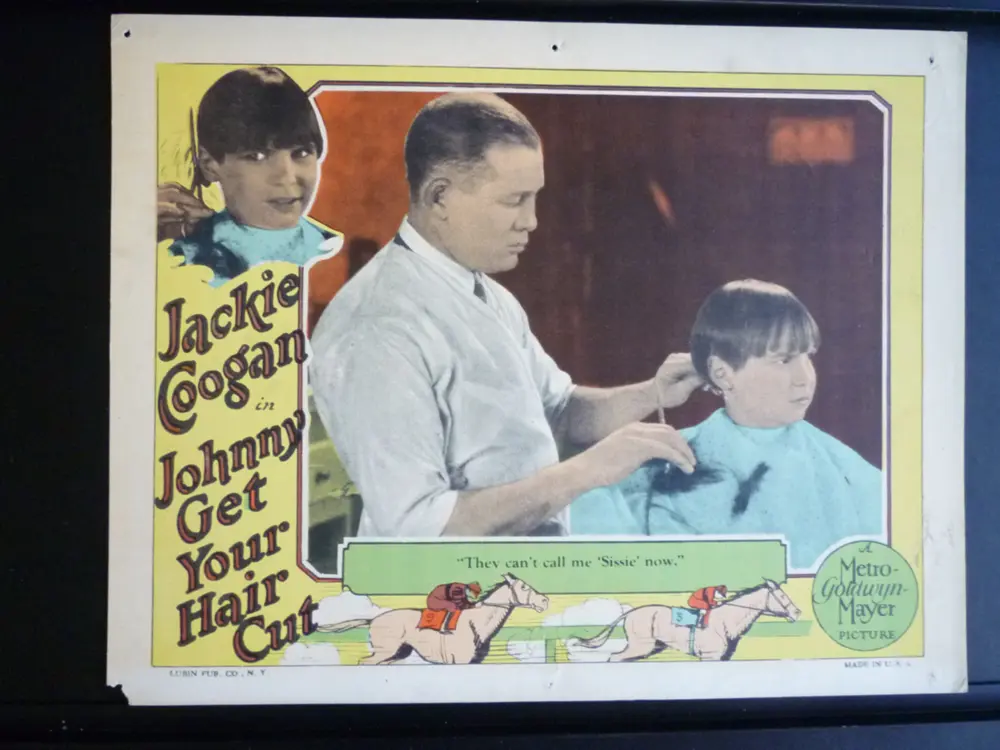
This film fails because: Its narrative progression is often predictable, and its reliance on sentimentality occasionally borders on saccharine, lacking the nuanced character development seen in more sophisticated silent dramas. The plot, while sweet, rarely ventures beyond expected beats.
You should watch it if: You are a dedicated student of early cinema, appreciate the raw, unadorned emotionality of silent-era storytelling, or have a particular fondness for underdog sports narratives and tales of animal companionship. It’s a historical curiosity with a kind heart.
At its core, Johnny Get Your Hair Cut is a vehicle for sentiment, and it drives that vehicle with a surprising earnestness. The narrative, as simple as it is, benefits immensely from the presence of Jackie Coogan. Coogan, already a seasoned child actor by this point, brings a palpable vulnerability and determined spirit to the unnamed orphan. His wide eyes and expressive face are masterclasses in silent film acting, conveying volumes without a single intertitle. You believe his loneliness, and crucially, you believe his fierce gratitude.
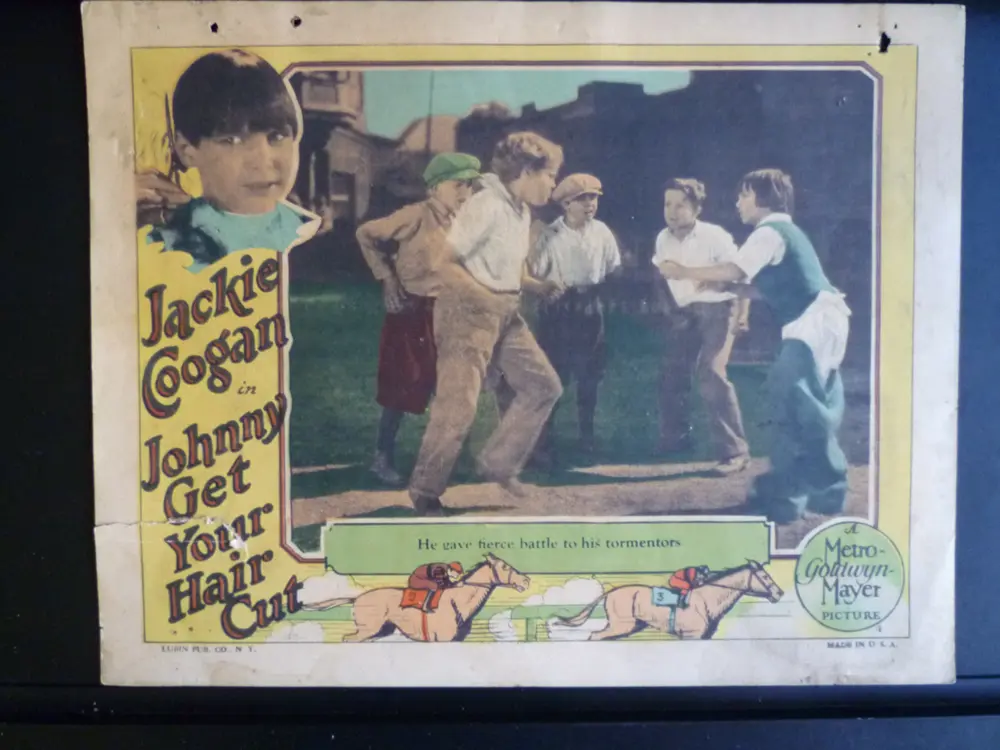
The relationship between Coogan's character and Maurice Costello's kindly old racehorse owner is the film's undeniable anchor. Costello, a veteran of the screen, embodies the gentle benevolence needed for the role. He doesn't just adopt the boy; he adopts the audience's heart. Their interactions, often wordless, speak of a profound connection – a silent pact of mutual respect and affection. One particularly effective scene shows the owner patiently teaching the boy how to groom the horse, not just as a chore, but as an act of bonding. The camera lingers on their hands, then on their shared gaze at the animal, cementing their nascent family unit.
However, this heartfelt core sometimes feels underserved by the surrounding elements. The supporting cast, including Knute Erickson and Mattie Witting, are largely functional, serving as archetypes rather than fully fleshed-out characters. They exist to push the plot forward or provide obstacles, rather than to deepen the film's emotional texture. This isn't necessarily a flaw for a film of its era, but it does limit the overall impact compared to, say, the more complex ensemble dynamics found in a film like Tol'able David, which explored community and family with richer nuance.
The direction, likely a collaborative effort given the era’s production methods, prioritizes clarity and emotional impact over stylistic flourishes. The camera work is straightforward, focusing on faces and actions to convey meaning. The racing sequences, while perhaps not as dynamic as later cinematic endeavors, are effective. There’s a commendable effort to build tension through cross-cutting between the race and the anxious onlookers, a technique that was still evolving in silent cinema.
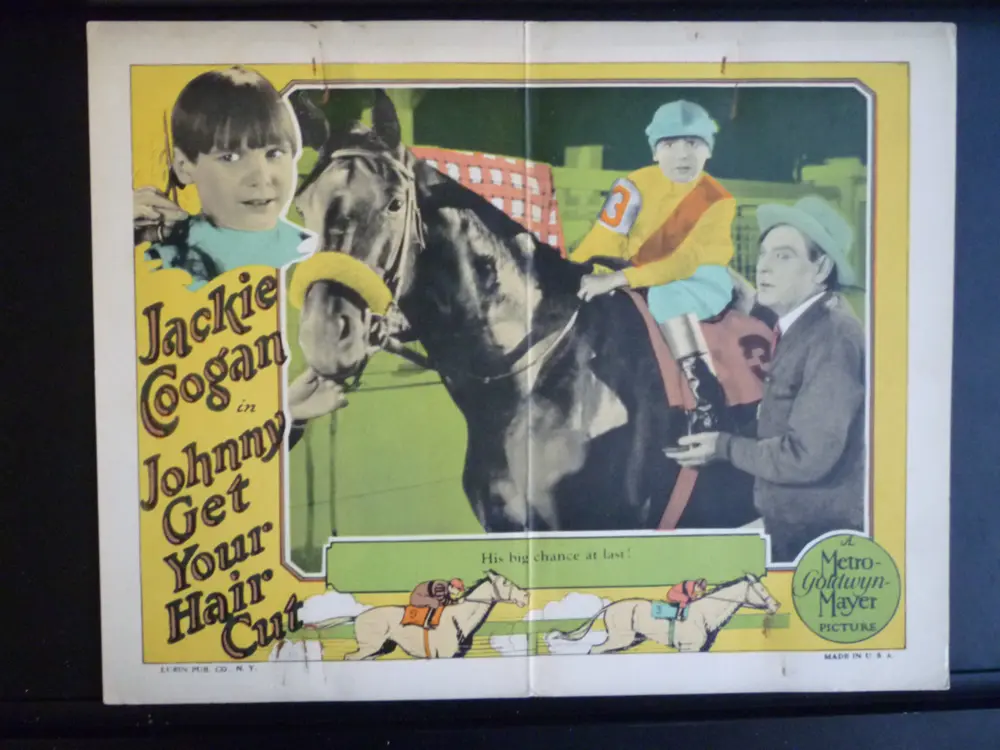
Pacing is where Johnny Get Your Hair Cut can be a challenging watch for modern audiences. The film takes its time establishing the orphan’s initial plight and the gradual blossoming of his new life. There are moments that feel protracted, particularly in the lead-up to the climactic race. This deliberate pace, common in early silent films, requires a certain level of patience and an appreciation for a storytelling rhythm that prioritizes emotional resonance over brisk progression. It’s a stark contrast to the rapid-fire editing and constant stimulation of contemporary blockbusters.
The tone is overwhelmingly sentimental, leaning heavily into themes of perseverance, loyalty, and the redemptive power of kindness. It's a feel-good film, designed to evoke tears and cheers in equal measure. While this can be incredibly effective, there are instances where the emotional manipulation feels a touch overt, almost demanding a reaction rather than subtly earning it. For example, the repeated close-ups of the orphan's tear-filled eyes, while effective initially, begin to lose their impact through repetition. It misses the subtle, heartbreaking power of films like The Vamp, which used emotional cues with more restraint.
One surprising observation is the subtle commentary on social welfare of the time. The film romanticizes the idea of individual benevolence as a solution to systemic issues like orphanhood, rather than exploring the broader societal structures. It's a comforting fantasy, perhaps necessary for its audience, but one that feels somewhat simplistic when viewed through a modern lens. The narrative avoids any real grit or hardship, even for an orphan, beyond his initial state of being unhoused.
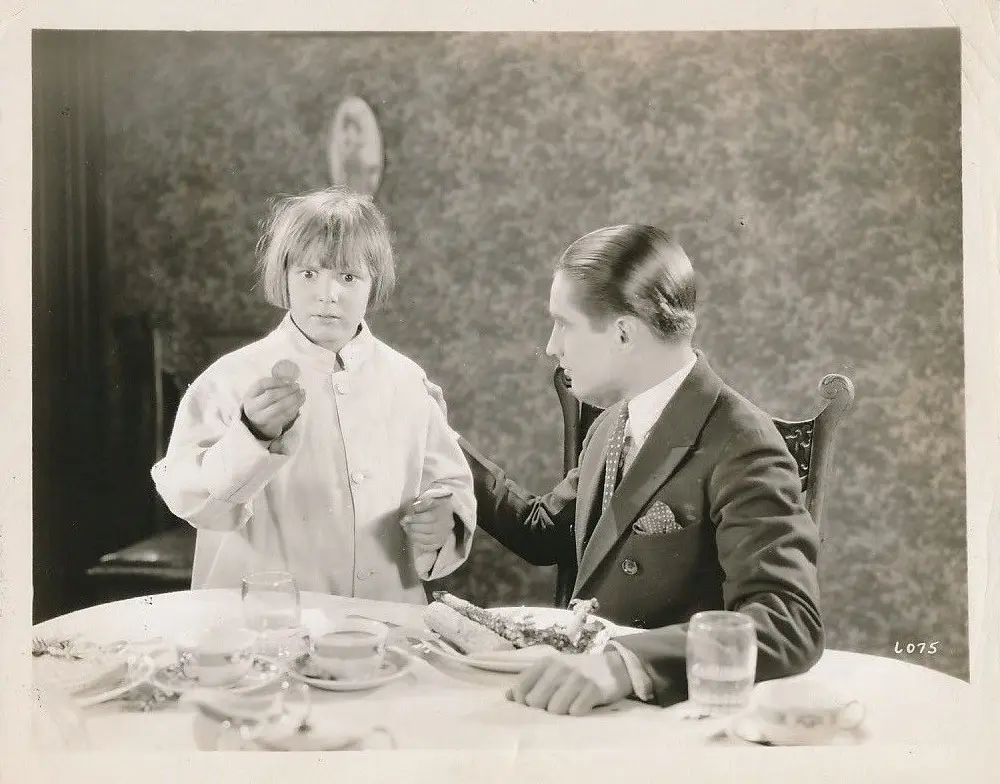
Yes, Johnny Get Your Hair Cut is worth watching today, especially for those interested in the evolution of cinema and the charming simplicity of early silent films. It offers a clear example of how emotional storytelling was conveyed without dialogue. The film's enduring appeal lies in its wholesome narrative and the standout performance of Jackie Coogan. It's a valuable historical artifact and a genuinely heartwarming experience.
However, approach it with the right mindset. Expect a slower pace and a more overt emotionality than modern films. It’s not a film that will challenge your intellect with complex themes. Instead, it aims squarely for the heart, and largely succeeds in its modest ambition.
Let's dissect what makes Johnny Get Your Hair Cut tick, and where its gears grind a little.
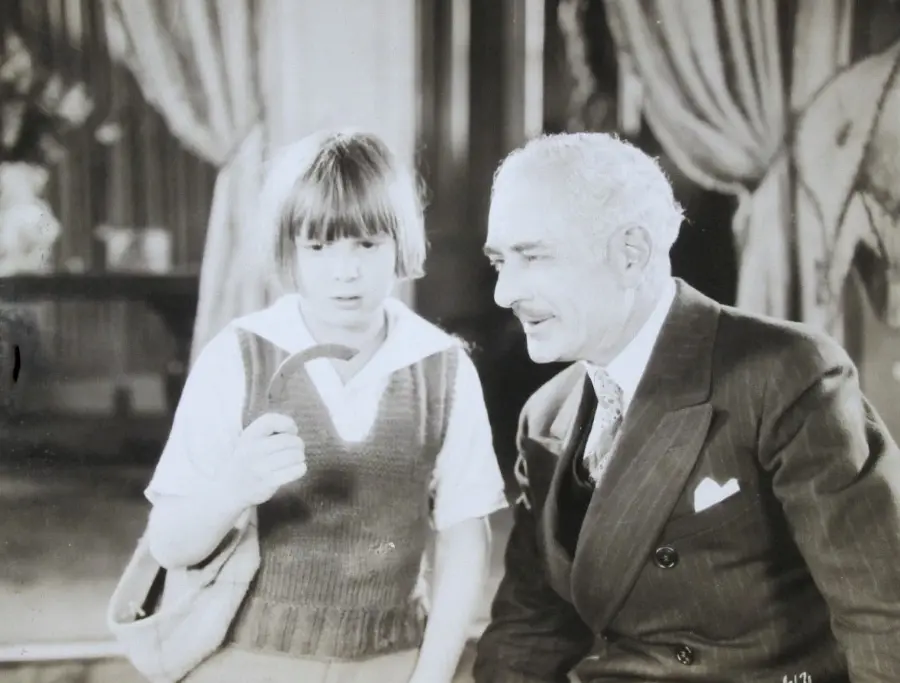
Johnny Get Your Hair Cut is a film of its time, a charming if somewhat predictable narrative that serves as a testament to the power of simple, heartfelt storytelling in the silent era. It works. But it’s flawed.
It’s not a lost masterpiece that will redefine your understanding of cinema. Far from it. What it is, however, is a sweet, earnest piece of filmmaking that deserves a quiet viewing. Jackie Coogan's performance alone makes it a worthwhile endeavor for anyone with a passing interest in silent movies. He is the beating heart of this film, radiating both innocence and fierce determination.
While its pacing can be a test of endurance for modern sensibilities, and its emotional beats are sometimes laid on thick, the core message of gratitude, ambition, and the unexpected bonds that form a family remains potent. It's a film that asks for patience and rewards it with a genuine, if unchallenging, emotional experience. Don't expect the gritty realism of Underworld or the daring social commentary of Forbidden Fruit. Instead, settle in for a gentle, heartwarming ride. It’s a relic, yes, but one with a soul. And sometimes, that’s exactly what you need.
IMDb —
1921
Community
Log in to comment.