DbcultAccessing Vault...
Cult Review
Senior Film Conservator
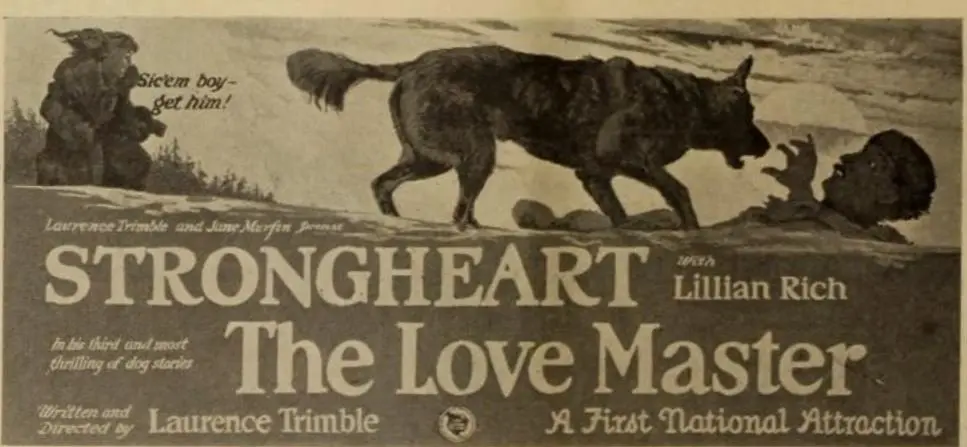
Stepping back into the cinematic past, particularly to the era of silent films, often feels like unearthing a forgotten treasure map. Each frame, each intertitle, is a clue to a storytelling sensibility that, while different, resonates with timeless human (and, in this case, canine) experiences. 'The Love Master,' a 1924 production featuring the inimitable Strongheart the Dog, is precisely one such artifact, a poignant blend of adventure, romance, and moral introspection set against the unforgiving backdrop of the Canadian wilderness. It’s a film that asks us to consider the profound implications of a single, impulsive act and the winding road to redemption, all while showcasing the unparalleled charisma of its four-legged star.
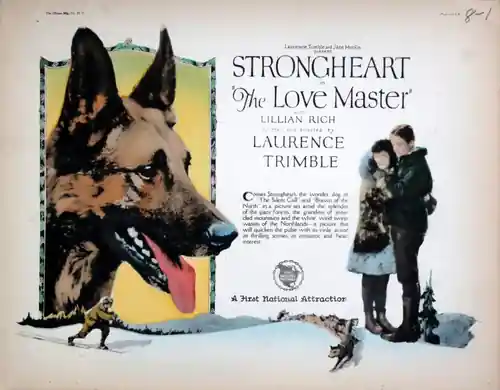
The narrative of 'The Love Master' is initiated by a moment of visceral human conflict. David, portrayed with a compelling blend of desperation and burgeoning conscience by Joseph Barrell, finds himself in a calamitous altercation with the owner of Strongheart. In the heat of the moment, a life is seemingly taken, sending David into a panicked flight. This isn't merely a tale of crime and escape; it's a profound exploration of unintended consequences and the psychological burden of guilt. David's decision to abscond, taking Strongheart with him, is born of fear, yet it unwittingly sets the stage for a transformative odyssey. The wilderness, often depicted as a place of raw survival, here becomes a canvas for moral reckoning. It's a striking opening, immediately drawing the viewer into a high-stakes drama where the lines between right and wrong are blurred by circumstance and the primal instinct for self-preservation. This initial sequence, though brief, carries an immense emotional weight, establishing the complex foundation upon which the entire story is built. The film wastes no time in plunging its protagonist into a crucible of his own making, a testament to the efficient, impactful storytelling characteristic of the era. The very act of taking Strongheart, initially a byproduct of the chaotic escape, soon evolves into a symbiotic relationship that defines David's journey. Rather than a mere plot device, Strongheart becomes a silent witness, a constant reminder of David's past, and paradoxically, a beacon for his future.
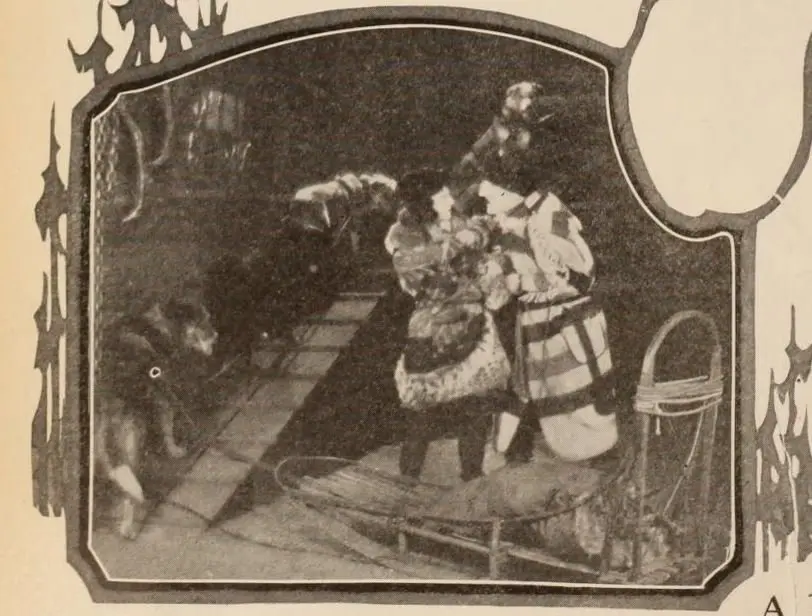
It is impossible to discuss 'The Love Master' without dedicating significant attention to its true luminary: Strongheart the Dog. This magnificent German Shepherd isn't just a supporting character; he is the emotional core, the narrative anchor, and an actor of astonishing capability. His presence elevates the film from a simple melodrama to a profound meditation on the human-animal bond. Strongheart's ability to convey loyalty, intelligence, and even a certain melancholic understanding through his gaze and actions is nothing short of remarkable. His performance transcends mere animal training; it suggests an innate connection to the story and its emotional beats. When David flees, Strongheart's steadfast companionship is not just a convenience; it's a silent testament to unwavering devotion, a stark contrast to David's own internal turmoil. The film masterfully leverages Strongheart's natural instincts and trained responses to advance the plot, particularly when he embarks on his own journey to find a mate, returning with 'The Fawn.' This subplot, far from being a distraction, mirrors David's own quest for connection and purpose, adding layers of thematic resonance. Strongheart's actions, whether protecting David, guiding him, or simply offering a comforting presence, are consistently believable and deeply moving. His screen presence rivals, and often surpasses, that of his human co-stars, a common phenomenon in films of this period that featured prominent animal actors, much like the compelling animal performances seen in Dog-Gone Tough Luck or even the more dramatic Blind Justice, where an animal's role can become pivotal to the central conflict or resolution. The film's title, 'The Love Master,' arguably refers as much to Strongheart's capacity for unconditional love and loyalty as it does to any human romance. His unwavering spirit in the face of adversity, particularly during David's illness, is depicted with an affecting sincerity that pulls at the heartstrings, cementing his status as a true silent film icon. The writers, Jane Murfin and Laurence Trimble, clearly understood the power of Strongheart's appeal, crafting a story that not only featured him but revolved around his pivotal contributions to the emotional landscape.
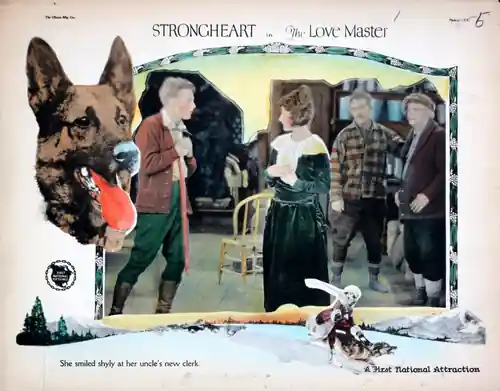
David's arrival at the remote northern settlement marks a shift in the narrative's emotional tenor. The stark isolation of his flight gives way to the burgeoning warmth of human connection, embodied by Sally, the trading post owner's daughter, played by the captivating Lillian Rich. Rich imbues Sally with a spirited resilience, a perfect counterpoint to David's introspective brooding. Their romance isn't one of grand gestures or sweeping declarations, but rather a slow burn, forged in the shared hardships and quiet moments of frontier life. It's a relationship built on mutual respect and a growing understanding, underscored by the rugged environment that surrounds them. The film expertly uses the setting to amplify the emotional stakes of their courtship. The harsh realities of the Canadian wilderness – the cold, the isolation, the constant struggle for survival – serve not as obstacles to their love, but as catalysts, deepening their bond and testing its nascent strength. This pragmatic yet deeply felt romance is a hallmark of many adventure dramas of the era, where character development often intertwines with the challenges of the environment, much like the enduring spirit found in narratives such as The Glory of Youth or even the more urban, yet equally compelling, emotional landscapes of Her Great Match. The chemistry between Barrell and Rich, though conveyed through the expressive pantomime of silent cinema, is palpable, lending authenticity to their connection. Sally's unwavering belief in David, despite his mysterious past, becomes a crucial element of his journey towards self-forgiveness and integration into this new life. Her character is not merely a love interest; she represents the possibility of a future, a tether to a world beyond his self-imposed penance, and her strength becomes a vital pillar when David's own health falters. The subtle interplay of glances, gestures, and the carefully crafted intertitles convey a depth of feeling that transcends the lack of spoken dialogue, a testament to the skill of the actors and the directorial vision.
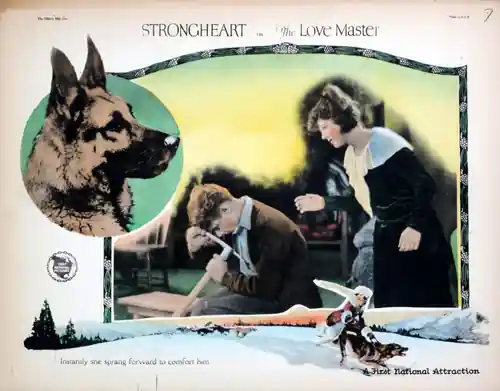
The narrative reaches its dramatic zenith with David's sudden and severe illness. Struck down by pneumonia, he becomes deathly ill, transforming the relatively stable existence he had built into a desperate struggle for survival. This crisis serves as a powerful catalyst, bringing all the film's thematic elements to a head. Strongheart's loyalty is tested beyond measure, as he becomes the unwavering guardian and, in many ways, the hero of this segment. His determination to aid David, to seek help, and to remain steadfastly by his side, forms the emotional backbone of the film's climax. The visual storytelling here is particularly effective, relying on Strongheart's expressive actions and the sheer tension of David's deteriorating condition to convey the gravity of the situation. The silent film medium, with its reliance on visual cues and emotional exaggeration, proves incredibly potent in depicting this life-or-death scenario. The sense of urgency and despair is palpable, heightened by the isolation of their northern locale. The supporting cast, including Hal Wilson, Walter Perry, and Harold Austin, contribute to the sense of a close-knit community grappling with a profound medical emergency, even if their roles are secondary to the central drama involving David, Sally, and Strongheart. The complications that ensue from David's illness are not merely physical; they are existential, forcing everyone involved to confront their limits and the depths of their devotion. It is in these moments of profound vulnerability that the true strength of the bonds forged in the wilderness truly shines. The film expertly builds suspense, making the audience genuinely fear for David's life, and marvel at the selflessness exhibited by Strongheart. This segment is a masterclass in silent film pathos, demonstrating how powerful emotions can be conveyed without a single spoken word, relying instead on the universal language of loyalty, fear, and hope. It’s a testament to the collaborative genius of the writers, Jane Murfin and Laurence Trimble, in crafting such a compelling and emotionally resonant climax.
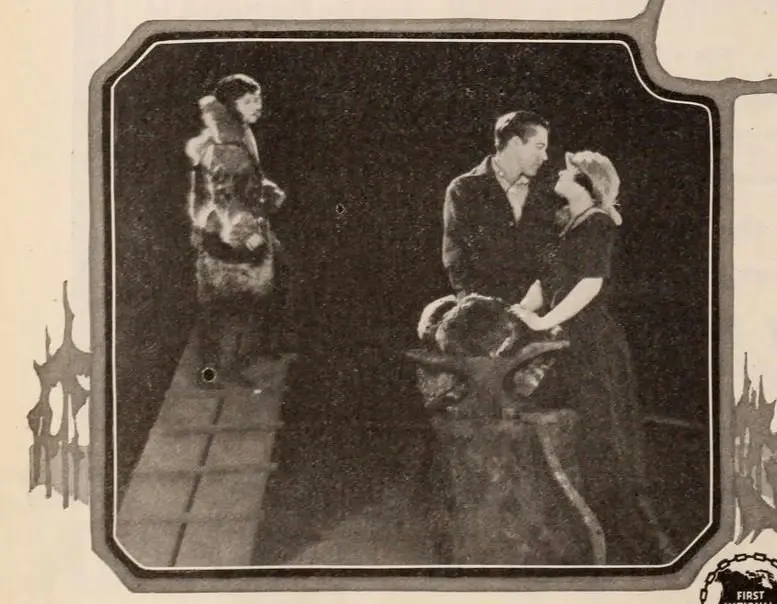
The narrative's robustness is a credit to its writers, Jane Murfin and Laurence Trimble. Trimble, in particular, had a deep understanding of animal actors, having previously worked with other canine stars like Jean, the Vitagraph Dog. His expertise in crafting compelling stories around animal performances is evident in how seamlessly Strongheart is integrated into every aspect of 'The Love Master.' Murfin's contribution likely brought a nuanced understanding of human emotion and relational dynamics to the script, resulting in a story that balances raw adventure with tender romance. The combined talents of these writers forged a storyline that, despite its period trappings, feels remarkably coherent and emotionally resonant. The human cast, including Joseph Barrell, Lillian Rich, Lady Jule, Hal Wilson, Walter Perry, Harold Austin, and Jack Richardson, deliver performances typical of the silent era – expressive, often theatrical, yet deeply felt. Barrell's portrayal of David captures the character's internal conflict and eventual redemption with conviction. Rich's Sally is a beacon of strength and compassion, embodying the resilient spirit of frontier women. The ensemble works cohesively to create a believable world, even with the inherent limitations and stylistic conventions of silent cinema. The film's reliance on visual storytelling, exaggerated gestures, and evocative intertitles requires a different kind of engagement from modern audiences, but it rewards patience with a rich tapestry of emotion and action. The cinematography, while perhaps not groundbreaking for its time, effectively captures the majesty and harshness of the Canadian landscape, using it as an active participant in the unfolding drama. This film stands as a fine example of how silent cinema, even without dialogue, could convey complex narratives and profound emotional arcs, a skill honed in many films of the era, from the dramatic tension of The Clean-Up to the character-driven narratives like A Friend of the People. The seamless integration of Strongheart's performance with that of his human counterparts is a particular highlight, showcasing the collaborative artistry required to make such a film successful.
'The Love Master' taps into a timeless vein of storytelling: the human struggle against and within nature. The Canadian wilderness is not just a backdrop; it is a formidable character in itself, shaping the destinies of David and Strongheart. This enduring fascination with man versus wild, and the profound bonds forged in such environments, continues to resonate today. The film explores themes of survival, loyalty, redemption, and the transformative power of love – both romantic and interspecies – with an earnestness that transcends its silent film origins. It offers a glimpse into a period when cinema was still defining its language, yet already capable of crafting deeply affecting narratives. The choice of setting imbues the film with an immediate sense of grandeur and danger, elements that are universally appealing. The rugged landscapes demand authenticity from its characters, stripping away societal pretenses and revealing their true mettle. This raw, unfiltered portrayal of life in the wild is a common thread in many adventure films, whether they be the dramatic Golden Dreams or the more direct challenges of The Law Rustlers, where the environment is an ever-present force. The film’s ability to weave together a tale of personal guilt, budding romance, and the unwavering devotion of an animal within this challenging environment is what gives it its lasting power. It reminds us that some stories, particularly those about courage, loyalty, and the search for belonging, are truly universal, speaking across generations and technological advancements in filmmaking. The depiction of the natural world, even through the lens of early cinema, carries an evocative power that grounds the more melodramatic elements of the plot in a believable, tangible reality. This connection to nature, both beautiful and brutal, is a significant part of the film's enduring charm and philosophical weight.
'The Love Master' is more than just a historical curiosity; it is a testament to the profound emotional depth and storytelling prowess of silent cinema. It showcases how a well-crafted narrative, compelling performances (especially from its canine star), and evocative settings can combine to create a truly memorable experience. For those willing to immerse themselves in the unique rhythms and visual language of the era, the film offers rich rewards. It’s a reminder that the power of storytelling doesn't rely on spoken words, but on the universal language of emotion, action, and the unspoken bonds that tie us together, whether human or animal. The film’s legacy lies not just in its entertainment value but in its ability to transport us to a different time and place, to engage with characters whose struggles and triumphs feel remarkably contemporary. It’s a film that speaks to the enduring appeal of tales of survival, the complexities of moral choice, and the simple, profound beauty of loyalty. The contributions of writers Jane Murfin and Laurence Trimble, alongside the dedicated cast, particularly Strongheart, coalesce into a compelling piece of cinematic history. This film, like many from its period such as The Painted World or Officer 666 (1920), demonstrates the incredible range and imaginative spirit that defined early filmmaking. It's a journey worth taking, a story that resonates with the core of what makes us human, and what connects us to the animal world. The 'Love Master' is a film that, despite its age, continues to master the art of captivating its audience with its heart and soul, proving that true cinematic magic is indeed timeless.
IMDb —
1918
Community
Log in to comment.