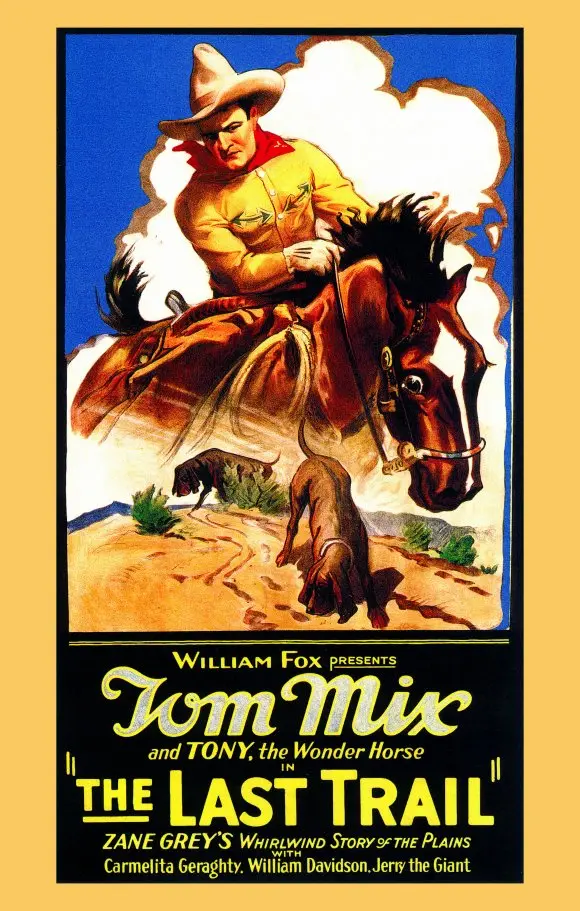
A definitive 6.1/10 rating for a film that redefined the boundaries of cult cinema. The Last Trail remains a cornerstone of transgressive art.
Is The Last Trail (1927) Worth Watching Today?
Does The Last Trail (1927) still hold its dusty charm for today's discerning viewer? The short answer is yes, but with significant caveats that demand a certain appreciation for cinema's nascent years.
This film is absolutely for silent film enthusiasts, Western aficionados curious about the genre’s roots, and anyone fascinated by the foundational work of early Hollywood action stars. It is emphatically not for those who lack patience for intertitles, expect modern pacing, or require complex character development from their cinematic experiences.
This film works because: It showcases the raw, unadulterated charisma and athleticism of Tom Mix, delivering thrilling practical stunts that still impress.
This film fails because: Its narrative simplicity and reliance on melodrama can feel dated, making sustained emotional investment challenging for contemporary viewers.
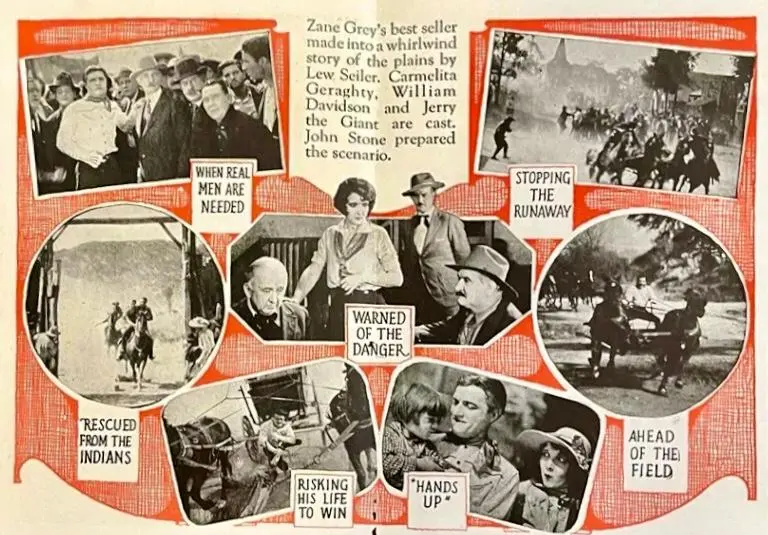
Scene from The Last Trail
Cinematic perspective: Exploring the visual vocabulary of The Last Trail (1927) through its definitive frames.
You should watch it if: You want to witness a pivotal moment in Western film history, appreciate silent-era acting, and enjoy a straightforward tale of good versus evil on horseback.
As a film critic for a premium cinema platform, my role is to unearth value, even in the archives. And The Last Trail, a relic from 1927, starring the legendary Tom Mix, is more than just a historical curiosity; it’s a vibrant, if sometimes quaint, testament to the enduring appeal of the Western genre. It works. But it’s flawed.
A Ride Through Silent Western History
Directed by Lewis Seiler, The Last Trail plunges us into a classic tale of frontier justice. The premise is straightforward: Jasper Carrol's stage line is under siege from persistent robberies, threatening his livelihood. To salvage his business, Carrol stakes everything on a grand stagecoach race, promising the new contract to the winner. This simple setup serves as the canvas for Tom Mix, playing a character aptly named Tom, to ride into action.
Mix quickly uncovers the architect of the stagecoach woes: the formidable Kurt Morley, who employs the brute Cal Barker to do his dirty work. A tense confrontation sees Tom foil Barker’s assassination attempt and extract a confession, confirming Morley’s culpability. The narrative then pivots, transforming the race from a mere competition into a desperate struggle against Morley’s numerically superior forces, with Tom fighting not just for victory, but for justice.
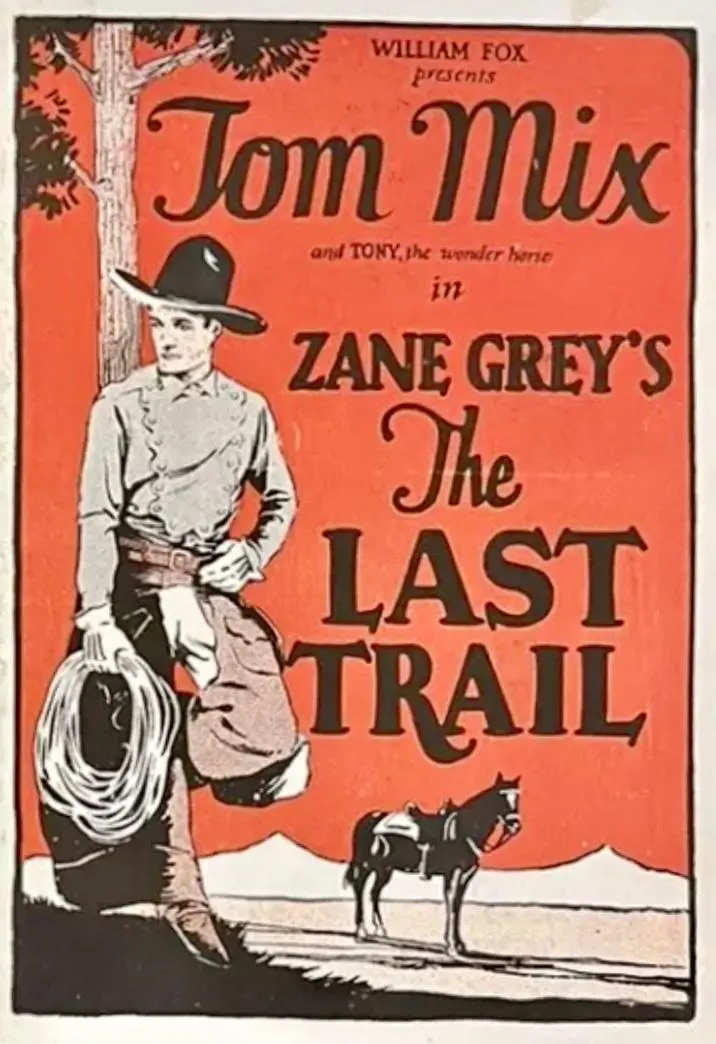
Scene from The Last Trail
Cinematic perspective: Exploring the visual vocabulary of The Last Trail (1927) through its definitive frames.
This is a Western built on archetypes, not ambiguities. The villain is clearly evil, the hero unequivocally good, and the stakes are as clear as the high desert sky. It’s a formula that worked then, and in its purest form, still resonates with a certain nostalgic charm today. The plot, while lacking the intricate twists and turns of modern thrillers, delivers exactly what its audience expected: action, heroism, and a satisfying conclusion.
Tom Mix: The Original Action Star
Tom Mix was, without hyperbole, the original action star. Before the likes of John Wayne, before Clint Eastwood, there was Mix, performing his own breathtaking stunts with a grin and an almost unbelievable agility. In The Last Trail, his presence is the film's undeniable core. His portrayal of Tom is less about nuanced acting and more about physical prowess and a magnetic screen persona.
Consider the scene where he confronts Cal Barker. Mix doesn't rely on dialogue (of which there is, naturally, none) to convey determination; he uses his entire body. His quick draw, the precise way he disarms his opponent, and the subsequent chase sequence are all orchestrated with a balletic grace that belies the inherent danger. This wasn't merely acting; it was a masterclass in physical storytelling.
His partner, Tony the Horse, is equally a star. Tony isn't just a prop; he's an active participant, performing tricks and carrying Mix through perilous sequences with an intelligence that often upstages some of the human supporting cast. Their chemistry is palpable, a testament to the real-life bond between Mix and his equine companion. It’s a relationship that adds an unexpected layer of warmth and wonder to the otherwise straightforward action.
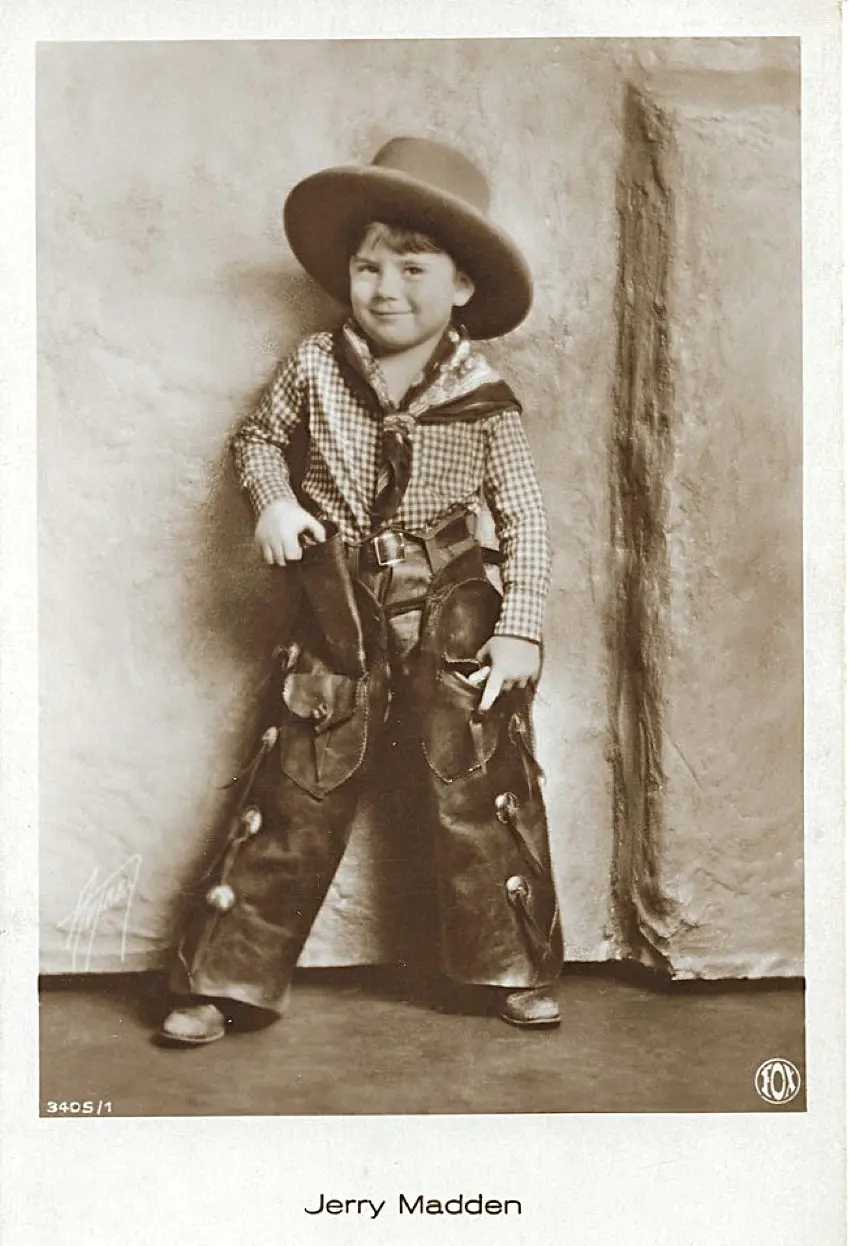
Scene from The Last Trail
Cinematic perspective: Exploring the visual vocabulary of The Last Trail (1927) through its definitive frames.
However, one could argue that Mix’s reliance on physical spectacle, while thrilling, often limited his dramatic range. While he was an unparalleled stuntman, his emotional expressions, though clear, rarely delved into the complex inner turmoil that later Western heroes would embody. He was an icon, yes, but one whose persona was built more on external action than internal conflict. This isn't necessarily a flaw for a silent Western, but it's an observation worth making when assessing his legacy through a modern lens.
Behind the Lens: Directing and Cinematography
Lewis Seiler’s direction in The Last Trail is a solid example of silent era filmmaking, prioritizing clear storytelling and spectacle. The camera work, while not groundbreaking by today's standards, is effective in capturing the vastness of the Western landscape and the dynamism of the action sequences. Wide shots emphasize the isolation and danger of the frontier, while close-ups on Mix's expressive face or a key prop ensure the audience follows the narrative beats.
The film’s cinematography, by C.H. “Charlie” Boyle, skillfully uses natural light, giving the outdoor scenes an authentic, sun-drenched feel. There's a particular sequence during the stagecoach race where the dust kicked up by the thundering hooves adds a visceral layer to the excitement. It's a simple effect, yet incredibly powerful in conveying speed and chaos.
Pacing is, as expected for a film of this vintage, deliberate. The initial setup takes its time, allowing the audience to understand the stakes before the action truly ignites. Once the stagecoach race begins, however, the film shifts into a higher gear, delivering a series of thrilling chases and near-misses. The editing, while not rapid-fire, creates a sense of continuous motion during these climactic moments. This contrast in pacing, from measured exposition to frenetic action, works surprisingly well, building anticipation before delivering on the promise of adventure.
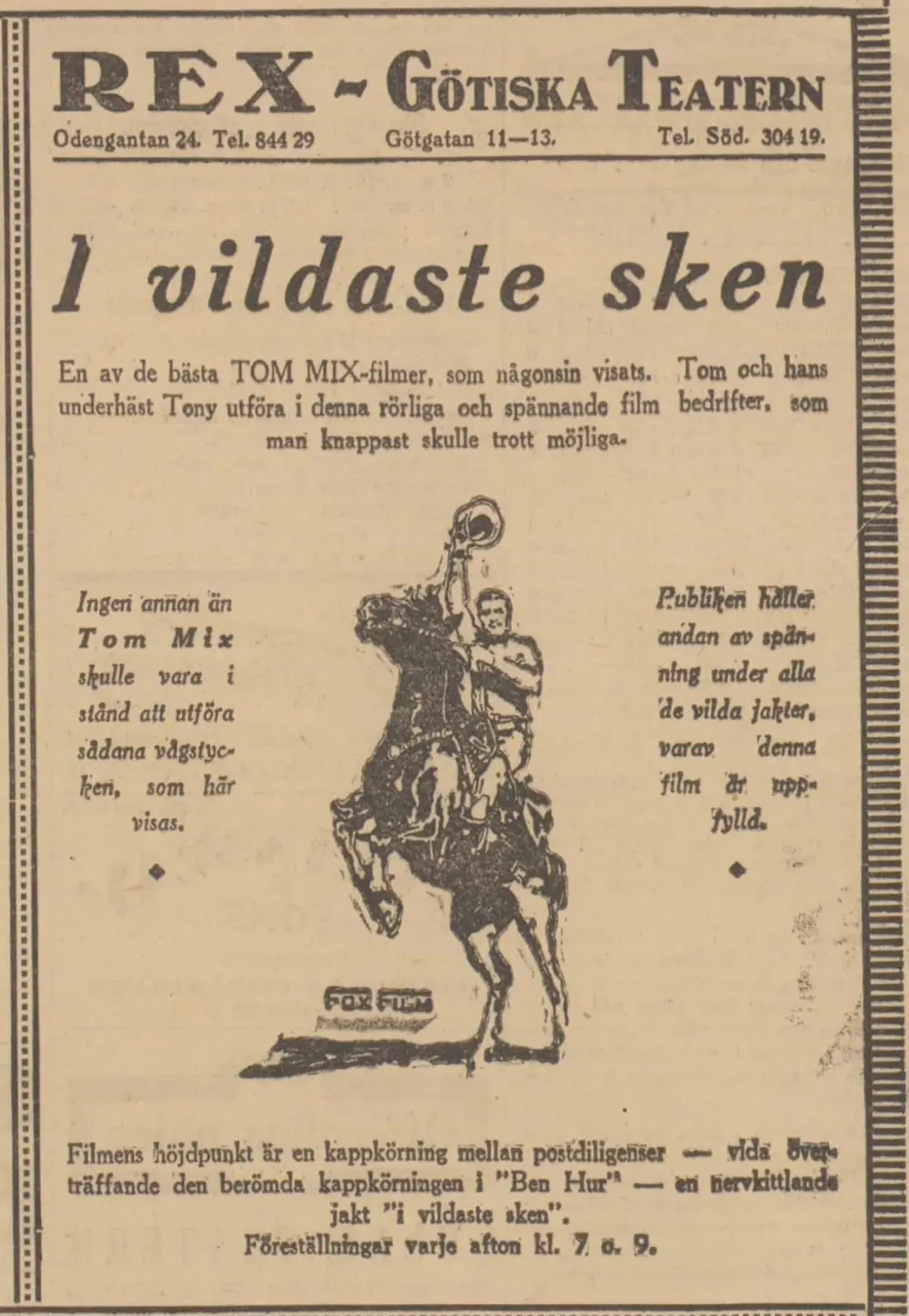
Scene from The Last Trail
Cinematic perspective: Exploring the visual vocabulary of The Last Trail (1927) through its definitive frames.
The tone is classic Western: heroic, adventurous, with clear moral lines. There's a persistent sense of optimism despite the danger, a hallmark of Mix's films. Even when the odds seem insurmountable, there's never a doubt that justice will prevail. This unwavering tone, while perhaps simplistic, provides a comforting sense of escapism that was, and still is, a core appeal of the genre.
The Echo of a Bygone Era: Pacing and Narrative
Watching The Last Trail today is an exercise in cinematic time travel. The pacing, dictated by the need for intertitles to convey dialogue and plot points, is inherently slower than modern audiences are accustomed to. Each intertitle, while necessary, acts as a momentary pause, breaking the visual flow. For those unfamiliar with silent film conventions, this can be a hurdle to overcome.
However, once you adjust to this rhythm, a different kind of immersion takes hold. The focus shifts to visual storytelling, to the actors' expressions, to the choreography of the stunts, and to the sheer spectacle of the moving image. The narrative, while uncomplicated, is efficient. There’s no wasted motion in the plot; every development serves the central conflict and propels Tom towards his ultimate goal.
The film’s reliance on practical effects and real locations also grounds the story in a tangible reality. When Mix leaps from one horse to another, or slides under a moving stagecoach, you know it's him, and it's real. This authenticity, a stark contrast to today's CGI-heavy blockbusters, provides a unique thrill that modern films often struggle to replicate. It’s a testament to the ingenuity and bravery of early filmmakers and their stars.
While the motivations of characters like William B. Davidson's Kurt Morley are painted in broad strokes of villainy, they serve their purpose perfectly within this narrative framework. The film isn't trying to explore the nuances of human depravity; it's presenting a clear antagonist for our hero to overcome. In this regard, it fully succeeds.
Pros and Cons
Pros:
Tom Mix's unparalleled charisma and athletic stunt work.
Tony the Horse's impressive performance and partnership with Mix.
Clear, engaging Western narrative.
Offers a valuable glimpse into early Hollywood filmmaking and the origins of the Western genre.
Cons:
Pacing can feel slow due to frequent intertitles.
Simplistic character development and dialogue (via intertitles).
Melodramatic elements might not appeal to all modern viewers.
Limited dramatic depth compared to later Westerns.
Accessibility for viewers unfamiliar with silent film conventions.
Key Takeaways
Best for: Silent film aficionados, Western history buffs, fans of practical stunts, and those curious about Tom Mix's legacy.
Not for: Viewers seeking fast-paced modern action, complex narratives, or who are easily deterred by intertitles.
Standout element: Tom Mix and Tony the Horse's dynamic partnership and groundbreaking stunt work, particularly during the climactic stagecoach race.
Biggest flaw: The inherent limitations of silent film pacing and exposition, which require a significant adjustment from contemporary audiences.
The Verdict
The Last Trail is more than a dusty old Western; it's a vibrant piece of cinematic history that showcases the sheer star power and physical daring of Tom Mix. While its silent film conventions and straightforward narrative might not cater to every modern palate, its historical significance and the pure entertainment value of Mix's stunts are undeniable. It's a film that demands a certain level of engagement and an open mind, but it rewards those who are willing to meet it on its own terms.
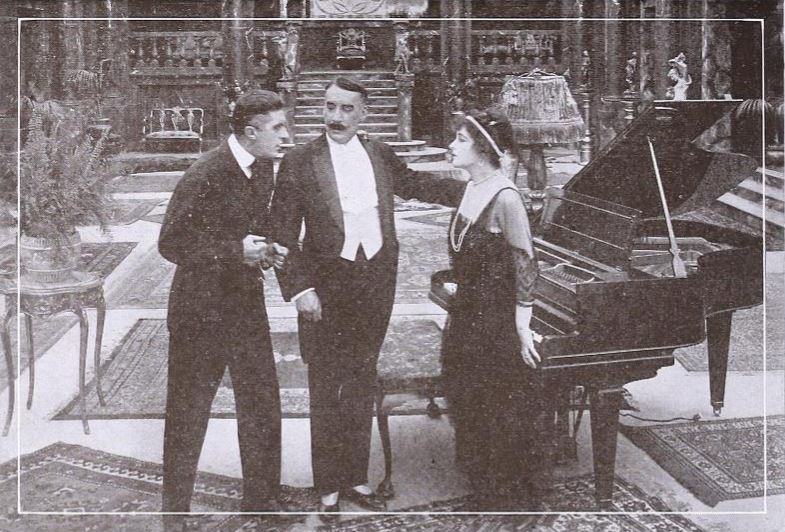
For anyone interested in the evolution of the Western, or simply looking to experience the raw energy of early Hollywood, The Last Trail is an essential watch. It might not redefine your understanding of cinema, but it will certainly entertain and educate, offering a window into a bygone era of moviemaking where grit and charisma were king. It serves as a stark reminder of the foundations upon which all subsequent action films were built. For another fascinating glimpse into the silent era, one might also consider exploring Autour de la roue, a film that, while vastly different in style, shares the commonality of innovative visual storytelling without spoken dialogue.