DbcultAccessing Vault...
Cult Review
Senior Film Conservator
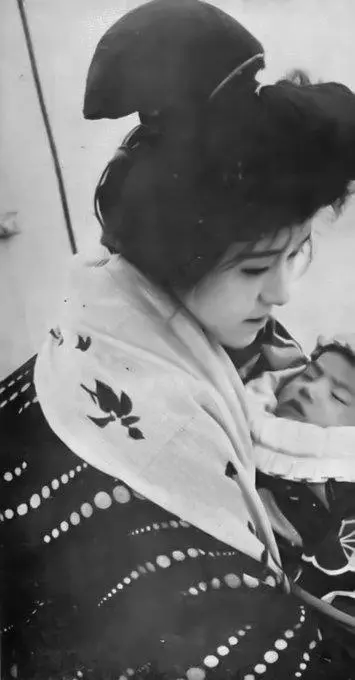
Stepping into the world of Josei wa tsuyoshi (Women Are Strong) is akin to entering a meticulously woven tapestry, rich with historical detail, emotional complexity, and an understated yet potent feminist spirit. This cinematic marvel, a profound exploration of resilience and self-discovery, anchors itself firmly in the early 20th-century Japanese social landscape, a period characterized by rapid modernization grappling with deeply entrenched traditions. From its opening frames, the film establishes a palpable tension between the individual's yearning for expression and the formidable weight of societal expectation, a dichotomy that Kyôko Mizuki, in a performance of breathtaking nuance, navigates with compelling grace and tenacity. Her portrayal of Hana is not merely an act; it is an embodiment, a quiet revolution simmering beneath a veneer of dutiful conformity.
The narrative, while ostensibly a domestic drama, transcends its genre confines to become a powerful allegory for artistic suppression and eventual triumph. Hana, a prodigious textile artist, finds her hands, meant for creation, bound by the invisible threads of an arranged marriage into a declining merchant family. Her husband, Kenji (Yutaka Mimasu), is a figure of sympathetic weakness, a man caught between his affection for Hana and his inability to challenge the formidable will of his mother. Mimasu imbues Kenji with a tragic fragility, making him less a villain and more a product of his patriarchal upbringing, a man whose good intentions are perpetually undermined by his lack of conviction. This nuanced portrayal prevents the film from devolving into a simplistic good-vs-evil narrative, instead presenting a more complex, human tapestry of conflicting desires and societal pressures. The true antagonist, if one can be identified, is the societal structure itself, personified most acutely by the formidable matriarch, portrayed with chilling authority by Yoneko Sakai. Her performance is a masterclass in controlled disdain, her every glance and utterance reinforcing the oppressive atmosphere that threatens to stifle Hana's spirit. Sakai doesn't chew scenery; she commands it, her presence a constant, unyielding force.
The film's visual language is as eloquent as its dialogue, employing a restrained aesthetic that mirrors Hana's internal struggles. Cinematography often frames Hana within doorways or behind screens, subtly emphasizing her confinement, yet also capturing the delicate beauty of her craft. The camera lingers on her hands as they work, transforming the mundane act of weaving into a sacred ritual of defiance. This careful attention to visual storytelling elevates the film beyond a mere recounting of events, turning it into a sensory experience that invites deep contemplation. The subtle shifts in lighting, from the dim interiors of the family home to the brighter, if still constrained, spaces of her clandestine workshop, metaphorically chart Hana's journey from shadowed existence to burgeoning self-realization.
As financial ruin looms large over the family, Hana's secret artistic endeavors transition from a personal solace to a desperate necessity. Her decision to sell her textiles under a male pseudonym is a poignant commentary on the gendered perceptions of skill and value in her society. It's a pragmatic act of survival, yet simultaneously a profound act of subversion. When her work catches the eye of Mr. Ishikawa (Shigeru Mokudo), a traditional but discerning art dealer, the film introduces another layer of complexity. Mokudo plays Ishikawa with a nuanced blend of professional acumen and ingrained prejudice. He recognizes the genius in the textiles but struggles to reconcile it with the idea of a female creator. This dynamic is crucial, as it highlights not just the barriers women faced, but also the slow, reluctant shift in perception that genuine talent could sometimes force. Ishikawa's journey from skepticism to reluctant admiration mirrors society's broader, glacial movement towards acknowledging female agency.
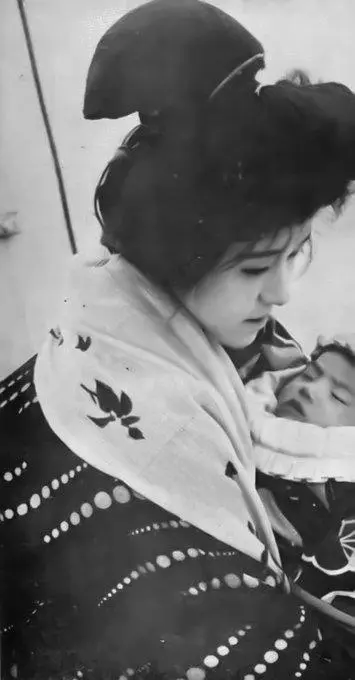
The supporting cast, while not always in the spotlight, provides essential texture to Hana’s world. Shizue Matsumoto and Shizuko Miyabe, perhaps as sympathetic neighbors or fellow artisans, offer glimpses of a nascent female community, providing Hana with quiet encouragement or practical assistance. Kaichi Yamamoto, Utako Suzuki, and Matsuko Senoo round out the ensemble, each contributing to the rich tapestry of characters that populate this era, embodying various facets of traditional society – from the gossiping busybody to the stern patriarch – reinforcing the intricate web of social expectations that Hana must navigate. Their collective presence paints a vivid picture of the world Hana inhabits, making her struggle all the more resonant. The film's brilliance lies in its ability to show, rather than tell, the oppressive nature of these societal constraints through the interactions and reactions of these characters.
The thematic resonance of Josei wa tsuyoshi extends far beyond its specific historical setting. Its exploration of female agency in the face of patriarchal structures finds echoes in countless narratives across cinematic history. One might draw parallels to the quiet defiance found in films like Miss Peasant, where a woman's connection to the land and her inherent strength allow her to transcend humble origins, or even the more direct societal critique present in a film such as The Princess of Patches, which, despite its different cultural context, similarly examines a woman's struggle for dignity and self-determination against a backdrop of rigid social hierarchies. While A Prisoner in the Harem might explore literal confinement, Josei wa tsuyoshi masterfully depicts the psychological and social prisons constructed around women, making Hana's eventual triumph all the more impactful. The film’s power lies not just in its portrayal of individual strength, but in its broader commentary on the universal human desire for recognition and freedom.
The film’s climax, Hana's audacious decision to reveal her identity and publicly exhibit her work under her own name, is a moment of profound courage. It is not a triumphant roar, but a steadfast declaration, a quiet yet seismic shift in the social fabric. This scene, devoid of exaggerated melodrama, instead relies on the sheer weight of Hana's conviction and the palpable tension of a society confronted with its own biases. The reactions of the onlookers – a mix of scandalized whispers, grudging admiration, and burgeoning inspiration – are meticulously captured, painting a vivid tableau of a society on the cusp of change. This singular act, borne out of necessity and artistic integrity, becomes a catalyst, not just for Hana's personal liberation but for the nascent stirrings of female empowerment within her community.
The directorial vision behind Josei wa tsuyoshi is one of deliberate pacing and meticulous character development. There’s a palpable sense of respect for the narrative and its characters, allowing their struggles and triumphs to unfold organically. The film avoids facile resolutions, instead opting for a more realistic portrayal of progress – a slow, arduous journey punctuated by small, hard-won victories. This approach aligns it with the contemplative nature of films like Miyama no otome, which similarly explores the quiet strength of women navigating complex social landscapes. The film's strength lies in its refusal to preach, instead allowing Hana's actions to speak volumes, her artistry becoming a language that transcends societal barriers.
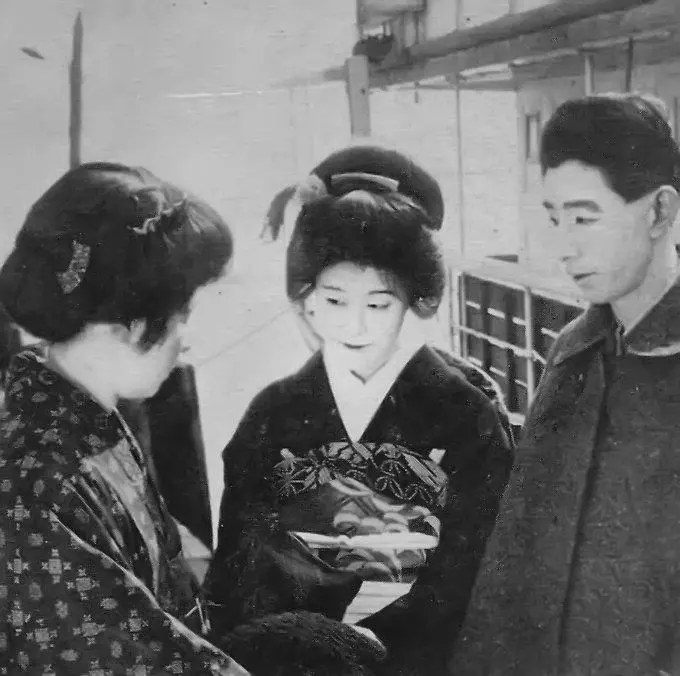
The intricate details of textile creation are not merely background dressing; they are integral to Hana's character and the film's thematic core. The patience, precision, and artistry required in weaving become a metaphor for Hana’s own life – painstakingly constructing her identity, thread by delicate thread, against a backdrop of societal unraveling. This focus on craft as a form of resistance and self-assertion is particularly powerful. It elevates a traditionally 'female' pursuit, often relegated to the domestic sphere, into a powerful tool for economic independence and artistic self-expression. The visual texture of the fabrics themselves, their patterns and colors, become an extension of Hana’s inner world, a vibrant counterpoint to the muted expectations placed upon her.
Comparisons to films that explore the hidden lives and struggles of women are inevitable. While His House in Order might delve into familial secrets within a different cultural context, the underlying theme of a woman striving to maintain her dignity and influence within a restrictive domestic environment resonates strongly. Even more broadly, the film’s narrative of overcoming adversity through personal talent and will can be seen in a film like An Overall Hero, albeit with a male protagonist and a different genre. What sets Josei wa tsuyoshi apart is its unwavering focus on the gendered nature of these struggles, making it a pivotal piece in the canon of films celebrating female fortitude.
The enduring impact of Josei wa tsuyoshi lies in its timeless message. It is a film that refuses to allow its characters to be defined solely by their circumstances. Instead, it champions the indomitable human spirit, particularly the spirit of women, to forge their own destinies, even when confronted by seemingly insurmountable obstacles. The performances, particularly that of Kyôko Mizuki, are etched into the viewer's memory, creating a character whose quiet strength resonates long after the credits roll. It’s a compelling argument for the power of art, not just as a means of expression, but as a weapon for social change and personal liberation. The film doesn't offer a sugar-coated vision of triumph; rather, it presents a hard-earned victory, built on perseverance, talent, and an unyielding belief in oneself. This authenticity is precisely what gives the film its lasting power and relevance.
In an era when female narratives were often relegated to supporting roles or simplified tropes, Josei wa tsuyoshi stands as a monumental achievement, a testament to the power of storytelling to illuminate the profound strength and complexity of women. It is a film that demands to be seen, discussed, and celebrated, not just as a historical artifact, but as a vibrant, living testament to the enduring human spirit. Its themes of artistic integrity, gender equality, and personal freedom are as pertinent today as they were in the time it depicts, securing its place as a quintessential work of cinema that continues to inspire and provoke thought. The film reminds us that strength often manifests not in overt acts of rebellion, but in the quiet, persistent pursuit of one's truth, in the unwavering dedication to one's craft, and in the courage to stand alone against the tide of convention. It's a cinematic experience that leaves an indelible mark, encouraging viewers to reflect on their own definitions of power and resilience.
IMDb 5.8
1935
Community
Log in to comment.